
Comprehensive Guide to Dog Routine Blood Test Items, Symptoms, Causes, Diagnosis, Treatment, and Management
Regular blood tests for dogs are a key preventive measure to detect internal health issues early. Early detection significantly improves treatment outcomes.
Routine Blood Test Items for Dogs Are a Key Preventive Measure for Early Detection of Internal Health Status

Major Causes of Blood Test Abnormalities Include Endocrine, Kidney, and Liver Diseases
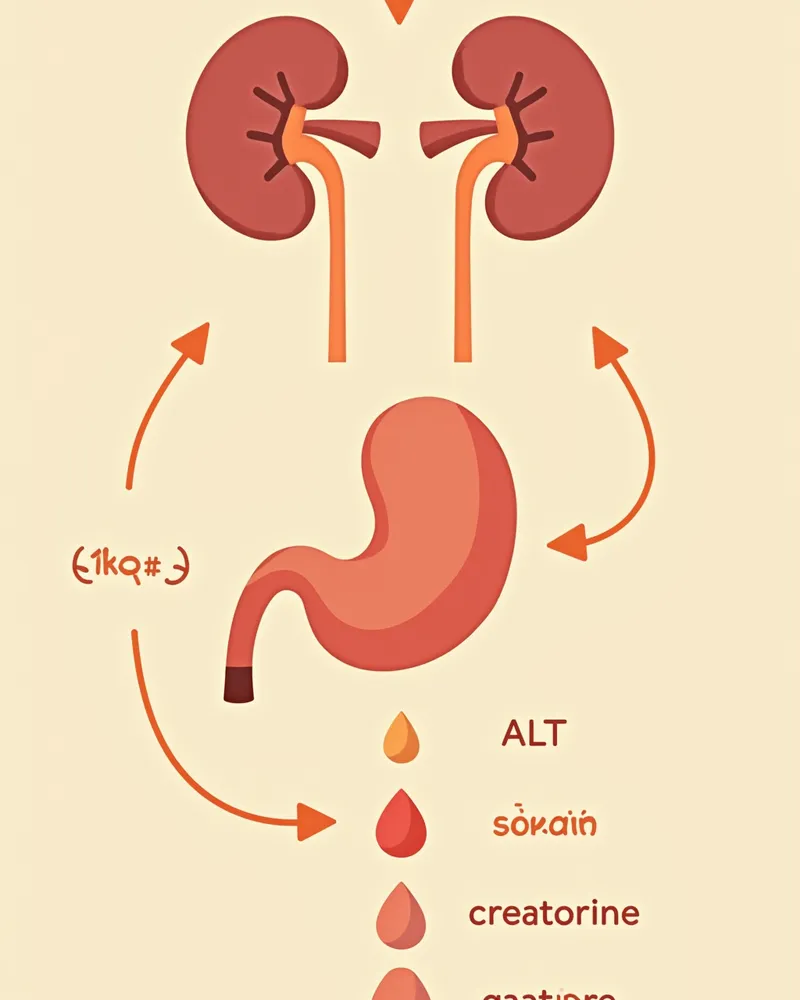
Key Symptom Signals to Watch for in Routine Blood Tests

Emergency Signals Requiring Immediate Veterinary Visit
If your pet’s blood test results show a significant increase in creatinine or blood urea nitrogen, or if blood glucose levels are markedly elevated, it’s best to visit the clinic as soon as possible. These findings could indicate an emergency related to kidney damage or diabetes, requiring prompt diagnosis and treatment by a veterinarian. The vet will assess the specific risk thresholds and determine whether the situation is urgent based on a comprehensive evaluation.
Testing Methods and Procedures for Accurate Diagnosis

Treatment Methods Are Progressed Step-by-Step Based on the Cause
Home Care and Daily Check Points

Senior Dogs and Specific Breeds Require Closer Attention
Senior dogs are at higher risk of declining kidney function, so it’s important to work with your veterinarian to establish a regular schedule for health check-ups. Blood tests can help detect various conditions early, and based on the results, you and your vet can create a personalized care plan tailored to your dog’s needs.
Reviewed by a veterinarian

Dr. Tony — Punnawat Phongkittirak
VeterinarianA veterinarian who majored in veterinary medicine at Khon Kaen University, Thailand, and completed the IVSA program at North Carolina State University in the United States. Drawing on clinical experience at animal hospitals, he works in the pet healthcare field and is dedicated to building a digital care environment that connects pet parents with veterinarians.
Reviewed 2026-06-29
Frequently Asked Questions
How often should dogs have routine blood tests?
Should my pet avoid eating before a blood test?
If blood test results come back abnormal, does my pet absolutely need to visit the hospital?
How much does a blood test cost?
My dog is afraid of blood tests. What should I do?
Share
Related Guides

The Best Dog Ear Cleaning Methods, Care Tips, and Selection Criteria

Top Recommendations and Selection Criteria for Cat FIV and FeLV Testing

The Best Tips for Optimal Timing and Selection Criteria for Dog Neutering

Why Is My Cat So Lethargic? — From Symptoms to Treatment of Hypokalemia and Kidney Disease

If Your Cat’s Kidneys Are Swollen — Causes of Hydronephrosis and Treatment Timing

How fast does feline CKD progress? — Key monitoring to slow progression

If Your Cat Is Constantly Lethargic — Symptoms and Treatment Timing for Feline Pyelonephritis

If Your Dog Has a Hole in Their Heart — Ventricular Septal Defect Symptoms and When to Visit the Vet

If Your Dog Is Panting Frequently and Appears Tired — Causes and Treatment of Tricuspid Valve Dysplasia

Spironolactone for Dogs — Effects, Side Effects, and Key Points for Administration
References
[1] Notes on Canine Internal Medicine, 4th Ed. (2023). Chapter 3: Biochemical Tests.
[2] Advanced Monitoring for Small Animal Emergency and Critical Care, 2nd Ed. (2021). Chapter 5: Hematology and Coagulation.
[3] Small Animal Critical Care Medicine, 3rd Ed. (2022). Section 4: Laboratory Diagnostics and Interpretation.