
Dog Bladder Nerve Stimulation Therapy: Symptoms, Causes, Diagnosis, Treatment, and Management Essentials
Bladder nerve stimulation therapy for dogs is a treatment designed to improve bladder function, typically considered when symptoms such as urinary incontinence or difficulty urinating occur. A thorough diagnosis by a veterinarian is essential.
What Is Dog Bladder Nerve Stimulation Therapy?
What Are the Main Causes of Bladder Nerve Stimulation Therapy?
Check for Key Symptoms and Signs
When to Visit the Vet Immediately
If your dog is urinating in small amounts but excessively frequently (pollakiuria), or if they appear to be straining and in pain while urinating, you should take them to the vet immediately. In particular, if no urine is being passed at all or if your dog keeps trying to urinate even after they have gone, it could indicate a urethral obstruction or another serious condition preventing urination. A urethral obstruction is a life-threatening emergency because urine cannot be expelled, so it is crucial to seek immediate veterinary care without delay. Prompt diagnosis and treatment are essential.
Diagnostic Tests for Accurate Diagnosis
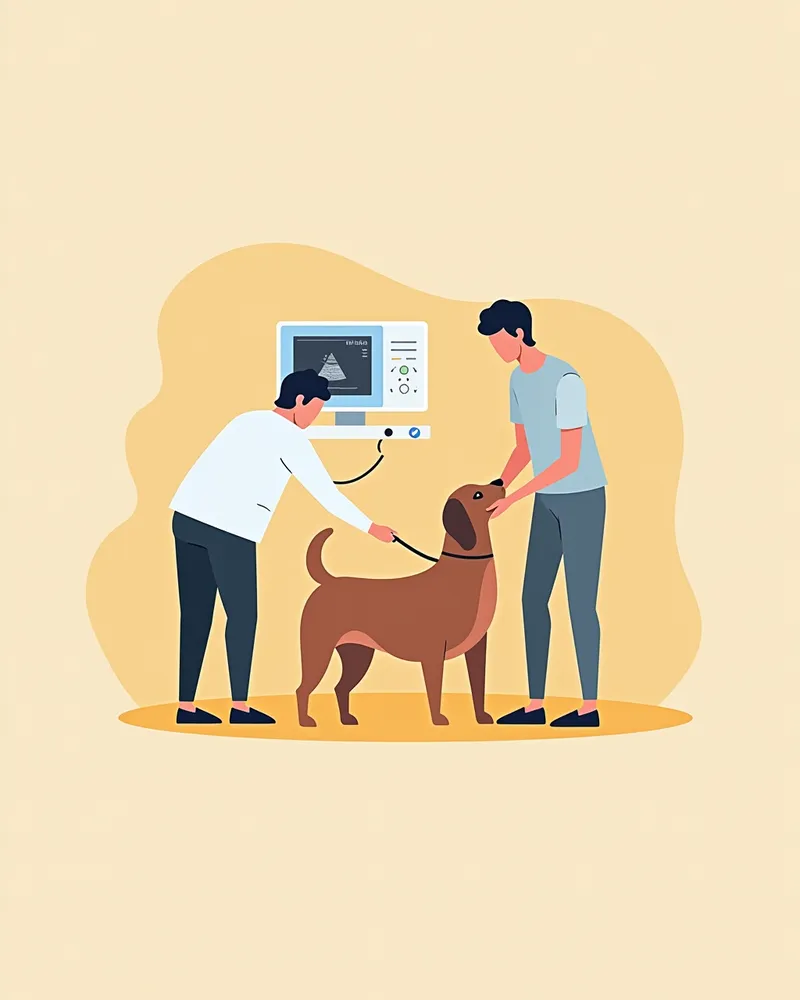
Step-by-Step Treatment Approach
Management Tips at Home

Breed-Specific Precautions and Recurrence Prevention
Urinary incontinence and bladder dysfunction are particularly common in spayed female dogs. It often occurs in females spayed at a young age or in senior females, due to urethral sphincter incompetence. When bladder dysfunction accompanies spinal cord disease, long-term management is necessary. Work with your veterinarian to develop a management plan and keep a record of any changes in your dog’s urination patterns. Seek immediate veterinary care if symptoms worsen or new problems arise.
Reviewed by a veterinarian

Dr. Tony — Punnawat Phongkittirak
VeterinarianA veterinarian who majored in veterinary medicine at Khon Kaen University, Thailand, and completed the IVSA program at North Carolina State University in the United States. Drawing on clinical experience at animal hospitals, he works in the pet healthcare field and is dedicated to building a digital care environment that connects pet parents with veterinarians.
Reviewed 2026-06-29
Frequently Asked Questions
Does abnormal bladder contraction cause pain?
Will my puppy be able to live normally after treatment?
Can the device be removed?
How much does it cost?
Can senior dogs also receive treatment?
Bladder Nerve Stimulation Therapy vs. Medication Therapy Comparison
| Item | Bladder Contractile Dysfunction Management | Medication Treatment |
|---|---|---|
| Duration of Effect | Requires ongoing management | Temporary effect |
| Presence of Pain | Whether there is pain depends on the cause | Generally painless |
| Cost | Varies by treatment | Low |
| Recurrence Possibility | Can be reduced with proper management | High |
| Suitable For | No response to medication or severe symptoms | Responds to medication |
The treatment choice must be decided based on the dog's health condition and the veterinarian's judgment.
Share
Related Guides

Top 5 Prescription Diets for Feline FLUTD — Comparison by Struvite and Calcium Oxalate Stones

Top 7 Prescription Diets for Feline Bladder and Urinary Tract Health Recommended by Veterinarians — Including Selection Criteria

Top 5 Cranberry Urinary Supplements for Dogs — Preventing Cystitis
If Your Dog Ate Avocado — From Poisoning Symptoms to Emergency Treatment and Prevention

If Your Dog Ate Onions or Garlic — Anemia Symptoms, Emergency Care, and Dangerous Intake Levels

Our Cat’s Hair Loss and Circular Patches — Causes and Treatment Timing for Fungal Skin Disease
If Your Dog Keeps Scratching and Losing Hair — Symptoms and Treatment of Fungal Skin Infections
Feline Pyoderma: Symptoms, Causes, Diagnosis, Treatment, and Management Essentials

If Your Cat Is Having Trouble Breathing — A Complete Guide to Feline Chylothorax Symptoms, Causes, and Treatment Timing
Brachycephalic Airway Syndrome in Dogs: Symptoms, Causes, Diagnosis, Treatment, and Care Essentials
References
[1] Simpson, K.W. et al. (2001). Subnormal concentrations of serum cobalamin (vitamin B12) in cats with gastrointestinal disease. J. Vet. Intern. Med. 15: 26–32.
[2] Olson, N.C. and Zimmer, J.F. (1978). Protein-losing enteropathy secondary to intestinal lymphangiectasia in a dog. J. Am. Vet. Med. Assoc. 173 (3): 271–274.
[3] Buishand, F.O. et al. (2018). Utility of contrast-enhanced computed tomography in the diagnosis of canine bladder disorders. Vet. Radiol. Ultrasound. 59 (4): 412–420.