
Dog Calcium Oxalate Uroliths: Symptoms, Causes, Diagnosis, Treatment, and Management Essentials
Calcium oxalate uroliths in dogs are stones that form in the urinary tract and can cause difficulty urinating and pain. Early diagnosis and proper management are essential.
What Are Dog Calcium Oxalate Uroliths?
What Are the Main Causes of Urolith Formation?
Check for Key Symptoms and Signs
Emergency Signs Requiring Immediate Veterinary Visit
If your dog is unable to urinate at all, and shows symptoms such as a distended abdomen, trembling, or collapse, this may indicate a urinary tract obstruction caused by a stone blocking the urethra—a medical emergency. Male dogs are particularly at risk because their narrower urethra makes it easier for stones to become lodged and cause complete blockage. If the obstruction persists, urine can accumulate in the bladder with no way out, posing a life-threatening risk. Do not delay—seek immediate veterinary care for emergency treatment.
Diagnostic Tests for Accurate Diagnosis
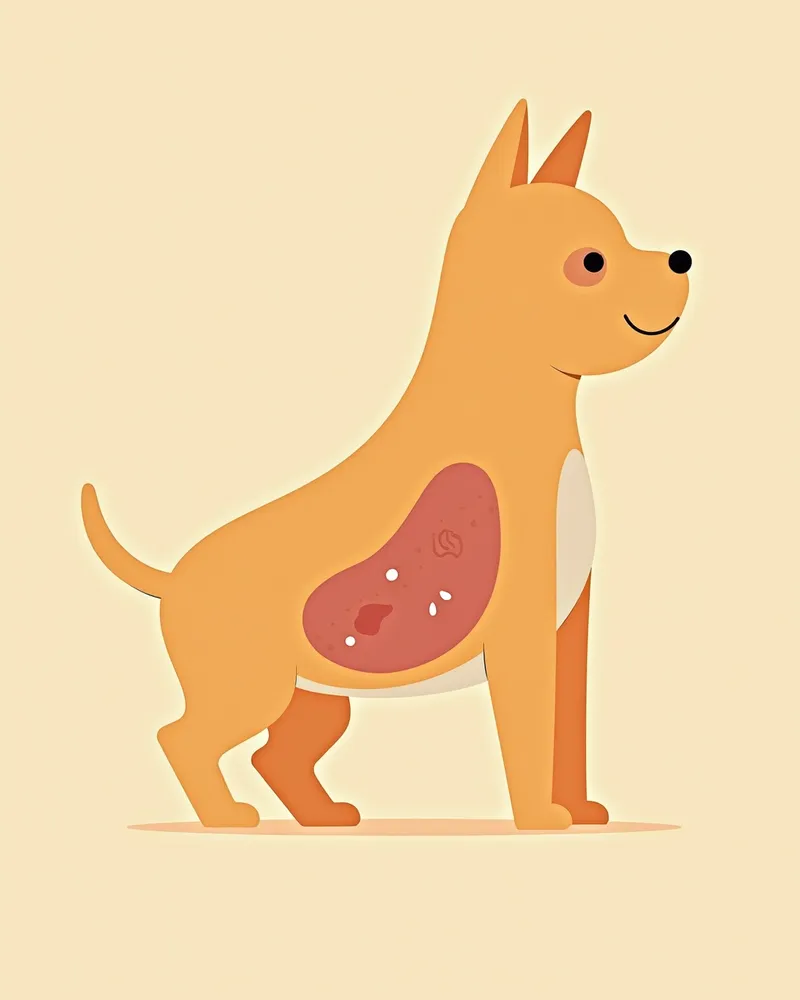
Treatment Methods and Step-by-Step Management Strategies
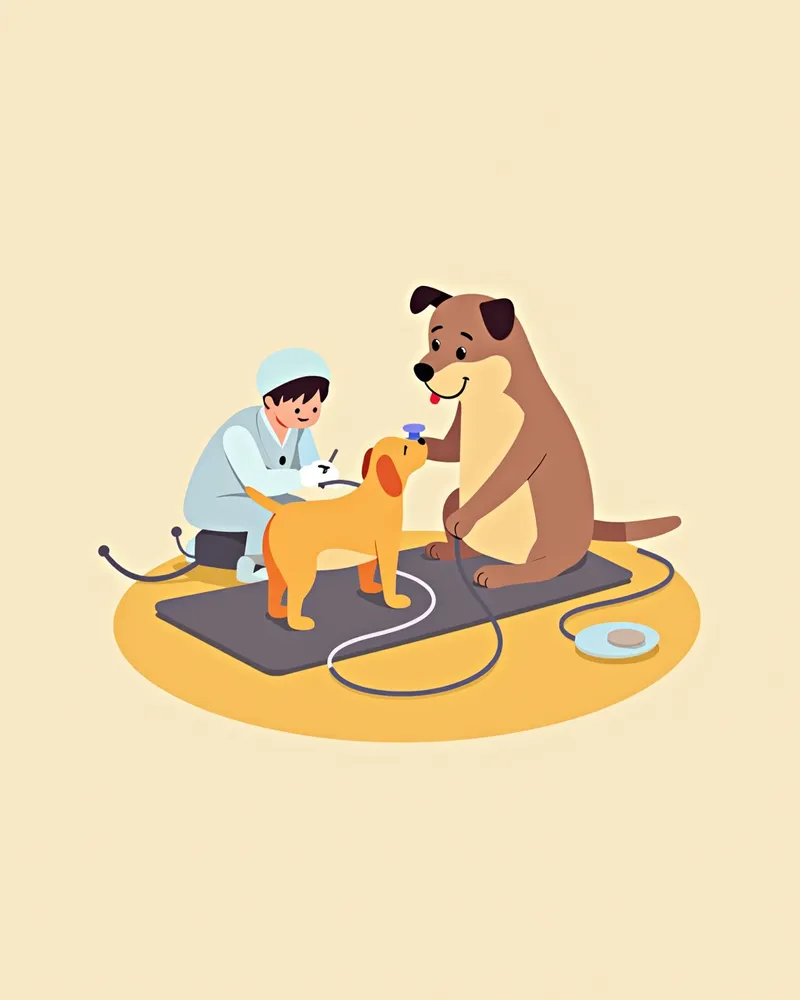
Home Care and Recurrence Prevention Points
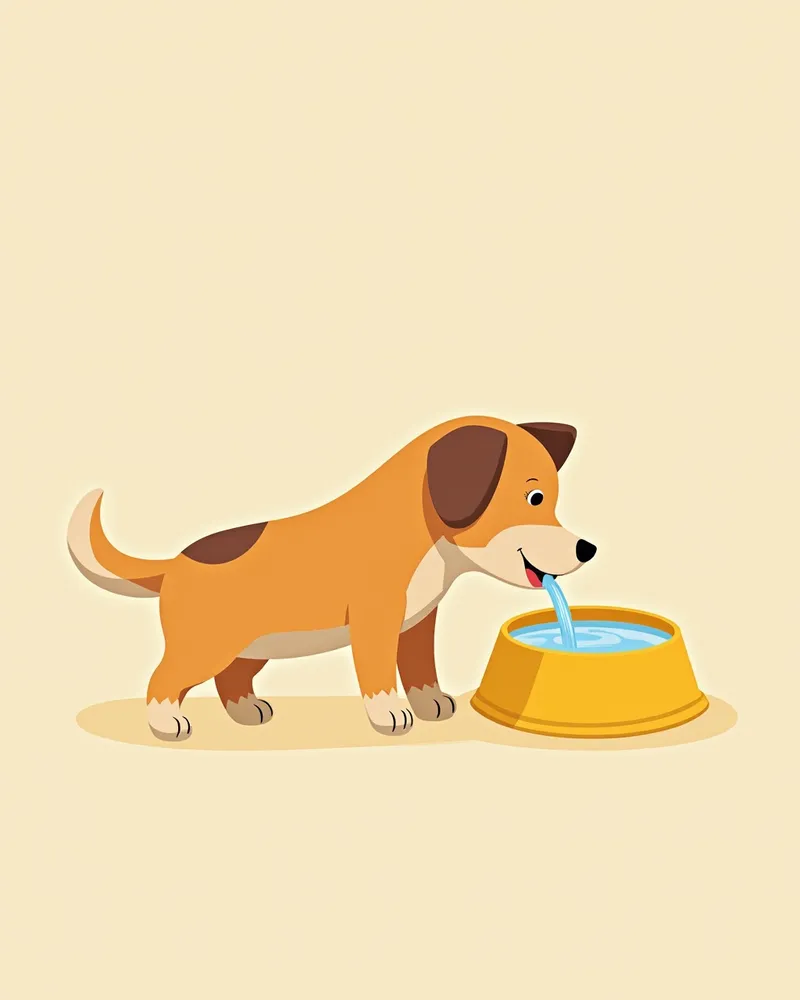
Certain Breeds Are at Higher Risk for Uroliths
Small breeds such as Shih Tzus, Yorkshire Terriers, Lhasa Apsos, and Bichon Frises are at a higher risk of developing calcium oxalate uroliths. They are particularly vulnerable due to structural characteristics of their urinary tract and genetic predispositions. Dogs with insufficient water intake face an even greater risk, making consistent access to fresh water and regular veterinary check-ups essential.
Reviewed by a veterinarian

Dr. Tony — Punnawat Phongkittirak
VeterinarianA veterinarian who majored in veterinary medicine at Khon Kaen University, Thailand, and completed the IVSA program at North Carolina State University in the United States. Drawing on clinical experience at animal hospitals, he works in the pet healthcare field and is dedicated to building a digital care environment that connects pet parents with veterinarians.
Reviewed 2026-06-29
Frequently Asked Questions
Can calcium oxalate urinary stones be cured?
Is it safe to give my pet treats that are high in oxalic acid?
Won’t giving only water prevent urinary stones?
Does a pet with urinary stones always need surgery?
If a pet develops a urinary stone, is there a high chance it will come back?
Share
Related Guides

Top 5 Prescription Diets for Feline FLUTD — Comparison by Struvite and Calcium Oxalate Stones

Top 7 Prescription Diets for Feline Bladder and Urinary Tract Health Recommended by Veterinarians — Including Selection Criteria

Top 5 Cranberry Urinary Supplements for Dogs — Preventing Cystitis
Puppy Basic Vaccination Schedule: Symptoms, Causes, Diagnosis, Treatment, and Management Essentials
Optimal Timing for Dog Neutering: Symptoms, Causes, Diagnosis, Treatment, and Care Points Summary
Puppy Nutritional Counseling and Diet Selection: Symptoms, Causes, Diagnosis, Treatment, and Management Essentials
Dog Nail Care: A Complete Guide to Symptoms, Causes, Diagnosis, Treatment, and Management
Complete Guide to Choosing and Comparing Heartworm Preventives for Dogs: Symptoms, Causes, Diagnosis, Treatment, and Management
Comprehensive Guide to Symptoms, Causes, Diagnosis, Treatment, and Management for a Puppy’s First Vet Visit
Dog Dry vs Wet vs Raw Food Selection: Symptoms, Causes, Diagnosis, Treatment, and Management Points Summary
References
[1] Lulich, J.P., Osborne, C.A., Albasan, H. et al. (2009). Efficacy and safety of laser lithotripsy in fragmentation of urocystoliths and urethroliths for removal in dogs. Journal of the American Veterinary Medical Association, 235(1), 75–82.
[2] Plumb's Veterinary Drug Handbook, 9th Edition. (2022). Wiley-Blackwell.
[3] Applied Veterinary Clinical Nutrition, 2nd Edition. (2021). Elsevier.