
Like
Share
멍실장
강아지 이뇨제(퓨로세마이드) 심장 증상과 원인, 진단·치료와 관리 포인트 총정리

Furosemide for Our Dogs: Effects, Side Effects, and When to Visit the Vet

HeartDiseasesMeongsiljang Veterinary Advisory Board

Furosemide is a diuretic used to treat heart failure, but it can worsen heart function as a side effect. Accurate diagnosis and monitoring are essential.

What Is the Diuretic (Furosemide) for Dogs' Hearts?

A puppy with a heart-shaped medical tag, surrounded by furosemide tablets.
Furosemide is a loop diurete widely used in the treatment of heart failure. However, excessive use can lead to side effects caused by fluid and electrolyte loss. - Side effects of furosemide: Long-term or excessive use can cause excessive diuresis, reducing plasma volume (blood volume), which may lead to hypotension, tissue hypoperfusion, and prerenal azotemia (elevated BUN and creatinine levels). - Electrolyte imbalance: Loss of potassium, magnesium, and sodium can result in hypokalemia, potentially causing arrhythmias and weakening muscle and myocardial strength. - Hypotension: Low blood pressure due to reduced blood volume can place additional strain on the heart and kidneys, negatively impacting heart failure management. - Cardiac and renal monitoring: Regular monitoring through echocardiograms, chest radiographs, and tests for electrolyte and kidney function is essential to assess the drug’s effects. Consistent management in collaboration with your veterinarian is key.

Causes and Mechanisms of Furosemide's Effects on the Heart
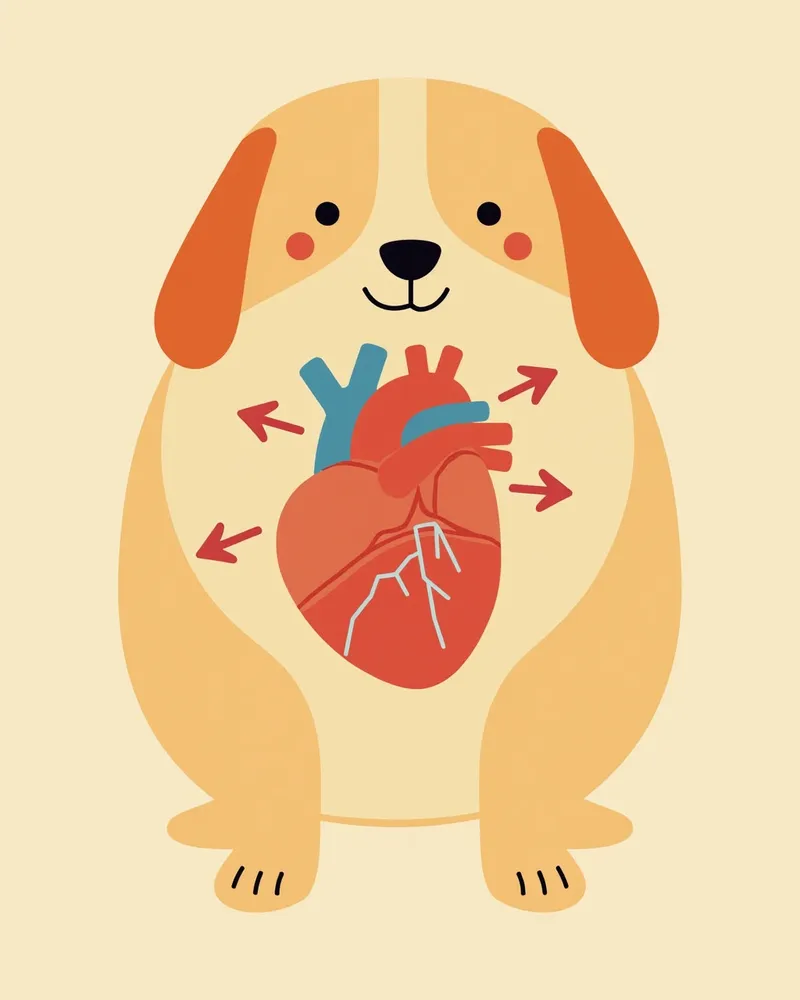
Furosemide works by promoting the excretion of sodium and water through the kidneys, thereby reducing edema. - Excessive diuretic effect: This can cause a rapid decrease in blood volume, reducing blood flow to the heart. - Insufficient cardiac blood supply: Reduced blood volume lowers the heart's contractility and blood pressure, leading to impaired cardiac function. - Induction of irregular heartbeats: Electrolyte imbalances, particularly low potassium levels, can disrupt the heart's rhythm and cause arrhythmias. - Impact of underlying conditions: Dogs with pre-existing heart disease are more vulnerable to the side effects of furosemide. - Need for medication management: Regular check-ups and blood tests are necessary to monitor the drug's effects, and dosage adjustments should be made as needed.
An anatomical diagram of a dog’s heart showing reduced blood flow due to dehydration caused by furosemide

Main Symptoms That May Occur While Taking Furosemide
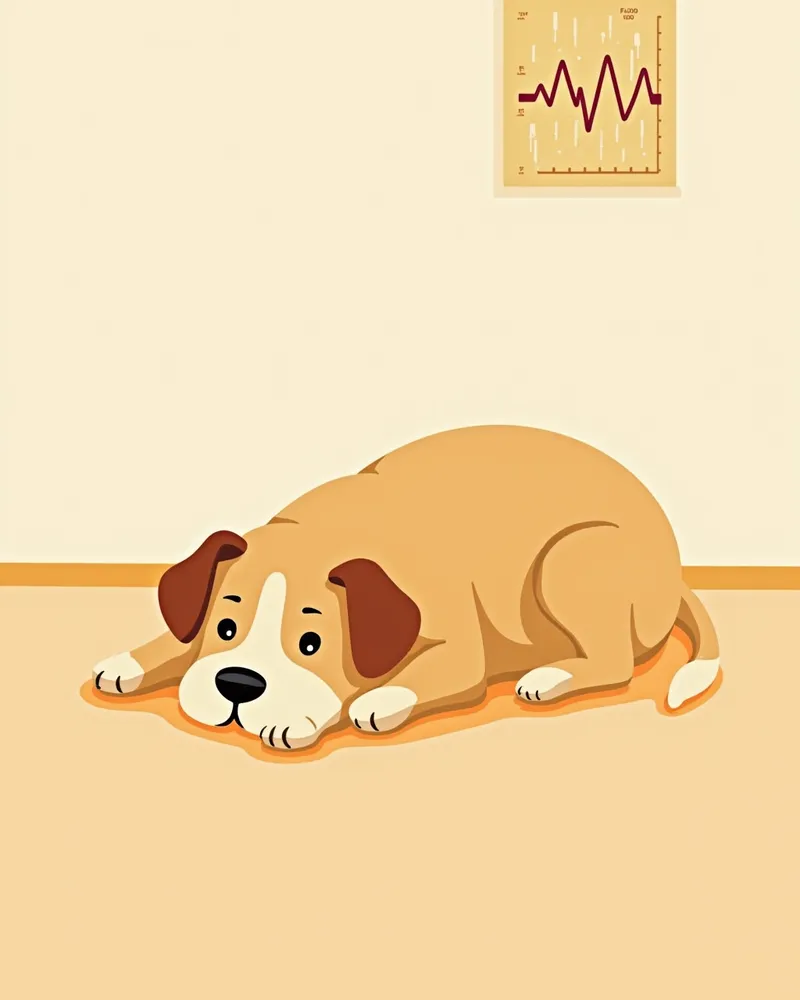
If fluid or electrolyte imbalances occur while taking furosemide, various symptoms may arise. Missing these signs can lead to serious complications, so close monitoring is essential.
Irregular heartbeat: Conditions such as hypokalemia can cause the heart to beat too fast, too slow, or with an irregular rhythm.
Coughing and difficulty breathing: Fluid accumulation in the lungs can lead to frequent coughing, shortness of breath, and an increased respiratory rate.
Fatigue and lethargy: Your pet may lack energy, remaining inactive and listless throughout the day.
Vomiting and loss of appetite: These are secondary symptoms resulting from impaired gastrointestinal function due to azotemia (elevated blood urea).
Signs of low blood pressure: Watch for dizziness, collapse, and pale gums or mucous membranes.
A weak-looking puppy lying on the floor, along with medical records showing irregular heartbeats and low blood pressure.

Emergency Symptoms Requiring Immediate Veterinary Visit

If your pet’s heart function deteriorates rapidly while taking furosemide, it can be life-threatening. Be aware of the signs that indicate an immediate need to visit the vet.

Diagnostic Methods for Accurate Diagnosis

To determine whether furosemide is affecting the heart, a comprehensive evaluation is necessary. - Echocardiogram (cardiac ultrasound): This precisely assesses heart size, contractility, and valve function to identify any decline in cardiac performance. - Blood tests: These check electrolytes (such as sodium and potassium), kidney function, and blood concentration to detect any abnormalities. - Electrocardiogram (ECG): This analyzes the heart’s rhythm and electrical activity to check for arrhythmias. - Daily weight monitoring: Tracking daily weight helps detect fluid overload or dehydration in real time. - Regular consultation with your veterinarian: Your vet will review all test results together to ensure the medication is appropriate and adjust the treatment plan as needed.
A veterinarian performs an echocardiogram on a puppy, with the heart function displayed on the monitor.

Treatment Methods and Step-by-Step Management Strategies

If furosemide places excessive strain on the heart or kidneys, treatment involves adjusting the medication and managing your pet’s daily care. - Medication Adjustment: Under veterinary guidance, the furosemide dosage may be reduced or the dosing schedule adjusted. - Electrolyte Supplementation: If hypokalemia or hypomagnesemia is detected, supplements are administered to restore electrolyte balance. - Fluid and Hydration Management: In cases of severe dehydration, intravenous fluids are used to replenish plasma volume, while maintaining appropriate hydration levels is essential in daily care. - Assessment of Cardiac Function Recovery: After adjusting the medication, cardiac ultrasound and blood tests are conducted to evaluate whether heart function has recovered. - Gradual Resumption of Medication: Once cardiac function stabilizes, furosemide should be gradually reintroduced only after consulting with your veterinarian. - Ongoing Monitoring: Regular check-ups remain essential throughout the course of medication.
A puppy receiving an electrolyte supplement injection from a veterinarian.

Home Care and Precautions

Careful home monitoring is essential while your pet is taking furosemide. - Weight monitoring: Weigh your pet every morning under consistent conditions and record the results to track fluid changes. - Heart rate observation: Contact your veterinarian immediately if you notice a heart rate that is faster than normal or irregular. - Respiratory assessment: Be alert for signs of shortness of breath or mild difficulty breathing. - Fluid intake management: Avoid excessive or insufficient water consumption; ensure balanced hydration. - Exercise moderation: Avoid strenuous activity and limit exercise to light walks. - Dietary management: Maintain regular meal times and a consistent diet, avoiding sudden changes. - Veterinary communication: Consult your veterinarian immediately if you notice any abnormal symptoms or if medication adjustments are needed.
A puppy drinking water, with a notebook and scale for recording weight and heart rate nearby.

Breed-Specific Precautions and Prevention of Recurrence

Responses to furosemide vary among dogs, with some exhibiting heightened sensitivity even at the same dosage. Long-term use increases the risk of electrolyte imbalances such as hypokalemia and hypomagnesemia, as well as dehydration and azotemia; therefore, regular monitoring of electrolyte and renal values, along with dose adjustments, is essential. Additionally, abrupt discontinuation of the medication by the owner without veterinary guidance can lead to rapid worsening of heart failure. To prevent relapse, maintain recommended lifestyle practices under your veterinarian’s direction throughout the course of treatment.

Reviewed by a veterinarian

Dr. Tony — Punnawat Phongkittirak

Dr. Tony — Punnawat Phongkittirak

Veterinarian

A veterinarian who majored in veterinary medicine at Khon Kaen University, Thailand, and completed the IVSA program at North Carolina State University in the United States. Drawing on clinical experience at animal hospitals, he works in the pet healthcare field and is dedicated to building a digital care environment that connects pet parents with veterinarians.

Frequently Asked Questions

My pet is taking furosemide and seems to be experiencing heart pain. What should I do?
Please take your pet to the vet right away so they can check heart function and electrolyte levels. Medication adjustments may be necessary.
My pet’s weight dropped rapidly while taking furosemide. Is this dangerous?
Sudden weight loss can be a sign of dehydration or declining heart function. Consult your veterinarian, as medication adjustments may be necessary.
Can heart symptoms return if I stop giving furosemide?
Yes, stopping medication can be dangerous if your pet has heart failure. Never discontinue the medication on your own; always consult your veterinarian first.
Can furosemide be taken together with other medications?
Because this medication may interact with other drugs, be sure to inform your veterinarian and confirm whether it’s safe to use.
What foods should be avoided while taking furosemide?
Avoid foods high in salt, and ensure your pet consumes an appropriate amount of fruits and vegetables to maintain proper electrolyte balance.

How to Handle Heart Symptoms by Severity While Taking Furosemide

ItemMain SymptomsResponse MethodHospital Visit Needed
MildSlight fatigue, slightly irregular heartbeatRegulate water intake, monitor weightSchedule a veterinary consultation
ModerateCoughing, respiratory distress, decreased appetiteConsider medication adjustment, replenish electrolytesVisit the hospital immediately
SevereSevere respiratory distress, collapse, low blood pressureImmediate emergency veterinary treatment; do not stop medication on your own and follow the veterinarian's instructionsVisit the emergency room immediately

If symptoms worsen, an immediate hospital visit is essential. Collaboration with the veterinarian is most important.

Share

Related Guides

References

[1] Textbook of Cardiovascular Medicine in Dogs and Cats, 2020, Chapter 6: Diuretic Therapy in Canine Heart Failure

[2] Notes on Canine Internal Medicine, 4th Edition, 2019, Section 8.3: Furosemide Use and Cardiac Side Effects

[3] Plumb's Veterinary Drug Handbook, 9th Edition, 2021, Furosemide (Lasix) – Cardiovascular Effects and Monitoring

This information is based on veterinary literature and does not replace diagnosis or treatment. Please consult a veterinarian for specific health concerns.

Metapet Co., Ltd. | CEO: Park Sung-yong | Business Reg. No. 417-88-02562 | Seoul, South Korea | Customer Center

Furosemide for Dogs: Benefits, Side Effects, and When to See a Vet | Meongsiljang