Like
Share
멍실장
강아지 신우신염(세균성 신장감염) 증상과 원인, 진단·치료와 관리 포인트 총정리

My Puppy Has a Fever and Back Pain — From Pyelonephritis Symptoms to Treatment

KidneyDiseasesMeongsiljang Veterinary Advisory Board

Pyelonephritis in dogs is an inflammatory condition caused by bacteria ascending to the kidneys, leading to symptoms such as fever, difficulty urinating, and abdominal pain. Early detection and appropriate treatment are essential.

Canine Pyelonephritis Is an Inflammatory Condition Caused by Bacteria Invading the Kidneys via the Urinary Tract
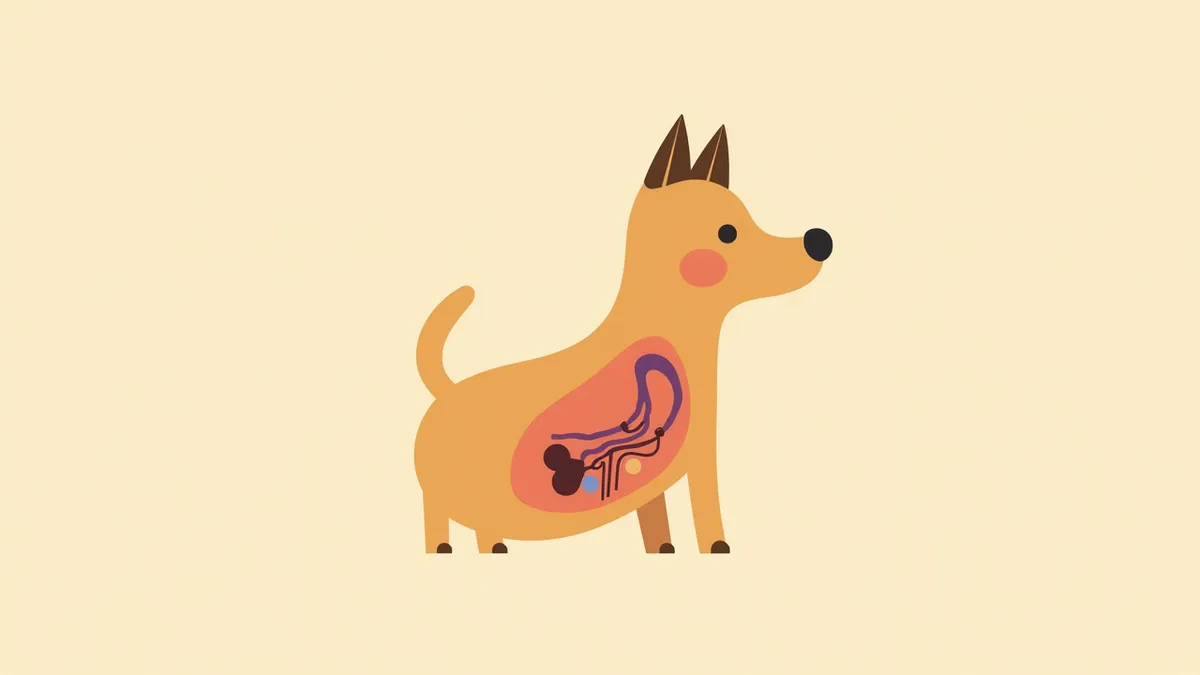
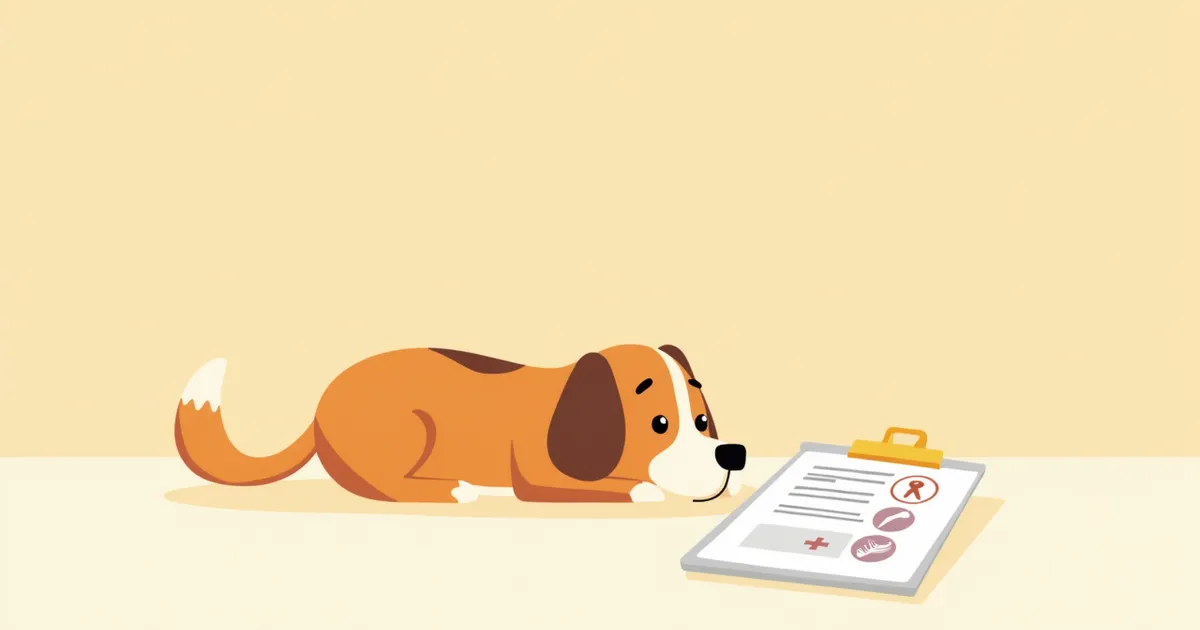
A medical illustration showing the process of bacterial invasion into a dog's urinary tract and kidneys.
Canine pyelonephritis, or bacterial kidney infection, is an inflammatory condition typically caused by bacteria such as E. coli, Staphylococcus, or Proteus ascending through the ureters to the kidneys. - Bacterial invasion: When a urinary tract infection is present, bacteria can travel up the ureters to the kidneys, triggering inflammation. - Compromised immunity: Senior dogs, as well as those with diabetes, Cushing’s disease, or weakened immune systems, are at higher risk of infection. - Urinary tract infections: Recurrent cystitis can progress to pyelonephritis. The cornerstone of treatment is identifying and addressing the underlying risk factors contributing to the infection. Diagnosis is confirmed through urinalysis, urine culture, and blood tests.

The Main Causes of Pyelonephritis Are the Spread of Urinary Tract Infections and Immune Suppression

The most common cause of pyelonephritis in dogs is the upward spread of urinary tract infections, such as cystitis, to the kidneys. When a urinary tract infection is present, bacteria can travel up the ureters to the kidneys, causing inflammation. - Spread of urinary tract infection: If cystitis is left untreated, it can progress to pyelonephritis. - Weakened immunity: Senior dogs, as well as those with diabetes, Cushing’s disease, or compromised immune systems, are more susceptible to infection. - Impact of underlying conditions: Conditions that cause dilute urine, such as chronic kidney disease or liver disease, and urinary tract tumors can also increase the risk. Regular health check-ups are essential for early detection. In particular, if your dog has recurrent urinary tract infections, it is crucial to have their kidney health evaluated.
A realistic illustration depicting a dog showing symptoms of fever and lethargy, along with its concerned owner.

Main Symptoms Include Fever, Difficulty Urinating, Abdominal Pain, and Decreased Appetite
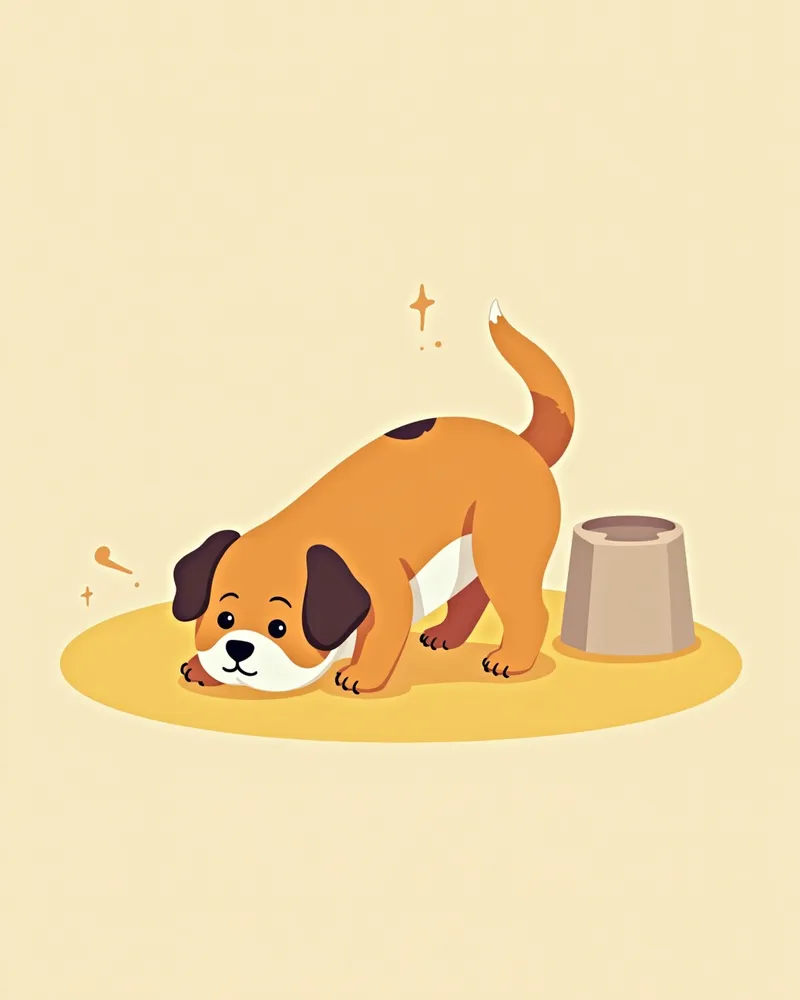
The most common signs of pyelonephritis in dogs include fever, pain during urination, frequent urges to urinate, abdominal pain, and decreased appetite. - Fever: An elevated body temperature may cause your dog to appear lethargic and weak. - Difficulty urinating: Your dog may strain without producing much urine or pass small amounts frequently. - Abdominal pain: Touching the abdomen or lower back may cause discomfort, leading to restricted movement. - Abnormal urine: Urine may appear cloudy or contain blood. - Loss of appetite: Your dog may refuse food, appear lethargic, or experience vomiting. All of these symptoms are signals that early diagnosis is essential.
An illustration depicting a dog crouching near the bathroom, showing signs of discomfort while urinating.

Emergency Signs Requiring Immediate Veterinary Visit

If your dog is showing signs of severe abdominal pain or is unable to urinate at all, you should take them to the vet immediately. These symptoms could indicate a ureteral obstruction or a sudden decline in kidney function. Delaying treatment can lead to kidney failure, so please be cautious.

Diagnosis Is Accurately Confirmed Through Blood Tests, Urinalysis, and Ultrasound
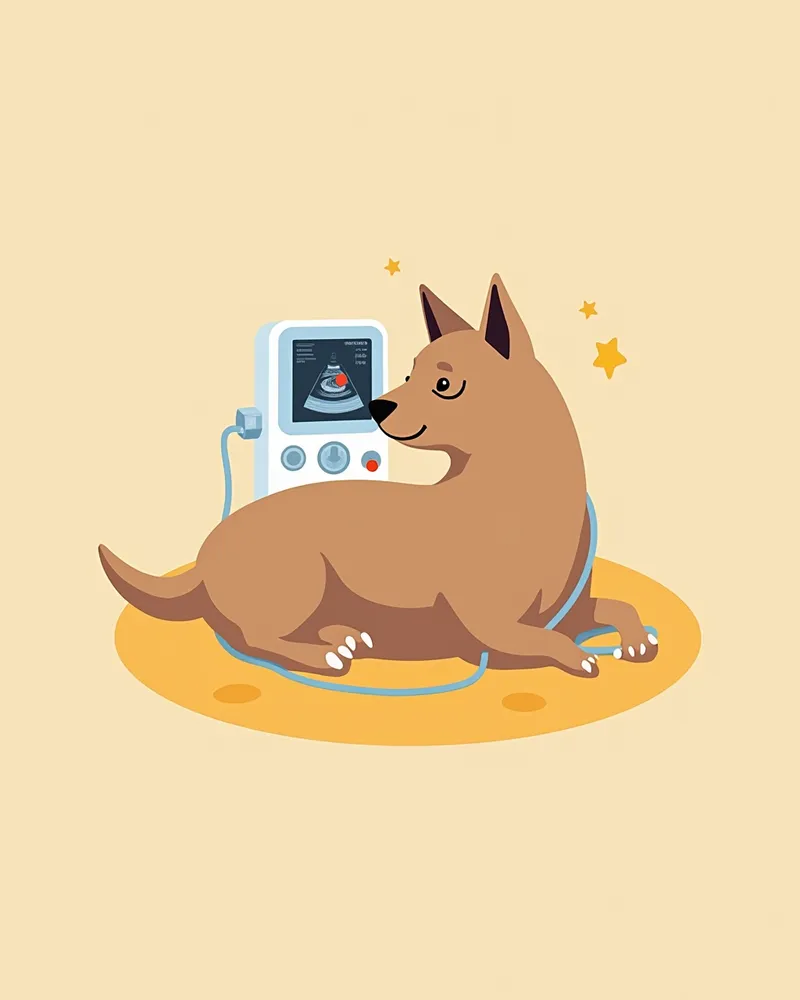
Pyelonephritis in dogs may show elevated white blood cell counts and increased creatinine levels on blood tests. - Blood tests: These help assess inflammatory response (leukocytosis) and kidney function (creatinine). - Urinalysis: The presence of white blood cells (pyuria), protein, or bacteria raises suspicion of pyelonephritis. - Urine culture: Identifies the specific bacteria involved, guiding appropriate antibiotic selection. - Ultrasound examination: Evaluates changes in kidney size, dilation of the renal pelvis, cortical abnormalities, and ureteral dilation. However, ultrasound alone is insufficient for a definitive diagnosis. - Comprehensive assessment: Since pyelonephritis cannot be confirmed by a single test, it is important to perform multiple tests during a veterinary visit for a thorough, integrated diagnosis.
A veterinarian performing an ultrasound examination on a dog’s abdomen, along with an image showing the inflammatory condition of the kidneys.

Treatment Proceeds in Stages with Antibiotics, Fluid Therapy, and Pain Management
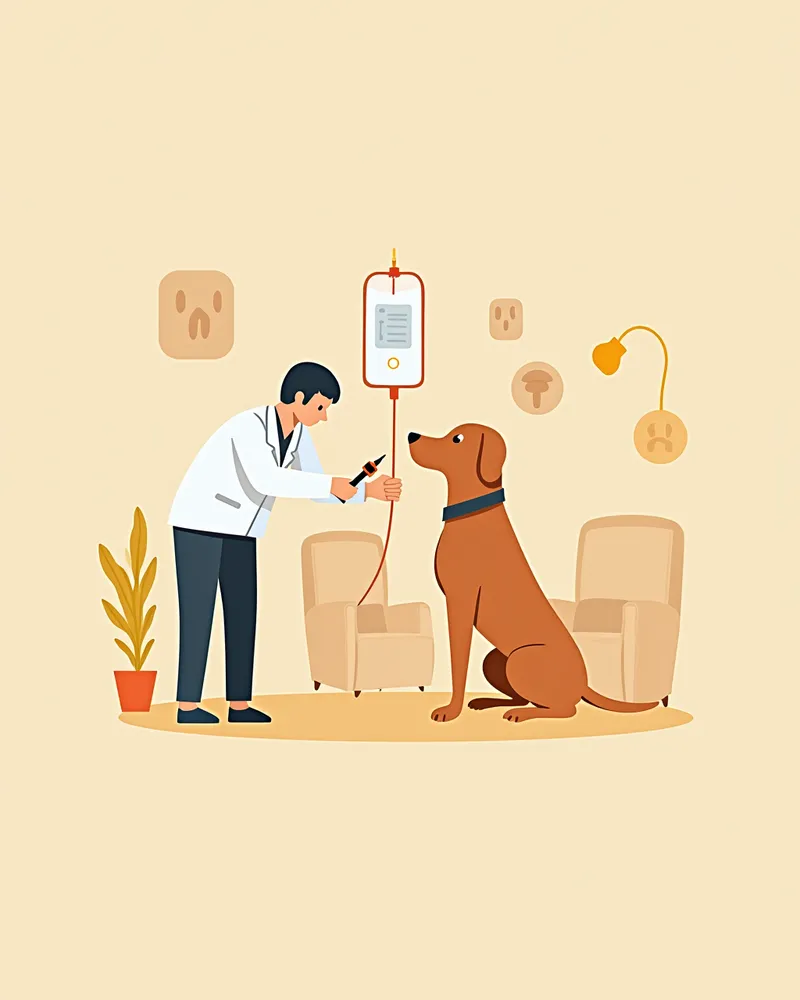
Treating pyelonephritis in dogs centers on using antibiotics to eliminate the bacteria. - Antibiotic therapy: Medication is tailored based on urine culture results and typically needs to be administered for several weeks to ensure adequate treatment. - Addressing underlying factors: Identifying and managing the underlying risk factors that caused the infection is crucial for successful treatment. - Fluid therapy: Intravenous fluids may be necessary to prevent dehydration and restore kidney perfusion. - Pain management: Pain relief helps alleviate abdominal discomfort and reduces the dog's distress. - Regular check-ups and medication adherence: Follow-up urine and blood tests are needed to monitor for recurrence. It is vital to complete the full course of medication, as stopping early can lead to the infection returning.
An illustration depicting a veterinarian administering an intravenous injection to a puppy at the clinic.

Home Care Centers on Medication Adherence and Increased Water Intake
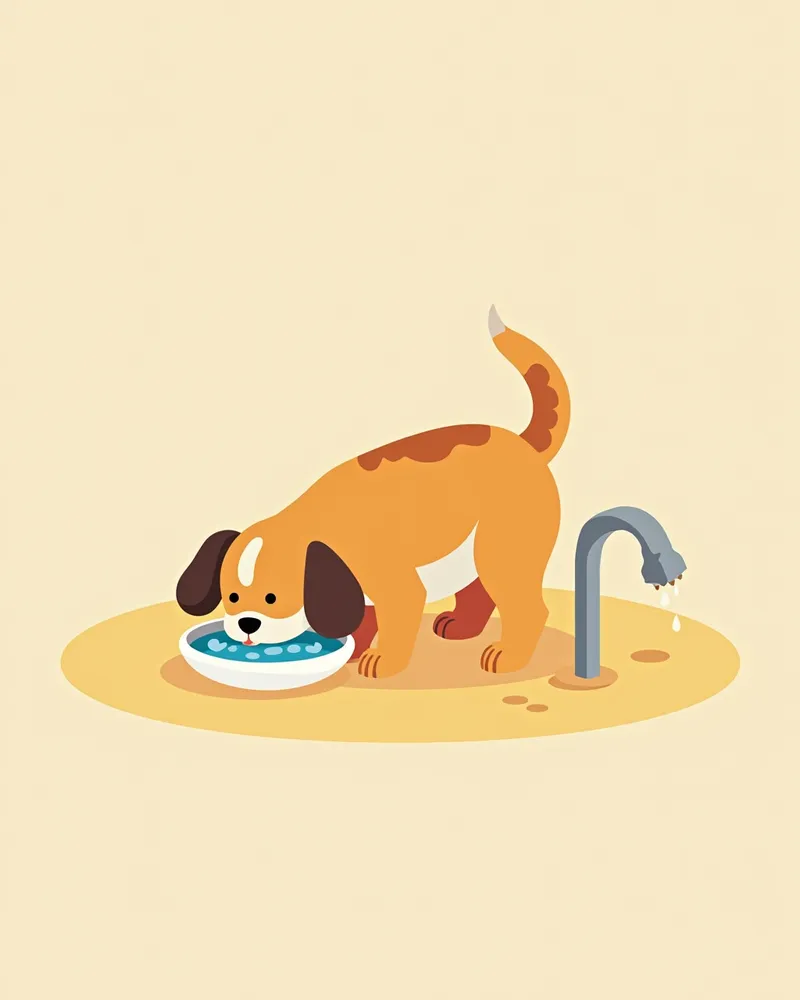
During your puppy’s recovery from pyelonephritis, it is essential to complete the full course of prescribed medication. - Medication adherence: Antibiotics must be taken for the entire prescribed duration to prevent recurrence. - Hydration: Encourage frequent water intake and consider supplementing fluids with wet food. - Dietary management: If kidney strain is a concern, consult your veterinarian about a renal prescription diet formulated with adjusted protein and phosphorus levels. - Activity management: Avoid excessive activity and allow your dog to rest in a comfortable environment. - Recurrence prevention: Regular urinalysis is necessary to prevent recurrent urinary tract infections. Ongoing care remains important even after veterinary visits.
A realistic illustration depicting a dog drinking water from a fountain.

Preventing Recurrence and Breed-Specific Precautions

Female dogs are more susceptible to urinary tract infections due to their shorter urethras, and breeds predisposed to ectopic ureters, such as Golden Retrievers, may face an even higher risk of infection. Furthermore, because recurrent pyelonephritis can lead to chronic kidney disease, regular veterinary check-ups are essential. To help prevent these issues, consistently monitor your pet’s hydration levels and have routine urine tests performed.

Reviewed by a veterinarian

Dr. Tony — Punnawat Phongkittirak

Dr. Tony — Punnawat Phongkittirak

Veterinarian

A veterinarian who majored in veterinary medicine at Khon Kaen University, Thailand, and completed the IVSA program at North Carolina State University in the United States. Drawing on clinical experience at animal hospitals, he works in the pet healthcare field and is dedicated to building a digital care environment that connects pet parents with veterinarians.

Frequently Asked Questions

Is pyelonephritis in dogs treatable?
Most cases respond well to antibiotic treatment, and the prognosis is generally favorable. However, because completely eradicating the infection can be challenging, early diagnosis, addressing underlying risk factors, and consistent medication adherence are crucial.
Can pyelonephritis recur?
Yes, recurrent urinary tract infections can increase the likelihood of relapse. Regular check-ups and proper hydration management are essential.
How long should my pet take the antibiotic?
Typically, the medication is taken for several weeks and adjusted based on urine culture results. Be sure to consult your veterinarian before stopping the medication.
What preventive measures can I take at home?
Always provide fresh, clean water in ample amounts, keep the litter box clean, and encourage your pet to urinate frequently.
What happens if pyelonephritis becomes chronic?
It can progress to chronic kidney disease. In such cases, your veterinarian will recommend a tailored diet and medication.

Share

Related Guides

References

[1] Plumb's Veterinary Drug Handbook, 9th Edition, 2022

[2] Small Animal Internal Medicine, 6th Edition, 2021

[3] Veterinary Clinical Medicine of the Dog and Cat, 2nd Edition, 2020

This information is based on veterinary literature and does not replace diagnosis or treatment. Please consult a veterinarian for specific health concerns.

Metapet Co., Ltd. | CEO: Park Sung-yong | Business Reg. No. 417-88-02562 | Seoul, South Korea | Customer Center

Dog Fever and Back Pain: Pyelonephritis Symptoms and Treatment | Meongsiljang