Like
Share
멍실장
강아지 심장 초음파(에코) 검사 증상과 원인, 진단·치료와 관리 포인트 총정리

Canine Cardiac Ultrasound (Echocardiogram) — A Complete Guide from Timing to Early Detection of Heart Disease

HeartDiseasesMeongsiljang Veterinary Advisory Board

Echocardiography (ultrasound) is a key diagnostic tool for precisely evaluating your dog’s heart structure and function. If you notice irregular heartbeats, difficulty breathing, or unusual fatigue, it’s important to consider this test right away.

What is a Canine Cardiac Ultrasound (Echocardiogram)?
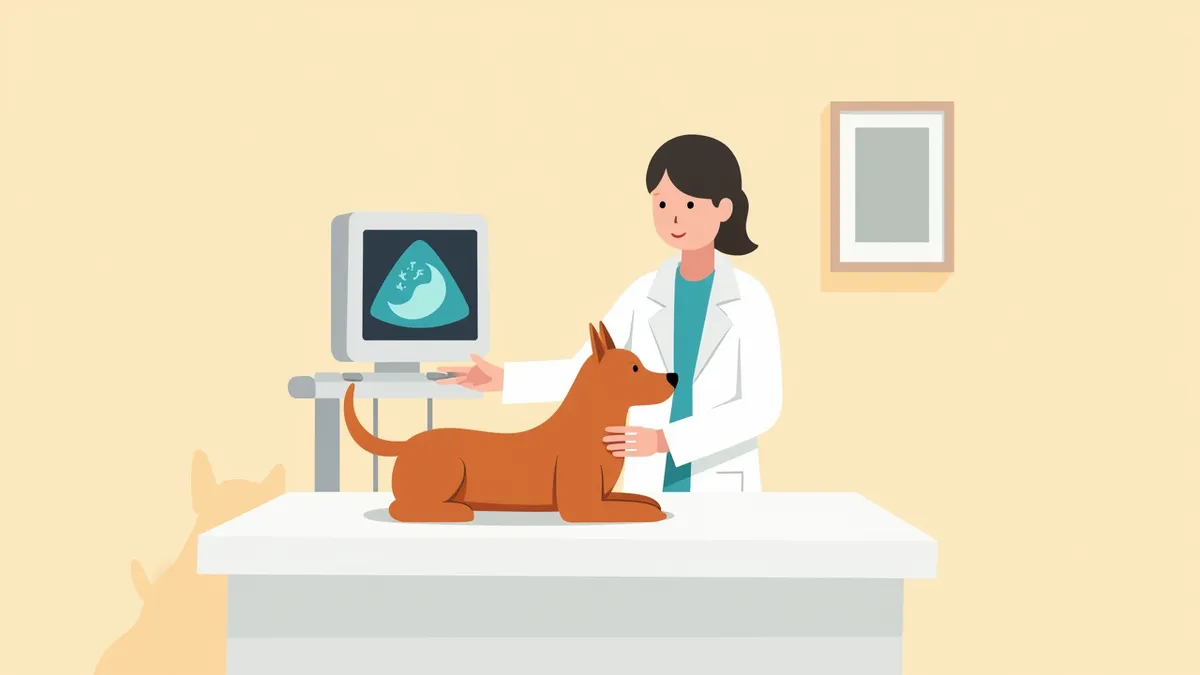
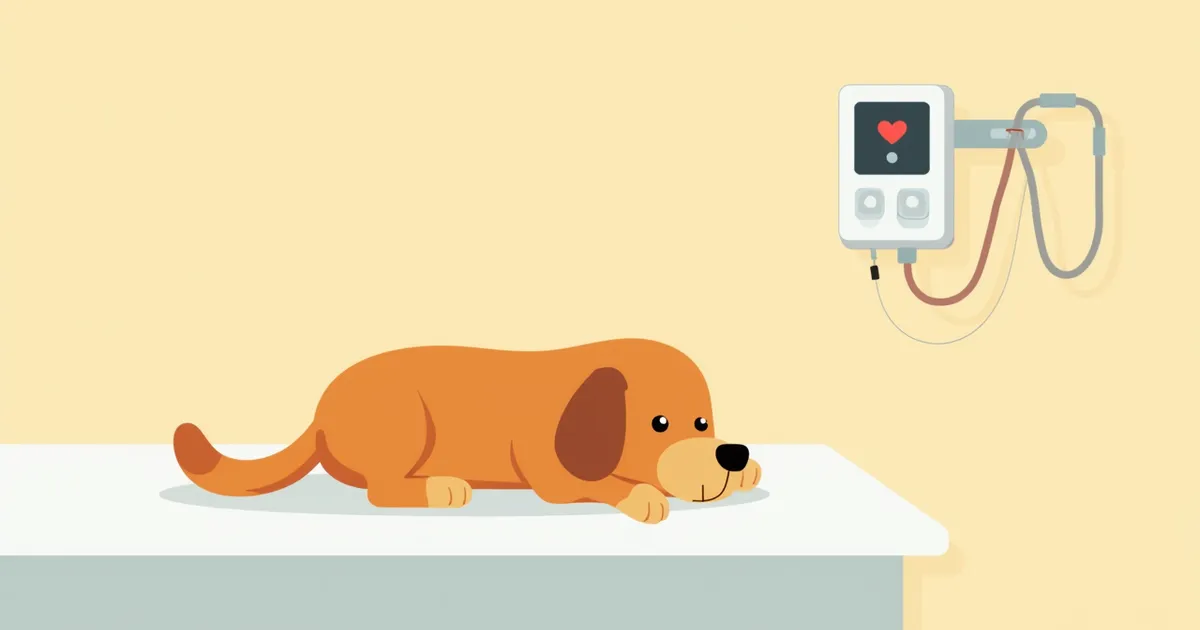
A veterinarian checking a puppy's heart ultrasound in real time
A canine cardiac ultrasound is a key diagnostic tool that allows for precise, non-invasive observation of the heart’s structure, motion, and blood flow. This test is essential when symptoms such as abnormal heart rhythms, difficulty breathing, or lethargy appear. - Assessment of cardiac structure: Real-time evaluation of heart size, wall thickness, and valve function. - Analysis of blood flow: Visualization of blood movement within the heart to identify abnormalities. - Functional evaluation: Quantitative measurement of the heart’s contractility and relaxation capacity. - Non-invasive safety: The procedure can be performed without anesthesia, minimizing stress on the dog. Results are interpreted immediately, providing critical baseline data to guide treatment decisions.

Main Reasons for a Cardiac Ultrasound Examination
If your dog shows symptoms that suggest possible heart dysfunction, an echocardiogram (heart ultrasound) is necessary. - Irregular heartbeat: A heart rate that is too fast or irregular may indicate an arrhythmia. - Difficulty breathing: Persistent shortness of breath or labored breathing even at rest strongly suggests reduced cardiac function. - Fatigue and decreased activity: If your dog tires more easily than usual or refuses walks, the heart may not be pumping blood effectively. - Coughing and pulmonary edema: An enlarged heart can compress the airways, or fluid may accumulate in the lungs, leading to coughing. - Abdominal swelling: Right-sided heart failure can cause fluid to build up in the abdomen, resulting in a swollen belly (ascites). Early screening is essential for senior dogs and breeds at higher risk for heart disease.
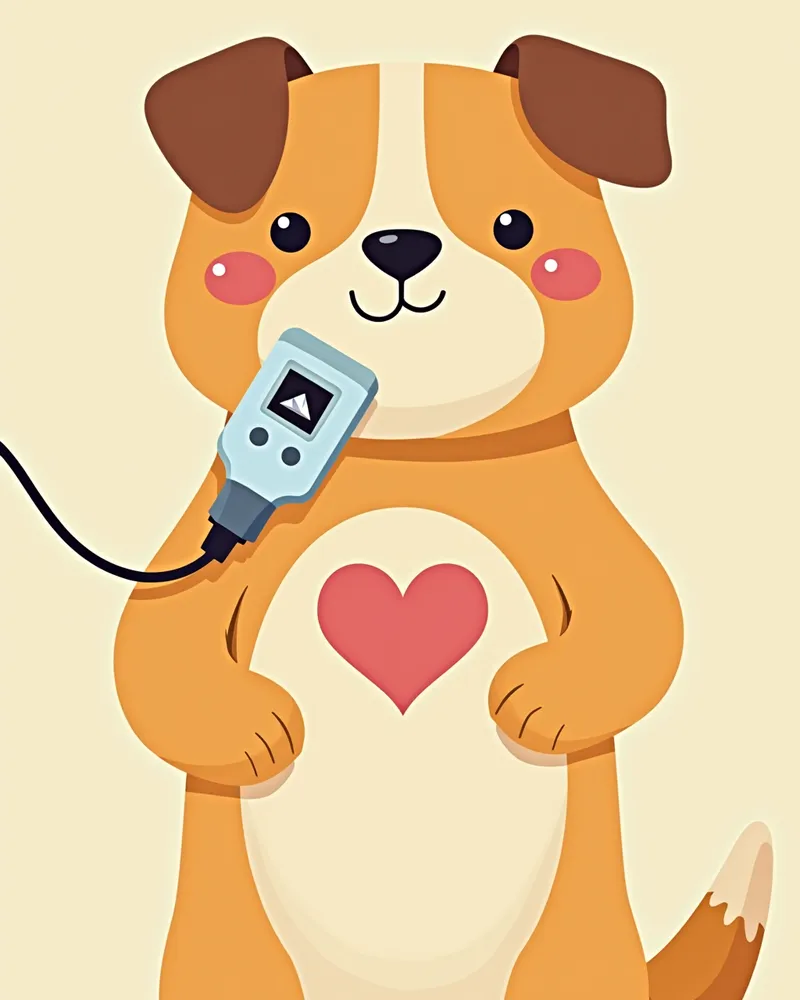
A scene showing an ultrasound probe being placed on a puppy’s chest to capture images of the heart structure.

Key Symptoms Assessed in a Cardiac Ultrasound Examination
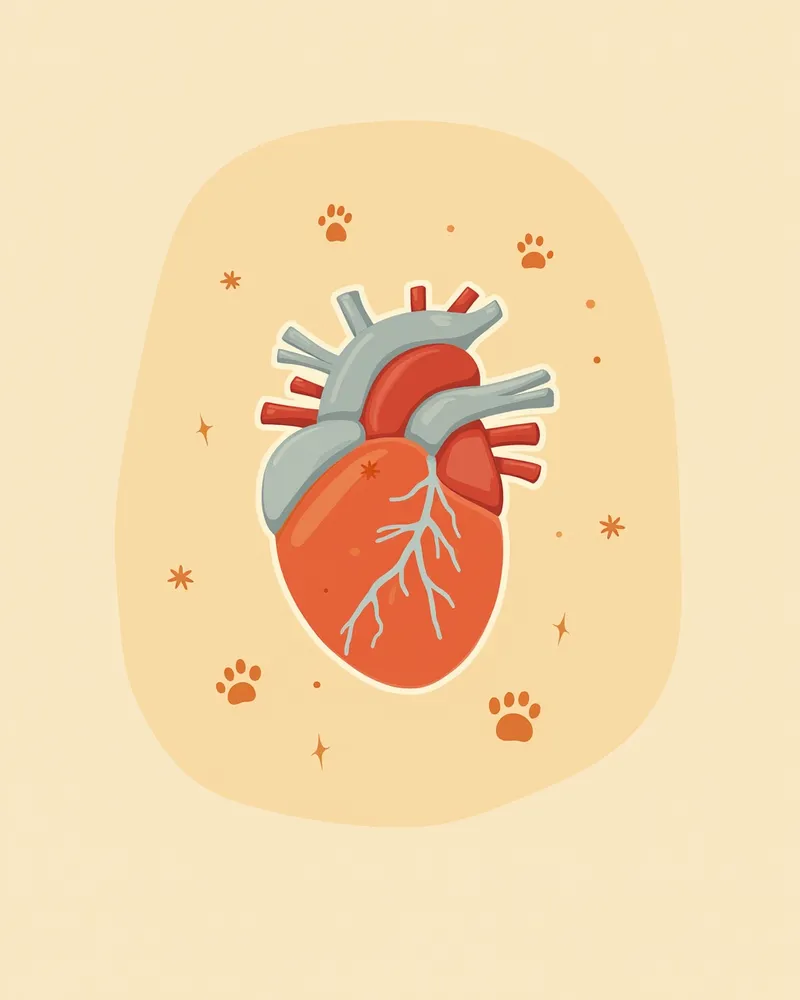
An echocardiogram allows for a precise assessment of abnormalities in heart structure and function. The following signs may indicate the possibility of heart disease.
Abnormal heart size: An abnormally enlarged heart can be a sign of heart disease or heart failure.
Increased heart wall thickness: Thickening of the heart muscle (hypertrophy) can lead to impaired heart function.
Heart valve abnormalities: Valves that do not close or open properly can cause blood flow disturbances.
Reduced heart function: This refers to the heart's inability to pump blood effectively.
Fluid accumulation around the heart: Fluid buildup around the heart (pericardial effusion) can put pressure on the heart.
Early detection of these abnormalities improves the success rate of treatment.
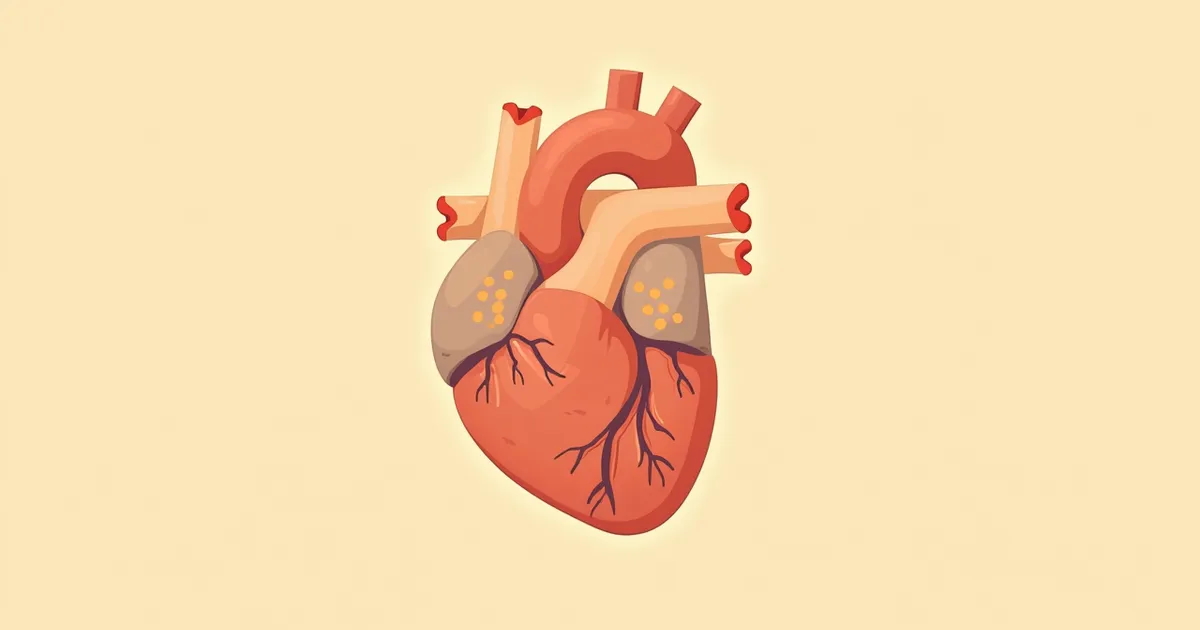
An image from a cardiac ultrasound showing the heart’s structures and any abnormal areas.

Symptoms Requiring Immediate Veterinary Visit

If your dog suddenly experiences difficulty breathing, coughing, collapsing, or bluish discoloration of the lips or inside of the mouth, you should go to the vet immediately. These are signs of a sudden decline in heart function or heart failure, so an echocardiogram should be performed without delay.

Diagnostic Procedure for Cardiac Ultrasound Examination
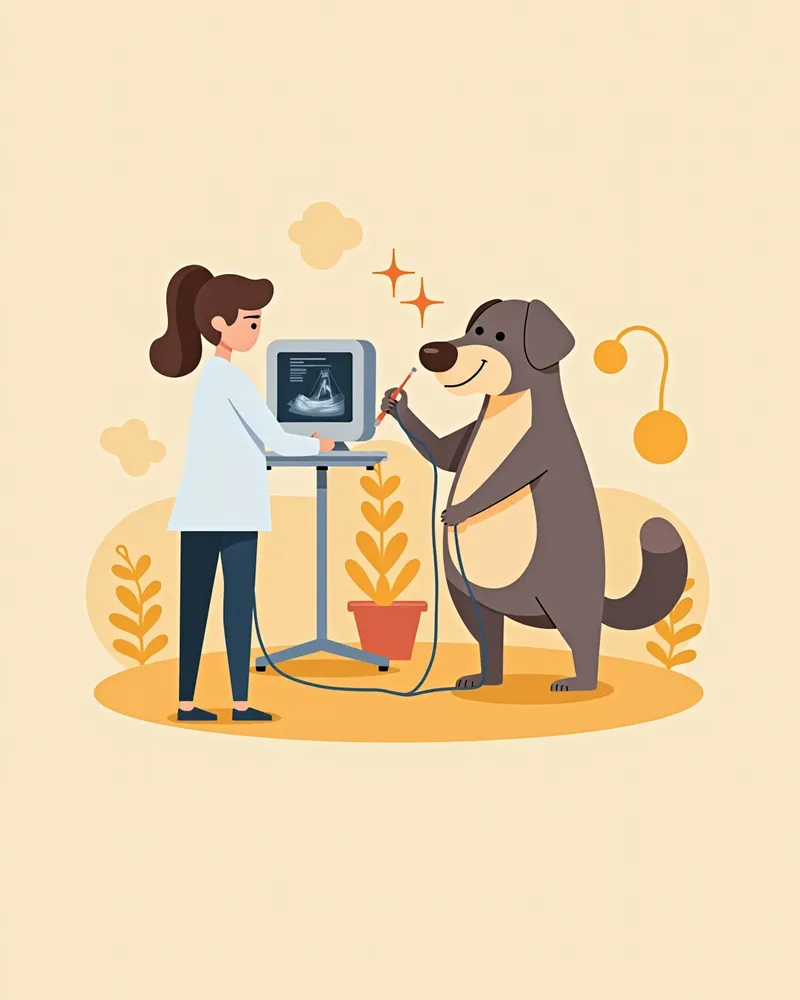
An echocardiogram is a non-invasive procedure in which the veterinarian gently places an ultrasound probe on your dog’s chest to observe real-time images of the heart. No special fasting or preparation is required beforehand, making it a low-stress experience. If your dog becomes anxious, we will soothe them with gentle reassurance, and if necessary, administer light sedation to ensure a calm and stable environment for the examination. During the test, we carefully analyze the heart’s structure, wall thickness, valve motion, and blood flow patterns. Based on the imaging data, the veterinarian evaluates cardiac function and promptly identifies any abnormalities. The procedure typically takes 20 to 30 minutes, and most dogs tolerate it well.
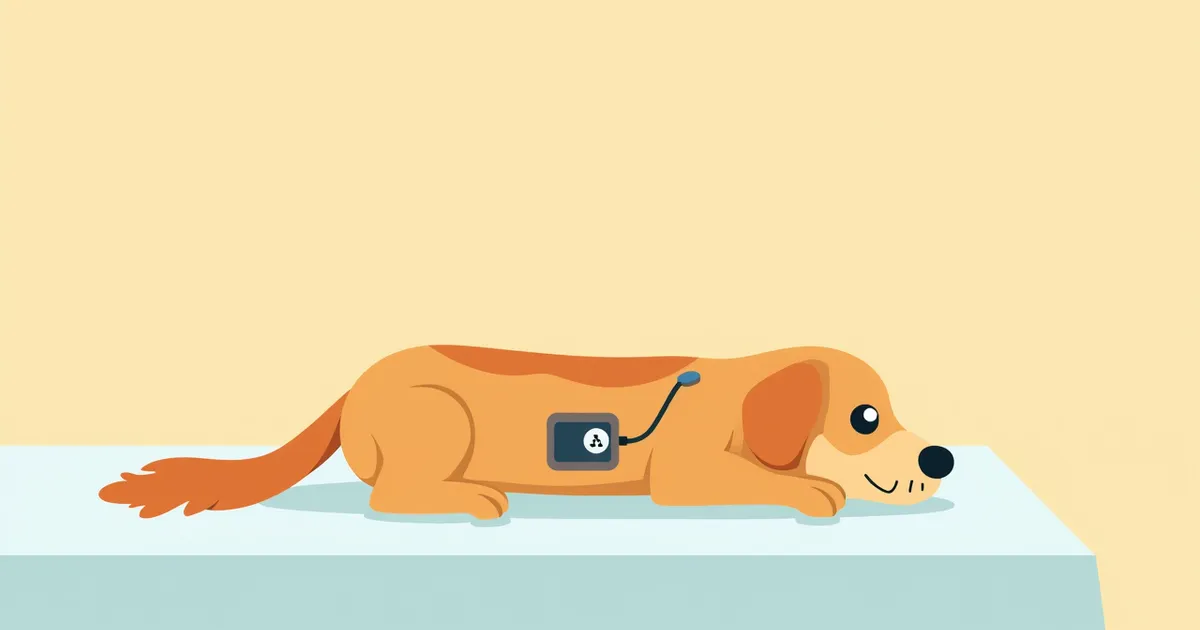
A veterinarian places an ultrasound probe on a puppy’s chest to examine the images.

Treatment Methods After Cardiac Ultrasound Examination
Based on the echocardiogram results, your veterinarian will create a personalized treatment plan. - Medication: Drugs such as diuretics, ACE inhibitors, spironolactone, and pimobendan are used to support heart function and reduce fluid buildup. - Dietary Management: A low-sodium, low-fat diet helps reduce the workload on the heart. - Lifestyle Management: Avoid excessive exercise and minimize stress. - Regular Follow-up Exams: Periodic echocardiograms are performed to monitor treatment effectiveness. - Arrhythmia Management: If abnormal heart rhythms are present, appropriate antiarrhythmic therapy is administered based on the specific type of arrhythmia. Treatment is flexibly adjusted according to each patient’s individual condition.
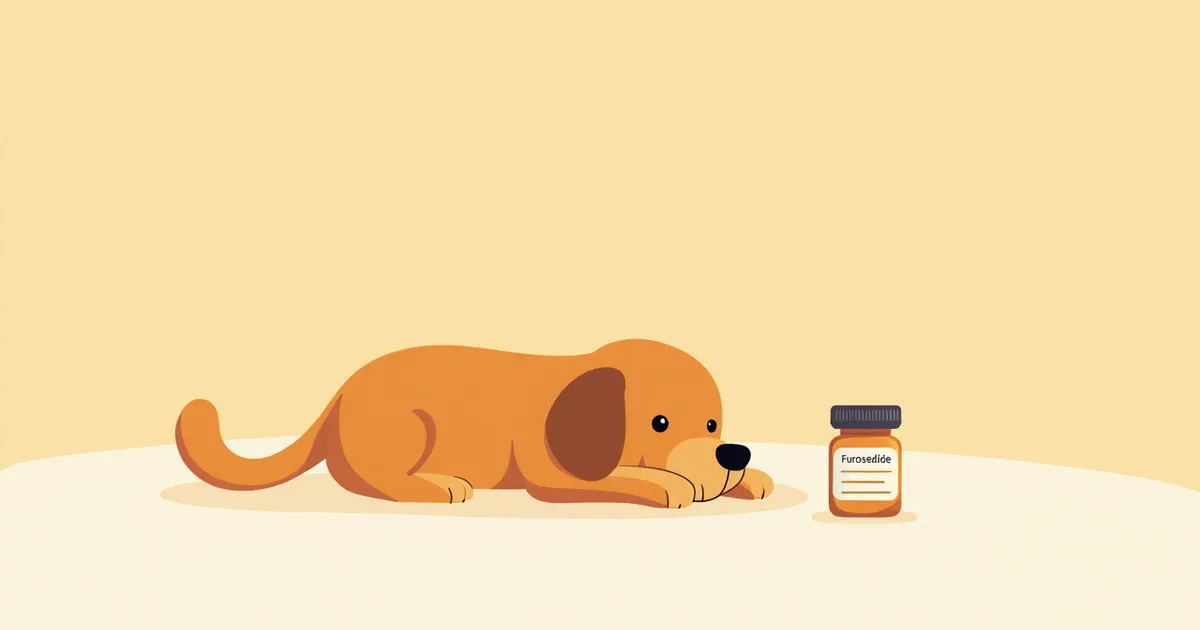
A puppy receiving heart medication from a veterinarian

Key Points for Managing Heart Health at Home

After an echocardiogram, daily care is crucial. Please adhere to the following guidelines:
Regular Medication Administration: Administer medications at the correct times and dosages as directed by your veterinarian.
Dietary Management: A low-sodium, low-fat diet is recommended. Consult with your veterinarian to determine the appropriate diet plan.
Activity Regulation: Avoid excessive exercise and maintain walks at a moderate level.
Weight Management: Obesity increases the burden on the heart. Maintain a stable weight.
Regular Check-ups: Monitor heart condition every 3 to 6 months to enable early detection of abnormalities.
A puppy taking a quiet walk under the guidance of a veterinarian.

Certain Breeds Have a Higher Risk of Heart Disease

Certain breeds, such as Cavalier King Charles Spaniels, Irish Wolfhounds, Boxers, Great Danes, and Doberman Pinschers, are genetically predisposed to heart disease. Since there is currently no definitive genetic test to identify this risk in these breeds, it is advisable to have an echocardiogram at least once a year for early detection. Early diagnosis and management can help slow the progression of the disease.

Reviewed by a veterinarian

Dr. Tony — Punnawat Phongkittirak

Dr. Tony — Punnawat Phongkittirak

Veterinarian

A veterinarian who majored in veterinary medicine at Khon Kaen University, Thailand, and completed the IVSA program at North Carolina State University in the United States. Drawing on clinical experience at animal hospitals, he works in the pet healthcare field and is dedicated to building a digital care environment that connects pet parents with veterinarians.

Frequently Asked Questions

Does an echocardiogram hurt?
It doesn’t hurt. Ultrasound is a non-invasive test that doesn’t cause pain. If your dog is nervous, we may use mild sedation.
How long does the test take?
It usually takes about 20 to 40 minutes. You can check the results immediately after the test.
Is fasting required before an echocardiogram?
Usually, it's not necessary. However, fasting may be required as directed by your veterinarian. Please confirm in advance.
What should I do if the test results are unfavorable?
Work with your veterinarian to create a treatment plan. Management may include medication, dietary adjustments, and regular check-ups.
How often should an echocardiogram be performed?
The frequency depends on the severity and nature of the condition. In general, we recommend regular check-ups every six months to a year.

Share

Related Guides

References

[1] Textbook of Cardiovascular Medicine in Dogs and Cats, 2022

[2] Small Animal Critical Care Medicine, 3rd Ed, 2021

[3] Feline Emergency and Critical Care Medicine, 2nd Ed, 2020

This information is based on veterinary literature and does not replace diagnosis or treatment. Please consult a veterinarian for specific health concerns.

Metapet Co., Ltd. | CEO: Park Sung-yong | Business Reg. No. 417-88-02562 | Seoul, South Korea | Customer Center

Dog Echocardiogram Guide: Timing to Early Heart Disease Detection | Meongsiljang