Like
Share
멍실장
강아지 에를리히아감염증 증상과 감염 경로, 치료·예방법 총정리

Canine Ehrlichiosis: Symptoms, Transmission Routes, and Treatment & Prevention Guide

Infection/ParasitesDiseasesMeongsiljang Veterinary Advisory Board

Canine ehrlichiosis is an infectious disease caused by Ehrlichia bacteria entering blood cells through tick bites. It can progress from early symptoms like fever and lethargy to chronic bleeding disorders, making early diagnosis and antibiotic treatment essential.

What is Canine Ehrlichiosis?
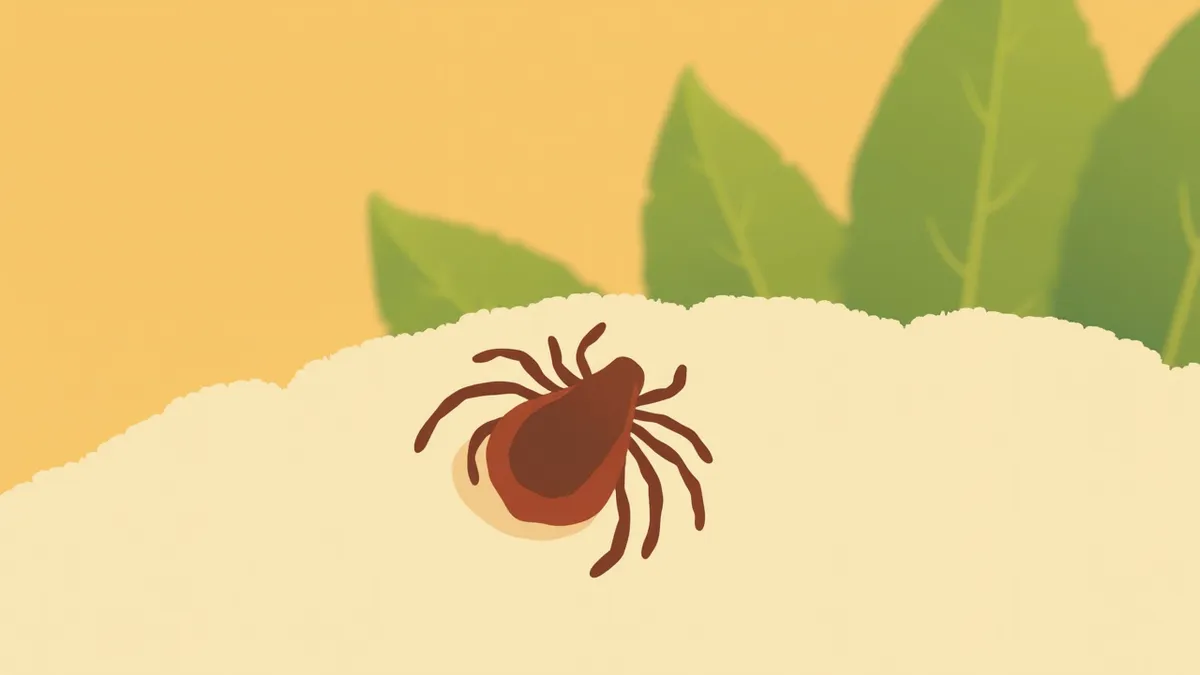
A brown dog tick attached to a puppy’s skin and feeding on its blood
Canine ehrlichiosis is an infectious disease caused by Ehrlichia bacteria, which are transmitted by ticks and invade a dog’s blood cells. The brown dog tick (Rhipicephalus sanguineus) is the primary vector, spreading the bacteria while feeding on blood. What’s especially important to know is that early symptoms can resemble a simple fever, but if treatment is delayed, platelet counts can drop sharply, leading to spontaneous bleeding and bone marrow suppression. In Korea, cases are consistently reported during the spring-to-autumn tick season, making early detection and prevention absolutely essential.

How is it Transmitted? — Causes and Transmission Routes

The primary cause of ehrlichiosis is Ehrlichia canis, an intracellular bacterium that resides within monocytes, a type of white blood cell in dogs. This pathogen is transmitted into the bloodstream when an infected brown dog tick (Rhipicephalus sanguineus) attaches to the skin and feeds. In the early stages of infection, nonspecific symptoms such as fever, lethargy, loss of appetite, and swollen lymph nodes often appear first, which is why many owners discover the infection only after the fact if they haven't noticed the tick. Additionally, the disease can be transmitted through blood transfusions from infected donors, so testing donor dogs before transfusion is recommended. Always carefully inspect your dog's entire body after walks in grassy areas, mountains, or parks.

What Symptoms Appear? — Stage-by-Stage Checklist
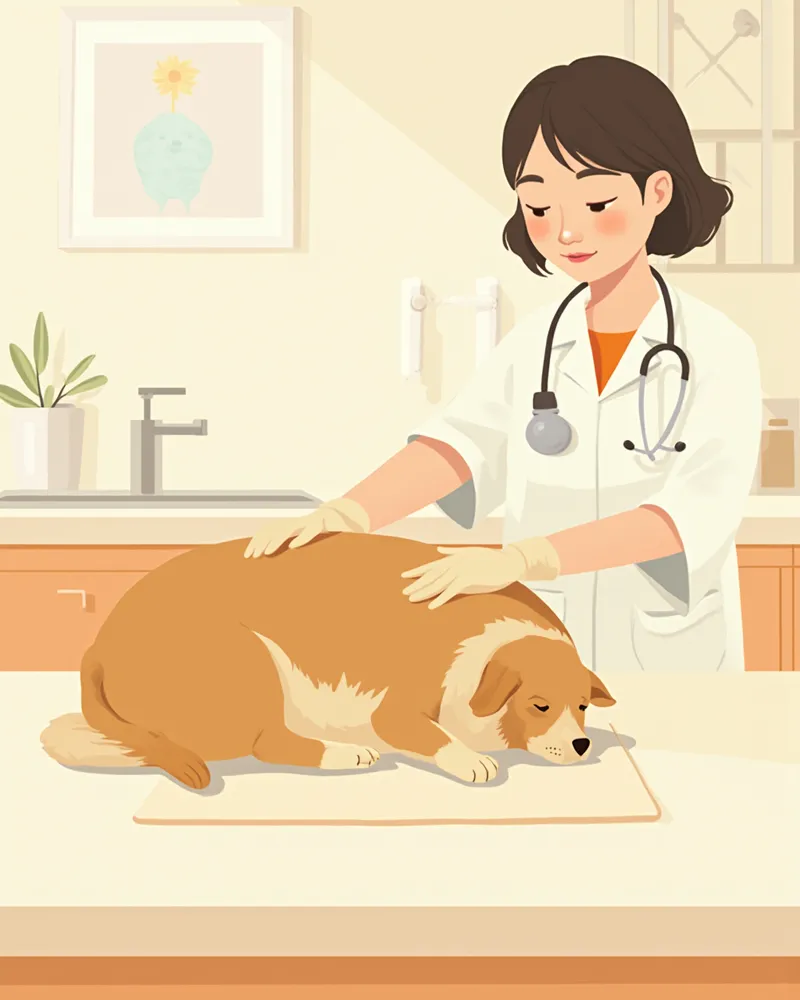
Ehrlichiosis progresses through three stages: acute, subclinical (latent), and chronic.
Fever: High fever, accompanied by lethargy, is often the first non-specific symptom observed.
Lethargy and loss of appetite: Activity levels drop significantly compared to normal, and the pet may refuse food.
Lymph node swelling: Lymph nodes in the neck and armpit areas become enlarged enough to be felt.
Petechiae and bruising: Due to low platelet counts, red spots may appear on the gums and the whites of the eyes, and bruises may form on the skin.
Nosebleeds and blood in urine: Abnormal bleeding can occur as a result of low platelet counts.
Weight loss: Significant weight loss is particularly noticeable during the chronic stage.
Eye discharge and redness: Ocular symptoms such as uveitis may occur (usually affecting both eyes), with eye lesions reported in approximately 10–37% of cases.
Examination of a puppy showing gum abnormalities due to Ehrlichia infection

Go to the Emergency Clinic Immediately for These Symptoms!

If your pet’s gums become pale or white, if nosebleeds, bloody stools, or blood in the urine don’t stop, or if they suddenly collapse or have seizures, you should go to an emergency veterinary clinic immediately. A rapid drop in platelets can lead to internal bleeding, so time is critical.

How is it Diagnosed at the Veterinary Clinic?

Diagnosing ehrlichiosis involves using multiple tests together.
Complete Blood Count (CBC): Checks for non-regenerative anemia, thrombocytopenia, and changes in white blood cell counts.
PCR Test: Directly detects Ehrlichia DNA, offering high reliability for early-stage infection diagnosis.
Serum Antibody Test: Yields positive results after antibodies have formed (seroconversion), making it particularly valuable for diagnosing the chronic stage.
Blood Smear Test: Directly visualizes bacterial clusters (morulae) within monocytes under a microscope.
While PCR testing is highly reliable in the early stages of symptoms, antibody tests may still confirm infection even if PCR results are negative during the chronic stage. Depending on the test results, additional organ function tests, such as those for kidney and liver health, may be necessary.

Treatment — It Can Be Fully Cured with Antibiotics
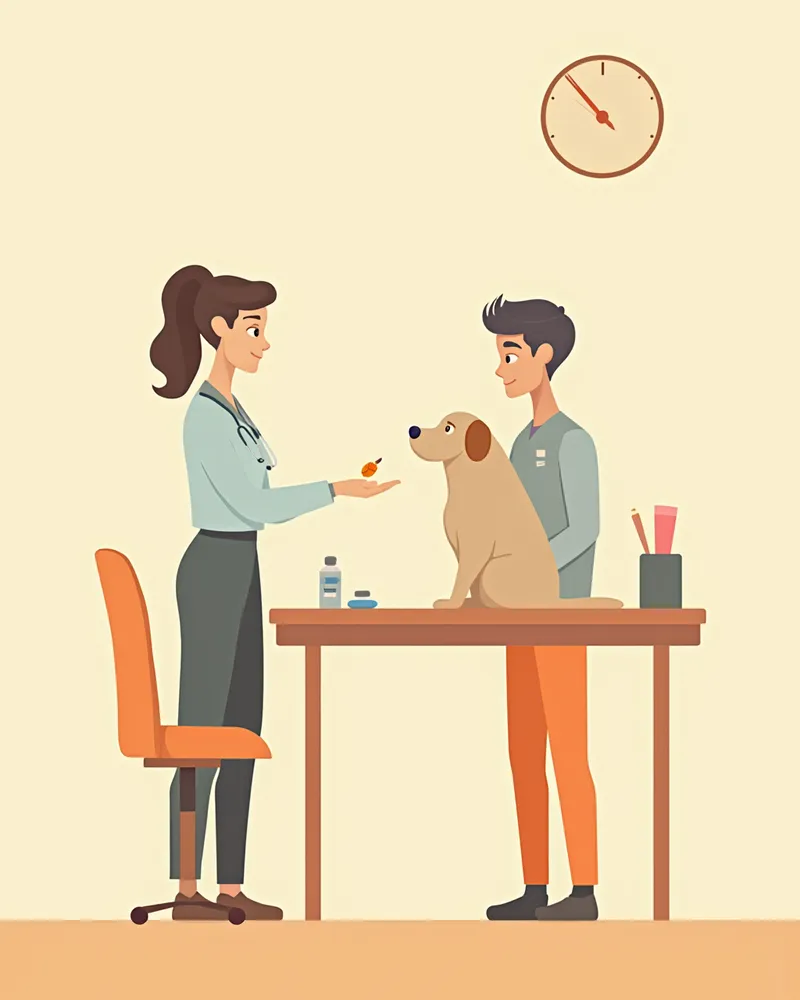
The primary treatment for Ehrlichia infection is doxycycline. Your veterinarian will determine the appropriate dosage and schedule based on your dog’s weight and condition, with a typical course lasting about four weeks (approximately 28 days).
Acute stage: Most dogs recover quickly with doxycycline alone.
Chronic or severe cases: Supportive care, such as fluid therapy or blood transfusions, may be administered alongside medication, tailored to your dog’s condition.
Severe bleeding or anemia: Additional supportive treatments may be provided at the veterinarian’s discretion.
Stopping the medication prematurely can increase the risk of relapse, so it is crucial to complete the full course as directed by your veterinarian.
Consultation for doxycycline prescription to treat Ehrlichia infection

How to Manage at Home?

Here are the key care points to keep in mind at home during the treatment period. Administer medication after meals: Doxycycline can irritate the stomach, so it is essential to give it after eating. Limit activity: During the chronic stage or when there is a risk of bleeding, reduce vigorous play. Maintain appetite: Offer easily digestible, highly palatable food to help maintain your pet's appetite. Regular blood rechecks: It is important to monitor changes in blood values every 2 to 4 weeks. Continue tick prevention: Keep using preventive medication throughout treatment to prevent reinfection.
A pet owner administering Ehrlichia infection medication to their dog at home

Tick Prevention is the Best Defense — No Vaccine is Available Yet

There is currently no vaccine available to prevent Ehrlichia infection. The most effective preventive measure is the consistent monthly use of tick preventatives. From spring to autumn (March through November), please carefully check your pet’s inner ears, between the toes, armpits, and groin after walks. If you find a tick, do not pull it off with your bare hands; instead, remove it completely, including the head, using a dedicated tick remover or have it removed at a nearby veterinary clinic.

Reviewed by a veterinarian

Dr. Tony — Punnawat Phongkittirak

Dr. Tony — Punnawat Phongkittirak

Veterinarian

A veterinarian who majored in veterinary medicine at Khon Kaen University, Thailand, and completed the IVSA program at North Carolina State University in the United States. Drawing on clinical experience at animal hospitals, he works in the pet healthcare field and is dedicated to building a digital care environment that connects pet parents with veterinarians.

Frequently Asked Questions

Can Ehrlichia infection be transmitted to humans?
While direct transmission of Ehrlichia canis from dogs to humans is rare, people can still contract other Ehrlichia species through tick bites. Therefore, it’s important for both pets and their owners to take preventive measures against tick exposure.
Can it be completely cured with treatment?
If detected in the acute stage and treated with antibiotics, most pets make a full recovery. However, if the condition has progressed to the chronic stage, the immune response may be insufficient, leading to a prolonged recovery period, and in some cases, complete recovery may be difficult. Early detection is key.
How long after discovering a tick does infection occur?
Ehrlichia bacteria are transmitted into a dog’s bloodstream when an infected tick attaches and feeds. Therefore, promptly checking your dog’s entire body after walks and removing any ticks can significantly reduce the risk of infection.
Which tick preventive medication is effective?
Both oral preventatives (containing ingredients such as afoxolaner and fluralaner) and topical treatments are effective. The best choice for your pet depends on their weight and overall health, so it’s best to consult with your veterinarian to determine the most suitable option.
Can my pet be reinfested with ticks if bitten again after treatment?
Yes, even after a full recovery from Ehrlichia infection, your pet can be reinfected if bitten by a tick again. That’s why it’s important to consistently use tick preventive medication even after recovery.

Share

Related Guides

References

[1] Greene CE (ed.), Infectious Diseases of the Dog and Cat, 4th Ed, Elsevier Saunders, 2012

[2] Neer TM, Breitschwerdt EB, Greene RT, Lappin MR, Consensus Statement on Ehrlichial Disease of Small Animals from the Infectious Disease Study Group of the ACVIM, Journal of Veterinary Internal Medicine, 2002

[3] Wilson HE, Mugford AR, Humm KR et al., Ehrlichia canis infection in a dog with no history of travel outside the United Kingdom, Journal of Small Animal Practice 54, 2013

[4] Ettinger SJ, Feldman EC, Cote E (eds.), Textbook of Veterinary Internal Medicine, 8th Ed, Elsevier, 2017

This information is based on veterinary literature and does not replace diagnosis or treatment. Please consult a veterinarian for specific health concerns.

Metapet Co., Ltd. | CEO: Park Sung-yong | Business Reg. No. 417-88-02562 | Seoul, South Korea | Customer Center

Canine Ehrlichiosis: Symptoms, Transmission & Treatment Guide | Meongsiljang