
Like
Share
멍실장
강아지 심장 질환 운동 제한 증상과 원인, 진단·치료와 관리 포인트 총정리

Is It Safe to Walk My Dog with Heart Disease? — Exercise Restriction Guidelines and Warning Signs

HeartDiseasesMeongsiljang Veterinary Advisory Board

Exercise restrictions for dogs with heart disease are necessary when declining heart function makes excessive activity dangerous. Accurate diagnosis and proper management are essential.

What Are Exercise Restrictions for Dogs with Heart Disease?

An image of a puppy wearing a heart monitor while being examined by a veterinarian.
Exercise restrictions for dogs with heart disease refer to limiting physical activity when the heart’s weakened function makes exertion a strain on the organ. This occurs when the heart can’t pump blood effectively, leading to symptoms such as difficulty breathing, fatigue, and fainting. - Reduced cardiac function: Weakened heart muscle or valve abnormalities impair the heart’s ability to pump blood efficiently. - Increased cardiac workload: Excessive activity raises the heart rate and increases blood flow to the lungs, worsening breathing difficulties. - Risk of symptom progression: Continuing normal activity without exercise restrictions can accelerate the progression to heart failure. - Importance of management: Follow your veterinarian’s guidance to adjust exercise levels and monitor your dog’s condition through regular check-ups.

What Are the Main Causes of Exercise Restrictions?
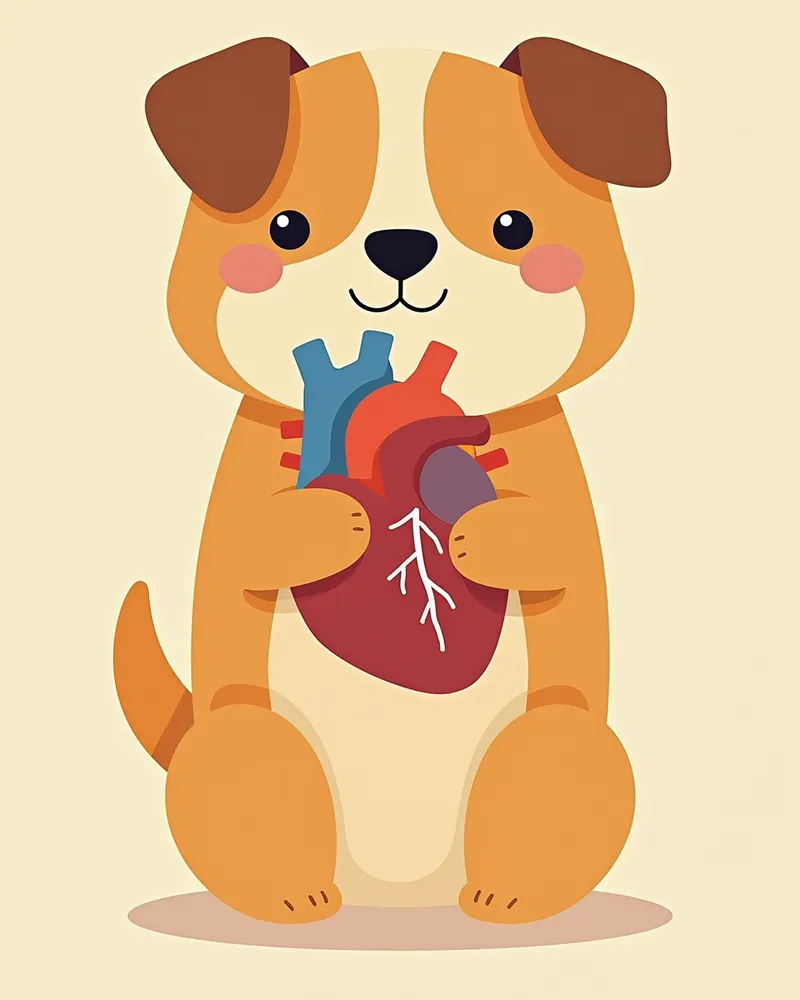
The main reasons for restricting exercise in dogs with heart disease are weakened heart muscle or abnormal electrical rhythms. - Cardiomyopathy (Dilated Cardiomyopathy): The most common form of cardiomyopathy in dogs is dilated cardiomyopathy, a condition in which the heart muscle’s contractile strength declines and the heart chambers enlarge, leading to impaired pumping function. - Valvular Heart Disease: This occurs when heart valves fail to close properly, causing blood to flow backward; it most commonly affects the mitral valve between the left atrium and left ventricle. - Genetic Factors: Large breeds such as Doberman Pinschers, Great Danes, and Irish Wolfhounds are at higher risk for dilated cardiomyopathy, while small breeds like terriers are more prone to mitral valve disease. - Progression to Heart Failure: When the heart fails to function properly over an extended period, it impacts the entire circulatory system, resulting in a sharp decline in exercise tolerance. - Arrhythmias: If electrical rhythm disturbances such as ventricular arrhythmias are present, the risk of fainting or sudden death increases, requiring extra caution during physical activity.
A medical illustration image showing abnormalities in heart structure

What Are the Main Symptoms of Exercise Restrictions for Heart Disease?
The main signs that a dog with heart disease should limit exercise include excessive fatigue after activity, difficulty breathing, coughing, fainting, and irregular heartbeats. Pay close attention if your dog is out of breath after a walk or needs unusually long periods to rest while sitting. In severe cases, acute symptoms such as cardiac arrest can occur, making early detection crucial.
Excessive fatigue after exercise: The dog remains inactive and rests all day, even after a short walk.
Difficulty breathing: The dog breathes rapidly or pants with its mouth open.
Coughing: Coughing that recurs, especially at night or after exercise.
Fainting: Sudden collapse or loss of consciousness.
Irregular heartbeat: A sensation of the heart beating too fast or skipping beats.
An image of a dog resting due to shortness of breath caused by heart problems.

Symptoms Requiring Immediate Veterinary Visit

If your dog suddenly collapses, foams at the mouth, or experiences a rapid or stopped heartbeat, seek immediate veterinary care. These symptoms may indicate an impending cardiac arrest or heart failure. Prompt diagnosis and treatment by a veterinarian can be life-saving.

Diagnostic Tests for Accurate Diagnosis
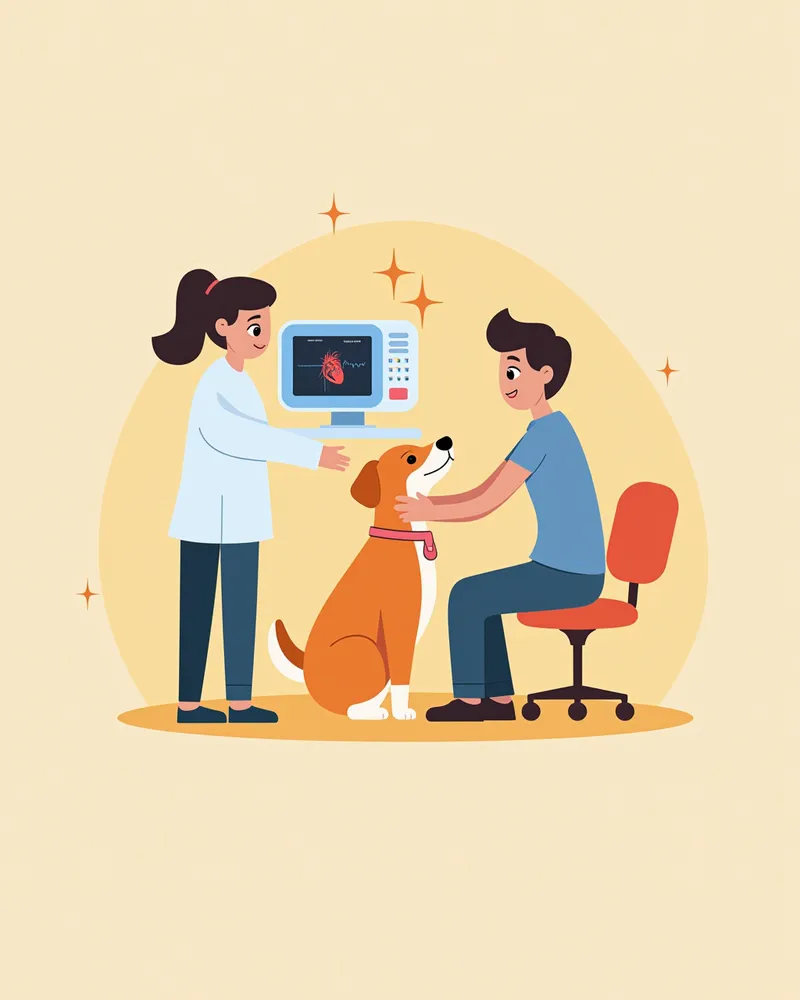
An accurate diagnosis of exercise restrictions for dogs with heart disease requires a combination of several tests. - Echocardiogram (Echo): This allows for a precise assessment of the heart's size, pumping strength, and valve condition. - Electrocardiogram (ECG/EKG): This helps identify irregular heart rhythms or arrhythmias. - Thoracic X-ray: This evaluates heart size and lung condition to check for fluid buildup (edema) or excessive blood flow. - Blood tests: These measure cardiac enzyme levels and check for electrolyte imbalances to provide a comprehensive evaluation of heart function. - Cardiac function assessment: By analyzing these tests together, veterinarians can determine the type and severity of the heart disease.
An image of a veterinarian performing an echocardiogram on a puppy.

Treatment Methods and Step-by-Step Management Strategies
Treatment for exercise restriction in dogs with heart disease involves medication, dietary management, activity limitation, and regular check-ups. Medications are used to improve heart function and reduce swelling, such as pulmonary edema, and are prescribed by your veterinarian based on your dog’s weight and condition. Dietary management is important to maintain proper nutritional balance, following your veterinarian’s recommendations. Exercise should be limited to short, light activities that don’t overexert your dog, and regular check-ups are essential to monitor their condition.
Medication: Prescription drugs are used to improve heart function and relieve swelling. Some owners may adjust diuretic dosages within the range specified by their veterinarian.
Dietary Management: Provide meals that maintain nutritional balance, as recommended by your veterinarian.
Exercise Limitation: Allow only short, light exercise within safe limits, and determine the appropriate amount of activity in consultation with your veterinarian.
Regular Check-ups: Follow up 1–2 weeks after starting treatment, and then monitor your dog’s heart condition every 3–6 months, depending on their status.
An image of a dog taking a light walk with a veterinarian

Management Points at Home

Managing exercise restrictions for dogs with heart disease centers on consistent care at home. - Exercise Management: Limit activity to short, gentle walks and avoid strenuous exertion. - Dietary Management: Choose low-sodium dog food and maintain a consistent schedule for meal portions and timing. - Environmental Management: Maintain a quiet, stable environment to minimize stress. - Medication Administration: Administer medications at the precise times directed by your veterinarian. - Symptom Monitoring: Consult your veterinarian immediately if you observe difficulty breathing, coughing, or signs of shock. - Regular Check-ups: Schedule cardiac evaluations every 3 to 6 months to monitor changes in your dog’s condition.
An image showing a home environment for managing heart disease

Breed Precautions: Doberman Pinschers, Labrador Retrievers, and More

Doberman Pinschers, Labrador Retrievers, and Terriers are among the breeds most susceptible to heart disease. Because genetic factors play a significant role, it is advisable to conduct genetic testing before adoption, and regular cardiac examinations are recommended throughout adulthood. Early detection significantly improves treatment outcomes.

Reviewed by a veterinarian

Dr. Tony — Punnawat Phongkittirak

Dr. Tony — Punnawat Phongkittirak

Veterinarian

A veterinarian who majored in veterinary medicine at Khon Kaen University, Thailand, and completed the IVSA program at North Carolina State University in the United States. Drawing on clinical experience at animal hospitals, he works in the pet healthcare field and is dedicated to building a digital care environment that connects pet parents with veterinarians.

Frequently Asked Questions

If you suspect your dog has a heart condition, what tests should be performed?
Your veterinarian will evaluate your pet’s heart function and structure using echocardiography, electrocardiography, chest X-rays, and blood tests. The vet will recommend the most appropriate tests based on your pet’s specific condition.
How long should I restrict my pet’s activity?
Once the heart condition is stable, you can gradually increase exercise levels, but it should be adjusted under your veterinarian's guidance. Most cases require lifelong management.
Are there any special dietary restrictions?
Choose a low-sodium diet and avoid excessive treats. It's best to use veterinary-recommended therapeutic foods.
My pet’s symptoms have gotten worse while they’re on medication. Should I be concerned?
If your pet’s symptoms worsen while taking the medication, contact your veterinarian right away so they can check for side effects or disease progression.
Will a dog with heart disease feel sad if it can’t go for walks?
Dogs prioritize stability over intense exercise. Light walks help maintain emotional balance, so there’s no need to worry too much.

Share

Related Guides

References

[1] Freid KJ, Freeman LM, Rush JE et al. (2020). Retrospective study of dilated cardiomyopathy in dogs. Journal of Veterinary Internal Medicine, 35(1), 58–67.

[2] Adin D, Defrancesco TC, Keene B et al. (2019). Echocardiographic phenotype of canine dilated cardiomyopathy differs based on diet type. Journal of Veterinary Cardiology, 21, 1–9.

[3] Smith CE, Freeman LM, Rush JE et al. (2007). Omega-3 fatty acids in Boxer dogs with arrhythmogenic right ventricular cardiomyopathy. Journal of Veterinary Internal Medicine, 21(2), 265–271.

This information is based on veterinary literature and does not replace diagnosis or treatment. Please consult a veterinarian for specific health concerns.

Metapet Co., Ltd. | CEO: Park Sung-yong | Business Reg. No. 417-88-02562 | Seoul, South Korea | Customer Center

Can a Dog with Heart Disease Walk? Exercise Limits & Warning Signs | Meongsiljang