Like
Share
멍실장
고양이 저칼륨혈증과 신장(고양이) 증상과 원인, 진단·치료와 관리 포인트 총정리

Why Is My Cat So Lethargic? — From Symptoms to Treatment of Hypokalemia and Kidney Disease

KidneyDiseasesMeongsiljang Veterinary Advisory Board

Feline hypokalemia is a metabolic disorder closely linked to decreased kidney function. Early detection and proper management are essential.

What Are Feline Hypokalemia and Kidney Disease?
A medical illustration showing the anatomical structure of a cat's kidneys
Feline hypokalemia is a condition in which blood potassium levels fall below the normal range (3.5–5.5 mEq/L) and is a common electrolyte imbalance associated with chronic kidney disease. Potassium is freely filtered at the glomerulus and then regulated through reabsorption and excretion along the renal tubules; however, cats with kidney disease often fail to conserve potassium adequately, making them prone to deficiency. In fact, hypokalemia is observed in approximately 20–30% of cats with IRIS stage 2–3 chronic kidney disease, whereas it is less common in end-stage (stage 4) disease, when the glomerular filtration rate is severely reduced. Early signs are often subtle and easy to miss, but if left untreated, the condition can lead to muscle weakness or cardiac arrhythmias, making early detection and consistent management essential.

What Are the Main Causes?

One of the most common causes of hypokalemia in cats is potassium loss associated with chronic kidney disease. In cats with progressive kidney disease, potassium excretion through the kidneys increases, and this can be compounded by other factors such as increased loss through the colon (large intestine) or decreased intake, leading to potassium deficiency. Additionally, the use of diuretics such as furosemide or thiazides can cause potassium to be lost alongside urine output. Electrolyte loss from vomiting or diarrhea, prolonged loss of appetite, or feeding a diet low in potassium can also contribute to the condition. Rarely, Burmese cats are known to have a genetic predisposition to periodic hypokalemic polymyopathy, so this breed requires particularly careful monitoring.
An image of a cat sitting with medication and wet food.

What Are the Main Symptoms and Signs?
Feline hypokalemia is often missed in its early stages because it typically presents no obvious symptoms. As the condition progresses, muscle weakness becomes apparent, with characteristic signs including a dropped-head posture (cervical ventroflexion), excessive movement of the front legs, and a wide-based stance with the hind legs. These symptoms may be accompanied by lethargy and decreased appetite. Potassium deficiency can also impair the kidneys' ability to concentrate urine, leading to increased thirst and frequent urination. In severe cases, weakness of the respiratory muscles can cause breathing difficulties, or abnormal heart rhythms may develop. To avoid missing early warning signs, carefully monitor your cat for any changes in daily behavior, and consult a veterinarian immediately if you notice these symptoms.
A weak-looking cat lying down

Signs Requiring Immediate Veterinary Visit

If your cat suddenly becomes lethargic, unable to move, or develops an irregular heartbeat, consult a veterinarian immediately. These symptoms can indicate a serious heart condition, so prompt action is essential.

What Is the Accurate Diagnostic Method?
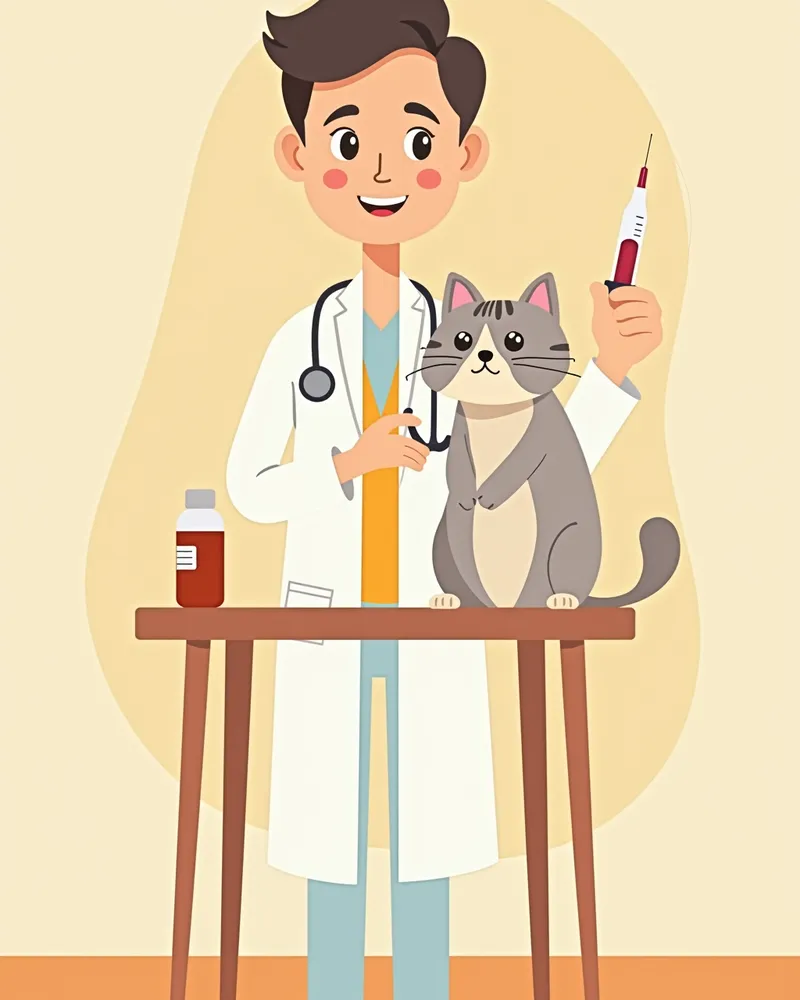
Hypokalemia in cats is diagnosed by measuring blood potassium levels through a blood test. A level below 3.5 mmol/L is generally considered hypokalemia. Kidney function tests (creatinine and BUN) are also performed to assess whether kidney function is impaired. If necessary, a urinalysis is conducted to check potassium excretion, and a renal ultrasound is used to identify any structural abnormalities. By comprehensively analyzing the results of these various tests, we determine the exact cause and develop an appropriate treatment plan. Early diagnosis significantly impacts treatment outcomes.
A veterinarian drawing blood from a cat.

Treatment Methods and Step-by-Step Approach
Treatment centers on potassium supplementation and dietary management. Your veterinarian will determine the appropriate method and dosage based on blood potassium levels and kidney function. Potassium gluconate is most commonly recommended for oral supplementation, typically starting at 5–8 mEq per day divided into multiple doses, then adjusted to 2–4 mEq during the maintenance phase. Potassium citrate, which has an alkalinizing effect, may also be used. A renal prescription diet is recommended to protect the kidneys, and regular blood tests are conducted during supplementation to monitor potassium levels and prevent overcorrection (hyperkalemia). Ongoing care and close collaboration with your veterinarian are key to successful treatment.
A cat eating special diet food

Management Points at Home

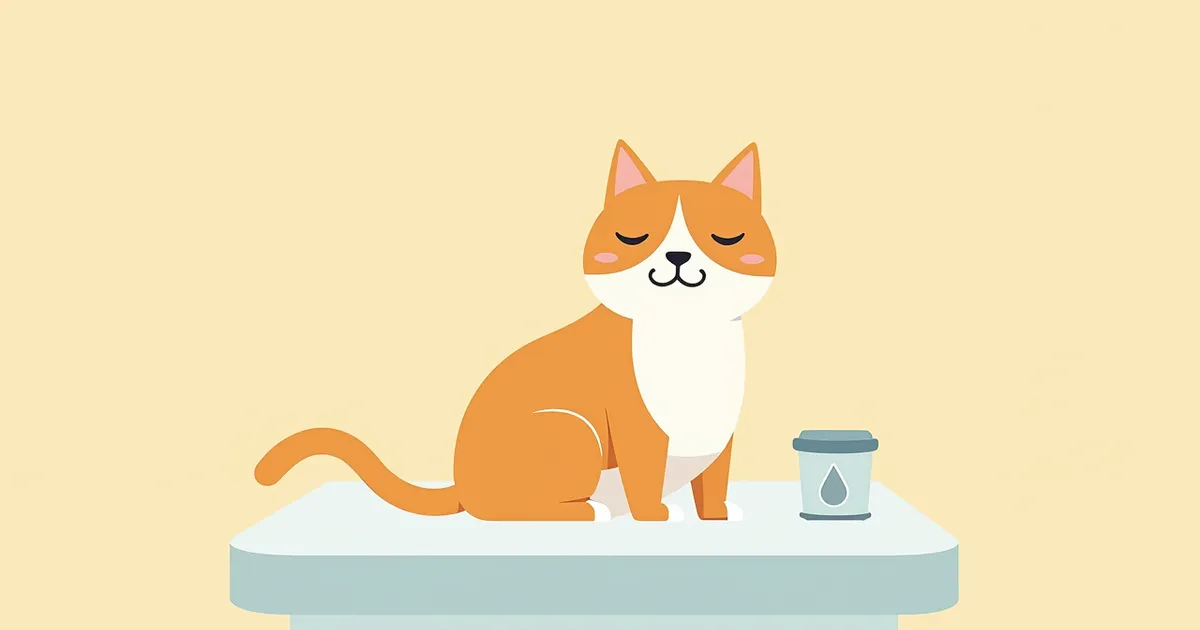
Always provide your cat with fresh water. Insufficient hydration increases the burden on the kidneys and accelerates potassium loss. Feeding wet food can help replenish potassium and increase fluid intake. Administer prescribed medications at the designated times, ensuring you neither exceed the veterinarian-specified dosage nor miss any doses. Schedule regular check-ups for blood tests and kidney function evaluations. Closely monitor your cat for any changes in daily behavior, such as decreased appetite, lethargy, or changes in urination frequency.
A cat drinking from a water fountain

Precautions for Senior Cats and by Breed

Senior cats are at higher risk for declining kidney function and the resulting hypokalemia (low blood potassium). Additionally, Burmese cats may develop low potassium levels due to a genetic condition called periodic hypokalemic polymyopathy, so extra vigilance is warranted. Since kidney disease typically emerges in middle age or later, regular early screening from this stage onward is essential.

Reviewed by a veterinarian

Dr. Tony — Punnawat Phongkittirak

Dr. Tony — Punnawat Phongkittirak

Veterinarian

A veterinarian who majored in veterinary medicine at Khon Kaen University, Thailand, and completed the IVSA program at North Carolina State University in the United States. Drawing on clinical experience at animal hospitals, he works in the pet healthcare field and is dedicated to building a digital care environment that connects pet parents with veterinarians.

Frequently Asked Questions

Can hypokalemia be fatal in cats?
Severe hypokalemia can cause abnormal heart rhythms or weaken the respiratory muscles. Immediate treatment is necessary.
Can it be treated with dietary management alone?
Dietary management can help, but it usually needs to be combined with potassium supplements. Always follow your veterinarian's guidance.
Can hypokalemia be completely cured?
If there’s an underlying condition (such as kidney disease), a complete cure may not be possible, but proper management can help maintain a good quality of life.
Are there any side effects while taking the medication?
Excessive supplementation can lead to hyperkalemia, so it’s important to follow the correct dosage.
How often should regular check-ups be performed?
During potassium supplementation therapy, it is recommended to repeatedly measure potassium levels. The frequency of testing is determined by your veterinarian based on the potassium levels and kidney condition, so it is best to have regular blood tests according to the schedule provided.

Share

Related Guides

References

[1] Langston, C.E. et al. (2023) Small Animal Critical Care Medicine, 3rd Edition. Elsevier.

[2] The Cat, Clinical Medicine and Management, 2nd Edition (2022). Wiley-Blackwell.

[3] Plumb's Veterinary Drug Handbook, 9th Edition (2023). Wiley.

This information is based on veterinary literature and does not replace diagnosis or treatment. Please consult a veterinarian for specific health concerns.

Metapet Co., Ltd. | CEO: Park Sung-yong | Business Reg. No. 417-88-02562 | Seoul, South Korea | Customer Center

Why Is My Cat So Lethargic? Hypokalemia & Kidney Disease | Meongsiljang