Like
Share
멍실장
고양이 폐혈전색전증 증상과 원인, 진단·치료와 관리 포인트 총정리

Feline Pulmonary Thromboembolism: Symptoms, Causes, Diagnosis, Treatment, and Management Essentials

RespiratoryDiseasesMeongsiljang Veterinary Advisory Board

Feline pulmonary thromboembolism is a life-threatening condition in which a blood clot blocks the pulmonary artery, causing respiratory distress and acute heart failure. Early diagnosis and appropriate treatment are key to survival.

What is Feline Pulmonary Thromboembolism?
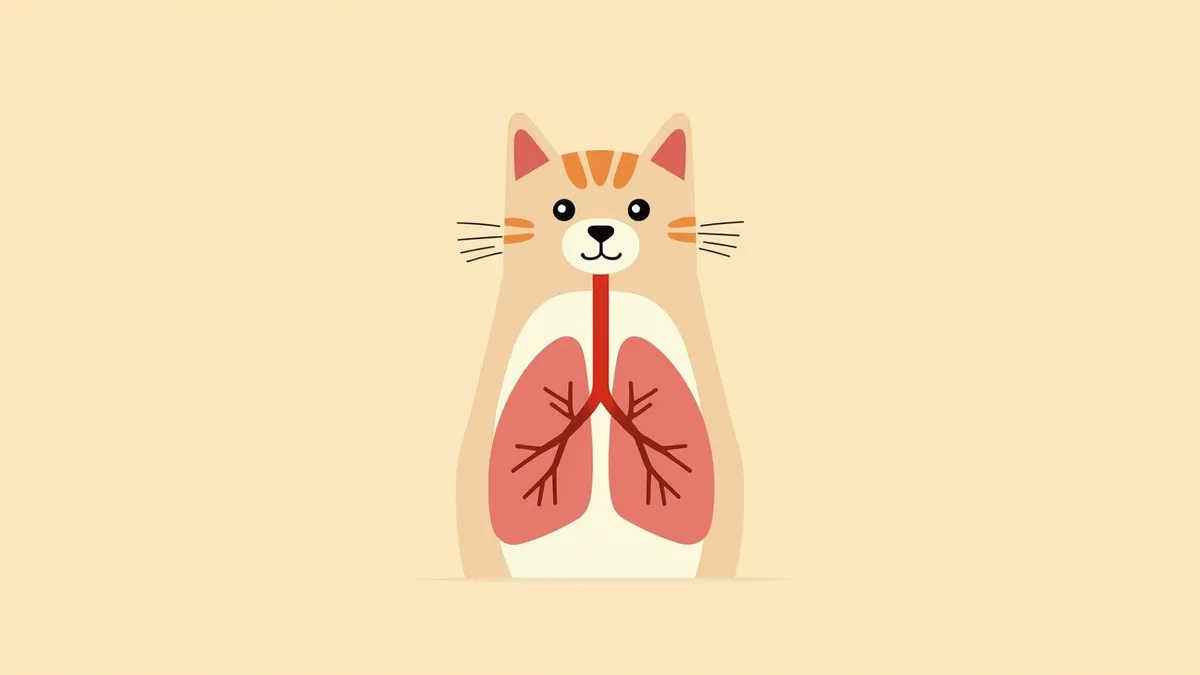
An anatomical diagram of a cat’s lungs showing the pulmonary artery blocked by a blood clot
Feline pulmonary thromboembolism is a life-threatening condition in which a blood clot blocks the pulmonary artery, cutting off blood flow. This reduces oxygen supply to the lungs, leading to acute respiratory distress and heart failure. Cats often show subtle symptoms, making early detection difficult, but the condition can be fatal. - Clot formation: Blood clots abnormally, obstructing blood vessels. - Pulmonary artery blockage: Reduced blood flow to the lungs leads to insufficient oxygen supply. - Acute respiratory distress: Symptoms include panting and rapid chest movements. Immediate veterinary care is essential, as early intervention is critical for survival.

Primary Causes and Risk Factors

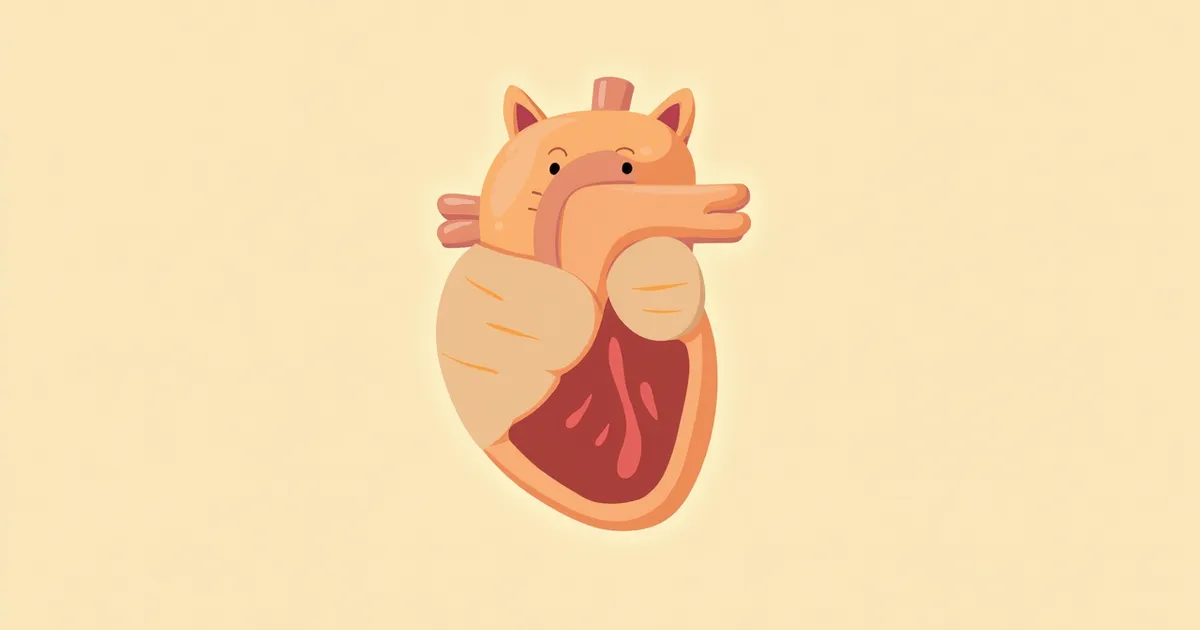
The primary cause of feline pulmonary thromboembolism is heart disease, particularly cardiomyopathy accompanied by reduced cardiac function. Trauma, the postoperative recovery period, and prolonged inactivity can also be risk factors. This condition is especially common in older cats and those with underlying cardiac abnormalities. - Heart disease: Reduced cardiac function slows blood flow and increases the risk of clot formation. In cats, cardiomyopathy is frequently identified as the underlying condition. - Prolonged inactivity: Limited movement causes blood stasis, making clot formation more likely. - Trauma and surgery: Damage to the vascular endothelium or physical shock can contribute to clot formation. - Advanced age: Older cats are at higher risk for this condition, making early prevention and management essential.
A cat with heart disease being monitored

Main Symptoms and Signs

The main symptoms of feline pulmonary thromboembolism include sudden difficulty breathing, rapid breathing (tachypnea), shortness of breath, and cyanosis, where the lips or paw pads turn blue due to low oxygen levels. Cats may also become weak and less active, and in severe cases, they may collapse or lose consciousness. Because all these symptoms appear suddenly, immediate veterinary care is essential. - Difficulty breathing: Panting with rapid chest movements. - Tachypnea: Abnormally fast breathing rate. - Cyanosis: Blue discoloration of the lips or paw pads. - Lethargy: Remaining still and inactive. - Decreased consciousness: Collapsing or unresponsiveness. Early detection is critical for survival.
A close-up shot of a cat’s face experiencing difficulty breathing

Emergency Situations Requiring Immediate Veterinary Visit

If your cat suddenly starts panting, has blue-tinged lips, collapses, or loses consciousness, you need to rush them to the vet immediately. These are life-threatening signs of an acute episode of feline pulmonary thromboembolism. Prompt veterinary care, including oxygen therapy and thrombolytic treatment, is essential.

Diagnostic Methods and Procedures

Feline pulmonary thromboembolism is diagnosed through a combination of thoracic radiographs, blood and blood gas analyses, cardiac ultrasound, and pulmonary angiography (including CT pulmonary angiography). Because diagnosing this condition in a living patient can be challenging, we rely on a comprehensive assessment of multiple test results rather than depending on a single diagnostic tool. Thoracic X-rays may reveal changes such as dilation of the pulmonary arteries, while pulse oximetry or arterial blood gas tests can confirm hypoxemia. Cardiac ultrasound evaluates heart structure and function, helping to identify underlying conditions. - Thoracic Radiographs: Check for changes in pulmonary blood flow, such as dilation of the pulmonary arteries. - Blood and Blood Gas Analyses: Provide supplementary assessment of overall health status, hypoxemia, and coagulation abnormalities. - Cardiac Ultrasound: Evaluates heart structure and function, and helps identify cardiomyopathy, a primary underlying cause of feline thromboembolism. - Angiography: Assists in locating the thrombus; CT pulmonary angiography is increasingly utilized for this purpose. Accurate diagnosis requires the integration of multiple diagnostic tests.
A veterinarian performing an echocardiogram on a cat

Treatment Methods and Step-by-Step Management
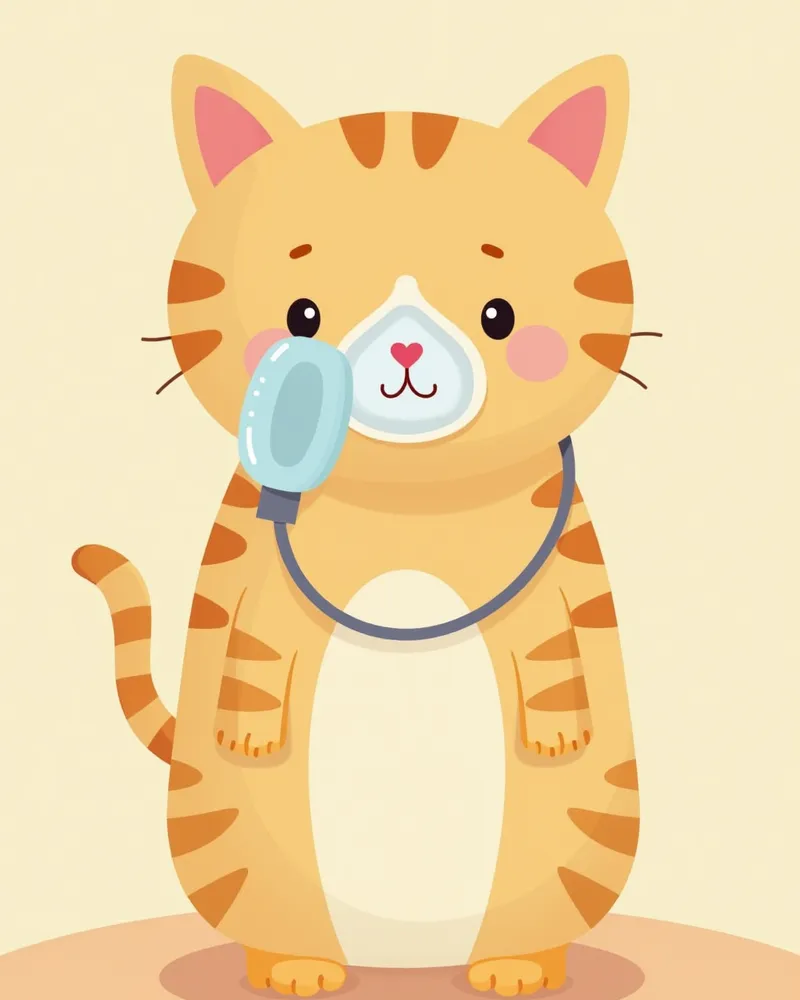
Treatment involves administering anticoagulants, providing oxygen, managing pain, and addressing the underlying cause. Initially, ample oxygen is supplied; if the cat is hemodynamically unstable, thrombolytic therapy may be considered. Anticoagulants are then used to prevent recurrent thrombosis. If an underlying condition such as heart disease or cancer is present, customized treatment at the clinic is necessary. Anticoagulant therapy may continue for several weeks to several months. - Oxygen therapy: Alleviates respiratory distress and prevents hypoxia. - Anticoagulants: Essential medications that prevent the formation of new blood clots. - Pain management: Reduces stress in cats and supports recovery. - Treating the underlying cause: Controlling primary conditions like heart disease or tumors lowers the risk of recurrence. Regular veterinary visits and consistent medication adherence are essential.
A cat wearing an oxygen mask at a veterinary clinic

Home Care Essentials

Proper home care for a cat undergoing treatment is essential. Restricting activity helps reduce stress, and it’s crucial to administer medications on schedule. Offer small, frequent meals, avoid fatty foods, and ensure adequate hydration. It’s also helpful to monitor and record any changes in breathing daily to share with your veterinarian.
Activity restriction: Minimize movement and provide a calm, comfortable environment
Medication administration: Give medications at the correct times and in the prescribed doses
Hydration: Refresh water frequently and place multiple water bowls around the home
Respiratory monitoring: Watch for changes in breathing sounds and check lip color
Regular check-ups: Keep all scheduled appointments with your veterinarian
A cat resting comfortably in a cozy environment, with a water bowl nearby.

Preventing Recurrence and Breed-Specific Precautions

Feline pulmonary thromboembolism has a high risk of recurrence, especially in cats with heart disease or those who are older. Regular check-ups and ongoing medication are essential. While cardiomyopathy has been reported in certain breeds (such as Maine Coons, Persians, Birmans, and Siamese), no clear breed predisposition has been confirmed, so all cats, regardless of breed, should be monitored closely.

Reviewed by a veterinarian

Dr. Tony — Punnawat Phongkittirak

Dr. Tony — Punnawat Phongkittirak

Veterinarian

A veterinarian who majored in veterinary medicine at Khon Kaen University, Thailand, and completed the IVSA program at North Carolina State University in the United States. Drawing on clinical experience at animal hospitals, he works in the pet healthcare field and is dedicated to building a digital care environment that connects pet parents with veterinarians.

Frequently Asked Questions

Is feline aortic thromboembolism curable?
If the underlying condition is well-managed and relapses are prevented, your pet’s condition can be maintained relatively stable. However, the prognosis should be approached with caution, as the risk of recurrence is high, making long-term management essential. The goal is not a complete cure, but rather achieving and maintaining a stable, controlled state.
Can it be prevented?
You can reduce the risk by managing underlying conditions (such as heart disease), scheduling regular check-ups, maintaining activity levels, and preventing obesity. In cats with heart disease, it’s especially important to consider thrombosis-preventive treatments, such as anticoagulant or antiplatelet therapy.
How long should my pet take the medication?
Anticoagulants need to be taken for a long time (several months or more) and should be adjusted according to your veterinarian's instructions. Stopping them early can increase the risk of recurrence. In some cases, lifelong medication may be necessary.
Can oxygen masks be used at home?
Oxygen therapy is safest when administered in a veterinary clinic under proper monitoring, using equipment such as an oxygen cage, hood, or nasal cannula. Since providing oxygen at home is difficult, it’s important to promptly inform your veterinarian of any changes in your pet’s breathing.
If a cat has had a pulmonary thromboembolism, what tests should be done next?
Regular monitoring through echocardiograms, blood tests, blood gas analyses, and chest X-rays is essential to check for recurrence. In particular, continuous assessment of heart function and coagulation and platelet status is crucial.

Share

Related Guides

References

[1] Kirk RW, Bonagura JD. Current Veterinary Therapy: Small Animal Practice. 4th ed. Elsevier, 2006.

[2] Feldman EC, Nelson RW. Canine and Feline Endocrinology and Reproduction. 4th ed. Elsevier, 2010.

[3] Plumb's Veterinary Drug Handbook. 9th ed. Wiley-Blackwell, 2021.

This information is based on veterinary literature and does not replace diagnosis or treatment. Please consult a veterinarian for specific health concerns.

Metapet Co., Ltd. | CEO: Park Sung-yong | Business Reg. No. 417-88-02562 | Seoul, South Korea | Customer Center

Feline Pulmonary Thromboembolism: Symptoms, Causes & Treatment | Meongsiljang