Like
Share
멍실장
강아지 비문증(유리체 혼탁) 증상과 원인, 진단·치료와 관리 포인트 총정리

Dark Spots in Your Dog's Vision — Causes of Floaters and When to Visit the Vet

Eye HealthDiseasesMeongsiljang Veterinary Advisory Board

Canine floaters occur when cloudy particles develop in the vitreous humor, causing dark spots or specks to appear in the dog's field of vision. This condition can arise from various causes, including aging, trauma, or underlying diseases.

What Are Canine Floaters (Vitreous Opacities)?
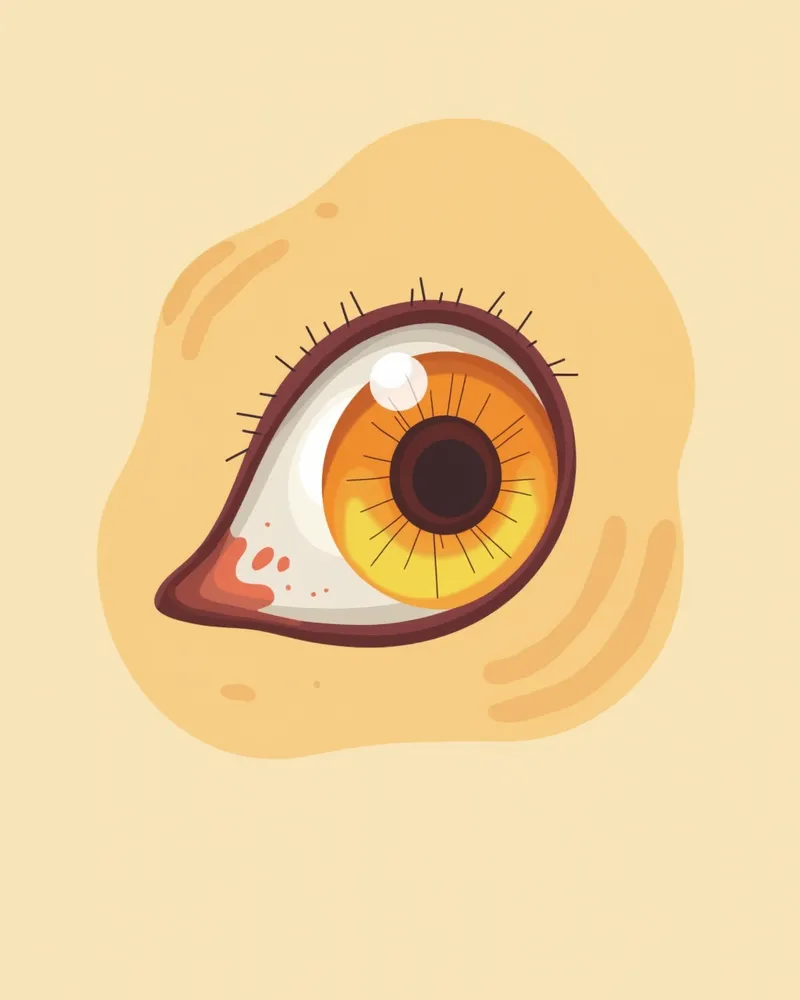
A diagram illustrating the structure of a dog's vitreous body and the location of opacities within it.
Canine vitreous opacities occur when the vitreous humor, a clear, jelly-like substance filling the eye, becomes cloudy, causing your dog to see spots, threads, strands, or cloud-like shapes in their vision. - Vitreous Opacity: The vitreous humor is a transparent gel composed of collagen and hyaluronic acid, making up about 75% of the eye's volume. As it degenerates due to aging or genetic factors (vitreous degeneration), its transparency partially decreases, leading to cloudiness. Mild cases are generally harmless. - Visual Disturbances: These floaters tend to be more noticeable in bright light and often shift position when the eyes move. - Diverse Causes: Beyond aging and genetic degeneration, vitreous opacities can be associated with eye conditions such as trauma or inflammation (e.g., retinitis). - Clinical Course: If the changes are mild, treatment may not be necessary; however, severe cases or those with complications may require medical intervention. - Regular Monitoring: Periodic ophthalmic examinations are important, especially for certain breeds and senior dogs, as vitreous degeneration is more common in these groups.

What Are the Main Causes of Floaters?
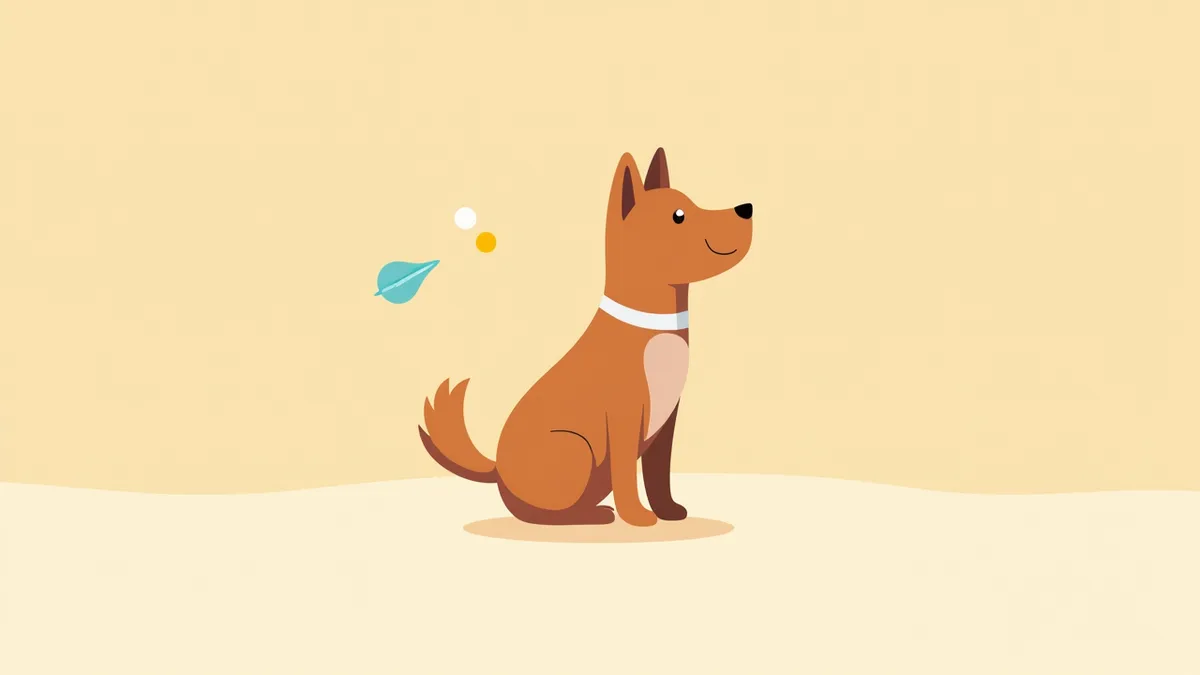
The primary causes of vitreous opacities in dogs are age-related degeneration and genetic factors affecting the vitreous body. - Age-related cloudiness: As dogs age, the gel-like structure of the vitreous body weakens, leading to degenerative changes (vitreous degeneration) that commonly result in cloudiness. - Genetic factors: Certain breeds are more prone to vitreous degeneration due to genetic and age-related factors, so extra vigilance is necessary. - Trauma and hemorrhage: Eye injuries or trauma can cause bleeding within the vitreous body, leading to cloudiness. - Inflammatory effects: Inflammation inside the eye, such as retinitis, can worsen the condition of the vitreous body. - Surgery-related factors: In dogs that have undergone eye surgery, such as cataract surgery (phacoemulsification), vitreous degeneration can increase the risk of retinal detachment.
Diagram of a dog’s eye showing vitreous degeneration due to aging

What Are the Main Symptoms and Signs?
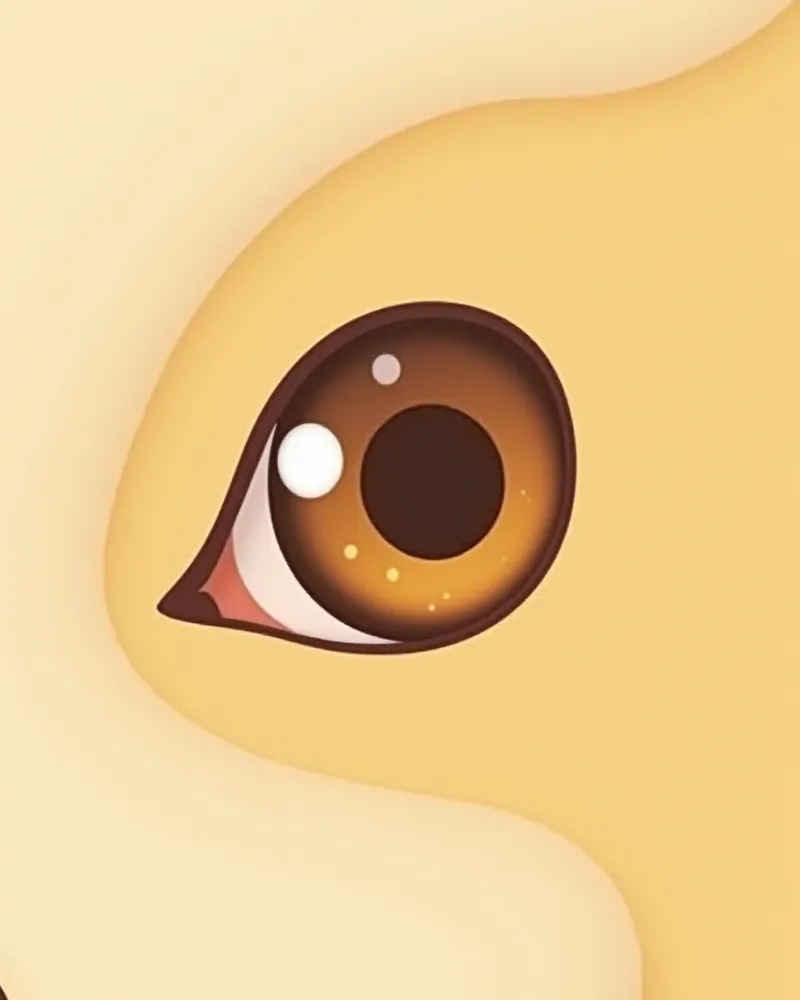
The main symptom of canine floaters is the appearance of specks, threads, strands, or cloud-like objects drifting in the visual field. These are especially noticeable when looking toward bright light, and their position shifts when the eyes move. In some cases, they may also be accompanied by decreased vision or increased tear production.
Objects resembling specks or threads: Hazy specks or thread-like shapes floating in the visual field, particularly in bright environments.
Sensation of movement in the visual field: A feeling that the objects move along with eye movements.
Increased tear production: Excessive tearing may occur due to irritation.
Decreased vision: Significant cloudiness can lead to reduced visual acuity.
Negative ocular responses: Increased sensitivity to light or more frequent eye rubbing may be observed.
A puppy with cloudy vitreous humor in its eyes

When Immediate Veterinary Visit Is Necessary

If floaters suddenly worsen, vision drops rapidly, or the eye becomes swollen or severely bloodshot, there may be a risk of retinal detachment or internal bleeding. This can lead to vision loss, so it is important to consult a veterinarian immediately.

Examination Methods for Accurate Diagnosis
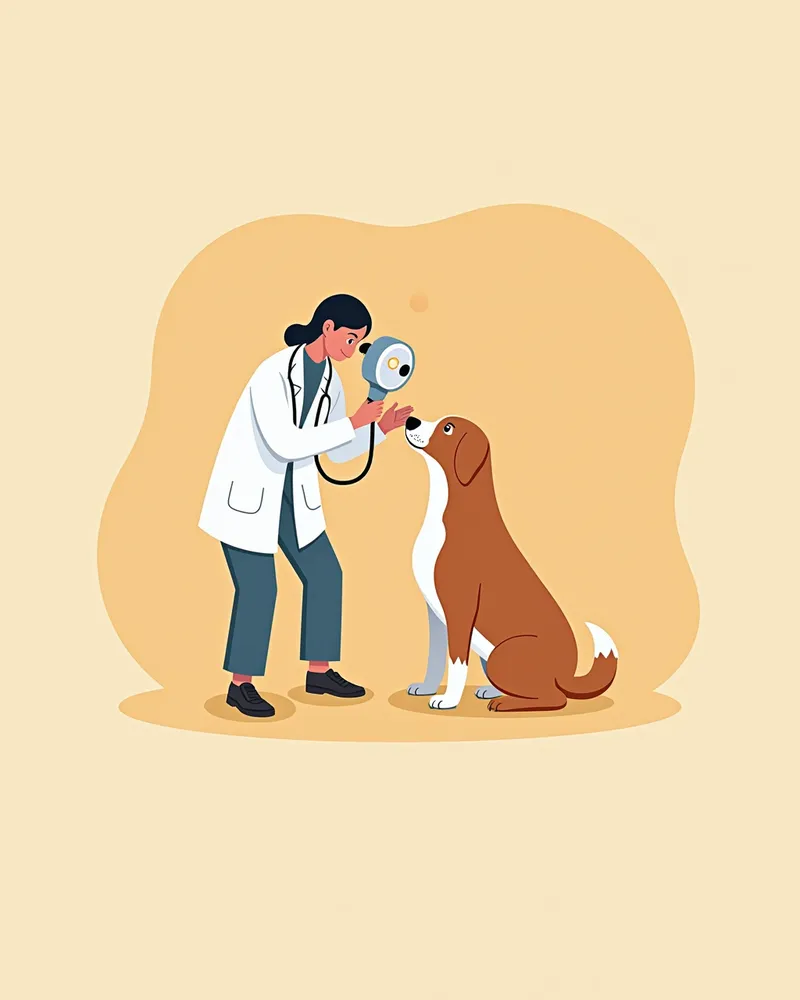
The veterinarian uses an ophthalmoscope for a fundus examination to directly observe the interior of the eye and determine the severity and location of vitreous opacities. - Clinical and Fundus Examination: Light is shone into the eye to observe opacities within the vitreous body and assess the condition of the retina. Diagnosis is primarily based on these clinical findings. - Ophthalmic Ultrasound (B-mode): When the vitreous is too cloudy for direct visualization, ultrasound is used to evaluate the internal structures. - Assessment for Retinal Detachment and Hemorrhage: If the pupil is dilated, the light reflex is sluggish, or hemorrhage is suspected, the veterinarian will also check for retinal detachment or vitreous hemorrhage. - Identification of Underlying Conditions: If necessary, the veterinarian will investigate potential links to systemic diseases to identify the underlying cause. - Recommendation for Regular Check-ups: Senior dogs and those with existing eye conditions should undergo regular ophthalmic examinations.
A veterinarian examining a dog’s eyes using a retinal scanner

Treatment Methods and Step-by-Step Management

If vitreous degeneration (floaters) is mild, it often doesn’t require specific treatment and rarely causes significant vision loss. However, if the changes are severe or accompanied by complications, treatment may be necessary. If an underlying issue such as inflammation is present, appropriate therapy is required, and your veterinarian will recommend regular follow-up monitoring to carefully track any changes in vision.
Treatment based on severity: Depending on the extent of the changes, topical anti-inflammatory medications (steroidal or non-steroidal) may be considered.
Treatment of underlying causes and complications: If there are underlying issues such as inflammation, or complications like lens instability or retinal detachment, treatments such as mydriatics, lens removal, retinal adhesion procedures, or vitrectomy may be necessary.
Regular check-ups: Monitor changes through routine ophthalmic examinations.
Environmental adjustments: Reduce visual obstructions to help your pet stay comfortable.
A puppy resting comfortably in a quiet environment

Management Points at Home

Floaters in the eyes usually don’t pose a threat to your dog’s life. However, if your dog seems anxious or their vision is impaired, it’s important to adjust their environment. Keep furniture arrangements consistent and avoid areas with direct bright light. Additionally, regular veterinary check-ups are essential to monitor any changes in their condition.
Secure Furniture: Moving furniture can obstruct their vision.
Adjust Lighting: Avoid excessive brightness or glare.
Regular Check-ups: Schedule an eye exam every six months.
Reduce Stress: Provide a calm and comfortable environment.
A home environment where your dog can live comfortably

Breed-Specific Precautions and Prevention of Recurrence

Certain breeds—such as Shih Tzus, Bichon Frises, Italian Greyhounds, Yorkshire Terriers, Jack Russell Terriers, Labrador Retrievers, and Boston Terriers—are more prone to vitreous degeneration and floaters due to genetic and age-related factors. In older dogs, the vitreous humor naturally undergoes changes, making regular ophthalmic examinations essential. Consistent monitoring of your pet’s condition and proper environmental management can help prevent complications such as worsening degeneration or retinal detachment.

Reviewed by a veterinarian

Dr. Tony — Punnawat Phongkittirak

Dr. Tony — Punnawat Phongkittirak

Veterinarian

A veterinarian who majored in veterinary medicine at Khon Kaen University, Thailand, and completed the IVSA program at North Carolina State University in the United States. Drawing on clinical experience at animal hospitals, he works in the pet healthcare field and is dedicated to building a digital care environment that connects pet parents with veterinarians.

Frequently Asked Questions

Can floaters be treated?
Mild floaters often don’t require special treatment and typically don’t significantly affect vision. However, if the condition worsens or is accompanied by issues such as inflammation or retinal detachment, surgical interventions like local anti-inflammatory medications or vitrectomy may be necessary.
What should I do if my pet’s floaters suddenly worsen?
If your pet experiences a sudden decline in vision, dilated pupils with a diminished response to light, or signs of bleeding, it could indicate retinal detachment or vitreous hemorrhage. Immediate veterinary care is essential.
Is your dog experiencing nasal congestion?
Puppies may not be able to visually recognize dots or threads. However, if their field of vision is obstructed, they may exhibit behaviors such as getting lost indoors or showing signs of anxiety.
Does floaters only occur in older dogs?
While common in senior dogs, it can also occur in younger dogs due to trauma or genetic factors, affecting dogs of all ages.
Can floaters completely ruin vision?
General vitreous opacities don't significantly impair vision. However, complications such as retinal detachment or hemorrhage can lead to vision loss.

Share

Related Guides

References

[1] Plumb's Veterinary Drug Handbook, 9th Edition, 2022. Wiley-Blackwell.

[2] Feldman, B.F., Nelson, R.W., & Reusch, C.E. (2013). Schalm's Veterinary Ophthalmology, 6th Edition. Wiley-Blackwell.

[3] Kirk, C.W., & Buehring, M. (2018). Canine and Feline Ophthalmology. Elsevier Health Sciences.

This information is based on veterinary literature and does not replace diagnosis or treatment. Please consult a veterinarian for specific health concerns.

Metapet Co., Ltd. | CEO: Park Sung-yong | Business Reg. No. 417-88-02562 | Seoul, South Korea | Customer Center

Dark Spots in Your Dog's Vision: Floaters & Vet Timing | Meongsiljang