

If Your Cat’s Abdomen Is Gradually Distending — When Feline Cardiac Ascites and Abdominocentesis Are Needed
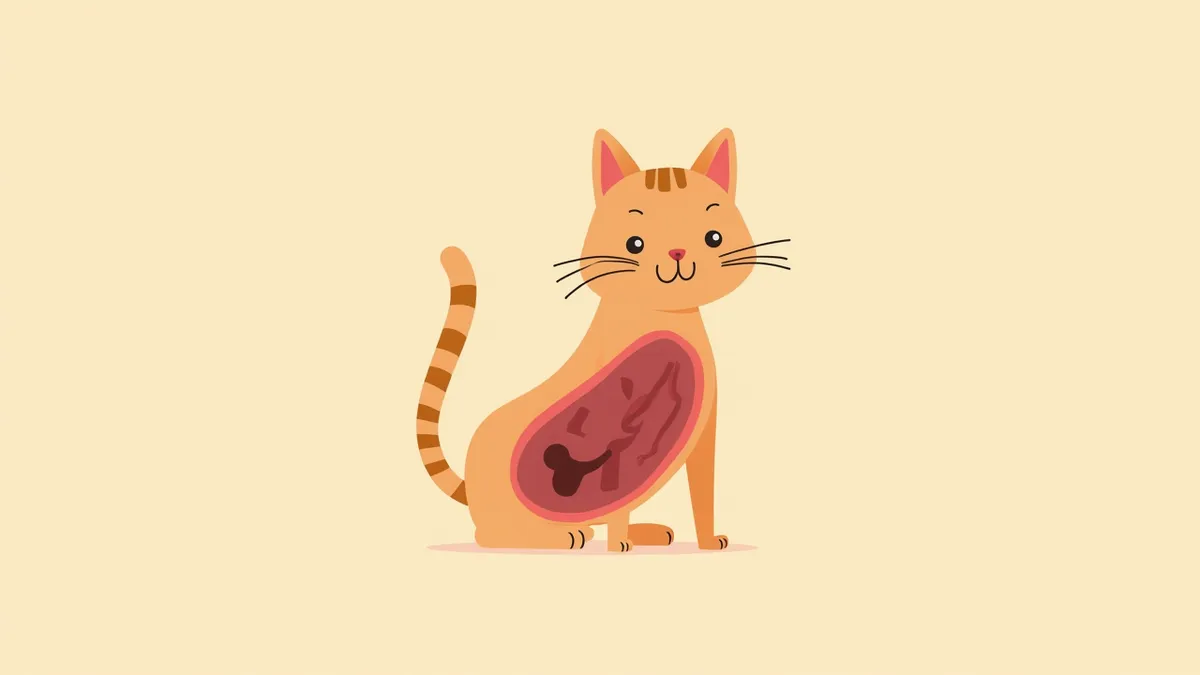
Feline ascites (cardiac ascites) is a condition in which fluid accumulates in the abdominal cavity due to impaired heart function, with difficulty breathing and abdominal distension being the main symptoms. Early diagnosis and proper management are essential.
What Is Feline Abdominocentesis (Cardiac Ascites)?
Main Causes and Pathogenesis

Main Symptoms and Signs

Symptoms Requiring Immediate Veterinary Visit
If your pet is panting heavily, has blue-tinged gums or tongue, or suddenly collapses, seek veterinary care immediately. These are signs of a rapid decline in heart or respiratory function and can lead to shock. Cats are particularly prone to fluid accumulation in the chest (pleural effusion), which causes severe breathing difficulties. In such emergencies, treatment may involve draining fluid from the chest or abdomen, providing oxygen therapy, and administering medications. Do not delay by trying to assess the situation yourself; prompt veterinary attention is crucial.
Accurate Diagnostic Methods
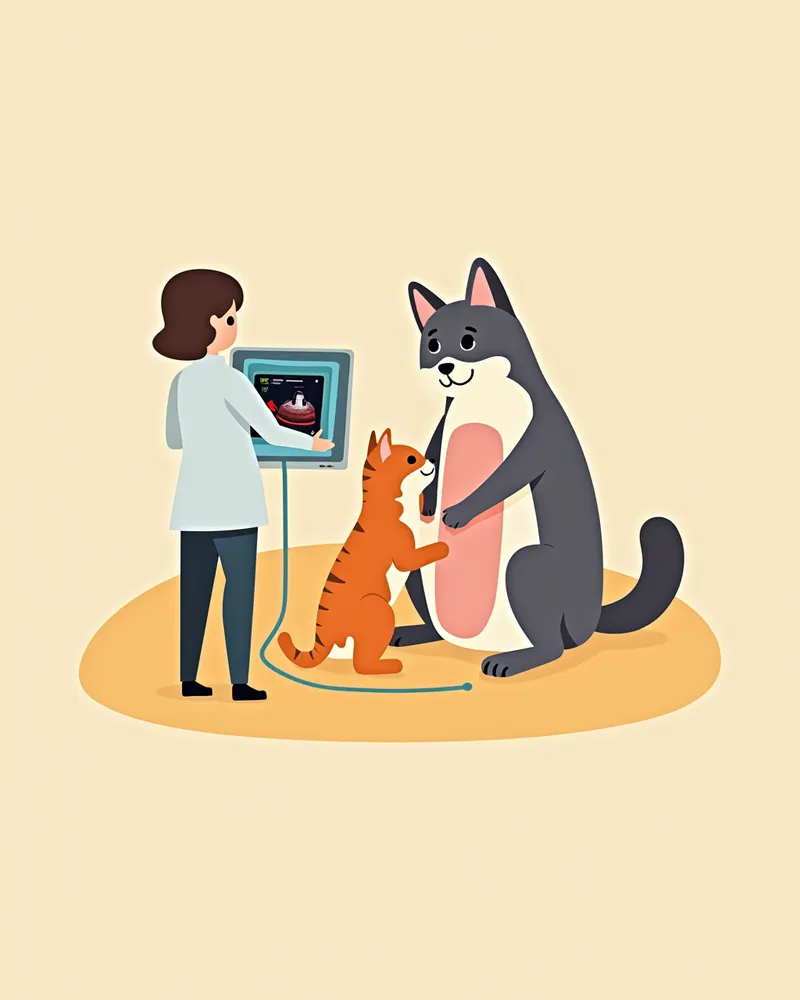
Treatment Methods and Step-by-Step Management

Home Care Points

Breed-Specific Precautions and Recurrence Prevention
Breeds with a genetic predisposition, such as Maine Coons and Ragdolls, are known to have a higher risk of cardiomyopathy. Older cats require particular attention, and regular cardiac check-ups are recommended even if no symptoms are apparent. Abdominocentesis is a temporary measure to relieve symptoms by draining fluid, so it must be accompanied by treatment for the underlying heart disease. Do not stop medications abruptly without consulting your veterinarian, and be sure to seek advice if you notice any changes in your cat's condition.
Reviewed by a veterinarian

Dr. Tony — Punnawat Phongkittirak
VeterinarianA veterinarian who majored in veterinary medicine at Khon Kaen University, Thailand, and completed the IVSA program at North Carolina State University in the United States. Drawing on clinical experience at animal hospitals, he works in the pet healthcare field and is dedicated to building a digital care environment that connects pet parents with veterinarians.
Reviewed 2026-06-03
Frequently Asked Questions
How often should abdominal paracentesis be performed?
Is paracentesis painful?
What should I watch out for after an abdominal tap?
Can ascites be cured with just a paracentesis?
Why is dietary management important?
Step-by-Step Symptoms of Cardiac Ascites and How to Respond
| Item | Stage | Main Symptoms | Main Management | Need for Hospital Visit |
|---|---|---|---|---|
| Mild | Abdomen slightly distended | Able to maintain daily activity | Regular checkups, dietary control | Yes |
| Moderate | Marked abdominal distension, difficulty breathing | Reduced activity, decreased appetite | Abdominocentesis, start medication | Yes |
| Severe | Severe difficulty breathing, mouth turns blue | Lethargy, possibility of collapse | Emergency abdominocentesis, oxygen supply, emergency medication | Immediately |
Stage-by-stage management may vary depending on the veterinarian's diagnosis. Early detection increases the treatment success rate.
Share
Related Guides

Coenzyme Q10 Benefits and Administration Guide

Dog Pulmonary Edema Warning — 7 Best Diuretics (Furosemide) for Heart Management

7 Best Prescription Diets for Feline Heart Disease Recommended by Veterinarians — Criteria for Choosing Low-Sodium Food

Chronic Recurrent Urinary Tract Infections in Dogs: Symptoms, Causes, Diagnosis, Treatment, and Management Essentials

Neurogenic Bladder in Dogs: Symptoms, Causes, Diagnosis, Treatment, and Management Essentials

Canine Hydronephrosis: Symptoms, Causes, Diagnosis, Treatment, and Management Essentials

Dog Stranguria: Symptoms, Causes, Diagnosis, Treatment, and Care Essentials

Cystine Urolithiasis in Dogs: Symptoms, Causes, Diagnosis, Treatment, and Management Essentials

Dog Bladder Ultrasound: Symptoms, Causes, Diagnosis, Treatment, and Management Essentials

Dog Bladder Diverticulum: Symptoms, Causes, Diagnosis, Treatment, and Management Essentials
References
[1] Textbook of Cardiovascular Medicine in Dogs and Cats (2023). Chapter 7: Congestive Heart Failure and Ascites in Felines. Elsevier.