Like
Share
멍실장
강아지·고양이 납·중금속 중독 증상과 치료법

Symptoms and Treatment of Lead and Heavy Metal Poisoning in Dogs and Cats

ImmunityDiseasesMeongsiljang Veterinary Advisory Board

We’ve compiled a comprehensive guide on heavy metal poisoning from ingesting substances like lead, zinc, and copper, covering symptoms, emergency response, treatment, and home care.

What Is Lead and Heavy Metal Poisoning?
A dog and a cat resting together in the living room.
Lead and heavy metal poisoning is a serious condition that occurs when excessive amounts of heavy metals such as lead, zinc, and copper accumulate in the body, causing severe damage to the nervous, digestive, and hematopoietic systems. While both dogs and cats can be affected, it is much more common in dogs, who are more likely to chew on foreign objects. The most critical factor is initiating detoxification treatment as quickly as possible once symptoms appear. If you observe neurological signs such as vomiting, seizures, or ataxia, bring the suspected toxic substance with you and seek immediate veterinary care.

Main Causes of Heavy Metal Poisoning

The most common cause is lead poisoning, which occurs when dogs chew or swallow lead-containing items such as chipped paint from older homes, dust or soil contaminated with lead, lead fishing sinkers, curtain weights, soldering materials, or old plumbing. Zinc poisoning can result from ingesting metal objects containing zinc, while copper poisoning may occur after ingesting copper-containing substances or in certain breeds with a genetic predisposition to copper metabolism disorders. Cats can be exposed to lead by licking lead-contaminated dust during grooming. However, because dogs are naturally curious and frequently chew on foreign objects, they are at significantly higher risk of exposure to heavy metals, including lead, compared to cats.

Checklist of Main Symptoms of Heavy Metal Poisoning
Symptoms can vary slightly depending on the type of heavy metal, but please check for these common signs:
Repetitive vomiting: Vomiting continues even without eating.
Severe diarrhea: Stools may be black or contain blood.
Loss of appetite: Refuses even favorite treats.
Staggering: Appears unsteady and wobbly when walking.
Seizures or convulsions: These neurological symptoms are especially common in lead poisoning.
Lethargy: Suddenly becomes inactive and limp.
Changes in gum color: Gums may turn pale due to anemia caused by lead poisoning.
A lethargic puppy being examined by a veterinarian

Go to the Vet Immediately If You See These Symptoms

Recurrent seizures, clouded consciousness, or irregular breathing signal a life-threatening emergency. Even if no symptoms appear after ingesting a substance suspected of containing heavy metals, seeking veterinary care promptly may allow for treatments such as inducing vomiting to clear the gastrointestinal tract. If any of the ingested substance remains, be sure to bring it to the veterinarian for examination.

Diagnostic Methods at the Veterinary Clinic

The veterinarian will first measure blood levels of lead, zinc, and copper through blood tests. In cases of lead poisoning, a characteristic finding on a blood smear is the presence of basophilic stippling in red blood cells. X-rays are also important to check for any remaining metal foreign bodies in the gastrointestinal tract. The vet will also assess for anemia and evaluate liver and kidney function values. These results are then combined to determine which heavy metal is causing the poisoning and to decide on the appropriate treatment plan.

Treatment Methods for Heavy Metal Poisoning
Treatment is generally divided into three main phases: detoxification, removal, and supportive care.
Gastrointestinal Decontamination: If a metallic foreign body remains in the stomach, your veterinarian will choose the most appropriate method based on the situation, such as inducing vomiting, gastric lavage, endoscopy, surgery, or enemas. Activated charcoal does not bind to heavy metals and is therefore ineffective for heavy metal poisoning. Additionally, administering certain chelating agents while lead is still present in the gastrointestinal tract can actually increase lead absorption; therefore, chelation therapy begins only after the foreign material has been removed.
Chelation Therapy: Medications are administered to help eliminate heavy metals that have accumulated in the body through urine. Your veterinarian will determine the specific medication and duration of treatment based on the type of heavy metal and its concentration in the blood.
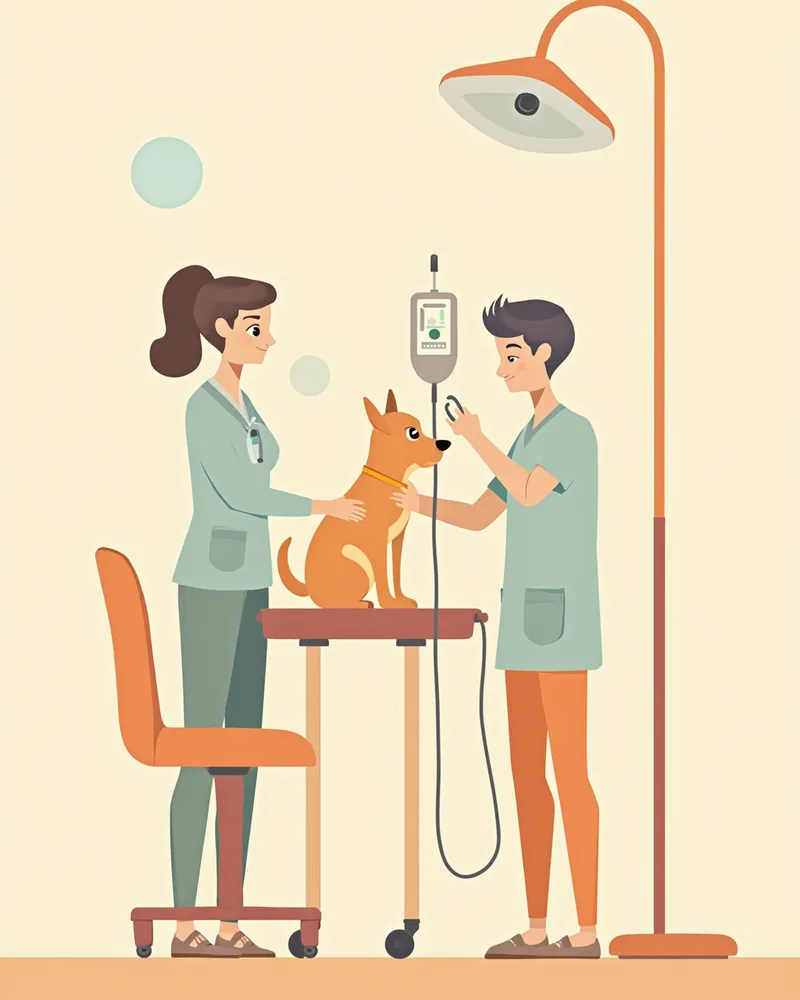
Fluid and Supportive Care: Intravenous fluid therapy is provided to correct dehydration and protect kidney function. If seizures occur, anticonvulsant medications are used concurrently.
A puppy receiving intravenous fluid therapy at a veterinary clinic

Home Care Points After Treatment

Ongoing care is essential even after your pet goes home.
Keep up with recheck appointments: Regular blood tests are necessary until heavy metal levels in the blood return to normal.
Completely remove the causative substance: Eliminate all sources of poisoning from your home. If old paint was the cause, consider remodeling.
Dietary management: Follow the diet recommended by your veterinarian and avoid treats that could burden the liver or kidneys.
Monitor behavior: If you notice stumbling, changes in appetite, or changes in urine output after treatment, contact your clinic immediately.
A puppy recovering comfortably at home with its owner

Precautions by Breed

Heavy metal poisoning, including lead, can be more severe in young puppies and kittens because their bodies absorb these toxins more readily and they may experience more pronounced neurological symptoms. This happens because lead can more easily cross the blood-brain barrier in young animals, directly affecting brain development. Additionally, deficiencies in calcium, iron, zinc, and vitamin D can further increase lead absorption, making balanced nutrition especially important for growing pets. Since certain breeds have been reported to have genetic predispositions related to copper metabolism, consult your veterinarian about your pet’s breed-specific traits and consider including liver function tests in regular blood work during routine health checkups. Young puppies are naturally curious and at higher risk of swallowing foreign objects, so regularly check the floor for small metal items to keep them safe.

Reviewed by a veterinarian

Dr. Tony — Punnawat Phongkittirak

Dr. Tony — Punnawat Phongkittirak

Veterinarian

A veterinarian who majored in veterinary medicine at Khon Kaen University, Thailand, and completed the IVSA program at North Carolina State University in the United States. Drawing on clinical experience at animal hospitals, he works in the pet healthcare field and is dedicated to building a digital care environment that connects pet parents with veterinarians.

Frequently Asked Questions

My dog swallowed a coin. Is it okay?
Coins can pose a risk of zinc or copper poisoning, depending on their composition. If your pet swallows a coin, take them to a veterinarian immediately for an X-ray to locate it and, if necessary, have it safely removed.
How much does treatment for heavy metal poisoning cost?
The cost can vary significantly depending on the severity of the poisoning, the length of hospitalization, and the treatment method. For the most accurate estimate, please consult your attending veterinarian after the diagnosis.
Is heavy metal poisoning curable?
If detected early and treated with appropriate detoxification therapy, the chances of a full recovery are high. However, if there is severe damage to the nervous system, residual effects may remain, so starting treatment quickly is the most important factor.
Can cats get heavy metal poisoning?
Yes, cats can get it too. However, since they are less likely to chew on foreign objects compared to dogs, the incidence is relatively low. Cats living in older homes may ingest flaking paint particles while grooming, so extra caution is advised.
How can I prevent heavy metal poisoning at home?
Keep metal objects such as old paint, fishing gear, coins, and batteries out of your pet’s reach. If you live in an older home, remove any peeling paint and regularly check the floors for small metal parts that may have fallen.

Share

Related Guides

References

[1] Hovda LR, Brutlag AG, Poppenga RH, Peterson KL. Blackwell's Five-Minute Veterinary Consult Clinical Companion: Small Animal Toxicology, 3rd Edition. Wiley-Blackwell, 2024

[2] Schaer M, Gaschen F. Clinical Medicine of the Dog and Cat, 4th Edition. CRC Press, 2022

[3] Plumb DC. Plumb's Veterinary Drug Handbook, 10th Edition. Wiley-Blackwell, 2023

[4] Drobatz KJ, Costello MF. Feline Emergency and Critical Care Medicine, 2nd Edition. Wiley-Blackwell, 2023

This information is based on veterinary literature and does not replace diagnosis or treatment. Please consult a veterinarian for specific health concerns.

Metapet Co., Ltd. | CEO: Park Sung-yong | Business Reg. No. 417-88-02562 | Seoul, South Korea | Customer Center

Lead & Heavy Metal Poisoning in Dogs and Cats: Symptoms & Care | Meongsiljang