Like
Share
멍실장
강아지 고양이 카페인중독 증상과 응급 대처법

Signs of Caffeine Poisoning in Dogs and Cats and Emergency First-Aid Steps

ImmunityDiseasesMeongsiljang Veterinary Advisory Board

We’ve compiled a guide on the signs of caffeine poisoning in dogs and cats after they consume caffeinated foods like coffee, tea, or chocolate, along with emergency first-aid steps and what to expect during veterinary treatment.

What Is Caffeine Poisoning?

A pet owner who discovered their dog sniffing a coffee cup
Caffeine poisoning is a toxic condition that occurs when dogs or cats ingest caffeine-containing foods such as coffee, tea, chocolate, or energy drinks, causing excessive stimulation of the nervous system and heart. It is important to contact a veterinary clinic as soon as possible after ingestion. Veterinarians can typically induce vomiting within 4 hours of ingestion, and in cases of large amounts consumed, it may still be possible up to 6–8 hours later. Smaller pets are at greater risk even with small amounts, so if you notice your pet has licked coffee or chewed on coffee beans, contact a clinic immediately.

Which Foods Contain Caffeine?

Caffeine isn’t just in coffee—it’s found in more foods than you might expect.
Coffee and coffee beans: Even a single coffee bean contains concentrated caffeine, which can be dangerous for small dogs after just a few beans.
Tea (black and green): Although tea has less caffeine than coffee, directly ingesting tea leaves can still pose a risk.
Chocolate: Chocolate contains both caffeine and theobromine, making it doubly hazardous. You can learn more in our Chocolate Poisoning Guide.
Energy drinks and sodas: Even small amounts can be toxic to lightweight pets.
Caffeine pills and diet supplements: These contain highly concentrated caffeine and are among the most dangerous sources.

Checklist of Main Symptoms of Caffeine Poisoning
The time it takes for symptoms to appear after caffeine ingestion varies significantly depending on the form consumed. In cases of rapid absorption, such as with caffeine pills or energy drinks, symptoms can emerge within 30 minutes. Conversely, slower-absorbing forms like chocolate may delay symptom onset for up to 12 hours. Do not assume your pet is safe simply because symptoms have not appeared immediately; if you observe any of the following signs, seek veterinary care right away.
Vomiting and diarrhea: These are typically the first early signs.
Excessive excitement and restlessness: Your pet may be unable to stay still and will pace continuously.
Increased heart rate: The heart beats abnormally fast.
Rapid breathing: Your pet may pant or breathe quickly.
Muscle tremors and seizures: In severe cases, the entire body may shake, or seizures may occur.
Elevated body temperature: Body temperature may rise above the normal range.
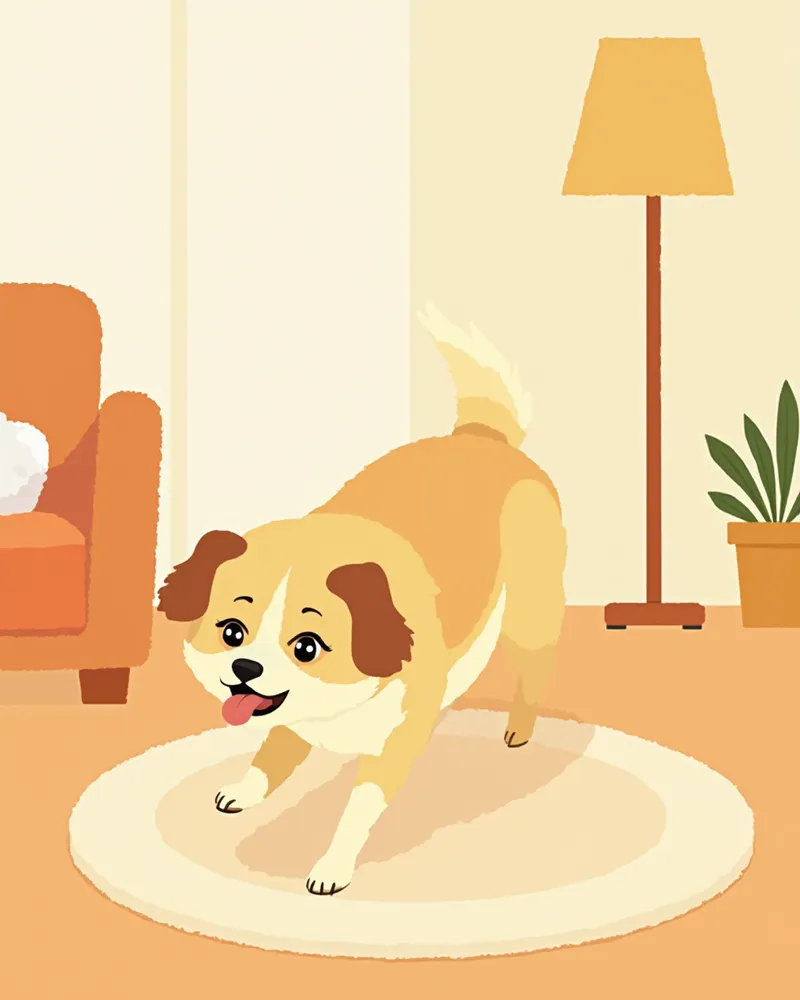
A restless, panting puppy

Go to the Emergency Room Immediately If You See These Symptoms

Seizures, confusion, or an irregular heartbeat are life-threatening symptoms. If any of these signs appear after suspected caffeine ingestion, take your pet to a 24-hour emergency animal hospital immediately. Keep your pet calm during transport and write down the type and approximate amount of food consumed to share with the veterinarian.

Diagnosis at the Veterinary Clinic

Veterinarians diagnose caffeine poisoning based on the ingestion history and clinical signs reported by the pet owner. Since direct measurement of blood caffeine levels is often not readily available at general animal hospitals, diagnosis typically relies on symptoms and circumstances of ingestion. An electrocardiogram (ECG) is used to check for cardiac arrhythmias, while blood tests assess electrolyte balance and the function of major organs. Bringing the packaging or ingredient label of the ingested product can be extremely helpful for an accurate diagnosis.

Treatment Methods

Since there is no specific antidote for caffeine poisoning, treatment focuses on reducing the toxin load in the body and managing symptoms.
Inducing vomiting: If the ingestion occurred within the last four hours, a veterinarian will induce vomiting to remove caffeine from the stomach. In cases of large ingestions, this may be performed up to 6–8 hours after consumption.
Activated charcoal administration: This helps reduce the absorption of caffeine in the intestines. Because caffeine undergoes enterohepatic circulation, activated charcoal may be administered repeatedly at 8–12 hour intervals for 1–3 days.
Intravenous fluid therapy: IV fluids are administered to promote caffeine excretion and prevent dehydration.
Cardiac and seizure management: If arrhythmias or seizures occur, the veterinarian will administer medications dosed according to the pet’s body weight.
According to veterinary toxicology textbooks, caffeine is partially excreted in the urine but can be reabsorbed from the urinary tract; therefore, inducing forced diuresis with isotonic fluids to enhance elimination is considered a key treatment principle.
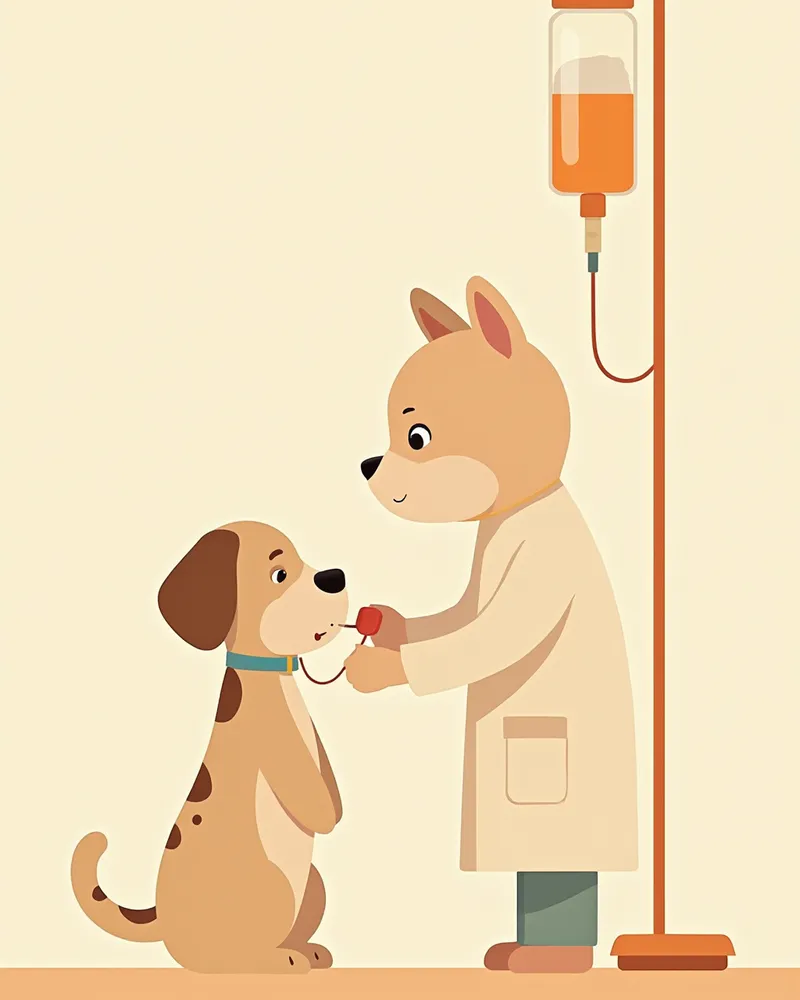
A puppy receiving intravenous fluid therapy at a veterinary clinic

Key Points for Home Care After Discharge
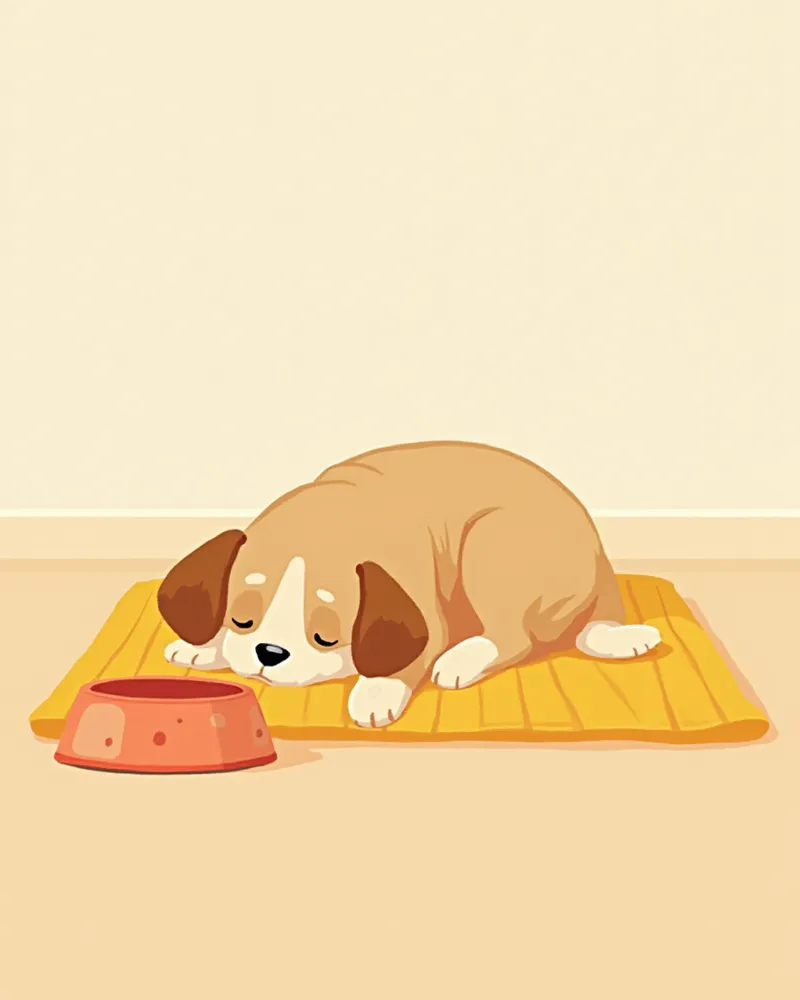
After returning home from hospital treatment, allow your pet to rest in a quiet environment for 24–48 hours. Offer small, frequent meals of easily digestible, soft food, and ensure they have constant access to fresh water. If vomiting or diarrhea recurs, or if your pet appears more lethargic than usual, return to the clinic immediately. For pets with a history of heart-related symptoms, strictly adhere to the follow-up appointment schedule provided by your veterinarian.
A dog resting comfortably at home

Preventing Caffeine Poisoning: Remember This

The most effective way to treat caffeine poisoning is prevention. Keep coffee cups out of your pet’s reach, and store coffee beans, tea leaves, and chocolate in drawers or cabinets that they cannot open. Be careful not to leave energy drink cans on the floor, and always keep caffeine pills or supplements in a locked container. Although cats are generally less curious about food than dogs, they may be attracted to coffee drinks mixed with milk, so extra caution is necessary.

Reviewed by a veterinarian

Dr. Tony — Punnawat Phongkittirak

Dr. Tony — Punnawat Phongkittirak

Veterinarian

A veterinarian who majored in veterinary medicine at Khon Kaen University, Thailand, and completed the IVSA program at North Carolina State University in the United States. Drawing on clinical experience at animal hospitals, he works in the pet healthcare field and is dedicated to building a digital care environment that connects pet parents with veterinarians.

Frequently Asked Questions

Is it okay if my dog licked a little bit of coffee?
If your pet has only licked a few drops of coffee, it’s usually not a major concern. However, since it’s difficult to determine the exact amount ingested, smaller pets may be more sensitive even to small amounts. Symptoms can take up to 12 hours to appear, depending on how the coffee was consumed. Monitor your pet for signs such as vomiting, restlessness, or tremors during this time, and seek veterinary care immediately if any symptoms arise.
Is it safe to induce vomiting at home?
Inducing vomiting on your own can be dangerous. In particular, if your pet is already experiencing seizures or decreased consciousness, forcing them to vomit can lead to aspiration pneumonia. Always wait for your veterinarian’s guidance before taking any action.
Is decaffeinated coffee safe for pets?
Decaffeinated coffee still contains small amounts of caffeine. While the risk of serious poisoning is low unless consumed in large quantities, other components in coffee can irritate the stomach and intestines, so it's best to avoid intentionally giving coffee to pets.
Can cats also suffer from caffeine poisoning?
Yes, cats can become poisoned by caffeine. Because cats often weigh less than dogs, they may experience more severe symptoms from the same amount of caffeine. Be especially cautious with dairy-based drinks like milk coffee or lattes, as cats may be drawn to them.
Can there be lingering effects after treatment for caffeine poisoning?
With early and appropriate treatment, most pets recover fully without any lasting effects. However, if severe seizures or prolonged heart arrhythmias occurred due to large amounts ingested, your veterinarian may recommend additional tests. Please be sure to follow your vet’s instructions for follow-up visits after discharge.

Share

Related Guides

References

[1] Hovda LR, Brutlag AG, Poppenga RH, Peterson KL. Blackwell's Five-Minute Veterinary Consult Clinical Companion: Small Animal Toxicology, 3rd Edition. Wiley-Blackwell.

[2] Schaer M, Gaschen F. Clinical Medicine of the Dog and Cat, 4th Edition. CRC Press.

[3] Plumb DC. Plumb's Veterinary Drug Handbook, 10th Edition. Wiley-Blackwell.

[4] Drobatz KJ, Hopper K, Rozanski EA, Silverstein DC. Feline Emergency and Critical Care Medicine, 2nd Edition. Wiley-Blackwell.

This information is based on veterinary literature and does not replace diagnosis or treatment. Please consult a veterinarian for specific health concerns.

Metapet Co., Ltd. | CEO: Park Sung-yong | Business Reg. No. 417-88-02562 | Seoul, South Korea | Customer Center

Caffeine Poisoning in Dogs & Cats: Signs & First Aid | Meongsiljang