

Dog and Cat Alcohol Poisoning: Symptoms, Emergency Response, and Treatment
This guide, compiled by our veterinary advisory team, covers the causes, symptoms, emergency response, hospital treatment, and prevention of alcohol poisoning in dogs and cats.
What Is Alcohol Poisoning?

Causes: Surprisingly Diverse Routes of Alcohol Exposure
Key Symptoms Checklist

When to Go to the Vet Immediately
If you notice any of the following signs, take your pet to an emergency veterinary clinic immediately: - No response when called or appears disoriented - Breathing becomes noticeably slow or very shallow - Seizures or convulsions occur - Body feels extremely cold and limp While transporting your pet, keep their head tilted to the side to prevent choking on vomit.
Diagnosis at the Veterinary Clinic
Treatment Methods
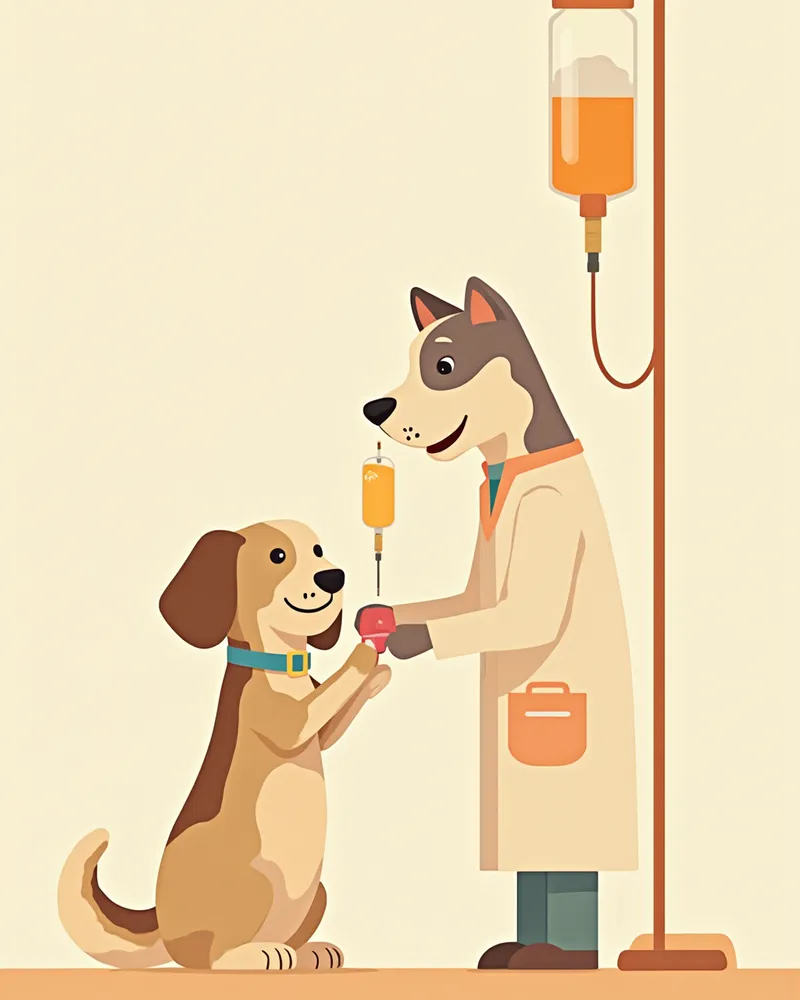
Post-Discharge Home Care

Alcohol Poisoning Prevention Guidelines
The most effective way to treat alcohol poisoning is to prevent it in the first place. - Always clean up any leftover alcohol from glasses, bottles, or spills after gatherings. - Store fermented dough (such as bread or pizza dough) out of reach of pets. - Keep ethanol-containing products like hand sanitizer, perfume, and mouthwash in a safe place. - Both dogs and cats can suffer from alcohol poisoning, and smaller animals are at risk even with small amounts. - Be especially cautious on holidays or during gatherings when there is a lot of food and drink around.
Reviewed by a veterinarian

Dr. Tony — Punnawat Phongkittirak
VeterinarianA veterinarian who majored in veterinary medicine at Khon Kaen University, Thailand, and completed the IVSA program at North Carolina State University in the United States. Drawing on clinical experience at animal hospitals, he works in the pet healthcare field and is dedicated to building a digital care environment that connects pet parents with veterinarians.
Reviewed 2026-04-19
Frequently Asked Questions
My dog licked a little bit of beer. Is it okay?
Can cats get alcohol poisoning?
Can eating bread dough lead to alcohol poisoning?
Is it safe to induce vomiting at home?
How much does treatment for alcohol poisoning cost?
Share
Related Guides

Top 7 Short-Legged Dog Breeds

Primary vs. Secondary Veterinary Hospitals: A Comparison

5 Easy-to-Raise Cat Breeds for First-Time Owners — Grooming Difficulty Comparison

It’s Not Just Fat — Causes and Management of Insulin Resistance in Dogs

Comprehensive Endocrine Checkup for Dogs: How to Check Thyroid, Adrenal, and Diabetes All at Once

If Your Dog Is Constantly Drinking Water and Panting — Symptoms and Treatment Timing for Ectopic ACTH Syndrome
Complete Guide to Canine Cushing’s Diagnostic Tests (LDDS & HDDS) — Interpreting Results and Treatment Timing

If Your Cat Keeps Losing Hair and Itching — Causes and Treatment of Sex Hormone-Related Skin Conditions

If Your Cat’s Behavior Seems Off — Symptoms, Diagnosis, and Treatment Timing for Pituitary Tumors

Sudden Blood Pressure Abnormalities in Cats — Symptoms and Treatment of Feline Pheochromocytoma (Chromaffin Cell Tumor)
References
[1] Hovda LR et al., Blackwell's Five-Minute Veterinary Consult Clinical Companion: Small Animal Toxicology, 3rd Edition
[2] Schaer M, Gaschen F., Clinical Medicine of the Dog and Cat, 4th Edition
[3] Plumb DC., Plumb's Veterinary Drug Handbook, 10th Edition
[4] Drobatz KJ et al., Feline Emergency and Critical Care Medicine, 2nd Edition