Like
Share
멍실장
고양이 신장 기능 조기 선별(SDMA) 증상과 원인, 진단·치료와 관리 포인트 총정리

Early Screening for Feline Kidney Disease (SDMA) — Why It’s Needed and When to Test

KidneyDiseasesMeongsiljang Veterinary Advisory Board

Early screening for kidney function in cats (SDMA) is an important test for the early detection of chronic kidney disease in senior cats. Early detection and management can significantly improve both survival time and quality of life.

What Is Early Screening for Feline Kidney Function (SDMA)?
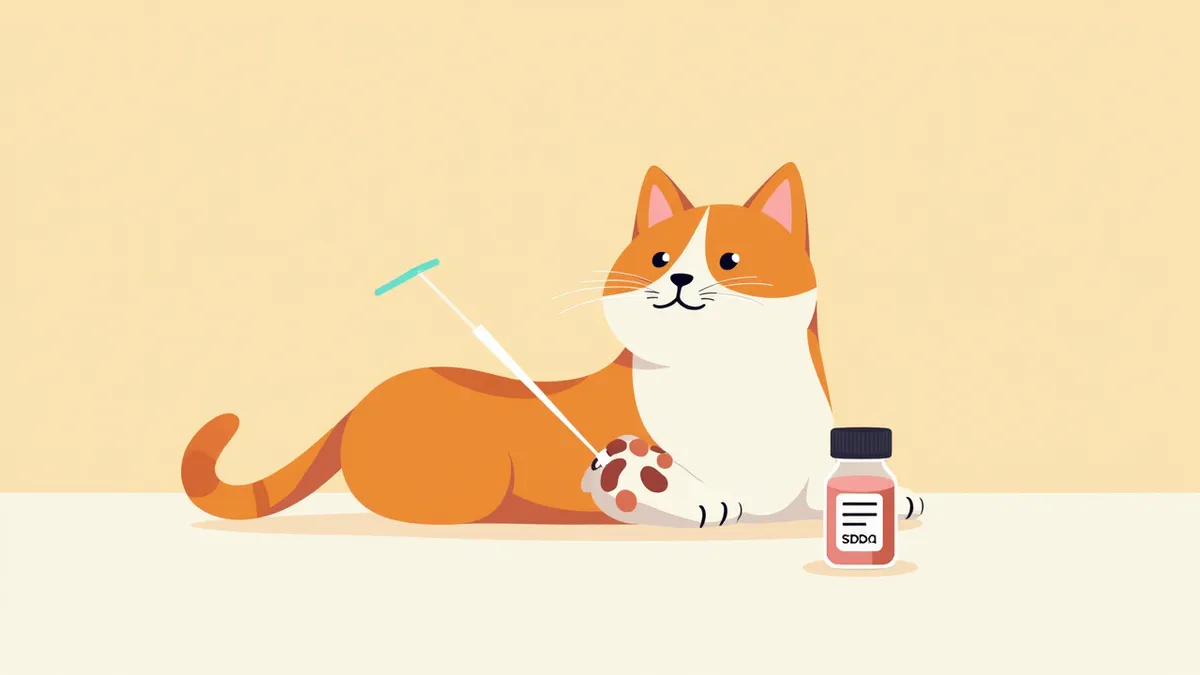
A veterinarian collecting blood from a cat’s paw and an SDMA test kit
Early screening for feline kidney function using SDMA is a blood test designed to detect chronic kidney disease at an early stage. SDMA (Symmetric Dimethylarginine) is a reliable kidney biomarker that is produced at a constant rate as intracellular proteins break down and is primarily excreted by the kidneys. It correlates well with the glomerular filtration rate (GFR). An elevated SDMA level indicates a decreased GFR and tends to detect abnormalities earlier than creatinine. - Significance of early detection: SDMA levels rise when approximately 40% of kidney function is lost, making it more sensitive to changes than creatinine, which typically increases only after about 75% of function is lost. Additionally, SDMA is less affected by age, body size, and muscle mass. - Testing method: The test requires only a simple blood draw and is used in conjunction with creatinine and urine tests to provide a comprehensive assessment of kidney function. - Recommendation for regular testing: Regular kidney function testing is recommended for senior cats (7 years and older). However, because SDMA levels can also rise in growing animals or in cases of infection or tumors, it is important not to rely on this single value alone and to confirm findings with additional tests.

What Are the Main Causes of Declining Kidney Function?
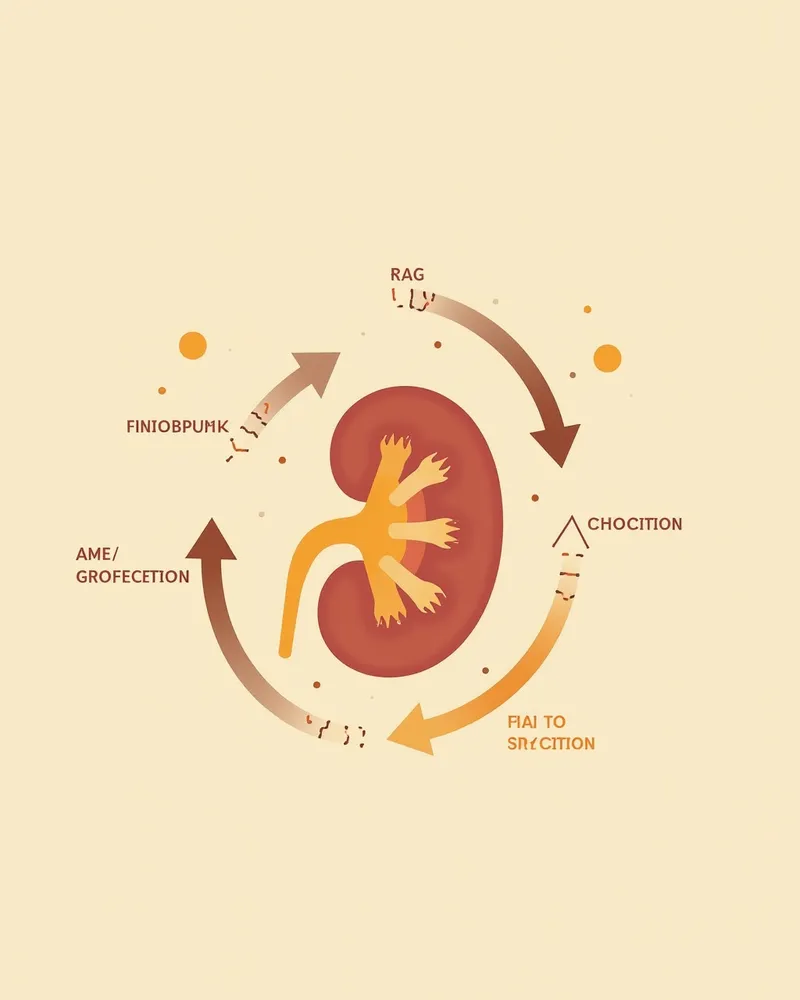
Kidney function decline in cats can stem from various causes. - Aging: Assessing kidney function becomes increasingly important for senior cats aged seven years and older. - Genetic predisposition: Certain breeds, such as Persians and Maine Coons, are known to be at higher risk. - Infections and stones: Primary kidney diseases like acute pyelonephritis (urinary tract infection) and kidney stones (nephrolithiasis) can directly damage the kidneys. - Urinary tract obstruction: Urethral obstruction is the most common cause of acute kidney injury in cats and can rapidly deteriorate kidney function. - Toxic substances: Ethylene glycol, plants from the lily family (Lilium and Hemerocallis), and certain medications can induce acute kidney injury. - Dehydration: Insufficient fluid intake reduces renal blood flow and glomerular filtration rate, placing additional strain on the kidneys. Early screening helps identify the underlying cause, enabling appropriate preventive and management measures.
An illustrated diagram of a cat’s kidneys showing causes of reduced kidney function, such as aging, infections, and medications.

What Are the Main Symptoms of Early Kidney Dysfunction?

In the early stages of feline kidney dysfunction, symptoms are often minimal. However, the following signs gradually emerge. Ignoring these symptoms can lead to rapid disease progression. Early screening (SDMA) is crucial for detecting issues before symptoms appear.
Excessive thirst: Increased frequency of drinking water.
Frequent urination: More frequent trips to the litter box or increased urine volume.
Weight loss: Decreased appetite leading to sudden weight loss.
Fatigue: Sleeping most of the day or a sharp decline in activity levels.
Vomiting: Frequent vomiting due to gastrointestinal discomfort.
Deteriorating coat condition: Fur becomes coarse and prone to shedding.
Everyday scenes depicting a cat drinking water, using the litter box, and in a state of shock

Signs That Require Immediate Veterinary Visit

If your cat suddenly loses its appetite, experiences repeated vomiting, or stops defecating entirely, seek veterinary care immediately. These symptoms may indicate severely compromised kidney function or acute kidney injury. Early treatment is critical for survival.

What Are the Diagnostic Test Methods?
Early screening for feline kidney function using SDMA helps assess renal filtration capacity through blood tests. - SDMA test: SDMA tends to rise earlier than creatinine, making it advantageous for early diagnosis. However, it can also increase due to non-renal factors such as dehydration, so it should not be interpreted in isolation. - Blood tests (CBC and serum chemistry): These check for azotemia and overall health status, including anemia. - Urinalysis: This evaluates proteinuria and urine specific gravity (concentrating ability) to determine the extent of kidney damage. - Ultrasound examination: This visually assesses kidney size and structural abnormalities. - Blood pressure measurement: Hypertension can be associated with kidney disease, so it is checked concurrently. A combination of medical history, physical examination, and various tests is used to establish an accurate diagnosis and treatment plan.
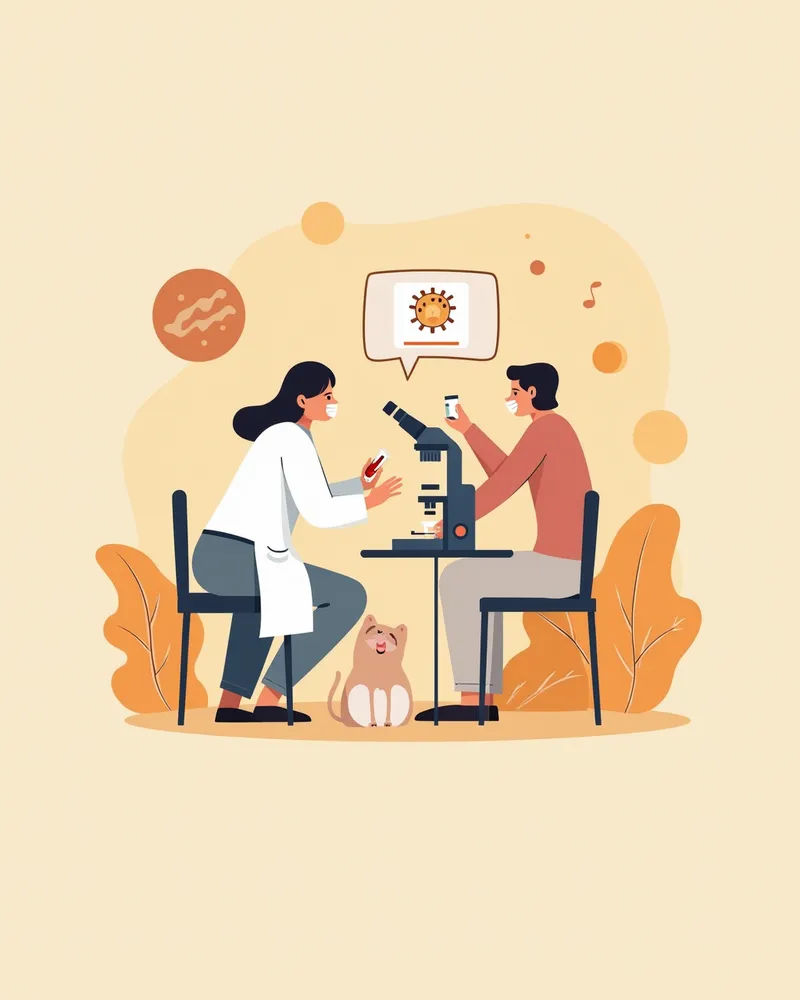
A veterinarian examining a blood sample and reviewing the SDMA results.

How Is Treatment Conducted?

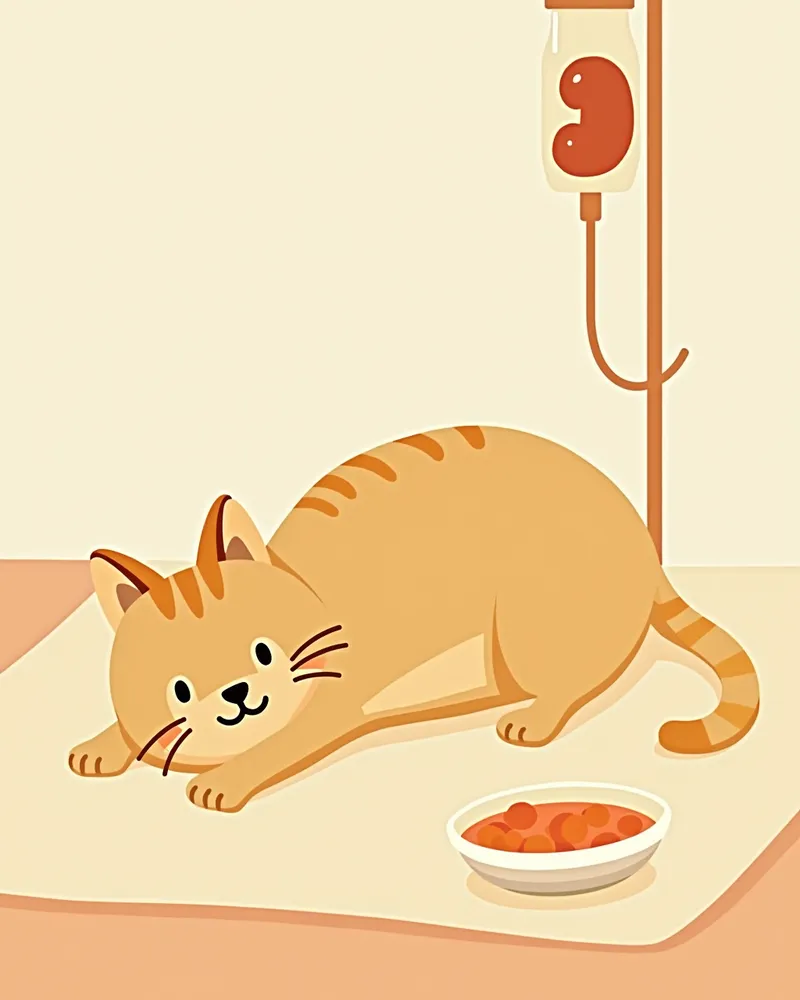
Treatment is tailored to the severity and underlying cause of the condition. - Dietary Management: We recommend specialized low-protein, low-phosphorus diets based on your cat’s weight and overall health status. - Fluid Therapy: Fluids are administered orally or intravenously to reduce the workload on the kidneys. - Medication: Drugs are prescribed to manage complications such as hypertension, anemia, and acidosis. - Regular Monitoring: Blood and urine tests are performed consistently to track changes in your cat’s condition. Treatment is lifelong, and early management significantly improves quality of life.
A scene of a cat receiving treatment with intravenous fluids and a special diet.

What Are the Key Management Points at Home?

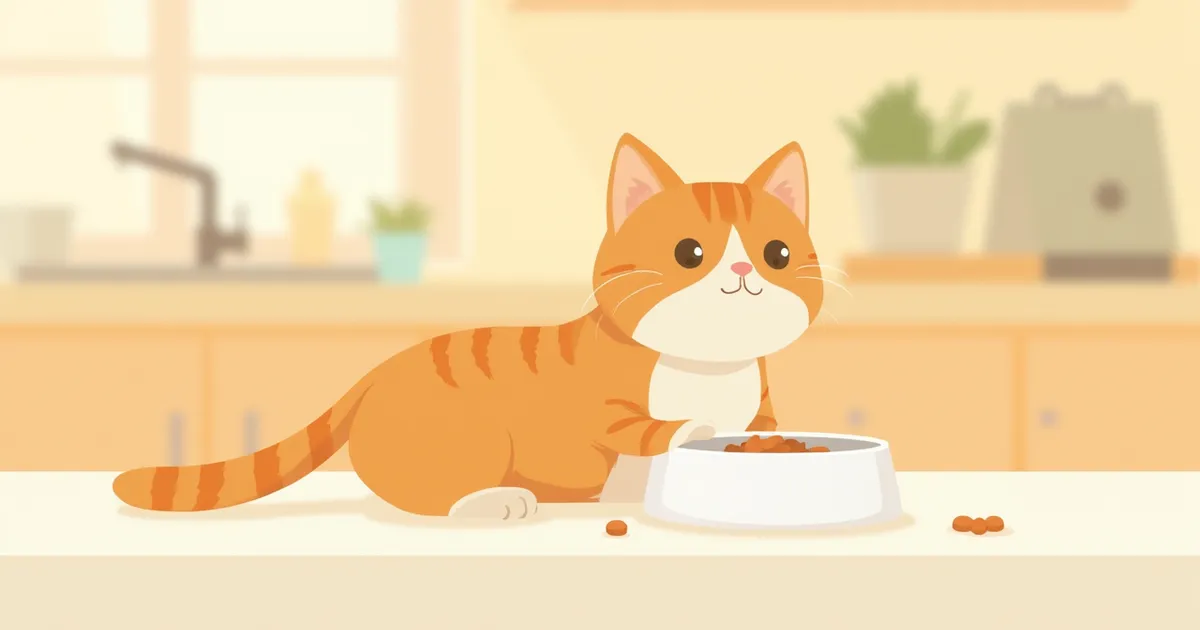
Maintaining your cat’s kidney health requires consistent daily care. - Dietary Management: Feed a veterinarian-recommended prescription diet consistently. - Water Supply: Always provide clean, fresh water, and place water bowls in multiple locations around the home. - Environmental Adjustments: Keep the litter box clean and provide a quiet space to minimize stress. - Regular Check-ups: Monitor kidney function with SDMA tests every six to twelve months. - Behavioral Observation: Seek immediate veterinary care if you notice signs such as decreased appetite, vomiting, or changes in elimination habits. Consistent care plays a vital role in preserving kidney function.
A stable environment for your cat, complete with a clean litter box, fresh water bowl, and special diet food.

Senior Cats and Breed-Specific Precautions

Senior cats (7 years and older) are at higher risk for kidney disease. Certain breeds, such as Persians, Black Persians, and Maine Coons, have a genetic predisposition. Regular screening with SDMA tests is important. If left undetected and untreated in the early stages, treatment becomes more difficult.

Reviewed by a veterinarian

Dr. Tony — Punnawat Phongkittirak

Dr. Tony — Punnawat Phongkittirak

Veterinarian

A veterinarian who majored in veterinary medicine at Khon Kaen University, Thailand, and completed the IVSA program at North Carolina State University in the United States. Drawing on clinical experience at animal hospitals, he works in the pet healthcare field and is dedicated to building a digital care environment that connects pet parents with veterinarians.

Frequently Asked Questions

When is the best time to get an SDMA test?
For senior cats aged 7 and older, annual check-ups are recommended, while those aged 10 and above should be seen every six months. Regular exams are essential for early detection.
How much does the SDMA test cost?
The cost typically ranges from $20 to $40. While prices may vary by clinic, early treatment offers significant long-term cost savings.
If your pet’s SDMA test result is high, do you absolutely need to visit the clinic?
Yes, an elevated SDMA level suggests a high likelihood of reduced kidney function. Further testing is needed to confirm the diagnosis.
Can dietary management alone prevent kidney disease?
Dietary management is crucial, but once the kidneys are already damaged, recovery is difficult. Early detection and veterinary treatment are essential.
My cat won’t eat its prescription diet. What should I do?
Try mixing it in gradually or using a strong-smelling food to entice your pet. The products recommended by veterinarians are formulated to balance taste and nutrition.

Share

Related Guides

References

[1] Catherine E. Langston et al. (2023) Small Animal Critical Care Medicine, 3rd Edition. Elsevier.

[2] The Cat, Clinical Medicine and Management, 2nd Edition (2022). Elsevier.

[3] The Veterinary Workbook of Small Animal Clinical Cases (2021). Wiley-Blackwell.

This information is based on veterinary literature and does not replace diagnosis or treatment. Please consult a veterinarian for specific health concerns.

Metapet Co., Ltd. | CEO: Park Sung-yong | Business Reg. No. 417-88-02562 | Seoul, South Korea | Customer Center

Early Kidney Screening for Cats (SDMA): Why and When to Test | Meongsiljang