

Cat Ear Mites: Symptoms, Causes, Diagnosis, Treatment, and Management Essentials
Cat ear mites are tiny parasites that live in the ears, causing itching and inflammation that can make your cat uncomfortable. Early diagnosis and proper treatment are essential.
What Are Cat Ear Mites?

Main Causes of Ear Mites
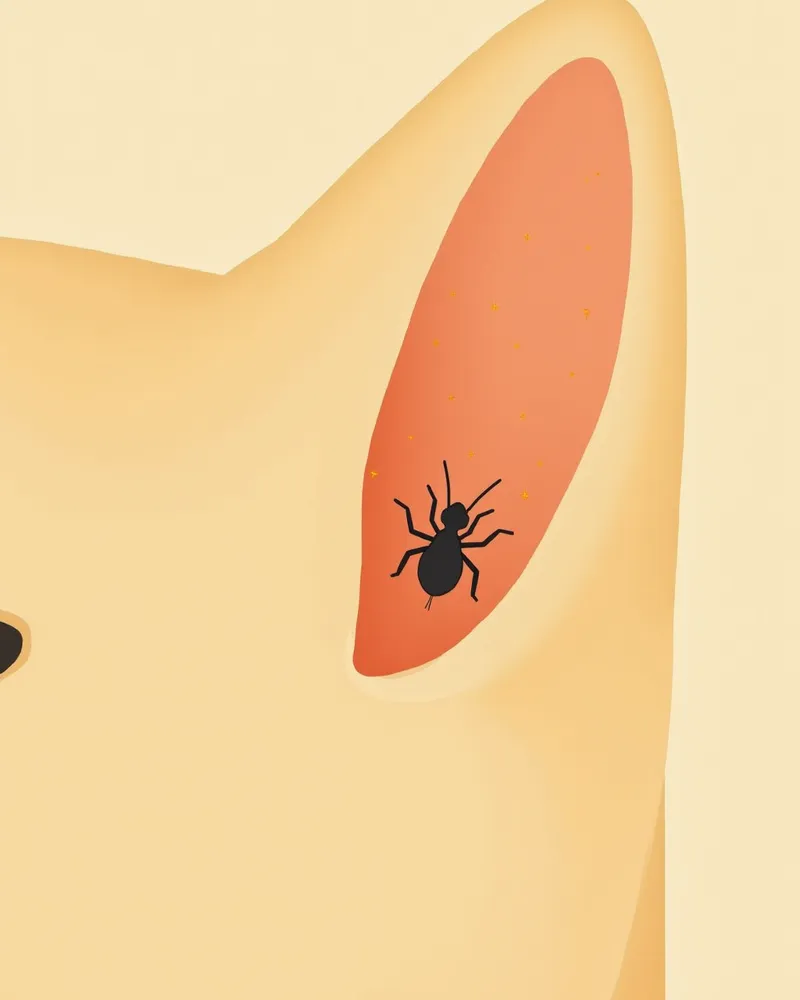
Key Symptoms and Signs

When to Visit the Vet Immediately
If your cat is repeatedly scratching its ears, shaking its head, or showing signs of discomfort, and you notice black debris or a foul odor coming from the ears, consult a veterinarian immediately. Leaving ear mite infestations untreated for too long can lead to severe scratching, resulting in hematomas (auricular hematomas) on the ear flaps or progressing to chronic otitis externa. Early treatment is crucial to prevent these complications.
Accurate Diagnostic Methods

Treatment Methods and Step-by-Step Management

Home Care Points

Precautions for Multi-Cat Households
If one cat is infected with ear mites, other cats living in the same household can easily become infected as well. Even if they show no symptoms, they may still be asymptomatic carriers, so it’s important to treat all cats simultaneously and thoroughly disinfect any shared items. During treatment, minimize contact between the cats and provide them with separate spaces.
Reviewed by a veterinarian

Dr. Tony — Punnawat Phongkittirak
VeterinarianA veterinarian who majored in veterinary medicine at Khon Kaen University, Thailand, and completed the IVSA program at North Carolina State University in the United States. Drawing on clinical experience at animal hospitals, he works in the pet healthcare field and is dedicated to building a digital care environment that connects pet parents with veterinarians.
Reviewed 2026-06-29
Frequently Asked Questions
Can cat ear mites be transmitted to humans?
How long does it take to treat ear mites?
How can I prevent ear mites?
My cat seems anxious during mite treatment. Is that normal?
Can hearing loss caused by ear mites be reversed?
Share
Related Guides

5 Flea and Tick Preventives for Cats Recommended by Veterinarians — Ingredient Safety Comparison

The Ultimate Guide to Differentiating Symptoms, Managing Internal Parasites in Dogs, and Choosing the Best Products

Best Practices and Selection Criteria for Dog Heartworm Antigen Testing

Feline Internal Parasites: Comprehensive Guide to Symptom Differentiation, Causes, Diagnosis, Treatment, and Management

Feline Dermatophytosis (Ringworm): A Complete Guide to Differential Symptoms, Causes, Diagnosis, Treatment, and Management

Feline Cryptosporidiosis: Symptoms, Causes, Diagnosis, Treatment, and Management Essentials

Guide to Choosing Feline Broad-Spectrum Dewormers: Symptoms, Causes, Diagnosis, Treatment, and Care Essentials

Cat Hookworm Symptoms, Causes, Diagnosis, Treatment, and Management: A Complete Guide

Canine Oral Squamous Cell Carcinoma: Symptoms, Causes, Diagnosis, Treatment, and Management Essentials

Canine Oral Papillomas: Symptoms, Causes, Diagnosis, Treatment, and Management Essentials
References
[1] BSAVA Manual of Canine and Feline Dermatology, 4th Ed. British Small Animal Veterinary Association, 2020.
[2] Principles and Practices of Canine and Feline Clinical Parasitic Diseases. Wiley-Blackwell, 2015.
[3] Otodectes cynotis infestation in cats: Diagnosis and management. Journal of Feline Medicine and Surgery, 2018, 20(7), 623–630.