
Dog Urethral Obstruction: Symptoms, Causes, Diagnosis, Treatment, and Management Essentials
Urethral obstruction in dogs is a life-threatening emergency in which the urethra becomes blocked, preventing urine from passing. Prompt intervention can save your dog’s life. Common causes include urinary stones, inflammation, and tumors.
Urethral Obstruction in Dogs is an Emergency Condition Where the Urethra is Blocked and Urine Cannot Pass
The Main Causes of Urethral Obstruction are Stones, Inflammation, Tumors, and Muscle Spasms
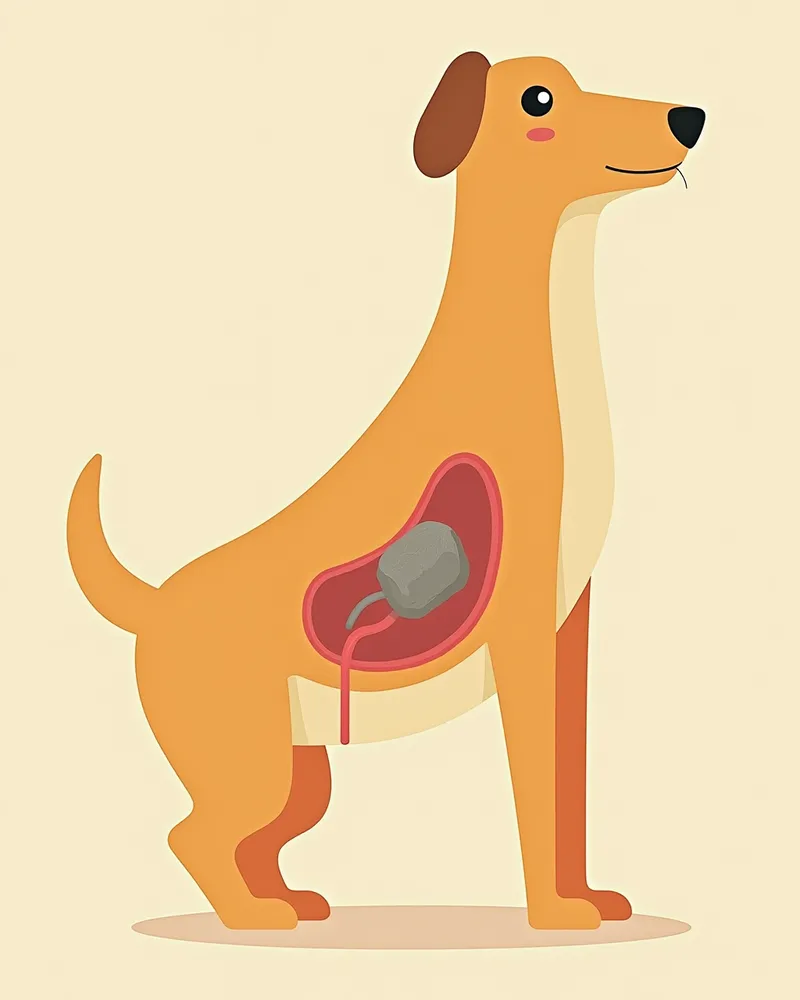
The Main Symptoms of Urethral Obstruction are Attempts to Urinate, Pain, Vomiting, and Lethargy
This is an Emergency Situation Requiring Immediate Veterinary Attention
If your dog is trying to urinate but nothing comes out, or is straining and showing signs of distress, this is an emergency that requires immediate veterinary attention. If the urethral obstruction is not relieved, kidney function can be damaged, and electrolyte imbalances (such as hyperkalemia) can become life-threatening. Do not wait at home; take your dog to an emergency veterinary clinic right away.
Diagnosis is Performed Using Ultrasound, Radiography, Urinalysis, and Blood Tests
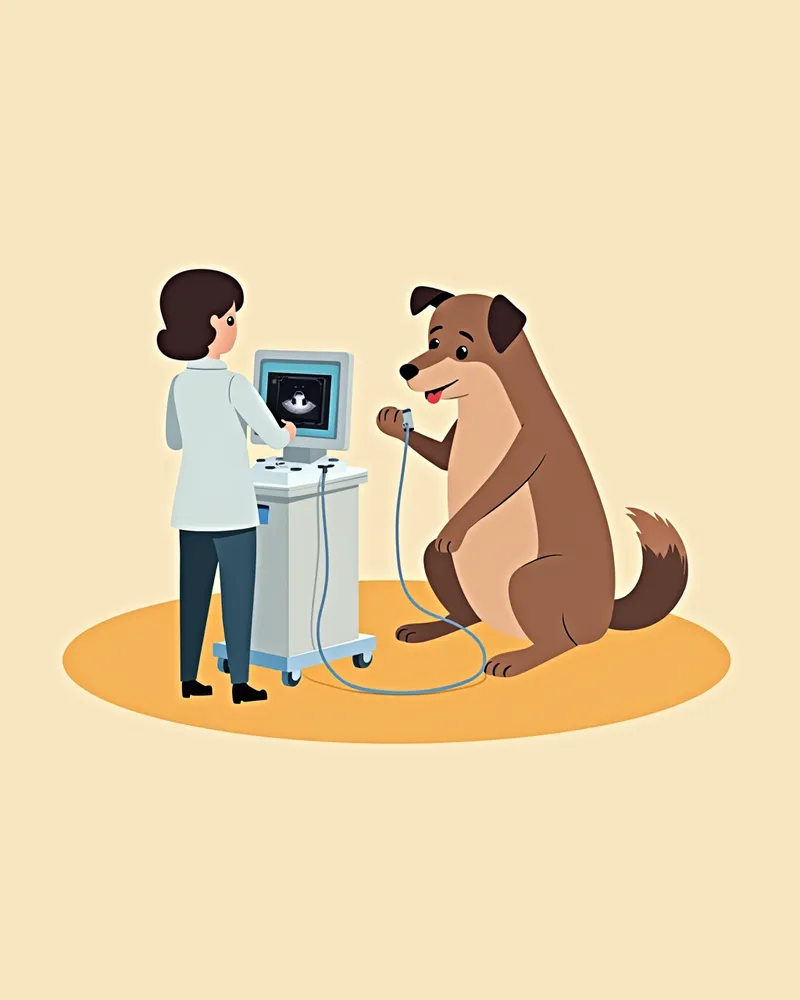
Treatment Proceeds Step-by-Step with Catheter Insertion, Surgery, and Medication
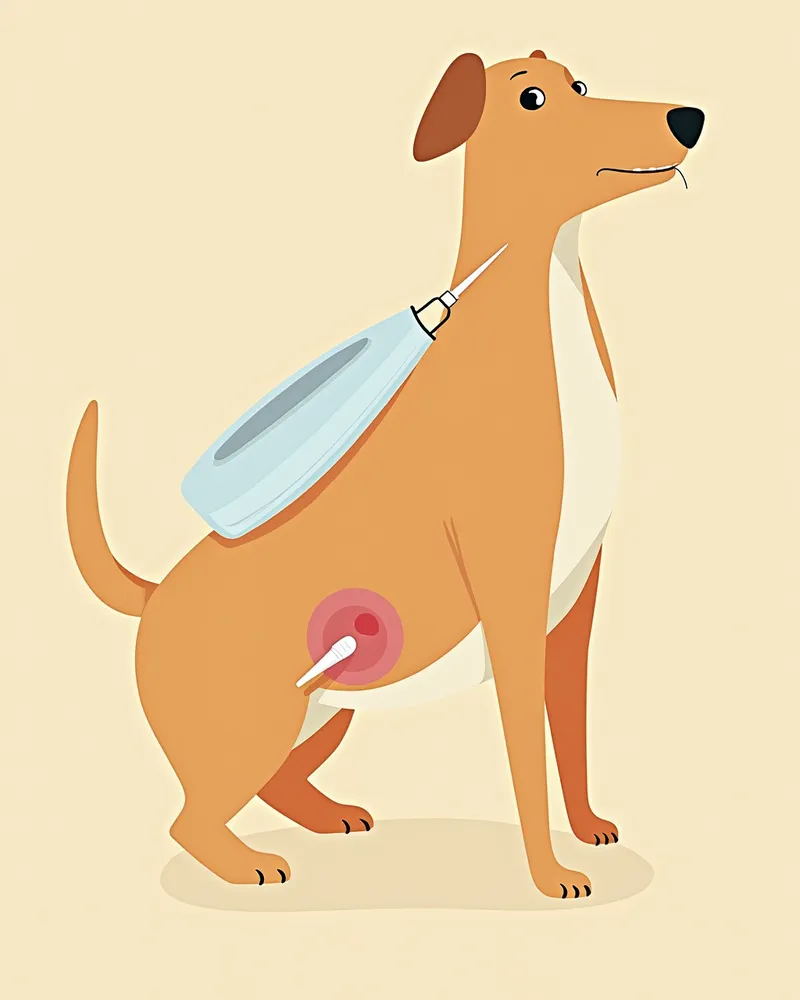
Home Care Focuses on Catheter Maintenance, Medication Administration, and Dietary Management
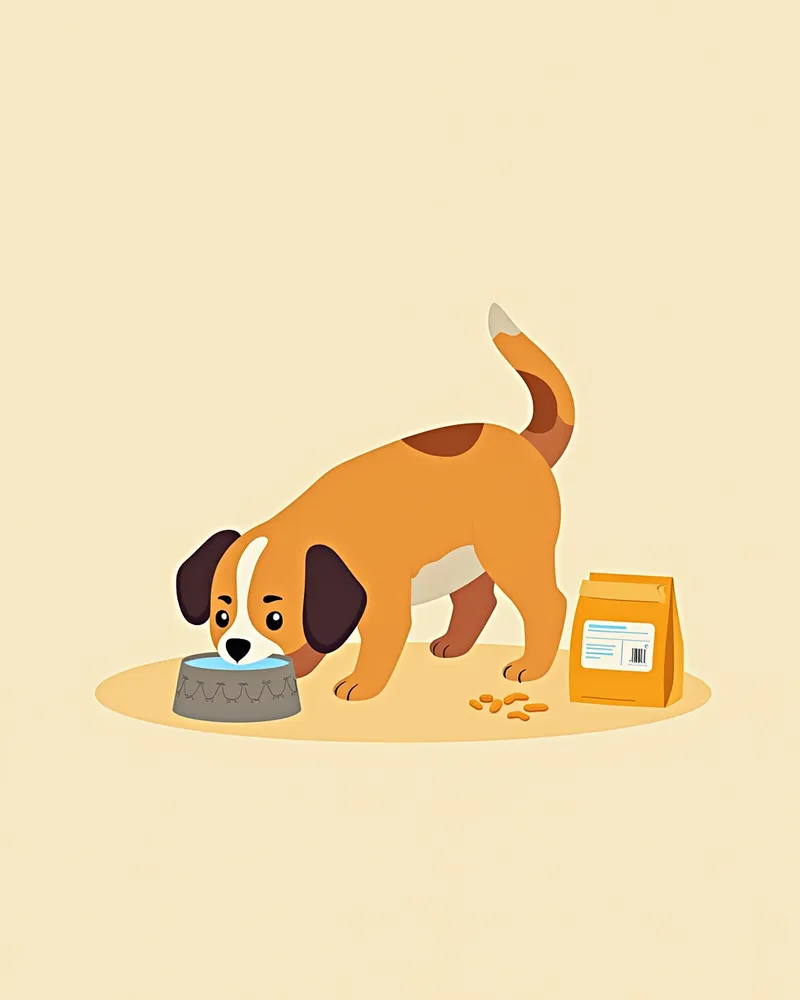
Prevention of Recurrence and Breed-Specific Precautions are Necessary
Male dogs are at a higher risk of urethral obstruction because their os penis can trap urinary stones. The type of stone that forms can vary by breed, so please consult your veterinarian to determine the best management plan for your pet. After catheter removal, avoid strenuous activity and encourage frequent water intake. We recommend regular check-ups and urinalysis to prevent recurrence, as early detection significantly aids recovery.
Reviewed by a veterinarian

Dr. Tony — Punnawat Phongkittirak
VeterinarianA veterinarian who majored in veterinary medicine at Khon Kaen University, Thailand, and completed the IVSA program at North Carolina State University in the United States. Drawing on clinical experience at animal hospitals, he works in the pet healthcare field and is dedicated to building a digital care environment that connects pet parents with veterinarians.
Reviewed 2026-06-29
Frequently Asked Questions
Why is urethral obstruction more common in male dogs?
Can urethral obstruction be treated at home?
Can urethral obstruction recur after treatment?
How much does treatment for a urethral obstruction cost?
When is the appropriate time to remove the catheter after treating a urethral obstruction?
Share
Related Guides

Top 5 Prescription Diets for Feline FLUTD — Comparison by Struvite and Calcium Oxalate Stones
Top Recommended Diets for Preventing Canine Urinary Tract Stones and Key Selection Criteria

Top 7 Prescription Diets for Feline Bladder and Urinary Tract Health Recommended by Veterinarians — Including Selection Criteria
If You Feel a Lump on Your Dog’s Neck — Causes of Thyroid Nodules and Cysts and Signs to Visit the Vet
If Your Dog Keeps Losing Hair — Causes and Treatment of Sex Hormone-Related Skin Conditions
Comprehensive Guide to Symptoms, Causes, Diagnosis, Treatment, and Management of Hormonal Imbalances During Pregnancy and Lactation in Dogs
If Your Dog Is Drinking Excessive Water and Showing Lethargy — Causes and Treatment of Parathyroid Hypercalcemia
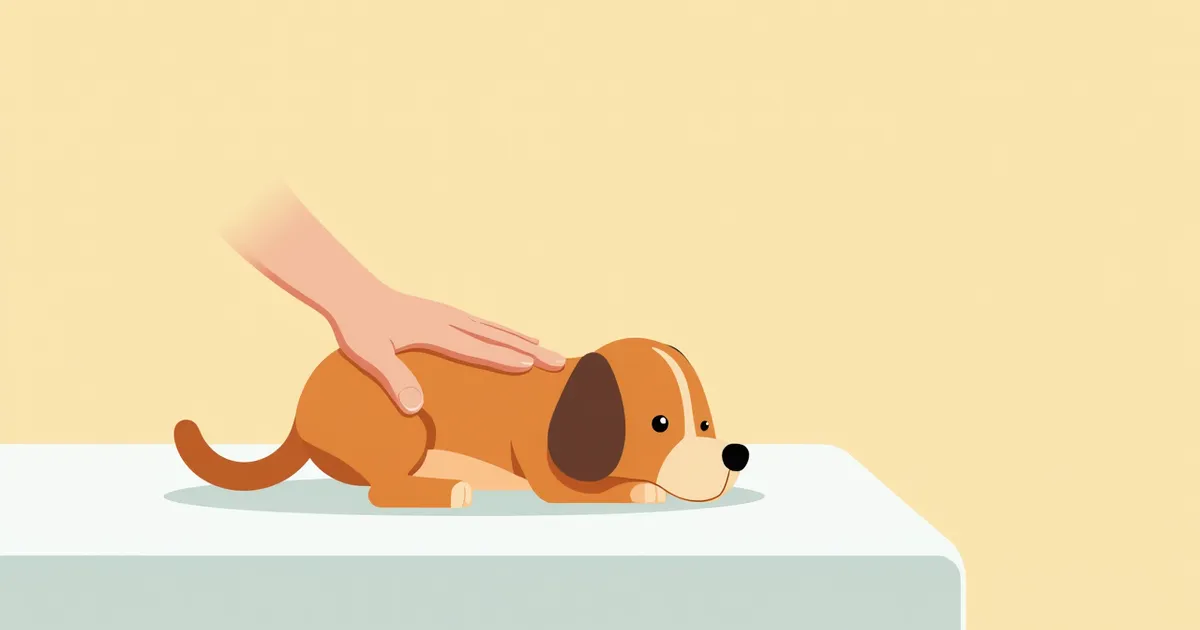
Comprehensive Guide to Hormonal Changes After Dog Neutering: Symptoms, Causes, Diagnosis, Treatment, and Management
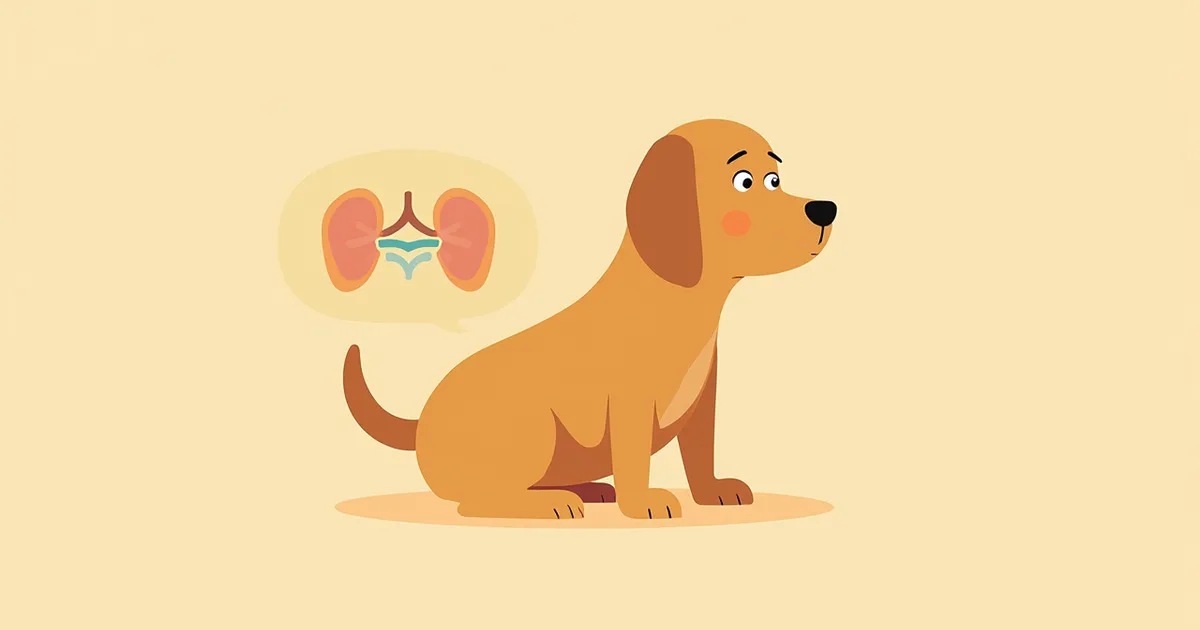
If Your Dog Suddenly Panting and Trembling — From Symptoms to Treatment of Adrenal Medullary Tumors

If Your Dog Keeps Trembling and Having Seizures — Hypoparathyroidism, Hypocalcemia Symptoms, and Treatment
References
[1] Withrow, S.J. et al. (2020). Veterinary Surgical Oncology, 2nd Ed. Elsevier.
[2] Plumb's Drug Handbook for Dogs and Cats, 2023 Edition. Wiley-Blackwell.
[3] BSAVA Manual of Canine and Feline Dermatology, 4th Ed. BSAVA Publications.