Like
Share
멍실장
고양이 심실중격결손 증상과 원인, 진단·치료와 관리 포인트 총정리

If Your Cat Is Frequently Short of Breath — Warning Signs of Ventricular Septal Defect and When to Visit the Vet

HeartDiseasesMeongsiljang Veterinary Advisory Board

Feline ventricular septal defect is a congenital heart condition in which a hole in the heart’s septum causes abnormal blood flow. Early detection and proper management are essential.

What Is Ventricular Septal Defect in Cats?
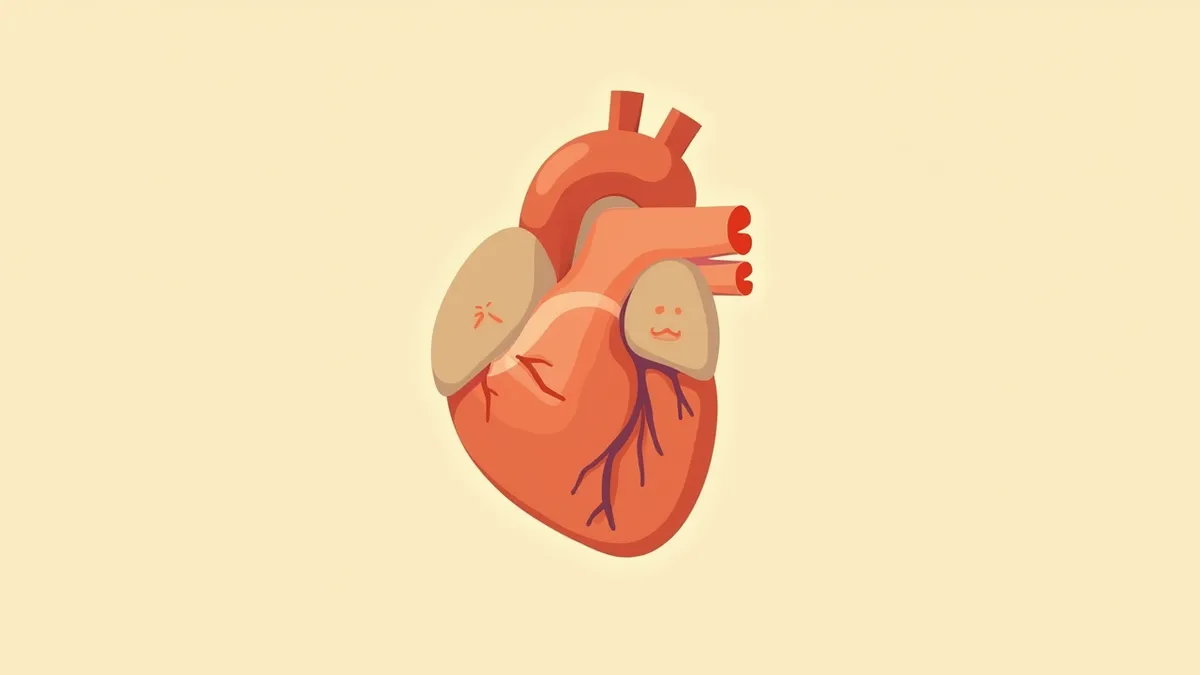
An anatomical diagram of a cat’s heart with a ventricular septal defect
Ventricular septal defect (VSD) in cats is a congenital heart disease in which blood flows abnormally due to a hole between the left and right ventricles of the heart. It is one of the relatively common congenital heart defects. Because blood leaks from the high-pressure left ventricle into the right ventricle, it places an excessive burden on the heart, and in severe cases, it can lead to heart failure. Most cases are congenital abnormalities present at birth, believed to occur when the septum separating the left and right ventricles fails to close completely during fetal heart development. Small defects may be asymptomatic, but larger defects or significant blood flow burdens can cause symptoms such as difficulty breathing and fatigue. Early diagnosis and consistent management help maintain stable condition. It is important to detect the condition early through regular checkups, even before symptoms appear.

What Are the Main Causes of Ventricular Septal Defect?
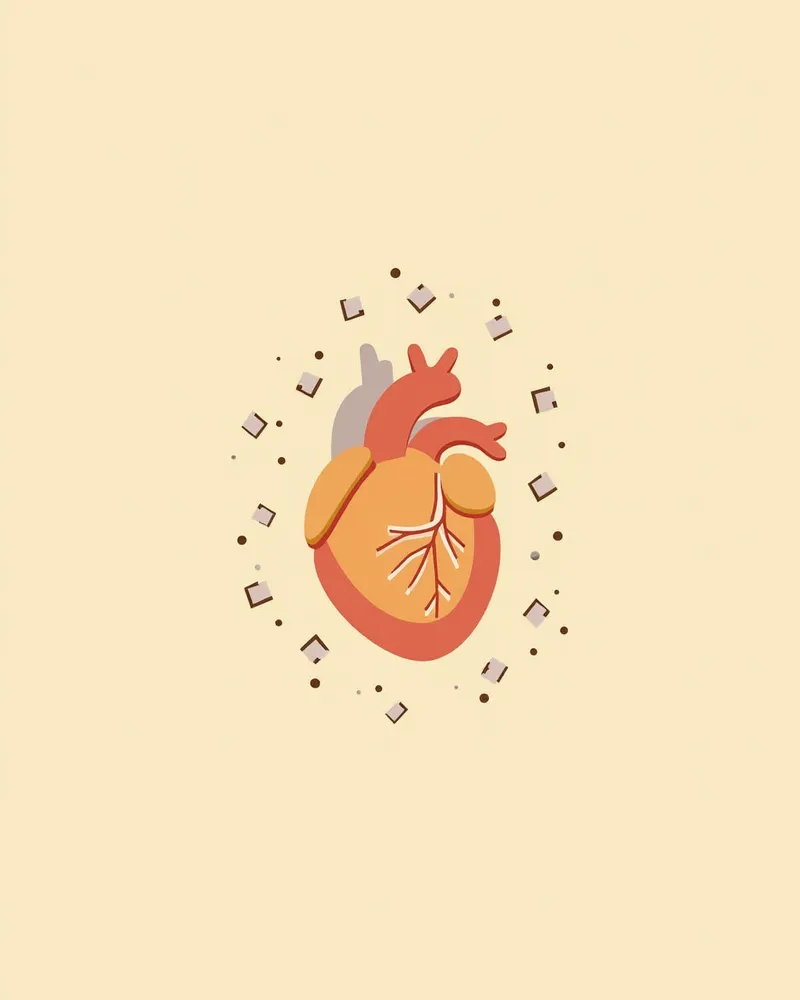
Ventricular septal defects are mostly congenital abnormalities present from birth. They are believed to occur when the septum separating the left and right ventricles fails to close completely during fetal heart development. However, in cats, research on the exact prevalence of congenital heart disease and breed-specific predispositions is still insufficient, so there is not enough evidence to definitively state that certain breeds are more prone to this condition. Therefore, rather than focusing on specific breeds, it is more important to have heart examinations performed on young cats to check for any defects. Depending on the size of the defect and the degree of blood flow burden, the heart's workload may increase over time, leading to worsening symptoms. Early detection is a crucial factor in establishing an appropriate management plan.
A diagram explaining the genetic causes of ventricular septal defect in cats

What Are the Main Symptoms of Ventricular Septal Defect?
Symptoms of a ventricular septal defect vary depending on the size of the defect and heart function. Initially, there may be no symptoms, but as the condition progresses, the following signs may appear:
Difficulty breathing: Shortness of breath may occur after exercise or even at rest.
Fatigue: There may be a decrease in daily activity and a tendency to avoid play.
Abnormal heart rhythm: The heartbeat may become faster or irregular.
Weight loss: Due to increased cardiac burden, appetite may decrease and weight may drop.
Coughing: A cough may develop when blood accumulates in the lungs.
If any of these symptoms appear, consult your veterinarian immediately.
A cat showing respiratory distress due to a ventricular septal defect

Signs That Require Immediate Veterinary Visit

If your pet’s heart rate becomes very fast or irregular, you should seek veterinary care immediately. Additionally, a sudden worsening of coughing or a bluish discoloration of the lips or paw pads are signs of severe heart failure. In such cases, prompt evaluation by a veterinarian can be life-saving.

How Is It Diagnosed?
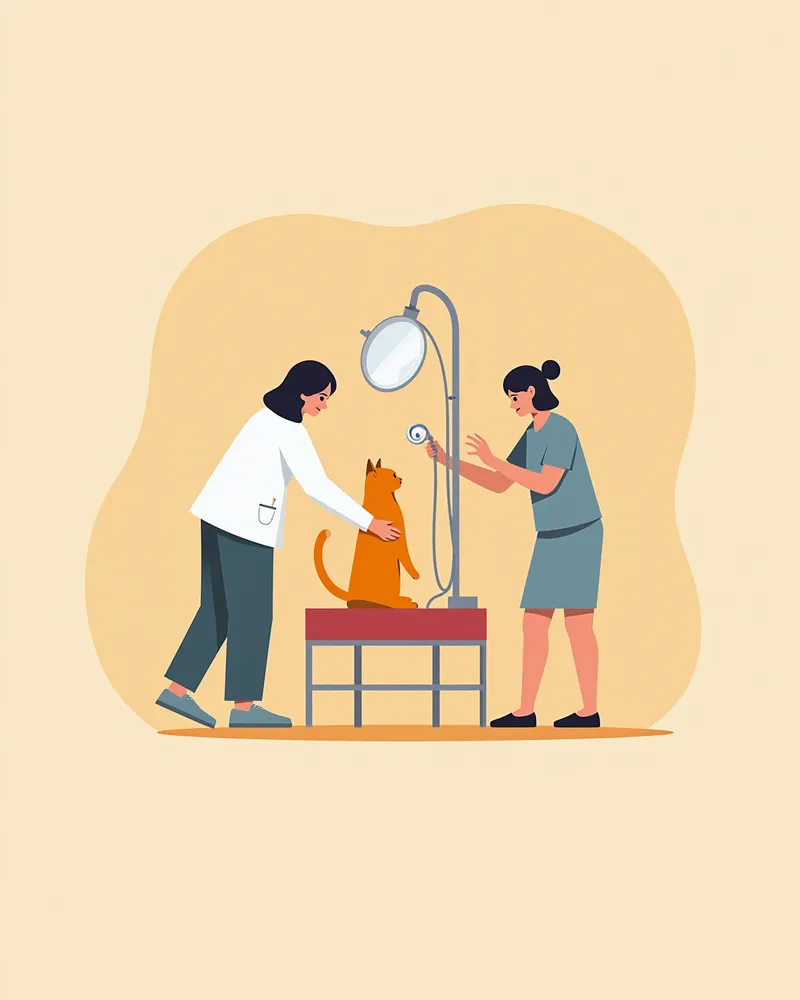
Ventricular septal defects are primarily diagnosed accurately through echocardiography (cardiac ultrasound). - Echocardiography: This allows real-time visualization of heart structure and blood flow to determine the location and size of the defect. - Chest X-ray: This helps assess abnormalities in heart size and shape. - Electrocardiogram (ECG): This evaluates irregularities in the heart's electrical activity. Early detection is possible through regular check-ups, even when no symptoms are present. A comprehensive analysis of these test results ensures an accurate diagnosis, which is crucial for developing an effective treatment plan.
A veterinarian performing an echocardiogram on a cat

What Are the Treatment Options?

Treatment depends on the size of the defect and the severity of symptoms. If the defect is small and asymptomatic, regular check-ups and monitoring may be sufficient. If there is a significant burden on blood flow or symptoms such as congestive heart failure or arrhythmias appear, medication is administered to alleviate these symptoms, and diuretics may be prescribed to reduce pulmonary edema. However, in cats, it is difficult to perform open-heart surgery or catheter-based closure to directly close the defect, as is done in humans, and suitable instruments are also lacking. Therefore, medical treatment to alleviate symptoms is primarily recommended at present. The focus is on stabilizing the condition by managing cardiac burden and symptoms with medication rather than surgical correction. Regular follow-up care is essential even after treatment.
A cat recovering after heart surgery

Home Care Points

Home care for cats with ventricular septal defects is essential to improving their quality of life. It’s important to minimize stress and maintain a quiet environment to reduce strain on the heart. Provide regular meals and appropriate exercise while avoiding excessive activity. Be cautious of environmental changes or loud noises, as these can be stimulating. Regular veterinary check-ups are necessary to continuously monitor heart condition, and medication should be administered accurately and consistently.
A cat with a ventricular septal defect resting in a calm, stable environment.

Breed-Specific Precautions and Prevention of Recurrence

Research on breed-specific risks for congenital heart disease in cats is still limited, so it’s difficult to definitively say that certain breeds are more prone to ventricular septal defects. However, since congenital heart defects are often detected early in life, it’s a good idea to have newly adopted or acquired kittens undergo a cardiac examination as soon as possible. Cats showing symptoms or already diagnosed should be carefully evaluated, and those receiving medication should have regular cardiac check-ups to consistently monitor any changes in their condition.

Reviewed by a veterinarian

Dr. Tony — Punnawat Phongkittirak

Dr. Tony — Punnawat Phongkittirak

Veterinarian

A veterinarian who majored in veterinary medicine at Khon Kaen University, Thailand, and completed the IVSA program at North Carolina State University in the United States. Drawing on clinical experience at animal hospitals, he works in the pet healthcare field and is dedicated to building a digital care environment that connects pet parents with veterinarians.

Frequently Asked Questions

Is ventricular septal defect a common condition in cats?
Ventricular septal defect is known to be one of the relatively common congenital heart defects. However, there is insufficient research on its exact prevalence or breed-specific differences in cats.
Is ventricular septal defect treatable?
In cats, surgical closure of the defect is often difficult, so management typically focuses on medication to alleviate symptoms and reduce the heart’s workload. Early diagnosis and consistent care are essential.
Is ventricular septal defect treated with surgery?
In cats, it is difficult to perform open-heart surgery or catheter-based closure to repair the defect, and suitable equipment is also limited. Therefore, medication to alleviate symptoms is generally recommended over surgery.
Do cats with a ventricular septal defect need to take medication for life?
Once the symptoms stabilize, medication may no longer be necessary, but regular check-ups and your veterinarian’s assessment are still essential.
Is ventricular septal defect hereditary?
Most cats are born with this congenital defect, but there is still insufficient evidence regarding breed-specific genetic predispositions or the effectiveness of genetic testing.

Share

Related Guides

References

[1] The Cat, Clinical Medicine and Management, 2nd Edition, 2023

[2] Textbook of Cardiovascular Medicine in Dogs and Cats, 2021

[3] Small Animal Critical Care Medicine, 3rd Ed, 2020

This information is based on veterinary literature and does not replace diagnosis or treatment. Please consult a veterinarian for specific health concerns.

Metapet Co., Ltd. | CEO: Park Sung-yong | Business Reg. No. 417-88-02562 | Seoul, South Korea | Customer Center

Cat Often Short of Breath? Ventricular Septal Defect Signs | Meongsiljang