Like
Share
멍실장
강아지 갑상선 결절·낭종 증상과 원인, 진단·치료와 관리 포인트 총정리

If You Feel a Lump on Your Dog’s Neck — Causes of Thyroid Nodules and Cysts and Signs to Visit the Vet

EndocrineDiseasesMeongsiljang Veterinary Advisory Board

Thyroid nodules and cysts in dogs are abnormal growths that develop in the thyroid gland due to endocrine system disorders. Early detection and proper management are essential.

What Are Thyroid Nodules and Cysts in Dogs?
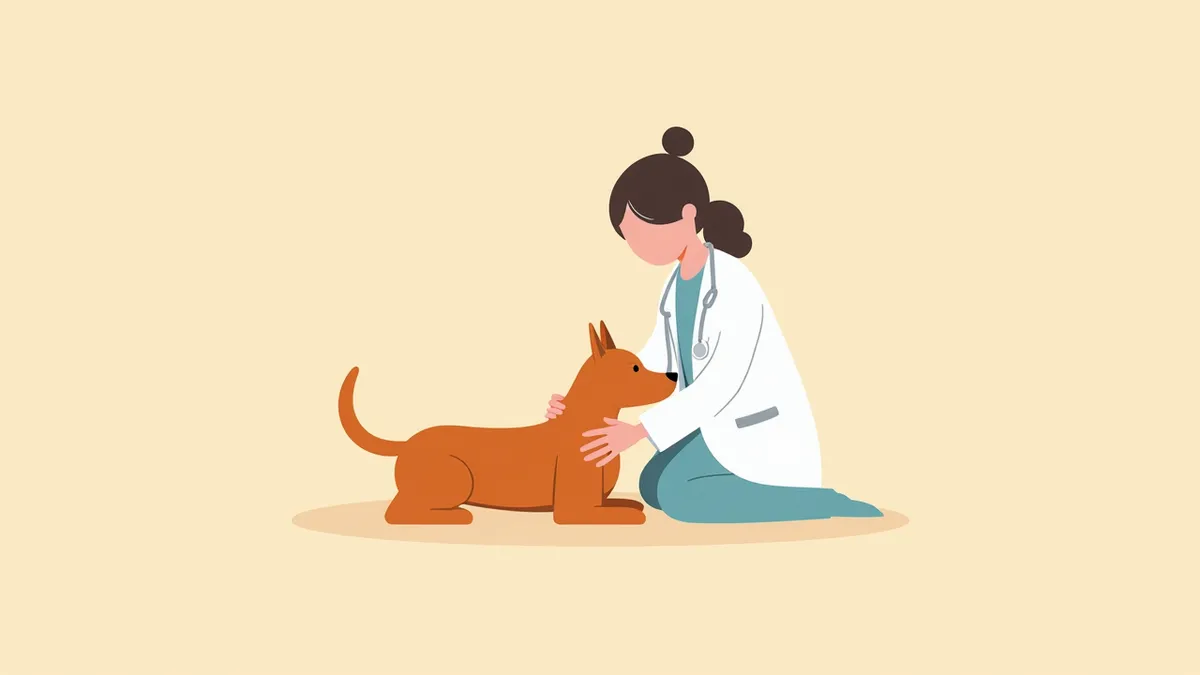
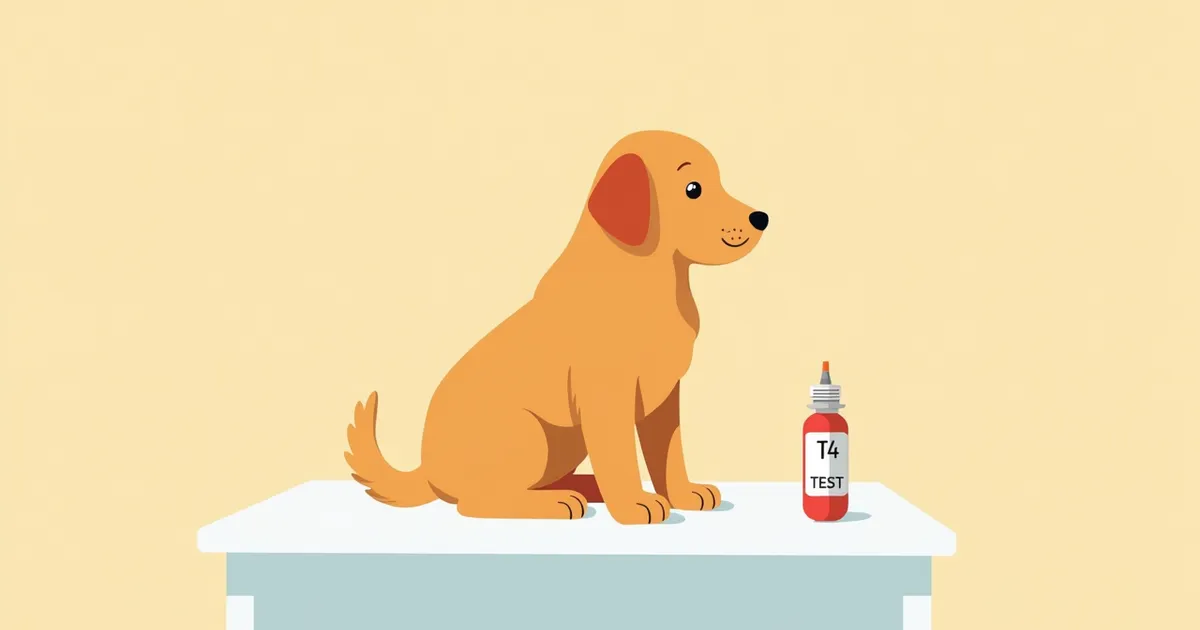
The veterinarian is palpating the puppy’s neck to check for thyroid nodules.
Thyroid nodules and cysts in dogs are abnormal growths in the thyroid gland that can be either benign or malignant, making accurate diagnosis essential. - Benign vs. Malignant Potential: While some nodules are benign, there is also the possibility of malignant tumors (thyroid carcinoma), so a biopsy is necessary to determine the nature of the growth. - Hormonal Imbalance: Some thyroid tumors secrete hormones, which can lead to functional abnormalities and result in weight changes or decreased activity levels. - Early Detection: Since symptoms may not always be present, regular check-ups are crucial. - Veterinary Examination: During routine exams, palpating the neck area can help detect issues at an early stage. - Monitoring Required: Even small lumps require immediate testing if any changes occur.

What Are the Main Causes of Thyroid Nodules and Cysts?
The exact cause of thyroid nodules and cysts in dogs remains unclear, but it is believed to result from a combination of factors. - Genetic predisposition: Certain breeds, such as Beagles, Boxers, Golden Retrievers, and Huskies, have been reported to have a higher risk. Familial (hereditary) forms have also been documented. - Age factor: These conditions primarily appear in middle-aged and older dogs and are rare in puppies under two years of age. - Sex factor: There is no clear evidence that one sex is more susceptible than the other. - Iodine and hormone synthesis: Iodine is essential for thyroid hormone synthesis. Congenital defects in iodine metabolism can lead to thyroid abnormalities. - Functional abnormalities: Accompanying symptoms may vary depending on the thyroid hormone secretion status.
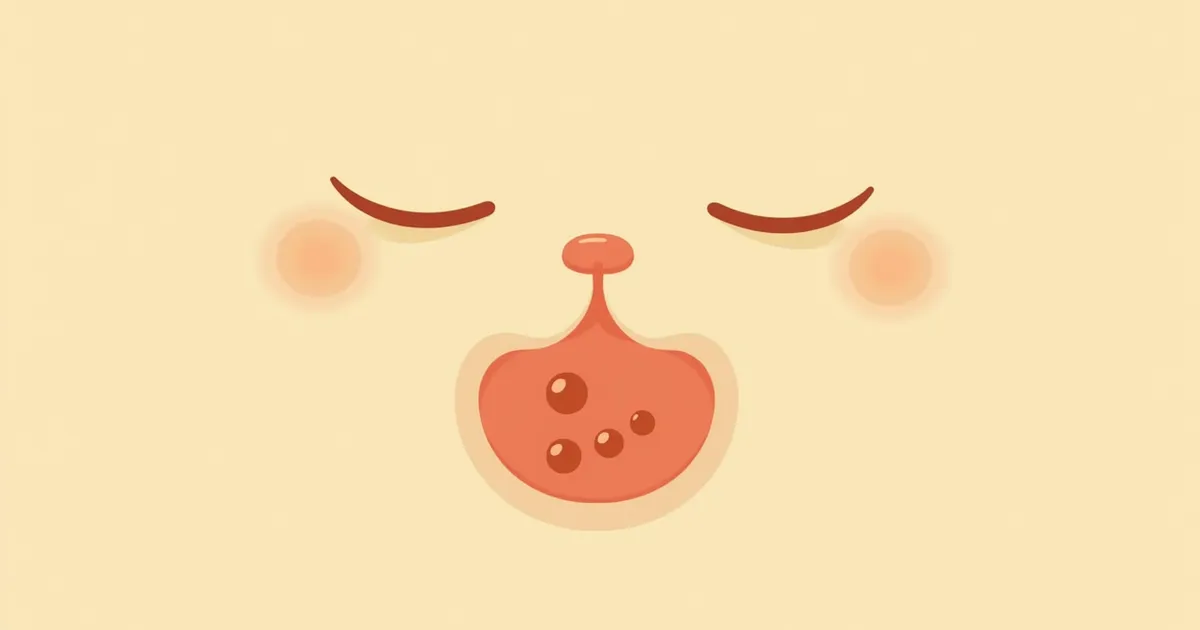
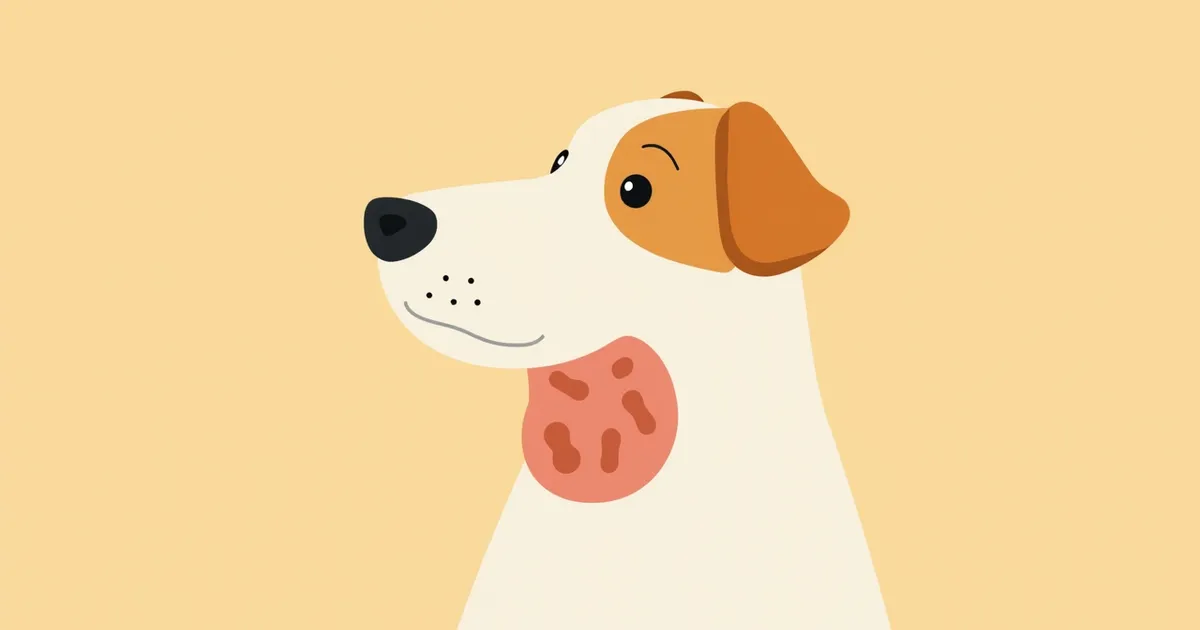
Anatomical illustration of nodules and cysts in a dog’s thyroid gland

Check for Main Symptoms and Signs

Thyroid nodules and cysts in dogs may not show any symptoms in the early stages. However, as the condition progresses, the following signs may appear. It’s important to carefully monitor these changes, as early detection can significantly aid treatment.
Swelling in the neck area: You may feel a lump or notice a mass on the front of the neck.
Shortness of breath or coughing: As the mass grows, it can press on the airway, making breathing difficult.
Difficulty swallowing: The presence of a lump in the neck may cause discomfort when swallowing.
Changes in activity level: Your dog may become lethargic, less active, or unusually sleepy.
Weight changes: In cases of hypothyroidism, weight gain may occur without changes in food intake, while excessive hormone levels can lead to weight loss.
A puppy struggling to swallow food

Signs Requiring Immediate Veterinary Visit

If a lump in the neck area grows rapidly, or if your pet experiences severe difficulty breathing, coughing, or swallowing, immediate veterinary care is essential. These symptoms may indicate serious conditions such as airway compression or hormonal imbalances. Delaying treatment can lead to complications, so prompt action is crucial.

Diagnostic Tests for Accurate Diagnosis
To accurately diagnose thyroid nodules or cysts, several tests are used together. - Ultrasound: Precisely assesses the size, shape, boundaries, and blood flow of the mass. - Blood tests: Measures T4 and TSH levels to evaluate thyroid function. - Biopsy: Determines whether a suspicious nodule is benign or malignant through tissue examination. - Imaging: If necessary, uses CT or MRI to evaluate whether surrounding organs are affected. - Comprehensive evaluation: Combines results from multiple tests to determine the treatment plan.
The veterinarian is performing an ultrasound examination of the dog’s thyroid gland.

Treatment Methods and Step-by-Step Approach
The treatment approach depends on the nature, size, and hormonal status of the nodule. - Surgical removal: If the nodule is large or compressing the airway, it is removed surgically. During thyroid tumor surgery, care is taken to preserve the surrounding parathyroid glands. - Radioactive iodine (I-131) and radiation therapy: If surgery is difficult or additional treatment is needed, radioactive iodine or external beam radiation therapy may be used. - Medication: In cases of hormone excess, medication is used to regulate function. - Regular monitoring: Even after treatment, regular check-ups are necessary to monitor the condition. - Individualized care: Consult with your veterinarian to develop a treatment plan best suited to your pet’s specific condition.
A puppy recovering after thyroid surgery

Home Care and Precautions

Consistent care remains essential even after treatment. - Regular check-ups: Monitor your pet’s condition with ultrasound and blood tests every 3 to 6 months. - Medication: Administer prescribed medications at the exact scheduled times. - Dietary management: Choose food formulated with nutrients that support thyroid health. - Stress management: Avoid environmental changes and excessive stimulation, and maintain a stable daily routine. - Exercise and rest: Avoid overexertion and balance appropriate activity with adequate rest. - Communication with your veterinarian: Contact us immediately if you notice any abnormal symptoms.
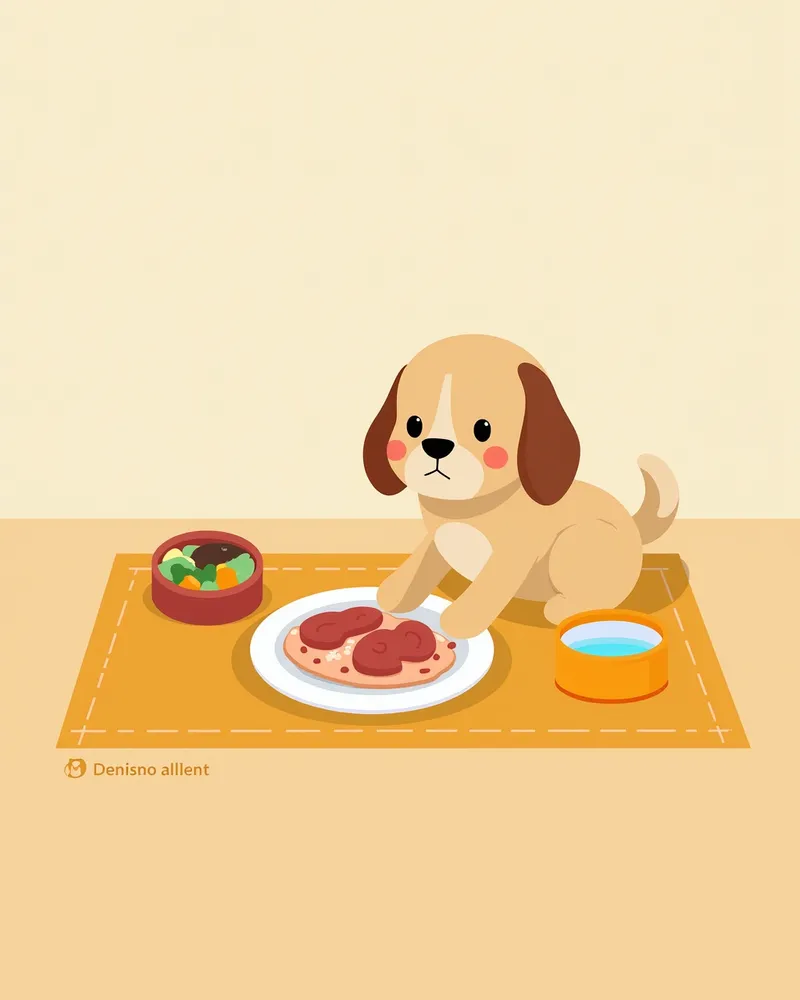
A meal corner that helps with your dog's thyroid health

Preventing Recurrence and Breed-Specific Precautions

Certain breeds are more susceptible to thyroid tumors. For example, Beagles, Boxers, Golden Retrievers, and Huskies have been reported to have a higher risk (in some regions, Shetland Sheepdogs and Old English Sheepdogs are also included). Even after treatment, regular follow-ups, such as ultrasound examinations, are necessary to monitor for recurrence. Early detection is key to managing recurrence.

Reviewed by a veterinarian

Dr. Tony — Punnawat Phongkittirak

Dr. Tony — Punnawat Phongkittirak

Veterinarian

A veterinarian who majored in veterinary medicine at Khon Kaen University, Thailand, and completed the IVSA program at North Carolina State University in the United States. Drawing on clinical experience at animal hospitals, he works in the pet healthcare field and is dedicated to building a digital care environment that connects pet parents with veterinarians.

Frequently Asked Questions

Can thyroid nodules in dogs be malignant?
Both benign and malignant (thyroid carcinoma) forms are possible, and the likelihood of malignancy in dogs is not insignificant. A biopsy is necessary for an accurate diagnosis.
Even if the lump is small, is treatment necessary?
It’s not so much about size as it is about hormone levels and symptoms. If there’s a hormonal imbalance or noticeable symptoms, treatment is necessary.
Is radioactive iodine therapy safe?
Although it’s a non-invasive treatment option, it requires a period of isolation and should only be decided after consulting with your veterinarian.
Does medication need to be continued for life?
Once hormone levels stabilize, the dosage can be adjusted, but most cases require long-term management.
Can dietary management help reduce the size of the lump?
While nutrients like iodine are linked to thyroid function, it’s difficult to eliminate nodules through diet alone. Treatment based on a proper diagnosis is necessary alongside dietary management.

Share

Related Guides

References

[1] Peterson ME, Kintzer PP, Hurvitz AI. Methimazole treatment of 262 cats with hyperthyroidism. J Vet Intern Med. 1988;2:150.

[2] Fox P, Peterson M, Broussard J. Electrocardiographic and radiographic changes in cats with hyperthyroidism. J Am Anim Hosp Assoc. 1998;35:27.

[3] The Cat, Clinical Medicine and Management, 2nd Edition. Blackwell Publishing Ltd, 2011.

This information is based on veterinary literature and does not replace diagnosis or treatment. Please consult a veterinarian for specific health concerns.

Metapet Co., Ltd. | CEO: Park Sung-yong | Business Reg. No. 417-88-02562 | Seoul, South Korea | Customer Center

Feel a Lump on Your Dog's Neck? Thyroid Nodules & Cysts | Meongsiljang