
A Complete Guide to Cat Kidney Blood Tests (BUN, Cr, SDMA) — From Interpreting Values to Management
Blood tests for kidney function (BUN, Cr, SDMA) are essential for the early detection of chronic kidney disease in cats. These tests allow for an accurate assessment of whether kidney function has declined.
What Are Cat Kidney Function Blood Tests (BUN, Cr, SDMA)?

Main Causes of Declining Kidney Function
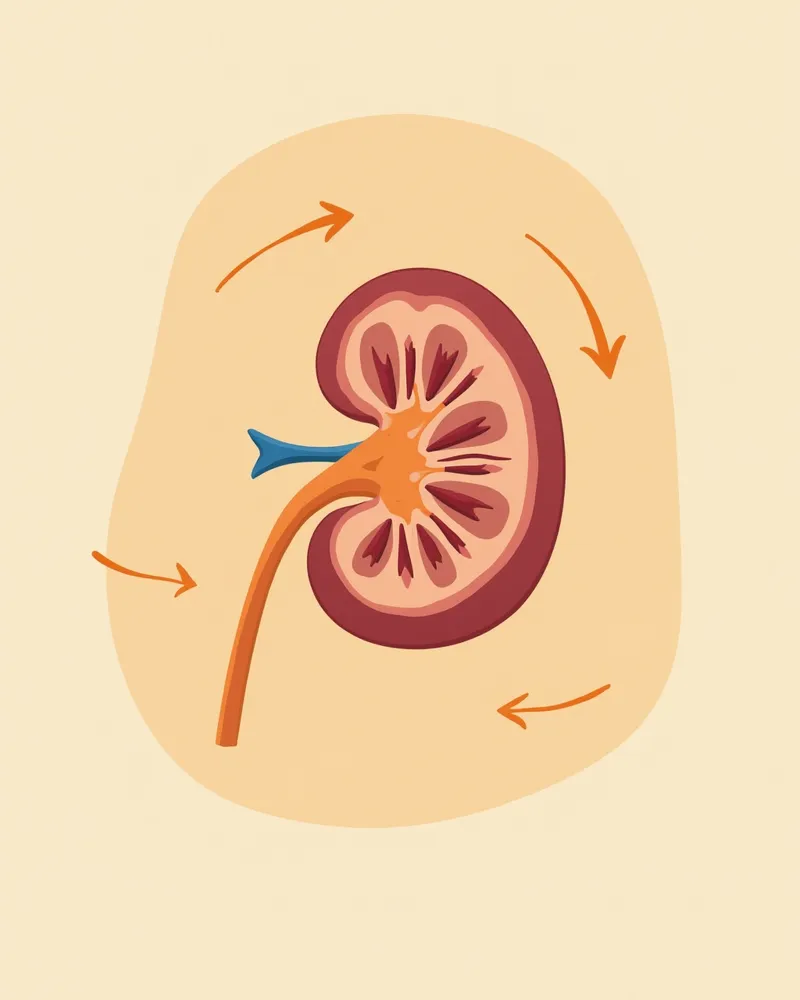
Key Symptoms and Signs
Signs Requiring Immediate Veterinary Visit
If your cat hasn’t drunk water for 24 hours or hasn’t urinated at all, you should take them to the vet immediately. This could be a sign of acute kidney injury, and early treatment is crucial for survival.
Diagnostic Methods and Testing Procedures

Treatment Methods and Step-by-Step Management
Daily Care Points at Home

Breed-Specific Precautions and Prevention of Recurrence
Chronic kidney disease in cats becomes increasingly dangerous with age, making early and regular kidney function tests especially important for senior cats. SDMA levels can rise earlier than creatinine, aiding in early detection, so it’s a good idea to consult your veterinarian to establish a routine screening plan. To slow disease progression, consistent dietary management with controlled phosphorus and protein intake, along with adequate hydration, is essential. Regular check-ups are also necessary to monitor and manage your cat’s condition over time.
Reviewed by a veterinarian

Dr. Tony — Punnawat Phongkittirak
VeterinarianA veterinarian who majored in veterinary medicine at Khon Kaen University, Thailand, and completed the IVSA program at North Carolina State University in the United States. Drawing on clinical experience at animal hospitals, he works in the pet healthcare field and is dedicated to building a digital care environment that connects pet parents with veterinarians.
Reviewed 2026-06-05
Frequently Asked Questions
Why is kidney function testing important for cats?
What is the difference between BUN and SDMA?
If my cat has kidney disease, how should I change its diet?
What should I do if my cat with kidney disease isn’t drinking enough water?
What is the prognosis (life expectancy) for cats with kidney disease?
Share
Related Guides

Top 5 Prescription Diets for Cats with Chronic Kidney Disease — Stage-Specific Protein Adjustment

7 Emergency Signs and Causes of Acute Kidney Failure in Dogs You Must Not Miss

Top 5 Cat Kidney Supplements Recommended for 2026

If Your Dog Has Advanced Tumors — From Quality of Life Assessment to Hospice Care

Lump on Dog's Neck — Lymphoma Warning Signs and Diagnosis/Treatment Timing

Swollen Lymph Nodes in Dogs: A Complete Guide to Metastasis Warning Signs and Testing Timing

If Your Dog Is Struggling After Cancer Treatment — Side Effect Symptoms and Management Tips

If Your Dog Suddenly Has Seizures or Abnormal Behavior — Brain Tumor Symptoms and Treatment Timing

Is That Lump on Your Cat’s Skin a Mast Cell Tumor? — A Complete Guide to Treatment and Prognosis by Grade

Found a Lump on Your Cat’s Mammary Glands? A Complete Guide to Mammary Tumor Symptoms and Early Detection Signs
References
[1] Langston, C.E. et al. (2023) Small Animal Critical Care Medicine, 3rd Edition. Elsevier.
[2] The Cat, Clinical Medicine and Management, 2nd Edition (2022). Elsevier.
[3] Veterinary Workbook of Small Animal Clinical Cases (2021). Wiley-Blackwell.