Like
Share
멍실장
고양이 신장 생검 증상과 원인, 진단·치료와 관리 포인트 총정리

Cat Kidney Biopsy: A Complete Guide to Procedures, Risks, Result Interpretation, and Management Points

KidneyDiseasesMeongsiljang Veterinary Advisory Board

A kidney biopsy in cats is a necessary test to accurately determine the underlying cause of chronic kidney disease. This guide provides comprehensive information on symptoms, causes, diagnostic methods, treatment, and key management points.

What Is a Cat Kidney Biopsy?

A cat undergoing a kidney biopsy under ultrasound guidance
A kidney biopsy is a key diagnostic test that involves precisely sampling kidney tissue to identify the underlying cause of lesions. It is performed to determine the exact cause of chronic kidney disease and is particularly useful when kidney function decline persists. The procedure is conducted under general anesthesia, with ultrasound guidance ensuring accurate needle placement to collect a small tissue sample. The sampled tissue undergoes pathological analysis to precisely characterize the nature of the lesions, such as inflammation, fibrosis, or cancer. This test plays a decisive role in developing a treatment plan, making biopsy a vital procedure in the diagnosis and management of kidney disease.

What Are the Main Causes of Kidney Biopsy?
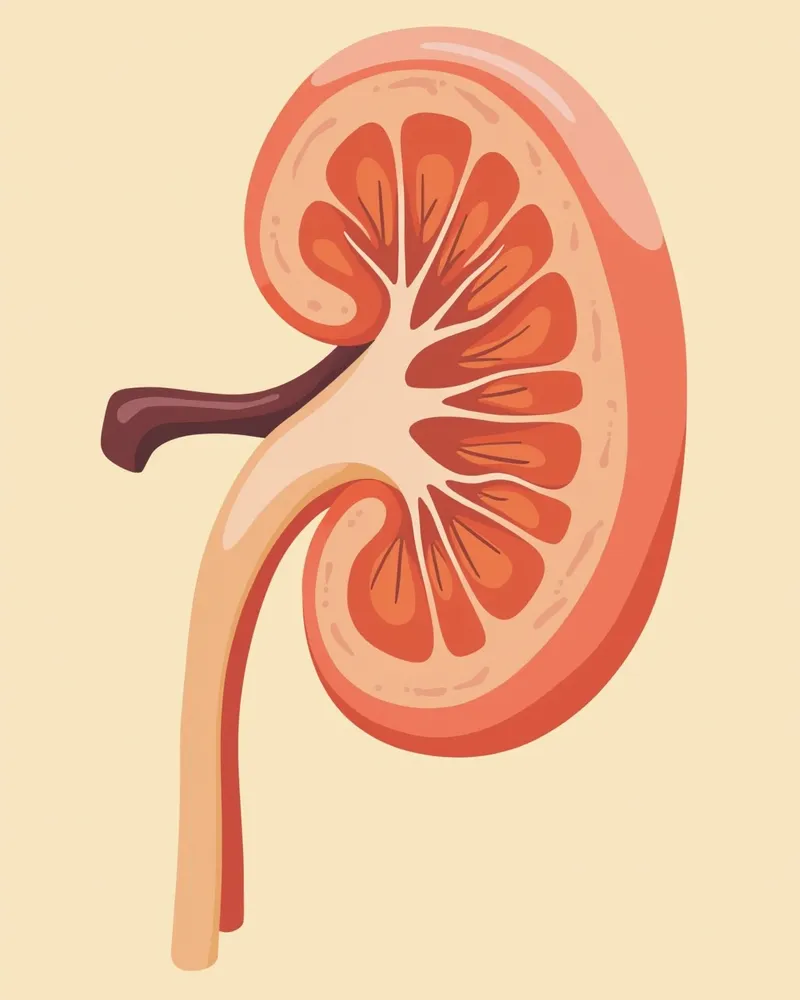
A kidney biopsy is essential for pinpointing the exact cause of chronic kidney disease in cats. The most common cause is idiopathic chronic tubulointerstitial nephritis, a condition characterized by concurrent inflammation and fibrosis of the kidney tissue. Other potential causes of kidney damage include genetic abnormalities such as polycystic kidney disease, tumors (primarily lymphoma), hydronephrosis, hypokalemic nephropathy, hypercalcemia, and the toxic effects of certain medications. A biopsy helps distinguish the nature of the lesions, enabling the establishment of a tailored treatment plan. For instance, biopsies are particularly helpful when proteinuria originating from the glomeruli is suspected, and if a tumor is suspected, further testing is conducted. Beyond simple diagnosis, a biopsy is key to guiding long-term management strategies.
Inflammation and fibrotic lesions in kidney tissue

What Are the Main Symptoms and Signs?

If a kidney biopsy is needed for your cat, you may notice the following symptoms. These signs are often subtle in the early stages but gradually worsen over time. A biopsy plays a crucial role in accurately identifying the underlying cause of these symptoms. Consider the possibility of kidney issues if you observe any of the following signs:
Excessive thirst: Your cat drinks water more frequently or seeks out water in unusual places.
Polyuria (increased urination): Your cat uses the litter box more often or produces larger volumes of urine each time.
Weight loss: Gradual weight reduction due to a decreased appetite.
Fatigue and lethargy: Your cat spends most of the day lying down and shows little activity.
Vomiting and loss of appetite: As kidney function declines, toxins build up in the blood, leading to nausea and reduced interest in food.
A cat drinking excessive amounts of water

Symptoms Requiring Immediate Veterinary Visit

If your cat suddenly loses its appetite, experiences repeated vomiting, shows signs of abdominal pain, or stops urinating altogether, you should take it to the vet immediately. These could be signs of acute kidney injury or a sudden decline in kidney function. If the condition becomes life-threatening before a biopsy can be performed, emergency treatment takes priority.

How Is the Diagnostic Procedure Performed?
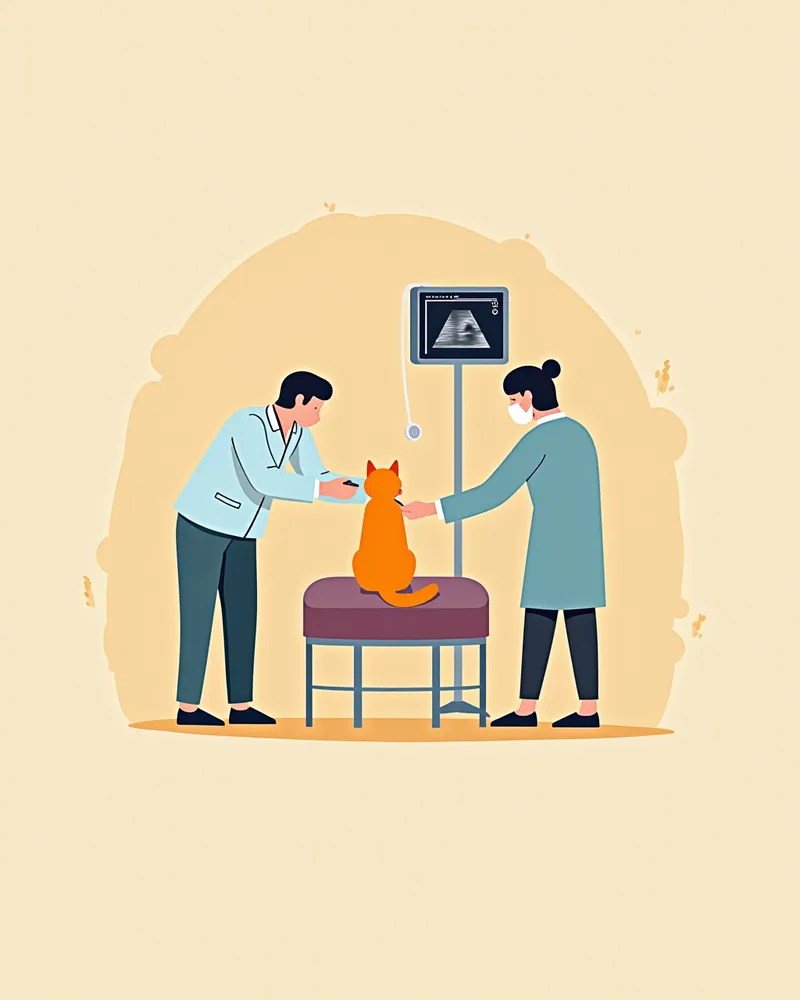
Feline kidney biopsies follow a systematic protocol. First, blood and urine tests are performed to assess kidney function. Next, an ultrasound is conducted to precisely evaluate the kidney’s size, structure, and the location of any lesions, helping determine the optimal timing for the biopsy. Under anesthesia, a specialist veterinarian uses ultrasound guidance to collect a kidney tissue sample with a biopsy needle. The collected tissue undergoes pathological analysis to accurately identify inflammation, fibrosis, or cancer. These biopsy results form the foundation for developing a treatment plan and provide crucial insights into the progression of the kidney disease.
A veterinarian performing a kidney biopsy under ultrasound guidance

Treatment Methods and Step-by-Step Management

The treatment plan is determined based on the biopsy results. If glomerular disease or immune-mediated inflammation is confirmed, immunosuppressants or anti-inflammatory medications may be considered. If a tumor is suspected, chemotherapy or conservative management will be evaluated. However, most cases of chronic kidney disease are managed primarily through a specialized renal diet, supplemented as needed with subcutaneous fluid therapy, phosphate binders, potassium supplementation, correction of metabolic acidosis, and supportive care. In cases with proteinuria, ACE inhibitors or ARBs can help slow disease progression. The veterinarian will adjust medication dosages based on the cat’s weight, overall condition, and blood test results. After the biopsy, it is important to provide adequate pain management and closely monitor for complications such as bleeding or infection, while regular follow-up tests are used to assess treatment efficacy.
A cat recovering after a kidney biopsy

Management Points at Home

To help your cat recover after a biopsy, follow these care steps, which are essential for maintaining long-term kidney health.
Ensure adequate hydration: Always provide fresh water. Dehydration can increase the burden on the kidneys.
Dietary management: Feed a kidney-specific diet recommended by your veterinarian.
Limit activity: Avoid excessive running or play during the recovery period.
Medication management: Administer medications exactly as prescribed and at the correct times.
Monitor weight: Weigh your cat weekly to track any changes.
A cat drinking water

Breed-Specific Precautions and Prevention of Recurrence

Certain breeds, particularly Persians, are predisposed to hereditary kidney diseases such as polycystic kidney disease. Persians may appear healthy in their youth, but as they reach maturity, their kidneys can enlarge and progress to chronic kidney disease. Therefore, regular check-ups are essential even after a biopsy. Consistent dietary management and adequate hydration are crucial to prevent recurrence and disease progression, and it is important to work with your veterinarian to establish a long-term care plan.

Reviewed by a veterinarian

Dr. Tony — Punnawat Phongkittirak

Dr. Tony — Punnawat Phongkittirak

Veterinarian

A veterinarian who majored in veterinary medicine at Khon Kaen University, Thailand, and completed the IVSA program at North Carolina State University in the United States. Drawing on clinical experience at animal hospitals, he works in the pet healthcare field and is dedicated to building a digital care environment that connects pet parents with veterinarians.

Frequently Asked Questions

Is a kidney biopsy painful?
Anesthesia ensures your pet feels no pain during the procedure. While some temporary discomfort may occur after the biopsy, your veterinarian will prescribe pain management medication to keep them comfortable.
How long is the recovery period after a biopsy?
It usually takes about 1 to 2 weeks. It's important to limit your pet's activity and ensure they take their medication consistently.
Is a biopsy absolutely necessary?
If blood and urine tests don’t reveal the cause, a biopsy may be necessary. It’s an important test for making an accurate diagnosis.
How should I change my pet’s diet after a biopsy?
It’s best to switch to a kidney-specific diet recommended by your veterinarian. Avoid high-protein and high-phosphorus foods.
Is the likelihood of recurrence high after a biopsy?
It depends on the underlying cause. Hereditary conditions have a higher likelihood of recurrence, but regular check-ups and proper management can help reduce the risk.

Share

Related Guides

References

[1] Langston, C.E. et al. (2023) Small Animal Critical Care Medicine, 3rd Edition. Elsevier.

[2] The Cat, Clinical Medicine and Management, 2nd Edition (2022). Elsevier.

[3] The Veterinary Workbook of Small Animal Clinical Cases (2021). Wiley-Blackwell.

This information is based on veterinary literature and does not replace diagnosis or treatment. Please consult a veterinarian for specific health concerns.

Metapet Co., Ltd. | CEO: Park Sung-yong | Business Reg. No. 417-88-02562 | Seoul, South Korea | Customer Center

Cat Kidney Biopsy: Procedure, Risks, Results & Management Guide | Meongsiljang