
Like
Share
멍실장
강아지 신장 기능 조기 선별(SDMA) 증상과 원인, 진단·치료와 관리 포인트 총정리

Early Screening for Kidney Function in Dogs Using SDMA — The Golden Window for Detecting Kidney Disease Before Symptoms Appear

KidneyDiseasesMeongsiljang Veterinary Advisory Board

Early screening for kidney function in dogs using SDMA helps detect chronic kidney disease before symptoms appear, allowing for early intervention that significantly improves treatment outcomes.

What Is Early Screening for Kidney Function in Dogs (SDMA)?
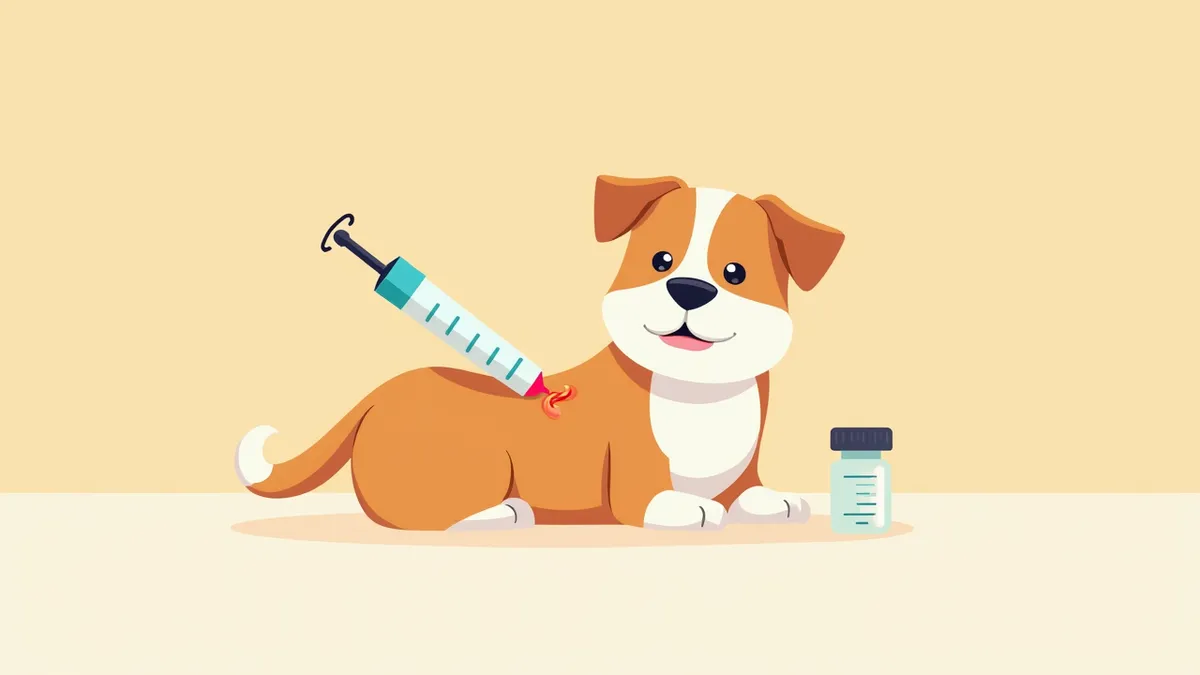
A scene of blood collection for early screening of kidney function in dogs (SDMA test)
The early screening test for kidney function in dogs, known as SDMA, is a blood test that evaluates the kidney’s filtration capacity, specifically the glomerular filtration rate (GFR). SDMA is primarily excreted by the kidneys and correlates well with GFR. Because it is less influenced by age, body size, and muscle mass, it serves as a more reliable indicator than creatinine. Furthermore, SDMA levels rise when kidney function is reduced by as little as 40%, allowing for earlier detection of abnormalities compared to creatinine, which typically increases only after approximately 75% of kidney function has been lost. For senior dogs or those with genetic risk factors, you may consider discussing this test with your veterinarian. - SDMA levels: A sensitive indicator of declining kidney function that aids in early detection. - The importance of early screening: Identifying changes before clinical symptoms appear enables you to begin management at an earlier stage. - Inclusion in routine check-ups: Consulting with your veterinarian to include this test in regular health assessments is an ideal approach to ongoing care.

What Are the Main Causes of Declining Kidney Function in Dogs?
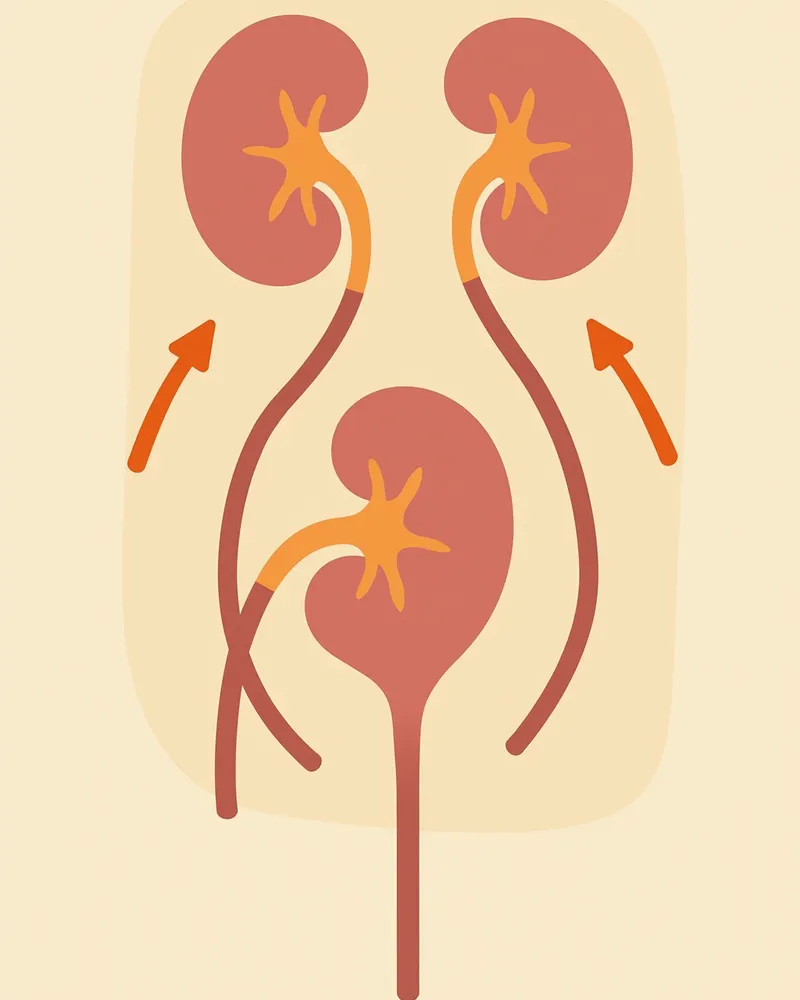
Kidney function decline in dogs can stem from various causes, including aging, genetic predisposition, nephrotoxic substances such as certain medications, infections, and severe dehydration. Chronic kidney disease (CKD) and acute kidney injury (AKI) are particularly common culprits. In pets, acute kidney injury most frequently results from exposure to nephrotoxic agents or infectious causes. Older dogs face higher risks, and certain breeds may be more susceptible to genetic or congenital kidney disorders. - Aging and kidney function: Kidney function may gradually decline as dogs get older. - Genetic factors: Some breeds are more prone to hereditary or familial kidney diseases. - Environmental factors: Exposure to nephrotoxic substances or dehydration can trigger acute kidney damage. Early screening helps identify underlying causes and enables timely intervention.
An anatomical chart explaining the main causes of decreased kidney function in dogs

What Are the Main Symptoms of Declining Kidney Function in Dogs?

The early signs of declining kidney function in dogs often begin with subtle changes that owners can easily overlook. It’s important to carefully monitor these behaviors.
Excessive thirst: Your dog may start drinking water more frequently or emptying their water bowl often.
Frequent urination: They may need to urinate more times throughout the day.
Increased urine volume: You may notice a larger amount of urine each time they go to the bathroom.
Weight loss: A decrease in appetite or noticeable weight loss may occur.
Fatigue: Your dog might seem more tired than usual or avoid play and physical activity.
Repeated vomiting: This symptom is often mistaken for digestive upset or stomach issues.
A daily life scene showing the main symptoms of decreased kidney function in dogs

Symptoms Requiring Immediate Veterinary Visit

If your dog refuses to drink water all day, fails to urinate at all, or experiences severe vomiting or bloody stools, seek veterinary care immediately. These symptoms may indicate acute kidney injury, so it’s crucial to consult a veterinarian without delay.

What Is the Diagnostic Method for Early Screening for Kidney Function in Dogs (SDMA)?

Early screening for kidney function in dogs using SDMA is a test that evaluates the kidney's filtration function (GFR) by drawing blood. SDMA tends to rise earlier than creatinine, helping detect abnormalities before traditional markers like BUN and creatinine increase. After the veterinarian draws blood, the SDMA levels are analyzed in the lab. Results are typically available within 1–2 days. - Blood test process: The procedure involves a simple blood draw and places minimal stress on your dog. - Interpreting SDMA levels: Values outside the normal range suggest a high likelihood of reduced kidney function. However, values near the reference range may be subject to analytical and biological variability, so careful interpretation is needed. - Follow-up monitoring: Regular check-ups allow you to track changes over time. Early detection can advance the start of management, making consistent care essential.
Analyzing the results of an early screening test for kidney function in dogs (SDMA)

What Are the Treatment Methods for Declining Kidney Function in Dogs?

Treatment for decreased kidney function in dogs varies depending on the underlying cause and severity. In the early stages, management centers on dietary control and hydration. - Renal prescription diet: A kidney-specific diet recommended by your veterinarian helps reduce the workload on the kidneys. - Hydration management: Adequate water intake helps prevent dehydration and maintain renal perfusion. - Fluid and electrolyte supplementation: In severe cases or acute kidney injury, fluids and electrolytes are actively replenished via intravenous therapy. If necessary, discuss advanced treatments such as dialysis with your veterinarian. While chronic kidney disease is difficult to cure, early intervention can slow its progression, making it important to develop a customized treatment plan with your veterinarian.
A scene illustrating a special diet for treating decreased kidney function in dogs.

Home Care Points for Declining Kidney Function in Dogs

Home care for dogs with declining kidney function hinges on careful, everyday observation. Consistent management can help slow the progression of the disease.
Water provision: Always provide fresh water and refill the bowl frequently.
Dietary management: Consistently feed the special diet recommended by your veterinarian.
Urine monitoring: Record daily changes in urine volume and color.
Weight measurement: Weigh your dog once a week to monitor for any changes.
Activity adjustment: Avoid excessive exercise and maintain a comfortable environment.
Regular check-ups: Perform SDMA and blood tests every six months.
Daily scenes for home care of dogs with decreased kidney function

Breed-Specific Precautions and Prevention of Recurrence

Certain breeds are known to have a genetic predisposition to congenital kidney diseases. For example, Polycystic Kidney Disease has been reported in young Cairn Terriers, and Shar-Peis are associated with glomerular disease. Additionally, it is known that SDMA levels can vary between breeds. For dogs at risk, it is advisable to consult your veterinarian about considering regular SDMA and blood tests. Furthermore, caution is needed because dehydration in hot environments or the use of nephrotoxic drugs can place a burden on the kidneys.

Reviewed by a veterinarian

Dr. Tony — Punnawat Phongkittirak

Dr. Tony — Punnawat Phongkittirak

Veterinarian

A veterinarian who majored in veterinary medicine at Khon Kaen University, Thailand, and completed the IVSA program at North Carolina State University in the United States. Drawing on clinical experience at animal hospitals, he works in the pet healthcare field and is dedicated to building a digital care environment that connects pet parents with veterinarians.

Frequently Asked Questions

When is the best time to start getting SDMA tests?
For senior pets or breeds with genetic risk factors, it’s a good idea to consult your veterinarian about regular check-ups. Starting with once-a-year exams is perfectly fine in the early stages.
If the SDMA test result is high, is it necessary to visit the hospital?
If the result is high, you should consult with a veterinarian. Values near the reference range may fluctuate, so additional testing may be necessary.
Should I change my dog’s food if they have kidney disease?
Yes, switching to a kidney prescription diet recommended by a veterinarian can be helpful. Dietary management is one part of reducing the burden on the kidneys.
Does the SDMA test cause any pain?
While there may be a slight prick when drawing blood, the procedure is very brief and causes minimal discomfort. If your dog becomes anxious, the veterinarian can provide appropriate support to help them stay calm.
Does kidney disease shorten a pet's lifespan?
Chronic kidney disease is difficult to cure and progresses gradually. However, early detection and proper management can slow its progression. The prognosis and life expectancy vary depending on the stage of kidney disease (IRIS stage) and the rate of progression, so maintaining quality of life through careful management is most important.

Share

Related Guides

References

[1] Langston, C.E. et al. (2023) Small Animal Critical Care Medicine, 3rd Edition. Elsevier.

[2] The Cat, Clinical Medicine and Management, 2nd Edition. (2022) Elsevier. Chapter 35: Chronic Kidney Disease.

[3] Veterinary Workbook of Small Animal Clinical Cases. (2021) Case 28: Chronic Kidney Disease in Geriatric Dogs.

This information is based on veterinary literature and does not replace diagnosis or treatment. Please consult a veterinarian for specific health concerns.

Metapet Co., Ltd. | CEO: Park Sung-yong | Business Reg. No. 417-88-02562 | Seoul, South Korea | Customer Center

SDMA Early Kidney Screening for Dogs: Catch CKD Before Symptoms | Meongsiljang