

Is Medication for Your Dog’s Behavior Truly Necessary? — Timing and Signs of Side Effects
Our veterinary advisory team has compiled information on the types of behavior-modifying medications used for separation anxiety, aggression, and compulsive behaviors in dogs, as well as diagnostic methods and key points for home care.
What Is Canine Behavior-Modifying Medication?

When Is Medication Necessary?
Checklist of Behavioral Symptoms That May Require Medication

When to Visit the Veterinary Clinic Immediately
The following situations require an immediate visit to the veterinary clinic today: • If your pet has bitten or attacked another animal or person, causing injury • If your pet has injured itself, resulting in skin abrasions or bleeding • If your pet is in a state of panic and repeatedly banging its head against walls or windows • If your pet experiences vomiting, seizures, or decreased consciousness after taking its current medication
How Is It Diagnosed?
What Medications Are Used?

Key Home Care Points to Support Treatment
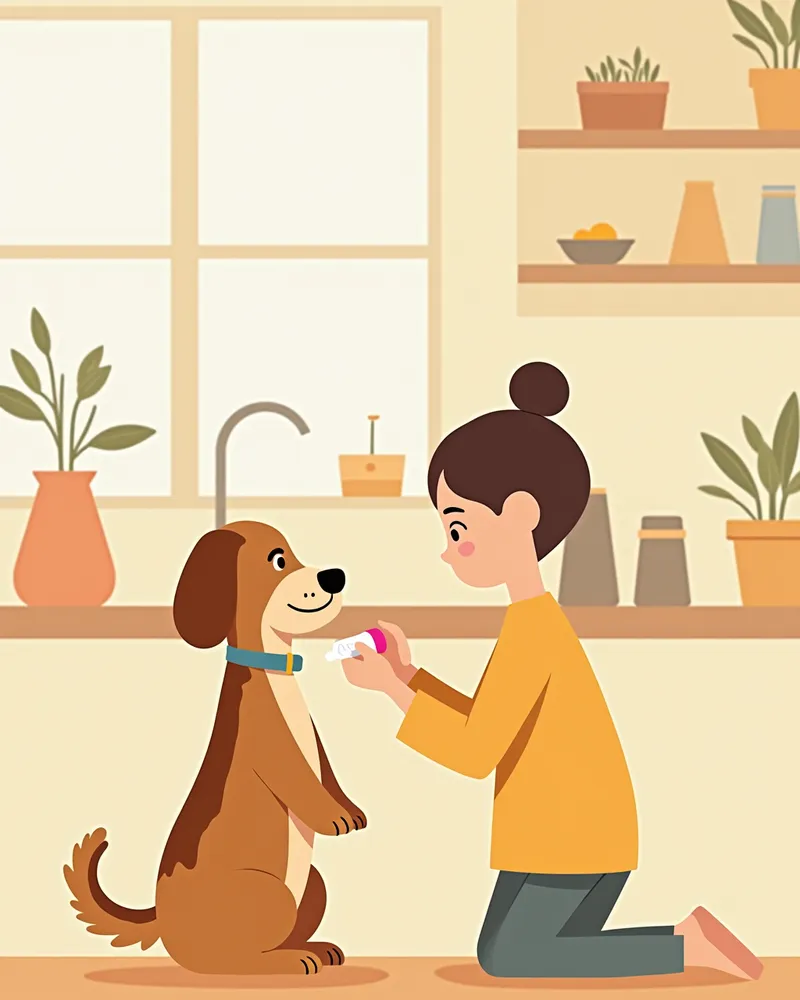
Breed-Specific Precautions and Preventing Relapse
Most medications used for behavior modification in dogs are human drugs prescribed off-label by veterinarians. Therefore, before starting treatment, you must inform your veterinarian about your dog’s breed, any underlying health conditions, and current medications. It’s also important to fully understand and agree to the potential side effects before beginning the medication. Additionally, even if symptoms seem to have stabilized, do not stop the medication on your own, as this can lead to a relapse. Always taper the medication gradually over several weeks under veterinary guidance, even if your dog appears to be doing well.
Reviewed by a veterinarian

Dr. Tony — Punnawat Phongkittirak
VeterinarianA veterinarian who majored in veterinary medicine at Khon Kaen University, Thailand, and completed the IVSA program at North Carolina State University in the United States. Drawing on clinical experience at animal hospitals, he works in the pet healthcare field and is dedicated to building a digital care environment that connects pet parents with veterinarians.
Reviewed 2026-06-01
Frequently Asked Questions
Does giving medication make dogs feel drowsy?
Is training alone not enough?
How long should I feed it to my pet?
What side effects may occur?
Can I give my dog human anti-anxiety medication?
Share
Related Guides

7 Behavioral Enrichment Strategies for Mental Stimulation Recommended by Veterinarians

Top 5 Calming Supplements for Dogs and Cats in 2026

L-Theanine Effects and Calming Support
If Your Dog Suddenly Stumbles or Has Seizures — Insulinoma Hypoglycemia Symptoms and Lifelong Management

Feline Diabetes: Symptoms, Diagnosis, Treatment, and a Lifetime Guide to Diet and Management
Canine Diabetes: Symptoms, Diagnosis, Treatment, and a Lifetime Guide to Diet and Management
If Your Dog Has Persistent Diarrhea and Weight Loss — Signs of Lymphangiectasia and Protein-Losing Enteropathy

Dog Eats Well But Is Thin — Causes of Exocrine Pancreatic Insufficiency (EPI) and Timing of Enzyme Therapy
Canine Gallbladder Mucocele: Symptoms, Causes, Diagnosis, Treatment, and Care Essentials
Bloated Abdomen and Unproductive Retching — Emergency Warning Signs and Prevention of Gastric Dilatation-Volvulus (GDV)
References
[1] Kanthasamy A, Hsu WH. Behavior-Modifying Drugs. In: Handbook of Veterinary Pharmacology. Wiley-Blackwell; 2009.
[2] Mills D, Karagiannis C, Zulch H. Introduction to Animal Behavior and Veterinary Behavioral Medicine. Wiley-Blackwell; 2020.