Like
Share
멍실장
고양이 만성 신부전(CKD) 증상과 원인, 진단·치료와 관리 포인트 총정리

My Cat Is Losing Weight and Only Drinking Water — Causes and Diagnostic Timing for Chronic Kidney Disease (CKD)

KidneyDiseasesMeongsiljang Veterinary Advisory Board

Chronic kidney disease in cats is a condition characterized by a gradual decline in kidney function, and early detection along with proper management can significantly extend a cat’s lifespan. This guide provides a comprehensive overview of the main symptoms, causes, diagnostic methods, treatment options, and key points for home care.

What Is Feline Chronic Kidney Disease (CKD)?
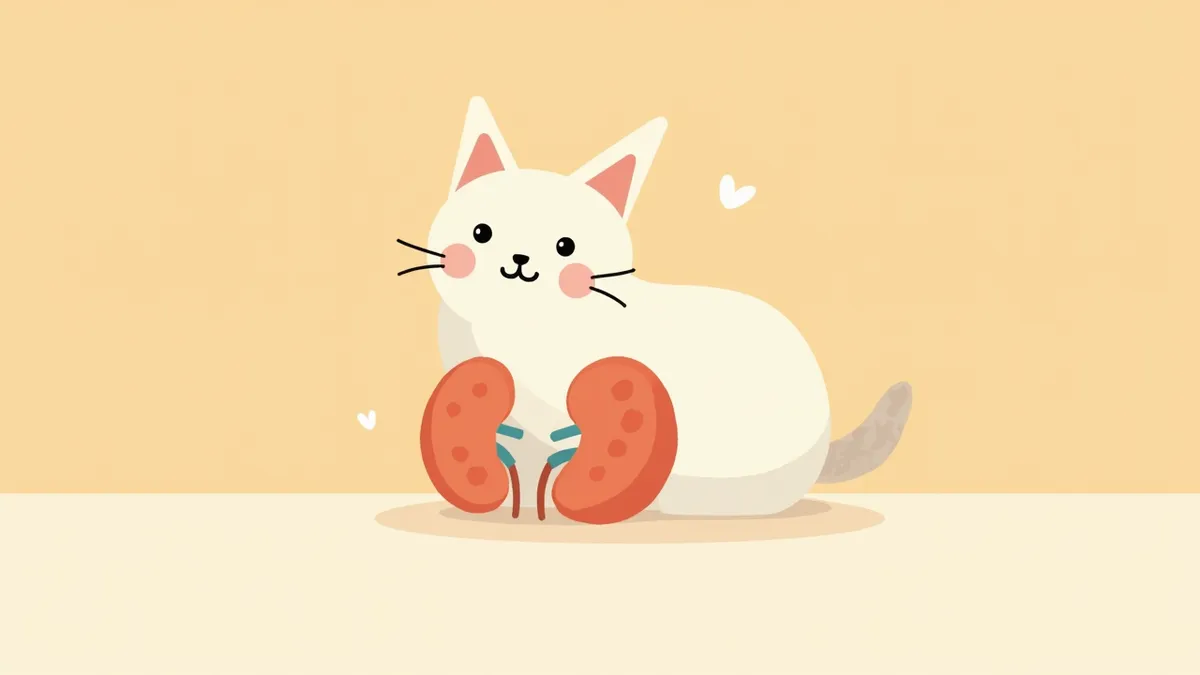
An image showing the anatomical structure of a cat's kidneys
Feline chronic kidney disease (CKD) is a chronic condition in which kidney function gradually declines, making it difficult to detect in the early stages because symptoms are minimal. - Chronic Kidney Disease: This refers to the progressive loss of the kidneys' ability to filter waste products as they become damaged. - Key Characteristics: It is common in middle-aged to senior cats, with chronic tubulointerstitial nephritis being the most prevalent form, though its exact cause often remains unknown. - Importance of Early Detection: If you notice changes such as increased water consumption, weight loss, or decreased appetite, early veterinary testing is essential. - Management Essentials: Early diagnosis and consistent management can significantly extend survival time and improve quality of life. Regular kidney function tests are recommended for senior cats.

What Are the Main Causes of Chronic Kidney Disease?
The most common form of chronic kidney disease in cats is chronic tubulointerstitial nephritis, where the exact cause remains unknown. Other potential causes include genetic or congenital kidney diseases (such as polycystic kidney disease), chronic pyelonephritis, ureteral or renal stones accompanied by hydronephrosis, kidney tumors (primarily lymphoma), hypercalcemia, and hypokalemic nephropathy. Nephrotoxic drugs and toxic substances like ethylene glycol can also damage the kidneys. Long-term hypertension is associated with kidney damage and disease progression, making it a contributing factor to worsening conditions. Adequate hydration and proper dietary management support kidney health. Identifying the underlying cause and responding early is crucial, as early management significantly helps slow disease progression.
Cats that require special attention when taking medication

Check for Key Symptoms and Signs

Feline chronic kidney disease often shows few symptoms in its early stages, but clear signs emerge as the condition progresses. Here are the key symptoms for pet owners to watch for:
Excessive thirst (polydipsia): A noticeable increase in water consumption.
Polyuria: Impaired kidney concentration ability leads to frequent, large volumes of dilute urine.
Weight loss: Gradual weight reduction due to decreased appetite and muscle mass loss.
Loss of appetite: Reduced interest in food or treats, or a significant decrease in food intake.
Vomiting and nausea: Accumulation of uremic toxins can cause vomiting or drooling.
Lethargy: Decreased energy levels and reduced interest in activity or play.
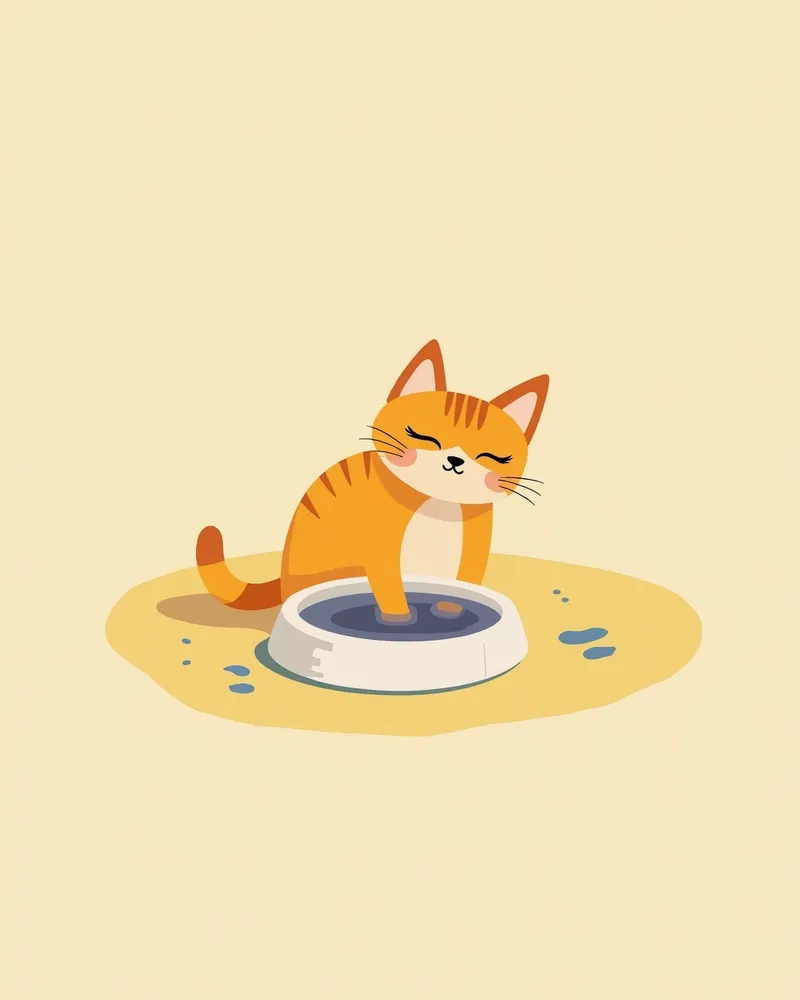
A cat with water spilled around its water bowl

Signs Requiring Immediate Veterinary Visit

If your cat is experiencing severe vomiting, blood in the urine, decreased consciousness, difficulty breathing, or has not drunk water for more than 24 hours, seek immediate veterinary care. These symptoms may indicate that kidney failure has worsened significantly or that complications have developed. Early treatment can greatly improve survival rates.

Diagnostic Tests for Accurate Diagnosis
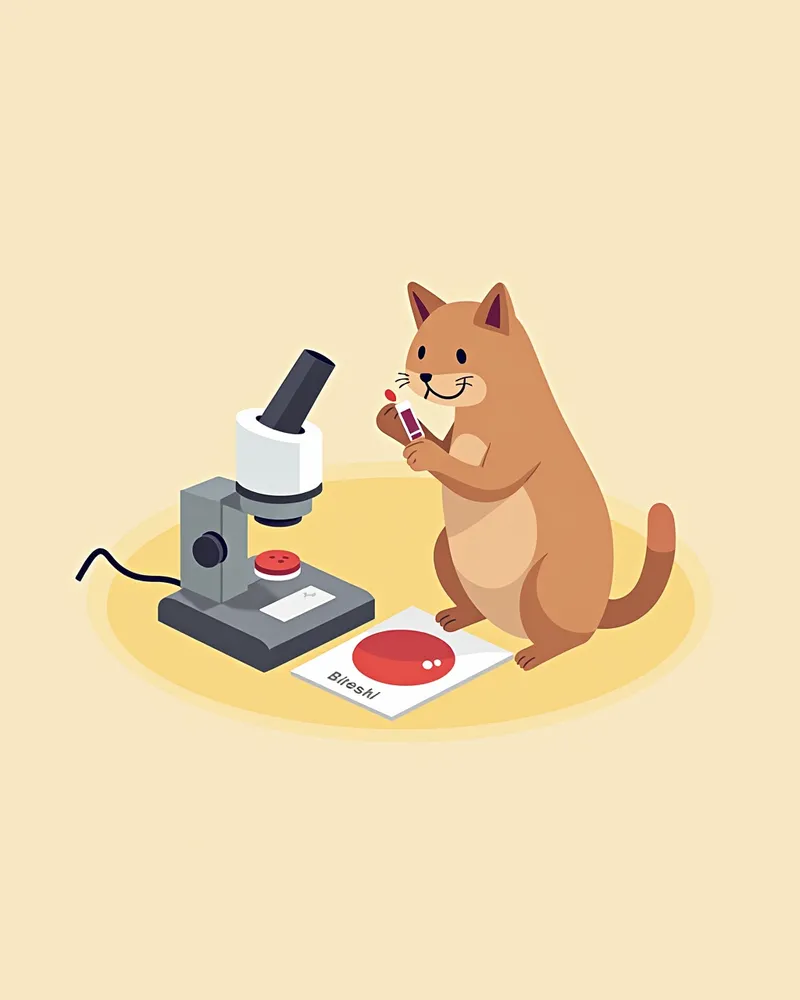
Feline chronic kidney disease is diagnosed through blood and urine tests. - Blood tests: Elevated levels of creatinine, BUN (blood urea nitrogen), and SDMA indicate declining kidney function. - Urine tests: A low urine concentration (specific gravity) signifies impaired renal concentrating ability, and the presence of protein in the urine is also assessed. - Renal ultrasound: This imaging evaluates kidney size and structure to detect abnormalities such as stones or cysts. - Additional tests: Further testing may be performed as needed to identify the underlying cause. The International Renal Interest Society (IRIS) stages the disease based on creatinine and SDMA levels to guide management. Early diagnosis significantly improves treatment outcomes. Regular kidney screenings are recommended for senior cats.
A veterinarian examining a cat’s blood sample under a microscope

Treatment Options and Step-by-Step Management
While chronic kidney disease in cats is difficult to cure, appropriate treatment can help maintain a good quality of life for a long time. - Fluid therapy: To prevent dehydration, fluids are administered subcutaneously or intravenously. Subcutaneous fluids are typically given at a dose of 75–150 mL every 1–3 days. - Dietary management: Phosphorus restriction is key, and protein is also limited if uremic symptoms are present. Use a renal prescription diet recommended by your veterinarian. - Medication: Drugs are prescribed to manage hypertension, anemia, and uremic gastrointestinal symptoms. Depending on the condition, phosphate binders or potassium supplements may also be used. - Regular check-ups: Kidney values and proteinuria are monitored every 3–4 months, and medications are adjusted accordingly. - Environmental management: Reduce stress and ensure easy access to water and food. Consistent care is essential to slowing disease progression.
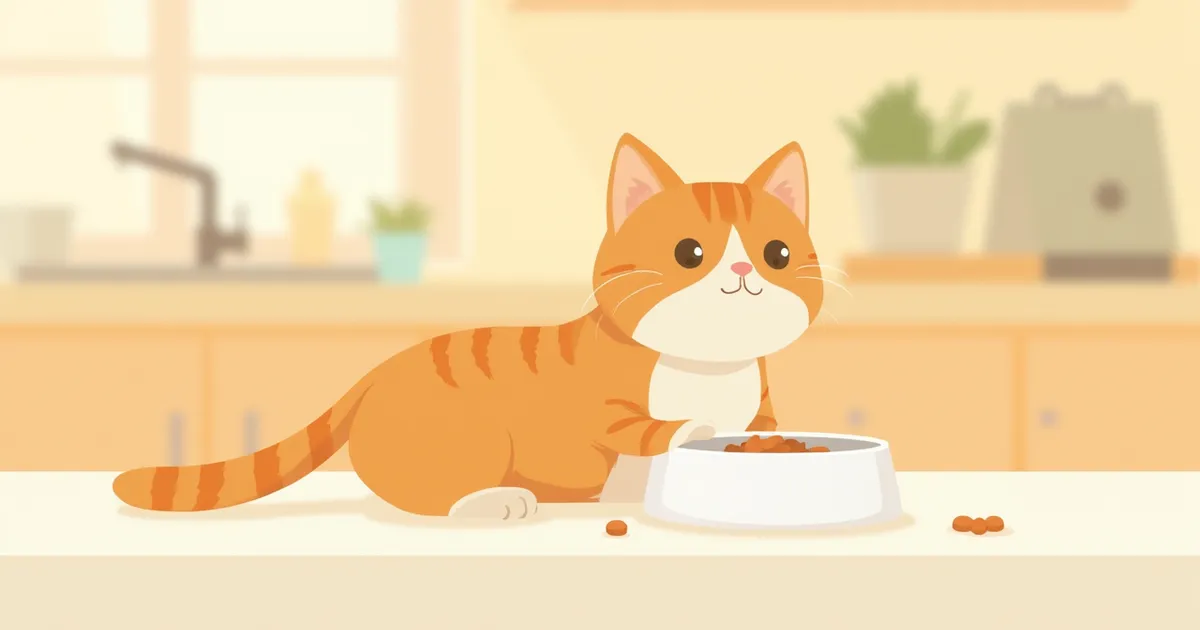
A cat enjoying a meal of kidney-supportive food.

Daily Home Care Points

Consistent home care is the key to managing chronic kidney disease in cats. Here are the essential care points for pet owners to follow.
Ensure adequate water intake: Place multiple water bowls around the home and refresh the water frequently to encourage your cat to drink fresh water regularly.
Dietary management: Consistently feed the renal prescription diet recommended by your veterinarian, and incorporate wet food to help increase fluid intake.
Regular check-ups: Schedule blood and urine tests every three to four months.
Stable environment: Provide a quiet space to minimize stress.
Medication management: Administer medications strictly according to the prescribed schedule and dosage.
Weight and muscle monitoring: Regularly measure your cat’s weight and muscle mass to track any changes.
A cat eating food and drinking water in a quiet environment

Certain Breeds and Age Groups Require Attention

Breeds with a genetic predisposition to polycystic kidney disease (PKD), such as Persians, are at higher risk of developing chronic kidney failure. In these cats, kidneys may appear normal in kittenhood but become enlarged and show clear signs of disease as they reach adulthood. Additionally, middle-aged to senior cats are at increased risk of declining kidney function, making regular veterinary check-ups essential. Early detection is key to significantly extending their lifespan.

Reviewed by a veterinarian

Dr. Tony — Punnawat Phongkittirak

Dr. Tony — Punnawat Phongkittirak

Veterinarian

A veterinarian who majored in veterinary medicine at Khon Kaen University, Thailand, and completed the IVSA program at North Carolina State University in the United States. Drawing on clinical experience at animal hospitals, he works in the pet healthcare field and is dedicated to building a digital care environment that connects pet parents with veterinarians.

Frequently Asked Questions

Is chronic kidney disease in cats curable?
While a complete cure remains elusive, proper management can help maintain a good quality of life for several years. Early detection and consistent care are key.
Why is dietary management important?
By limiting phosphorus intake and, in cases of uremia, restricting protein, we can reduce the burden on the kidneys and slow the progression of the disease. It is essential to use a renal prescription diet recommended by your veterinarian.
How much water should my pet drink?
It’s more important to ensure your pet has constant access to fresh water than to focus on a specific volume. Place water bowls in multiple locations, refresh the water frequently, and consider offering wet food with high moisture content to help maintain proper hydration.
How long should my pet take the medication?
The choice of medication depends on the type of drug and the stage of the disease. Because chronic kidney failure is difficult to cure, long-term treatment is often necessary, with dosage and frequency adjusted according to your veterinarian’s instructions.
What should I do if my cat has no appetite?
Try gently warming the food to enhance its aroma, or switch to a prescription diet with better palatability. In severe cases, your veterinarian may recommend an appetite stimulant or assisted feeding, such as tube feeding.

Share

Related Guides

References

[1] Notes on Canine Internal Medicine, 4th Ed. (2023). Chapter on Chronic Kidney Disease in Cats.

[2] Urinalysis in the Dog and Cat. (2022). Elsevier, pp. 150-170.

[3] Clinical Medicine of the Dog and Cat, 4th Ed. (2021). Chapter on Renal Disease in Felines.

This information is based on veterinary literature and does not replace diagnosis or treatment. Please consult a veterinarian for specific health concerns.

Metapet Co., Ltd. | CEO: Park Sung-yong | Business Reg. No. 417-88-02562 | Seoul, South Korea | Customer Center

Cat Losing Weight & Drinking Only Water: CKD Causes & Timing | Meongsiljang