Like
Share
멍실장
고양이 고혈압성 망막증 증상과 원인, 진단·치료와 관리 포인트 총정리

Feline Hypertensive Retinopathy: Symptoms, Causes, Diagnosis, Treatment, and Management Essentials

Eye HealthDiseasesMeongsiljang Veterinary Advisory Board

Hypertensive retinopathy in cats is a condition where high blood pressure causes damage to the retina, making early detection crucial. The main symptoms include vision loss and abnormal changes in the eyes.

What is Feline Hypertensive Retinopathy?
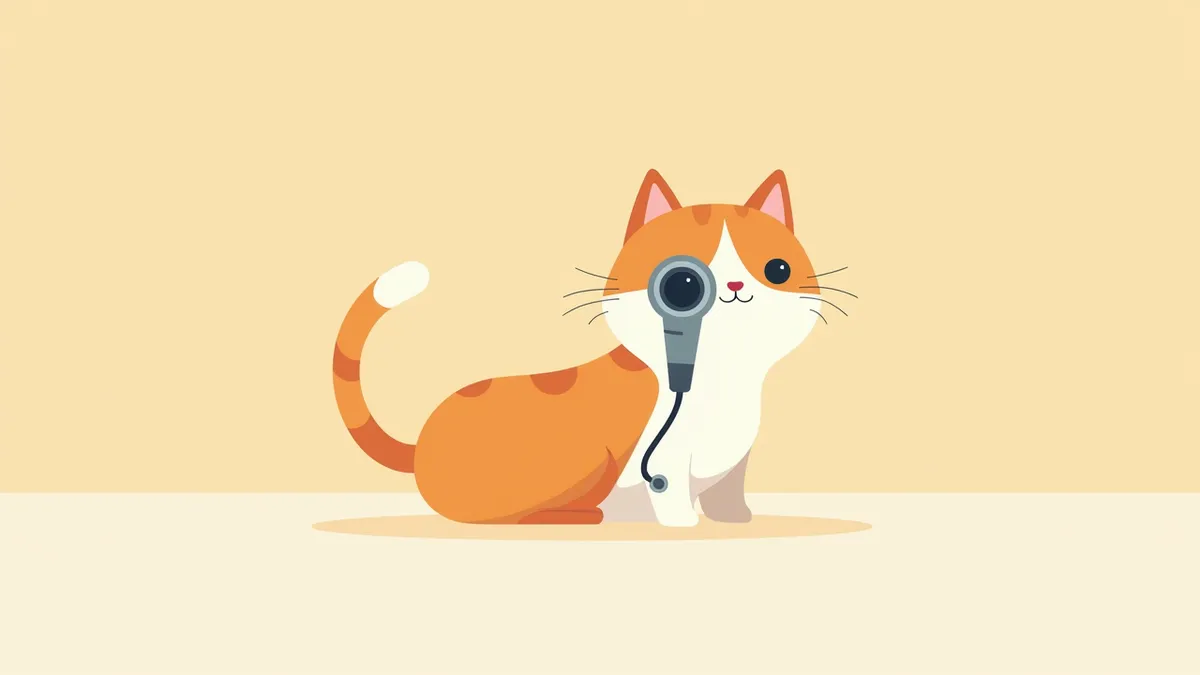
A veterinarian examining a cat's eyes
Feline hypertensive retinopathy is a condition in which persistently high blood pressure damages the retinal blood vessels, potentially leading to vision loss or blindness. It is especially common in cats with chronic kidney disease or hyperthyroidism. - Hypertension: Sustained high blood pressure can damage the tiny blood vessels in the retina and cause bleeding. - Retinal damage: Breakdown of the blood-ocular barrier leads to leakage of subretinal fluid, hemorrhage, and retinal detachment, directly affecting vision. - Early detection: In the early stages of mild hypertension, symptoms are often subtle and easily overlooked, making regular check-ups essential. - Risk of blindness: As damage progresses, vision recovery becomes nearly impossible, underscoring the importance of early treatment. Accurate diagnosis and proper management can help prevent complications.

What are the Main Causes?

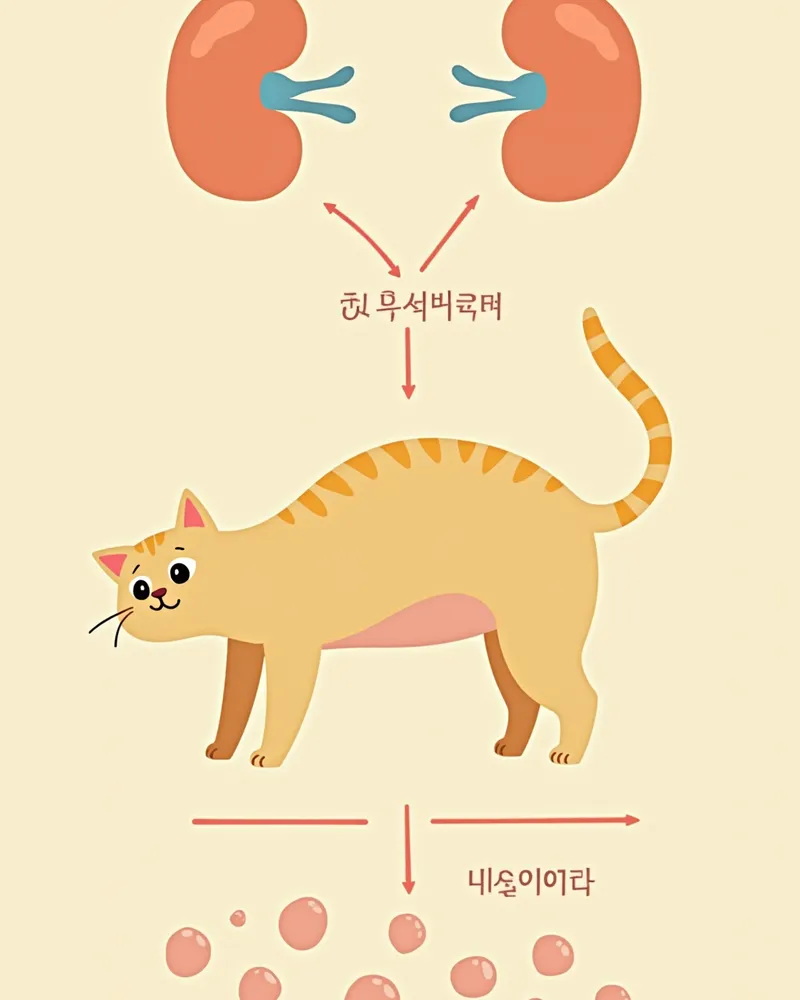
The most common causes of hypertensive retinopathy in cats are chronic kidney disease and hyperthyroidism. Systemic hypertension in cats is usually secondary to these underlying conditions, although adrenal disorders (such as primary aldosteronism and pheochromocytoma) can also be responsible. In rare cases, primary (idiopathic) hypertension occurs without an identifiable cause, while obesity and advanced age serve as additional risk factors. Persistent hypertension can damage retinal blood vessels, leading to hemorrhage and, in severe cases, retinal detachment. Therefore, cats suspected of having hypertension require regular blood pressure monitoring.
An illustration explaining the mechanisms by which kidney disease and hyperthyroidism cause hypertension in cats.

Main Symptoms and Signs

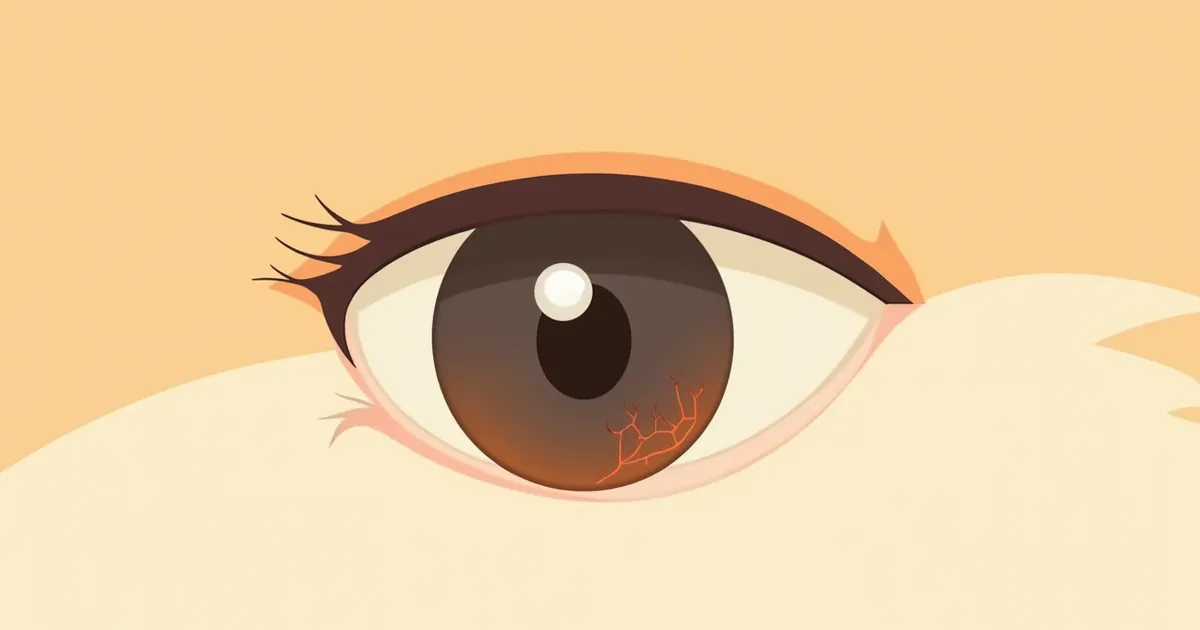
The main symptoms of hypertensive retinopathy in cats include vision loss and abnormal changes in the eyes. Cats may suddenly hesitate in dimly lit areas or bump into walls. You might also observe bleeding in the blood vessels of the eye, retinal detachment, or dilated pupils. Some cats may become anxious or display aggressive behavior, and in severe cases, blindness can occur. If you notice these symptoms, it is essential to visit a veterinarian immediately. Early detection significantly improves treatment outcomes.
A photo showing a cat with ocular hemorrhage and pupil dilation.

Symptoms Requiring Immediate Veterinary Visit

If your pet suddenly loses vision, shows bleeding in the eye, or has one pupil significantly dilated, seek veterinary care immediately. These are warning signs of a high risk for retinal detachment or blindness. In cats with high blood pressure, these symptoms require a veterinary examination within 24 hours.

Accurate Diagnostic Methods
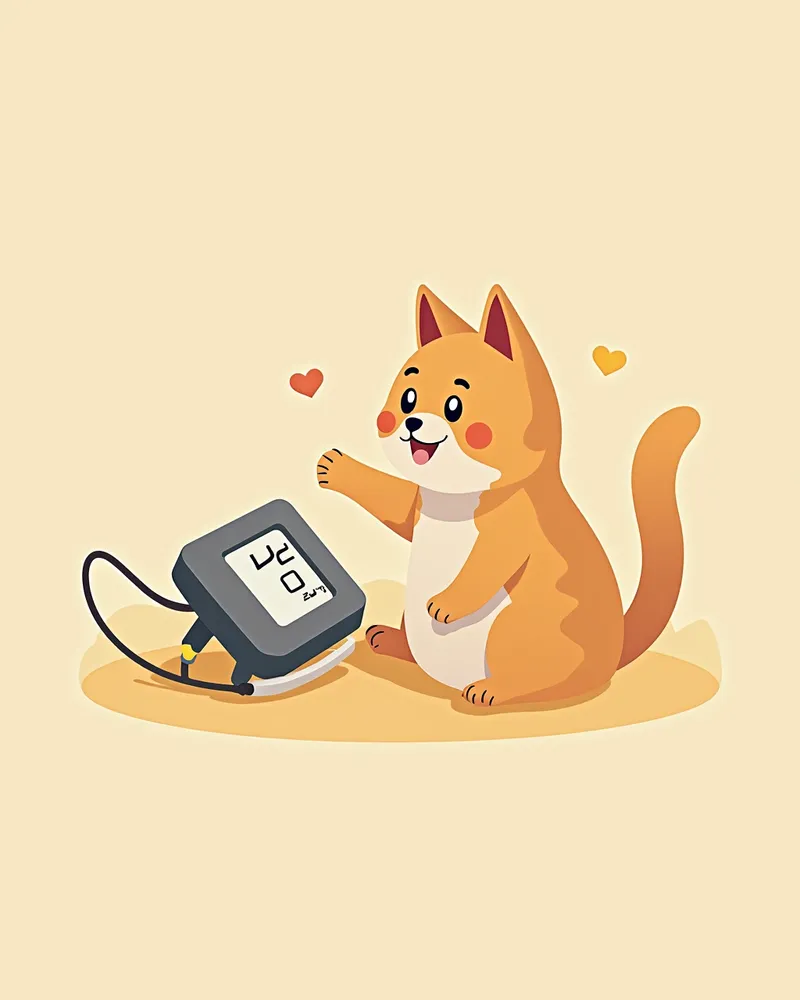
Hypertensive retinopathy in cats is diagnosed through ophthalmic examinations and blood pressure measurements. A veterinarian can directly observe the interior of the eye using a specialized retinal examination device to detect hemorrhages, retinal detachment, and vascular abnormalities. Additionally, accurate blood pressure readings are taken with a sphygmomanometer, and renal function and endocrine tests are conducted to identify any underlying conditions. Rather than relying solely on signs of vision loss, it is essential to comprehensively evaluate the cat’s overall health status.
A veterinarian measures a cat's blood pressure using a blood pressure cuff on its paw.

Treatment Methods and Step-by-Step Management
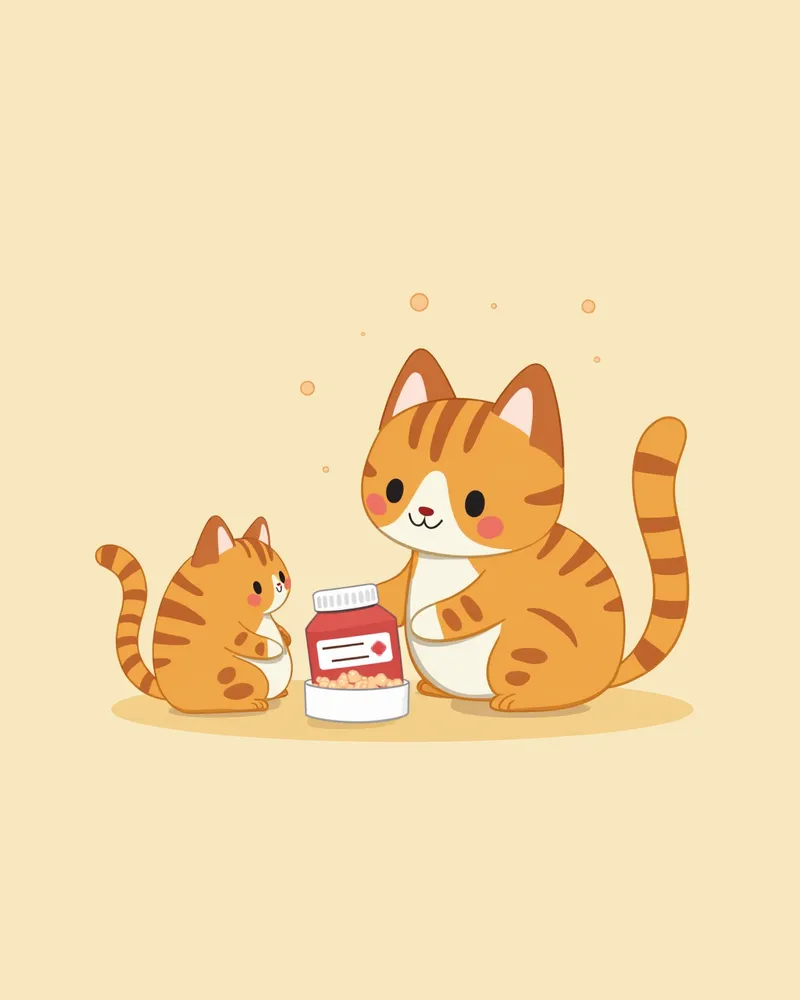
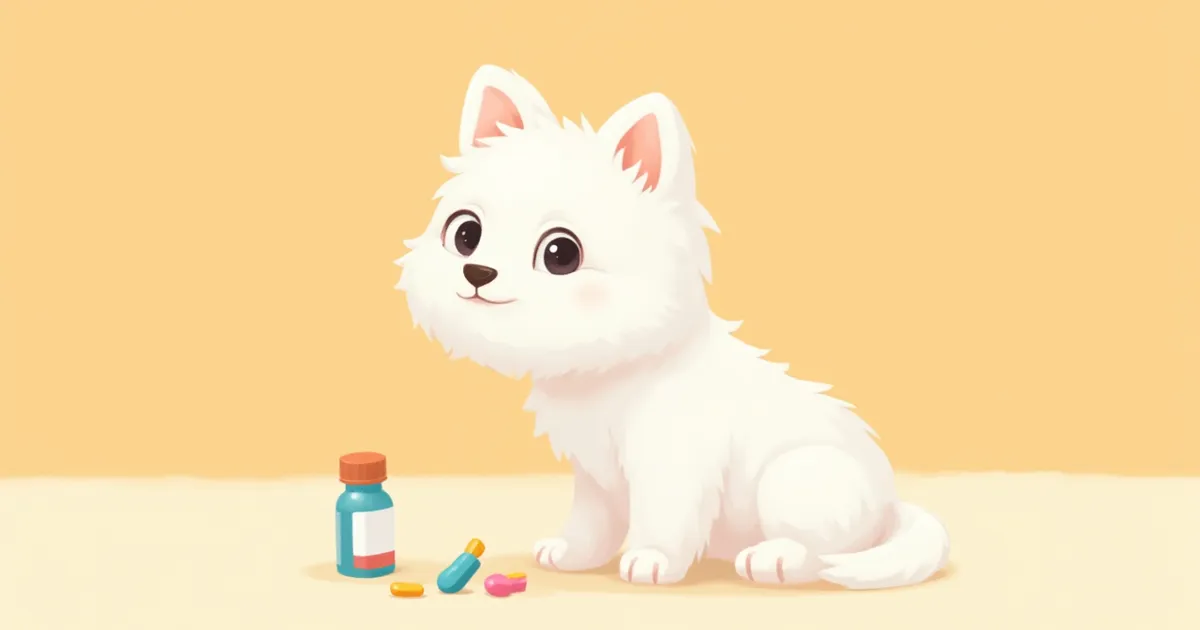
The cornerstone of treatment is maintaining stable blood pressure control. Your veterinarian will prescribe antihypertensive medication; amlodipine, a calcium channel blocker, is the most commonly used drug in cats, sometimes in combination with an ACE inhibitor. At the same time, concurrent treatment is provided for the underlying cause, such as kidney disease or hyperthyroidism. The goal of therapy is to lower systolic blood pressure to a safe range and prevent further damage to target organs. During the initial phase of treatment, blood pressure and ophthalmic status are monitored relatively frequently, with check-up intervals gradually extended once stability is achieved. Consistent medication adherence and regular veterinary check-ups are the keys to successful management.
A photo showing a cat taking medicine.

Home Care Points

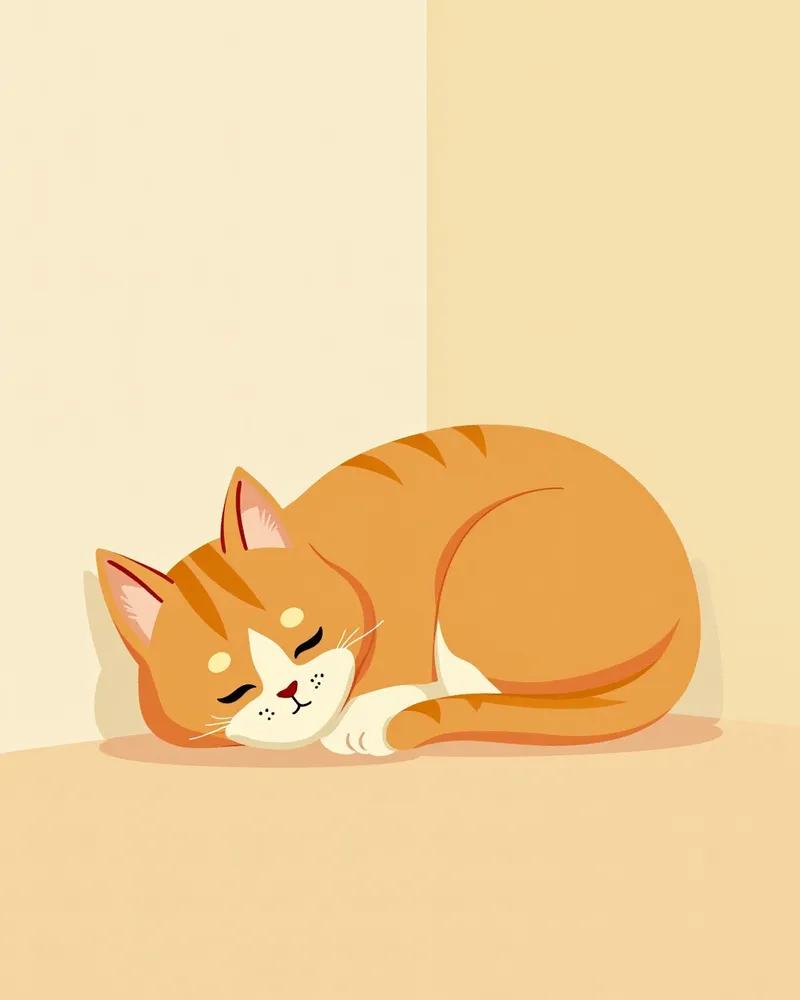
Consistent home care is crucial for managing feline hypertensive retinopathy. Administer medication at the exact prescribed times and monitor blood pressure regularly as directed by your veterinarian. It is important to maintain a quiet, stable environment to minimize stress, since stress itself can cause temporary spikes in blood pressure. Provide a comfortable resting space for your cat, and if their vision is impaired, keep the arrangement of furniture and objects consistent. Work with your veterinarian to adjust your cat’s diet; while the efficacy of sodium-restricted diets is not definitively proven, it is advisable to avoid foods that are excessively high in salt.
A cat resting quietly in a calm and comfortable space.

Precautions by Cat Breed

Hypertension in cats becomes increasingly dangerous with age. It is relatively common in senior cats aged nine years and older, and the risk is further elevated by underlying conditions such as chronic kidney disease or hyperthyroidism. Since hypertension usually develops secondary to these underlying diseases, regular blood pressure monitoring and health check-ups are essential for senior cats or those with chronic illnesses. Early detection and management can prevent vision loss, so be sure to frequently check the eye condition of senior cats.

Reviewed by a veterinarian

Dr. Tony — Punnawat Phongkittirak

Dr. Tony — Punnawat Phongkittirak

Veterinarian

A veterinarian who majored in veterinary medicine at Khon Kaen University, Thailand, and completed the IVSA program at North Carolina State University in the United States. Drawing on clinical experience at animal hospitals, he works in the pet healthcare field and is dedicated to building a digital care environment that connects pet parents with veterinarians.

Frequently Asked Questions

Can hypertensive retinopathy in cats be cured?
With proper management of the underlying condition, you can prevent vision loss and maintain a stable state. However, since damaged retinal tissue is difficult to restore, early treatment is crucial.
How often should blood pressure be measured?
Blood pressure is measured every 1 to 2 weeks in the early stages of treatment, and every 1 to 3 months once stable. Regular management is essential under the guidance of your veterinarian.
How can I help my cat if its vision is poor?
Keep items in their usual places and maintain a consistent environment. Avoid areas that are too bright or too dark, and ensure there’s enough space for your cat to move around comfortably.
Will giving the medication cause any side effects?
Some cats may experience vomiting or a loss of appetite. If you notice any unusual symptoms after administering the medication, consult your veterinarian immediately.
Is prevention possible?
Regular blood pressure checks and health screenings can help catch issues early in senior cats and those with chronic conditions, which is key to prevention.

Share

Related Guides

References

[1] Komáromy AM, Andrew SE, Denis HM, Brooks DE, Gelatt KN. Hypertensive retinopathy and choroidopathy in a cat. Vet Ophthalmol 2004;7(1):3–9.

[2] Brown SA, Henik RA. Diagnosis and treatment of systemic hypertension. Vet Clin North Am Small Anim Pract 1998;28(6):1481–94.

[3] Maggio F, DeFrancesco TC, Atkins CE, et al. Ocular lesions associated with systemic hypertension in cats: 69 cases (1985-1998). J Am Vet Med Assoc 2000;217(5):695-702.

This information is based on veterinary literature and does not replace diagnosis or treatment. Please consult a veterinarian for specific health concerns.

Metapet Co., Ltd. | CEO: Park Sung-yong | Business Reg. No. 417-88-02562 | Seoul, South Korea | Customer Center

Feline Hypertensive Retinopathy: Symptoms to Treatment Guide | Meongsiljang