Like
Share
멍실장
강아지 피하수액 자가 투여 증상과 원인, 진단·치료와 관리 포인트 총정리

Can You Administer Subcutaneous Fluids to Your Dog at Home? — Key Points for Safe Self-Administration

KidneyDiseasesMeongsiljang Veterinary Advisory Board

Administering subcutaneous fluids at home is a safe way for pet owners to provide hydration to dogs that need it due to conditions like chronic kidney disease. By following the correct procedure and precautions, you can help minimize the risk of complications.

What Is Self-Administration of Subcutaneous Fluids for Dogs?
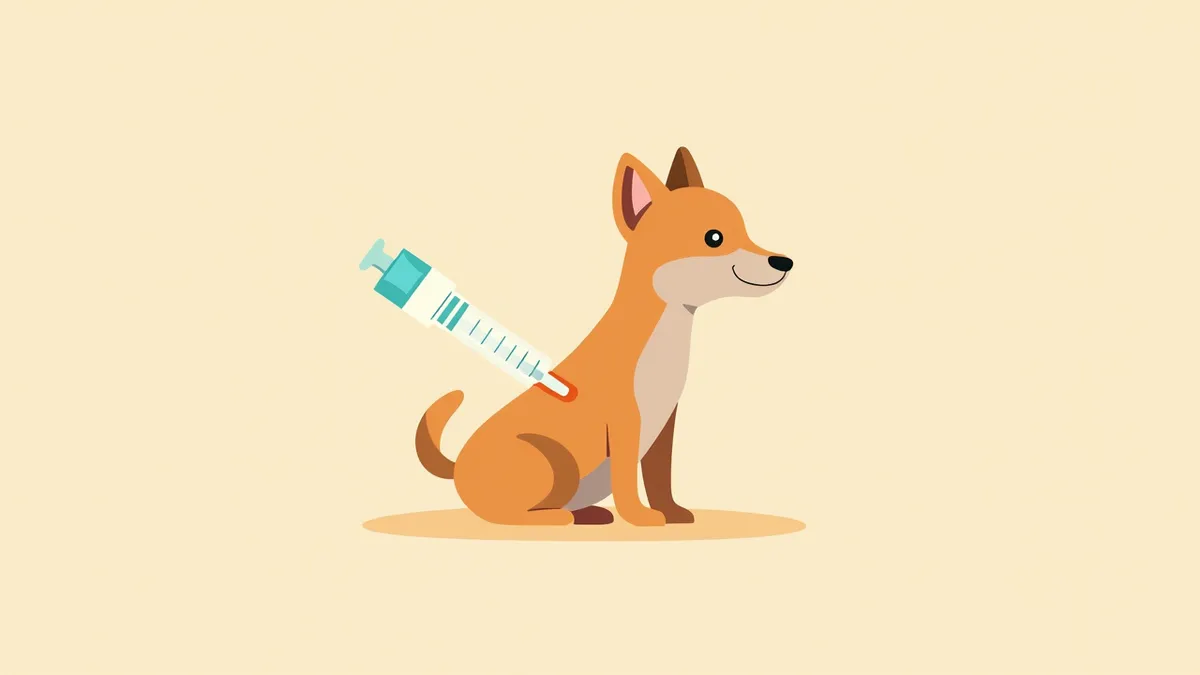
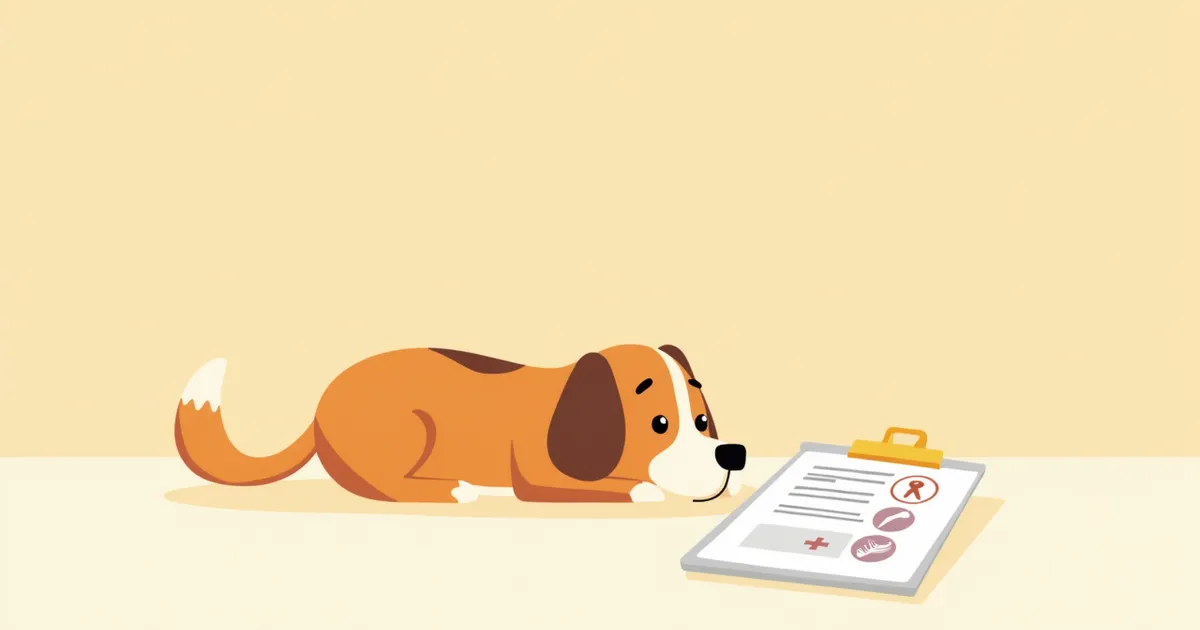
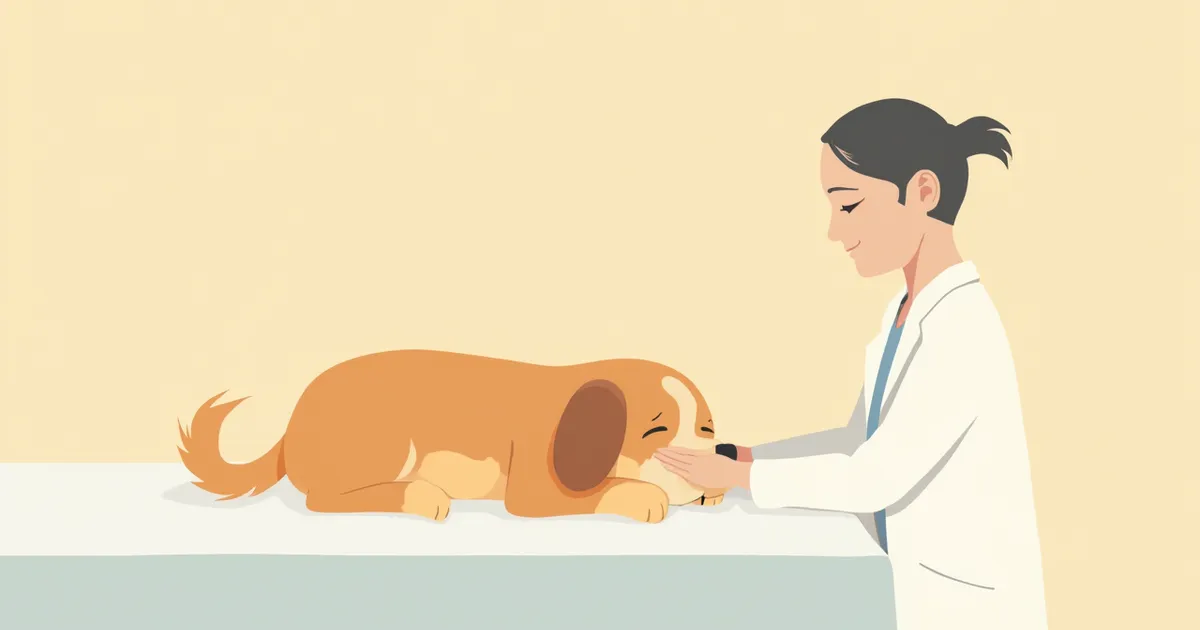
A veterinarian explaining to a dog owner how to administer subcutaneous fluids.
Subcutaneous fluid therapy for dogs is a safe, at-home treatment method that owners can administer under veterinary guidance when their dog is dehydrated or has an electrolyte imbalance due to conditions such as chronic kidney disease. This approach helps reduce the frequency of veterinary visits and minimizes stress for your dog. - Fluid replenishment: Directly supplies fluids and electrolytes to the body to improve dehydration. - Self-management: Regular administration supports long-term health maintenance. - Safe procedure: After initial instruction and practice under veterinary supervision, owners can master the correct technique, reducing risks. - Sustainability: Easy to perform at home even for long-term treatment, which is a key factor in improving your dog’s quality of life.

What Are the Main Reasons for Subcutaneous Fluid Administration?
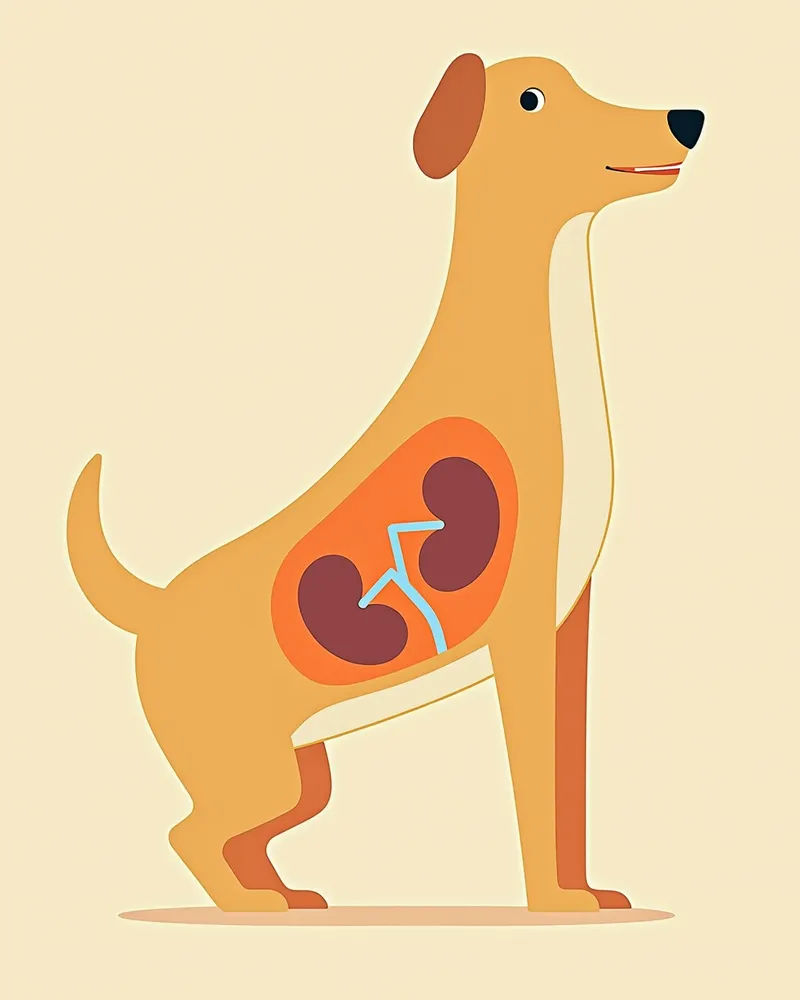
Administering subcutaneous fluids at home is primarily recommended for dogs who are deficient in fluids and electrolytes due to chronic kidney disease, loss of appetite, or dehydration. In cases of chronic kidney disease, the kidneys lose their ability to properly concentrate urine, causing excessive fluid loss. Even when the dog drinks water, it cannot keep up with the volume being excreted, leading to progressive dehydration; therefore, regular fluid supplementation is beneficial. - Declining kidney function: Inability to concentrate urine leads to excessive fluid loss and subsequent dehydration. - Dehydration prevention: Replenishes fluid deficits when water intake decreases. - Electrolyte balance: Helps maintain proper levels of electrolytes such as sodium and potassium. - Support for energy and condition: Restoring fluids and electrolytes aids in maintaining overall health and vitality. - Long-term management: Allows for consistent, ongoing care at home under the guidance of a veterinarian.
A medical illustration showing a dog’s kidney function and the distribution of fluids within the body.

Symptoms and Signs That May Occur During Subcutaneous Fluid Administration

The symptoms that may occur during or after subcutaneous fluid administration can vary, so close observation is essential. Pet owners often overlook certain signs, so it’s important to develop a habit of regular checks.
Subcutaneous edema: This occurs when fluid accumulates in the body, causing swelling under the skin.
Pain response: The injection site may become sensitive, or the pet may show signs of discomfort when moving.
Fever: Body temperature may rise due to infection or an inflammatory response.
Decreased appetite: This can be a sign of overall declining health.
Coughing or difficulty breathing: Excessive fluid accumulation may affect the lungs.
If any of these symptoms appear, consult your veterinarian immediately.

Symptoms Requiring Immediate Veterinary Care

If your pet experiences difficulty breathing, labored respiration, severe swelling, persistent coughing, lethargy or decreased consciousness, or sudden weakness and collapse after receiving subcutaneous fluids, seek veterinary care immediately. These symptoms may indicate fluid overload or an adverse reaction. Prompt intervention can be life-saving.

Accurate Diagnosis and Establishing an Administration Plan

Administering subcutaneous fluids at home requires an accurate diagnosis and a personalized plan from your veterinarian. Your vet will assess your pet’s current condition through blood tests, urine tests, and weight measurements to determine the appropriate frequency and dosage. - Regular evaluations: The plan should be adjusted as your pet’s condition changes. - Individualized care: The approach varies depending on your dog’s weight, age, and severity of illness. - Hands-on training: Before you administer fluids yourself, your veterinarian will guide and supervise your practice to ensure proper technique. - Safety protocols: Follow strict procedures to minimize the risks of overhydration or infection. - Ongoing monitoring: Consistently observe your pet for any changes in condition after each administration.
A veterinarian reviews the puppy’s test results and formulates a treatment plan.

Step-by-Step Methods for Subcutaneous Fluid Administration
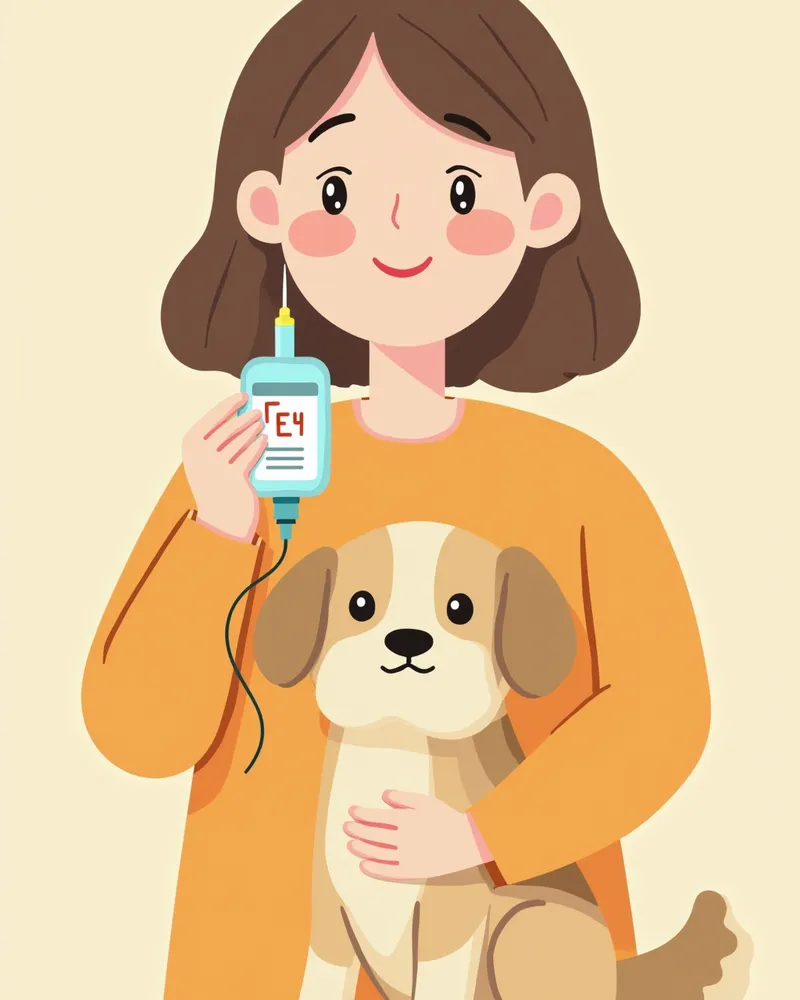
Subcutaneous fluid therapy is administered in stages. The first stage involves guidance from the veterinarian, and the second stage focuses on the caregiver learning through hands-on practice. After that, it is performed regularly, with adjustments made as needed based on changes in the pet’s condition.
Initial Training: The veterinarian administers the fluids while the caregiver observes and asks questions.
Practice Administration: The caregiver attempts the procedure under the veterinarian’s supervision and receives feedback.
Regular Administration: Once approved by the veterinarian, the caregiver safely performs the procedure at home.
Condition Monitoring: Record the pet’s condition after each administration and report any changes immediately.
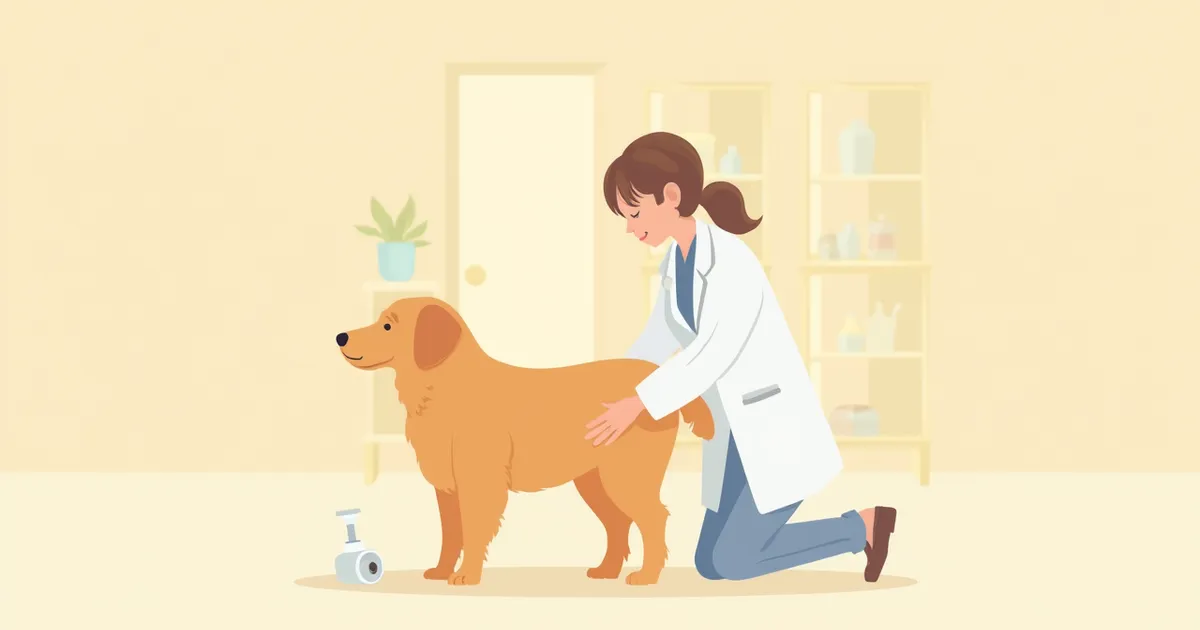
A dog owner carefully handling subcutaneous fluid administration supplies

Home Care and Daily Management Points

Administering subcutaneous fluids at home is part of daily care, so regular checks and record-keeping are essential. Here are key points every pet owner should know:
Weigh before each administration: Record your pet’s weight before every session. Changes in weight are an important indicator of their condition.
Rotate injection sites: Repeatedly injecting the same area can cause skin irritation, so change the site with each administration.
Maintain tool hygiene: Use a new syringe and needle for every injection. Do not reuse them, and safely dispose of used items in a dedicated sharps container for medical waste. Return full containers to your veterinary clinic.
Keep detailed records: Log the date, dosage, and your pet’s response as if keeping a journal.
Minimize stress: Administer fluids in a quiet environment and help your dog get into a comfortable position. Monitor for any adverse reactions for 1–2 hours after administration.

Breed-Specific Precautions and Tips for Preventing Recurrence

Certain dogs may be more susceptible to chronic kidney disease, and the risk generally increases with age. Therefore, it is important to regularly assess kidney function and hydration status through routine check-ups, and to develop a fluid therapy plan in consultation with your veterinarian. Be attentive to changes in water intake and urine output, as well as fluctuations in body weight, and consult your veterinarian immediately if any abnormalities are noticed.

Reviewed by a veterinarian

Dr. Tony — Punnawat Phongkittirak

Dr. Tony — Punnawat Phongkittirak

Veterinarian

A veterinarian who majored in veterinary medicine at Khon Kaen University, Thailand, and completed the IVSA program at North Carolina State University in the United States. Drawing on clinical experience at animal hospitals, he works in the pet healthcare field and is dedicated to building a digital care environment that connects pet parents with veterinarians.

Frequently Asked Questions

Is subcutaneous fluid administration painful?
When administered with proper technique, the procedure is virtually painless for your dog. There may be a slight sting at the injection site, but most dogs tolerate it well.
How many times a day should it be administered?
The frequency depends on your veterinarian's instructions. Typically, it's administered once or twice a day, three to five times a week, but adjustments may be made based on your pet's individual condition.
What happens if there’s too much fluid?
Excessive fluid administration can lead to pulmonary edema or heart failure. It is essential to adhere strictly to the prescribed dosage and frequency. If any abnormal symptoms appear, seek immediate veterinary care.
Where can I purchase syringes and needles?
Use medical-grade tools provided by your veterinarian or available over-the-counter at pharmacies. Always use products specifically designed for administration to pets.
What should I do if I make a mistake during the first dose?
Mistakes can happen to anyone. The safest course of action is to contact your veterinarian immediately and receive further guidance before administering the next dose.

Comparison of Condition Management by Subcutaneous Fluid Administration Frequency

ItemAppropriate SituationPrecautionsRecommended Method
Once a DayEarly stage of chronic kidney disease, stable weightPossibility of excessive edemaWeight recording essential
3–5 Times a WeekPreventing dehydration, when appetite is reducedFatigue at injection siteRotating the site is essential
Once a Week or LessStable condition, when fluids are not neededRisk of insufficient hydrationRegular check-ups essential

Adjust the frequency according to your veterinarian's instructions. It may vary depending on the individual condition.

Share

Related Guides

References

[1] Muir WW 3rd (2017) Effect of intravenously administered crystalloid solutions on acid–base balance in domestic animals. J Vet Intern Med 31(5):1371–1381.

[2] Pardo M, Spencer E, Odunayo A, et al. (2024) AAHA Fluid Therapy Guidelines for Dogs and Cats. Journal of the American Animal Hospital Association 60(4):131–163.

[3] The Dog Care Handbook, Things I Wish My Vet Had Told Me (2024). Chapter 12: Home Fluid Therapy for Chronic Kidney Disease.

This information is based on veterinary literature and does not replace diagnosis or treatment. Please consult a veterinarian for specific health concerns.

Metapet Co., Ltd. | CEO: Park Sung-yong | Business Reg. No. 417-88-02562 | Seoul, South Korea | Customer Center

Giving Your Dog Subcutaneous Fluids at Home: Safe Self-Care Tips | Meongsiljang