

If Your Dog Has Persistent Nosebleeds and Nasal Congestion — Causes, Diagnosis, and Treatment Timing for Nasal Tumors
Nasal tumors in dogs are malignant growths that develop within the nasal cavity. They are most commonly seen in older dogs, and early detection is crucial for a successful outcome. Symptoms may include nasal discharge, nosebleeds, and difficulty breathing. Accurate diagnosis and treatment tailored to the specific type of tumor are essential.
What Is Canine Nasal Tumor Oncology?

Main Causes and Pathogenesis of Nasal Tumors
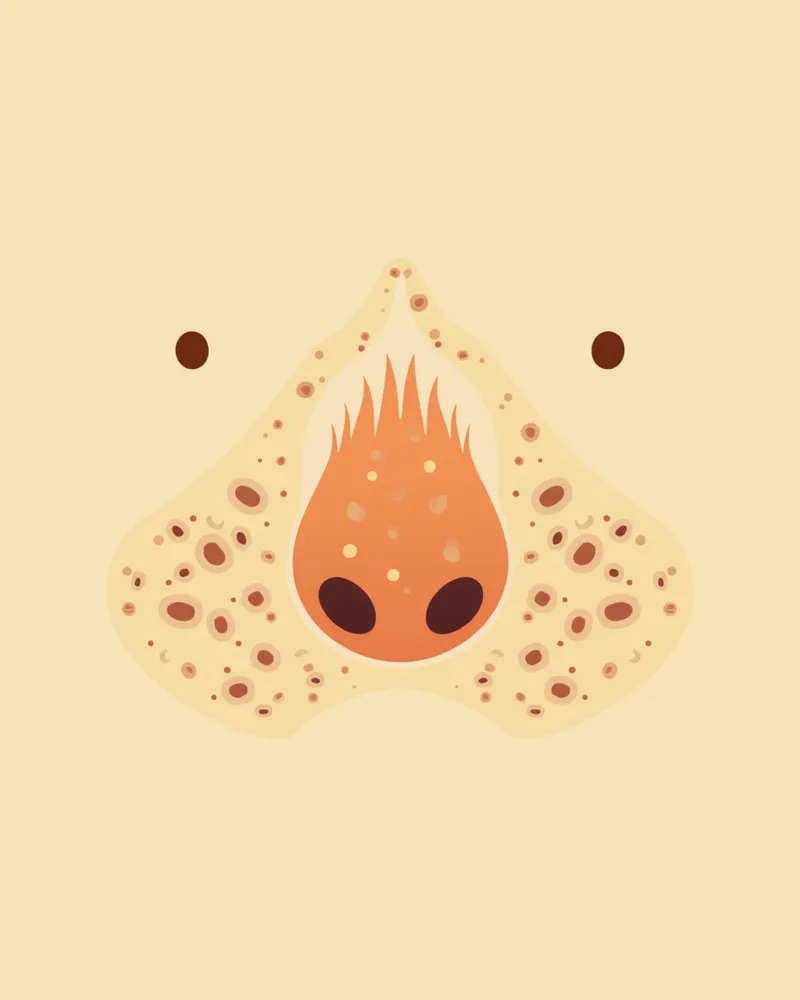
Key Symptoms and Sign Checklist

Emergency Signs Requiring Immediate Veterinary Visit
If your pet experiences recurrent nosebleeds, severe difficulty breathing, significant swelling around the nose, or facial asymmetry, immediate veterinary attention is required. These symptoms may indicate that a tumor has invaded the bone or spread to the brain.
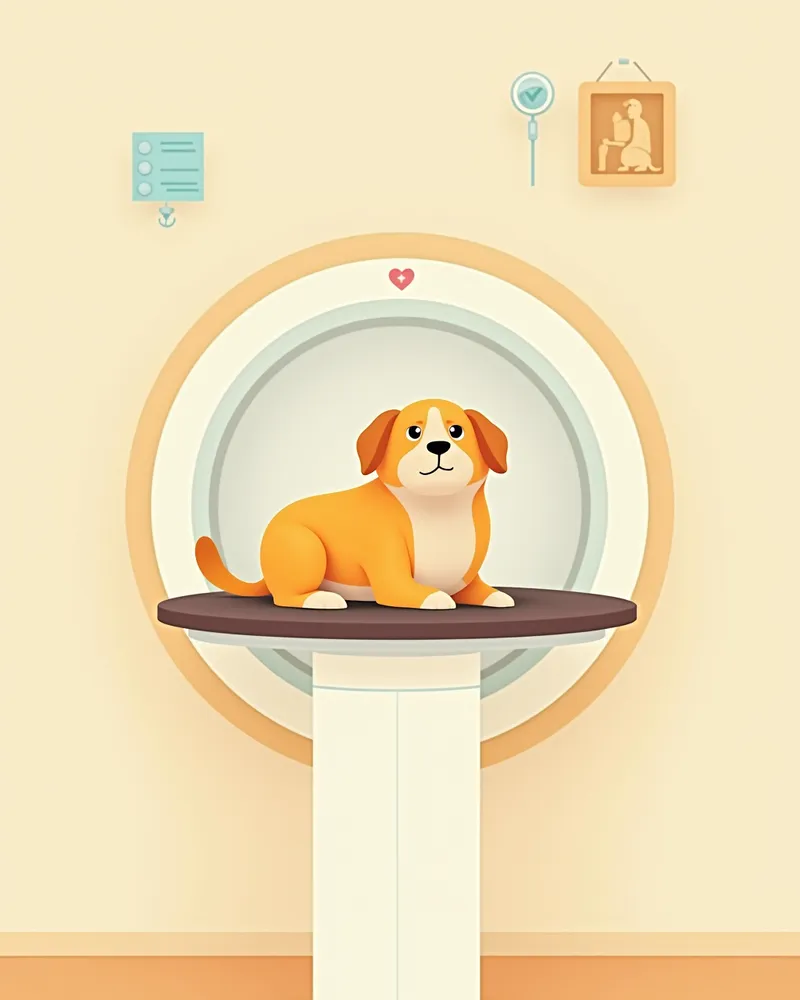
Diagnostic Methods for Accurate Diagnosis
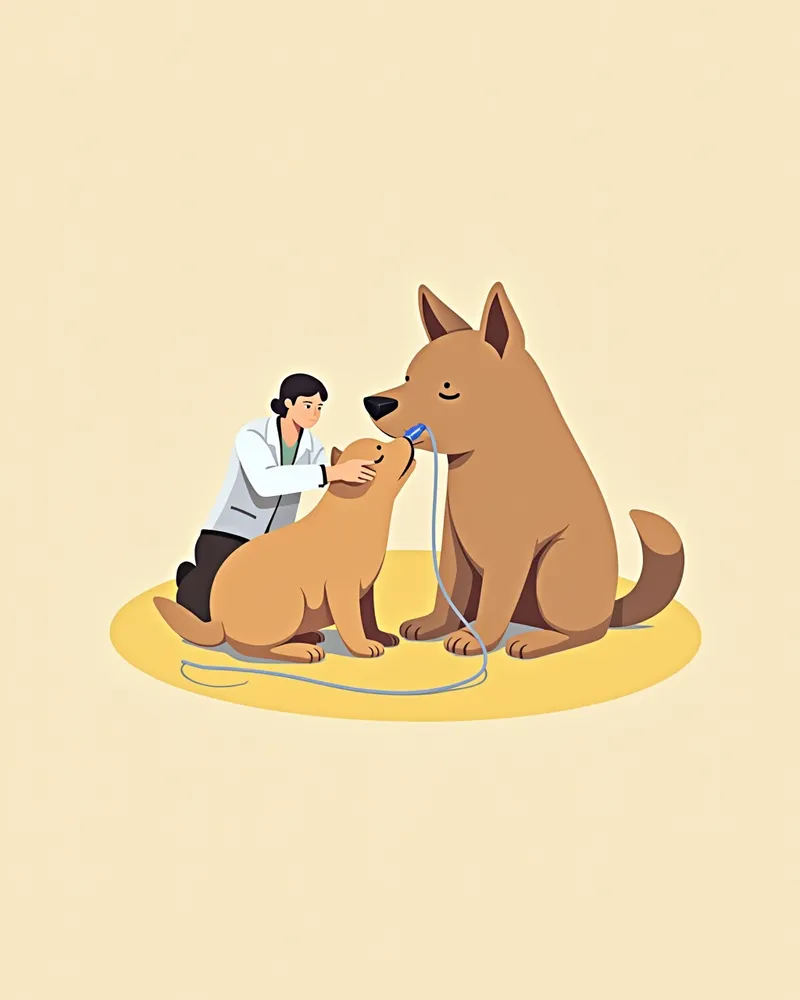
Treatment Methods and Step-by-Step Approach Strategy
Home Care and Daily Care Points
Preventing Recurrence and Breed-Specific Precautions
Nasal tumors have a high risk of local recurrence, so regular follow-up exams are essential. They are more common in long-nosed (dolichocephalic) and medium-nosed (mesocephalic) dogs, as well as in medium-to-large breeds, while short-nosed (brachycephalic) dogs are at relatively lower risk. Early detection and ongoing management are key to extending survival time.
Reviewed by a veterinarian

Dr. Tony — Punnawat Phongkittirak
VeterinarianA veterinarian who majored in veterinary medicine at Khon Kaen University, Thailand, and completed the IVSA program at North Carolina State University in the United States. Drawing on clinical experience at animal hospitals, he works in the pet healthcare field and is dedicated to building a digital care environment that connects pet parents with veterinarians.
Reviewed 2026-06-07
Frequently Asked Questions
Can nasal tumors in dogs be cured?
Can nasal tumors be transmitted to humans?
When is surgery for a nasal tumor possible?
What side effects can occur from medications used during nasal tumor treatment?
What tests should be done if a nasal tumor is suspected?
Share
Related Guides

Comprehensive Guide to Recommended Hospice Care and Quality of Life Management for Cats with Tumors

7 Factors Determining Prognosis and Life Expectancy in Dogs with Tumors, According to Veterinarians
7 Key Management Points for Canine Transitional Cell Carcinoma (Bladder Cancer) Recommended by Veterinarians — From Symptoms to Care

When Your Cat’s Behavioral Issues Require Medication — Efficacy, Side Effects, and When to Visit the Vet

Changes in Your Cat After the Baby’s Birth — Causes of Postpartum Behavioral Changes and Adaptation Management Points

Our Cat’s Paroxysmal Coughing and Wheezing — Asthma Symptoms, Causes, and Emergency Response

If Your Cat Has Proteinuria — Causes of Kidney Damage and Management Points

If Your Dog Licked Cocoa Mulch — Symptoms, Emergency Response, and Prevention

If Your Cat Is Constantly Seeking Water — Signs of Salt Toxicity and Emergency Response
Did My Dog Eat Too Much Salt? — From Poisoning Warning Signs to First Aid and Prevention
References
[1] Penninck, D.G. et al. (1998). Ultrasonography of canine gastric epithelial neoplasia. Veterinary Radiology & Ultrasound, 39(5), 342–348.
[2] Hostetter, S.J. (2023). Oral cavity, gastrointestinal tract, and associated structures. In: Canine and Feline Cytology: A Color Atlas and Interpretation Guide, 2nd edn. Saunders Elsevier, St. Louis, pp. 287–296.
[3] Dernell, W.S. et al. (1998). Multilobular osteochondrosarcoma in 39 dogs: 1979–1993. Journal of the American Animal Hospital Association, 34(1), 11–18.