Like
Share
멍실장
강아지 부갑상선기능저하증 증상과 원인, 진단·치료와 관리 포인트 총정리

If Your Dog Keeps Trembling and Having Seizures — Hypoparathyroidism, Hypocalcemia Symptoms, and Treatment

EndocrineDiseasesMeongsiljang Veterinary Advisory Board

Canine hypoparathyroidism is an endocrine disorder caused by damage to the parathyroid glands, which play a crucial role in regulating calcium levels, and it can lead to seizures, muscle stiffness, and behavioral changes. Early diagnosis and treatment are essential.

What Is Canine Hypoparathyroidism?

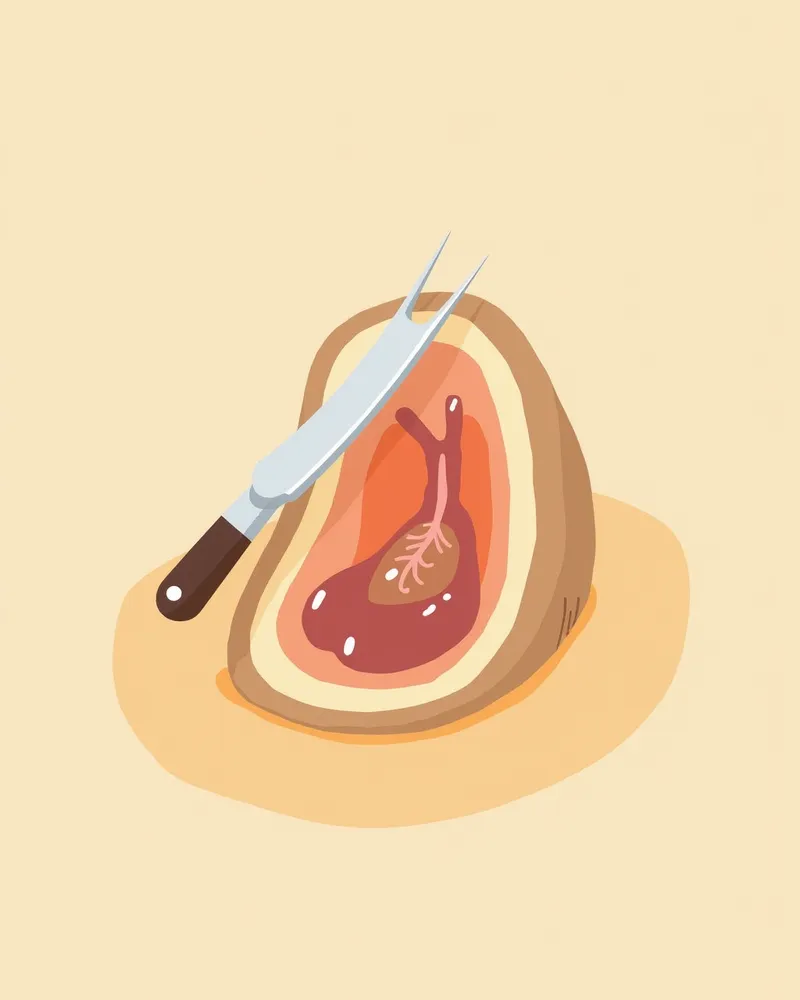
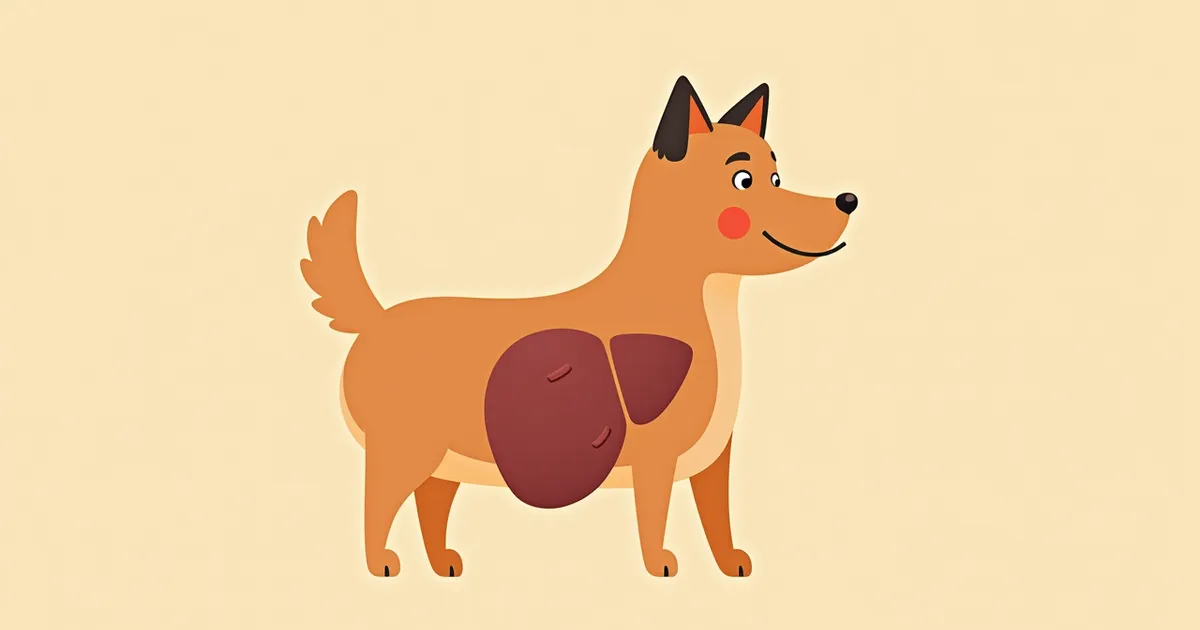
A medical image highlighting the parathyroid glands located in a dog’s neck region.
Canine hypoparathyroidism is an endocrine disorder that occurs when the parathyroid glands fail to properly regulate calcium and phosphorus balance. This leads to a rapid drop in blood calcium levels, causing neuromuscular hyperexcitability, which can manifest as seizures or muscle rigidity. The condition may arise following surgery, due to autoimmune damage, or from genetic factors. Since calcium is essential not only for bone health but also for nerve transmission and muscle contraction, a deficiency can be life-threatening. Early diagnosis and consistent management are key to successful treatment. While this condition may be difficult to cure, appropriate therapy can help maintain your pet’s quality of life.

What Are the Main Causes?

The most common cause of hypoparathyroidism in dogs is idiopathic (autoimmune) disease, in which lymphocytes infiltrate the parathyroid glands and the immune system damages the tissue. The second most common cause is neck surgery, particularly thyroidectomy or tumor removal, during which the parathyroid glands may be damaged or their blood supply compromised; in these cases, the resulting hypoparathyroidism can be either temporary or permanent. Other potential causes of parathyroid damage include metastatic disease and trauma. Congenital absence of the parathyroid glands is very rare. Accurately identifying the underlying cause is crucial for developing an appropriate treatment plan, so careful monitoring for signs of hypoparathyroidism is especially important following neck surgery.
A surgical scene showing the removal of the thyroid gland while protecting the parathyroid glands.

What Are the Main Symptoms and Signs?

Symptoms of hypoparathyroidism in dogs stem from neuromuscular excitability caused by calcium deficiency. They often begin with intermittent twitching (fasciculations) and tremors in individual muscle groups, potentially progressing to generalized rigidity (tetany). This can result in stiff, rigid muscles, gait abnormalities, lethargy, dullness, muscle atrophy, generalized weakness, and decreased appetite. Because these neuromuscular hypersensitivity reactions can progress rapidly, immediate intervention is essential. If symptoms recur or worsen, they may manifest in seizure-like episodes, making early recognition and a veterinary visit the crucial first steps toward treatment.
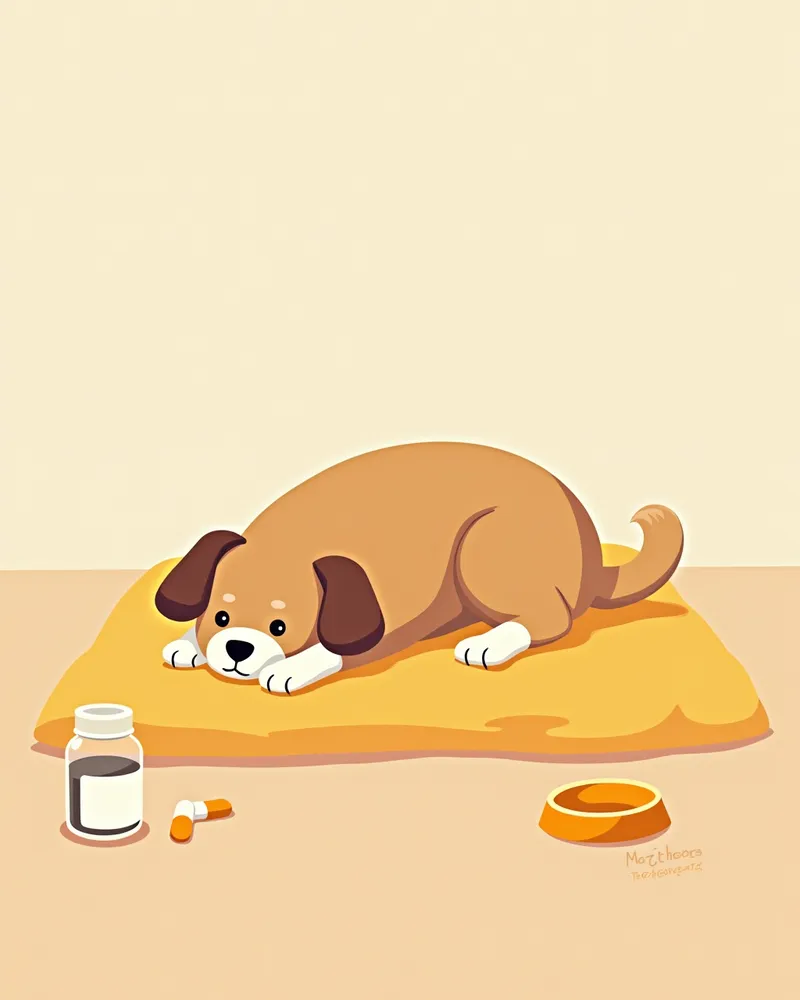
A puppy showing signs of muscle stiffness and tremors

Symptoms Requiring Immediate Veterinary Visit

If your dog experiences repeated seizures or becomes unable to move due to stiff, rigid muscles (generalized rigidity or tetany), seek veterinary care immediately. This indicates critically low blood calcium levels causing excessive neuromuscular excitability, which can be life-threatening. Without emergency treatment, symptoms can worsen rapidly, so prompt veterinary intervention is essential.

What Is the Accurate Diagnostic Method?

Hypoparathyroidism is diagnosed through blood tests. Most cases show markedly low serum total calcium (hypocalcemia) and elevated phosphorus levels (hyperphosphatemia). When kidney function (blood urea and creatinine) is normal, this suggests primary hypoparathyroidism. If parathyroid hormone (PTH) levels are inappropriately low in the presence of hypocalcemia, a diagnosis of hypoparathyroidism can be made. PTH testing is validated for use in dogs. If needed, an ultrasound of the dorsal neck region may be performed to assess the parathyroid glands. Multiple tests are conducted to differentiate from other conditions with similar symptoms, as an accurate diagnosis forms the basis for developing a treatment plan.
A dog having its blood drawn, along with lab results showing low calcium levels.

Treatment Methods and Step-by-Step Management

The cornerstone of treating hypoparathyroidism is the consistent administration of calcium and vitamin D supplements. Initially, intravenous injections are used to rapidly restore calcium levels, after which treatment is transitioned to oral medication. Your veterinarian will adjust the dosage based on your pet’s weight and blood test results, as overdosing can cause adverse side effects. Regular blood tests are essential to monitor calcium levels. Since treatment may be lifelong, it’s important to develop a management plan together with your family. Abruptly stopping the supplements can lead to a recurrence of symptoms.
A puppy receiving a calcium injection and scenes of monitoring blood calcium levels

Management Points at Home

Administer your dog’s calcium supplement at the same time every day. Giving it with meals improves absorption. Avoid sudden stress and excessive exercise, and maintain a stable environment. Since calcium levels can fluctuate, keep regular veterinary check-ups and contact us immediately if you notice any unusual symptoms. Keeping a log of supplement administration can be helpful. It’s important for all family members to understand and cooperate with the care routine. Regular check-ups and open communication are key to maintaining long-term health.
A puppy resting in a calm and stable environment.

Preventing Recurrence and Breed Precautions

Because abruptly stopping supplements in hypoparathyroidism can cause a sudden drop in calcium levels and trigger a recurrence of seizures, it is essential to consistently monitor calcium levels through regular blood tests. The most common cause of this condition is idiopathic (autoimmune) damage, though it can also occur in some cases following neck surgery. However, current veterinary evidence does not allow us to definitively establish a genetic predisposition in specific breeds, so it is best to consult your veterinarian for cause evaluation and long-term management.

Reviewed by a veterinarian

Dr. Tony — Punnawat Phongkittirak

Dr. Tony — Punnawat Phongkittirak

Veterinarian

A veterinarian who majored in veterinary medicine at Khon Kaen University, Thailand, and completed the IVSA program at North Carolina State University in the United States. Drawing on clinical experience at animal hospitals, he works in the pet healthcare field and is dedicated to building a digital care environment that connects pet parents with veterinarians.

Frequently Asked Questions

Can hypoparathyroidism be treated?
Yes, with consistent supplementation of calcium and vitamin D (calcitriol), most dogs can lead a normal life. Ongoing management is essential.
Will the illness return if I stop giving the supplement?
Yes, abruptly stopping the supplement can cause a sudden drop in calcium levels, which may lead to seizures. It’s important to adjust the dosage gradually under your veterinarian’s guidance.
Can it be treated with a dietary regimen?
Diet alone is not enough to fully treat hypoparathyroidism, so supplementation is essential. However, choosing a diet that balances calcium and phosphorus can be helpful.
Can this condition be genetic?
The most common cause of this condition is believed to be idiopathic (autoimmune) damage. However, based on current veterinary evidence, it is difficult to definitively attribute a genetic predisposition to specific breeds, so we recommend consulting with your veterinarian for an accurate assessment of the underlying cause.
What should I do if my pet has a seizure?
Contact your veterinarian immediately. Be prepared to seek emergency treatment if necessary. During a seizure, keep your dog in a safe, stable position and clear away any nearby objects.

Share

Related Guides

References

[1] Peterson ME, Kintzer PP, Hurvitz AI. Methimazole treatment of 262 cats with hyperthyroidism. J Vet Intern Med. 1988;2:150.

[2] Fox P, Peterson M, Broussard J. Electrocardiographic and radiographic changes in cats with hyperthyroidism. J Am Anim Hosp Assoc. 1998;35:27.

[3] Hill P, Warman S, Shawcross G. 100 Top Consultations in Small Animal General Practice. Blackwell Publishing Ltd, 2011.

This information is based on veterinary literature and does not replace diagnosis or treatment. Please consult a veterinarian for specific health concerns.

Metapet Co., Ltd. | CEO: Park Sung-yong | Business Reg. No. 417-88-02562 | Seoul, South Korea | Customer Center

Dog Trembling & Having Seizures? Hypoparathyroidism & Hypocalcemia | Meongsiljang