Like
Share
멍실장
강아지 눈먼 개·고양이 관리 증상과 원인, 진단·치료와 관리 포인트 총정리

Blind Dogs and Cats: A Complete Guide to Symptoms, Causes, Diagnosis, Treatment, and Management

Eye HealthDiseasesMeongsiljang Veterinary Advisory Board

A blind dog refers to a condition of vision impairment or complete blindness, which can be caused by various factors such as genetic disorders, trauma, or diseases. Accurate diagnosis and proper management are essential.

A Blind Dog Has Impaired Vision or Is Completely Blind

Close-up of a dog's eyes with cloudy vision
A blind dog is one whose vision is severely impaired or completely lost. This condition can stem from various causes, including genetic factors, trauma, or disease. Early detection and proper management are essential for maintaining your dog’s quality of life.
Signs of Vision Loss: Your dog may frequently stumble, especially in dimly lit areas.
Loss of Direction: You may notice them bumping into walls or furniture more often.
Decreased Responsiveness: They may not respond when you call their name or gesture toward them.
Increased Anxiety: They may struggle to adapt to new environments and remain tense for longer periods.

The Main Causes Are Genetics, Disease, and Trauma
There are many causes of blindness in dogs, with genetic factors being one of the most common. Certain breeds are more prone to specific conditions due to their inherent characteristics. Trauma, infections, and systemic diseases such as diabetes and hypertension can also lead to vision loss.
Hereditary Cataracts: Cataracts that develop due to genetic predisposition associated with specific breeds.
Retinal Degenerative Diseases (Progressive Retinal Atrophy, PRA): A genetic condition in which photoreceptors (visual cells) gradually lose function and die, ultimately leading to blindness.
Post-Traumatic Blindness: Vision loss resulting from eye damage caused by impact or injury.
Systemic Diseases such as Diabetes and Hypertension: Diabetes commonly causes cataracts, while hypertension can lead to retinal damage, including hemorrhage and detachment, thereby affecting vision.
A veterinarian examining a dog's eye with a slit lamp

The Main Symptoms Are Vision Loss and Behavioral Changes

Symptoms of vision loss in dogs manifest as decreased eyesight accompanied by behavioral changes. There are several signs that pet owners can easily notice. Early detection is key to effective management.
Unsteady gait in the dark: Frequently stumbling in dimly lit areas.
Bumping into furniture: Often colliding with walls or furniture.
Lack of response: Not responding to their name or hand gestures.
Increased anxiety: Difficulty adapting to new environments.
Changes in eating location: Frequently moving around while searching for food.
A blind puppy moving cautiously in an unfamiliar environment

When to Visit the Vet Immediately

If your dog suddenly loses vision, or if their eyes become swollen or severely red, take them to the vet immediately. These could be signs of an acute condition or injury. Delaying treatment may make it difficult to restore their vision.

Various Tests Are Required for an Accurate Diagnosis
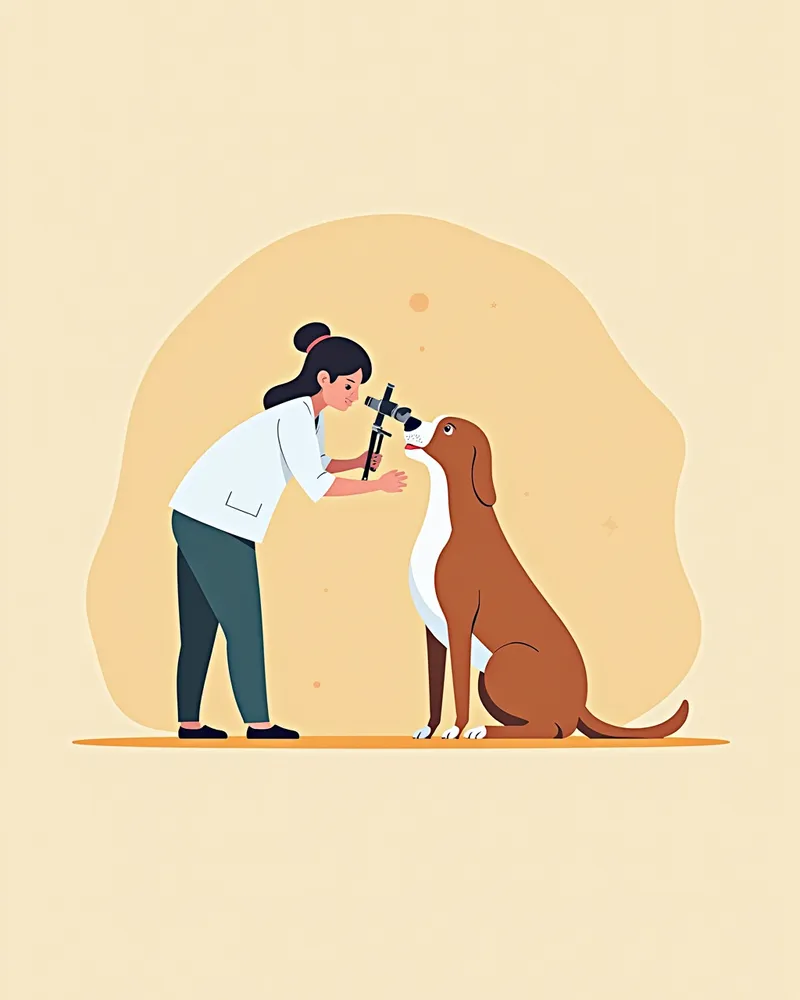
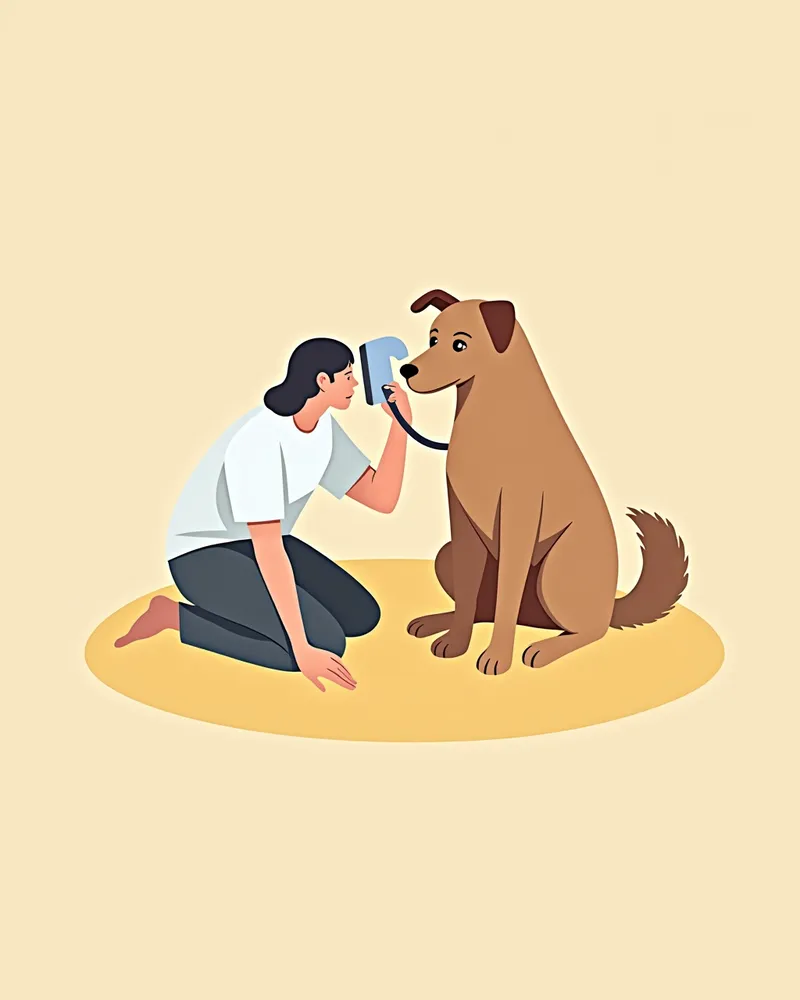
To determine the cause of blindness in dogs, various diagnostic tests are required. A veterinarian must comprehensively evaluate the structure and function of the eye. - Slit-lamp examination: Allows for detailed observation of the cornea, lens, and anterior segment structures. - Tonometry (intraocular pressure measurement): Checks for the presence of glaucoma. - Fundoscopy (ophthalmoscopy): Observes changes in the retina and optic disc, such as tapetal hyperreflectivity, vascular atrophy, and optic disc degeneration. - Electroretinography (ERG): Evaluates the function of retinal photoreceptors and helps differentiate acute retinal diseases like SARD from conditions such as optic neuritis. - Blood tests: Rules out systemic diseases such as diabetes mellitus or chronic inflammation. Accurate diagnosis is key to determining the appropriate treatment plan.
A veterinarian preparing for a slit lamp examination

Treatment Methods Vary Depending on the Cause
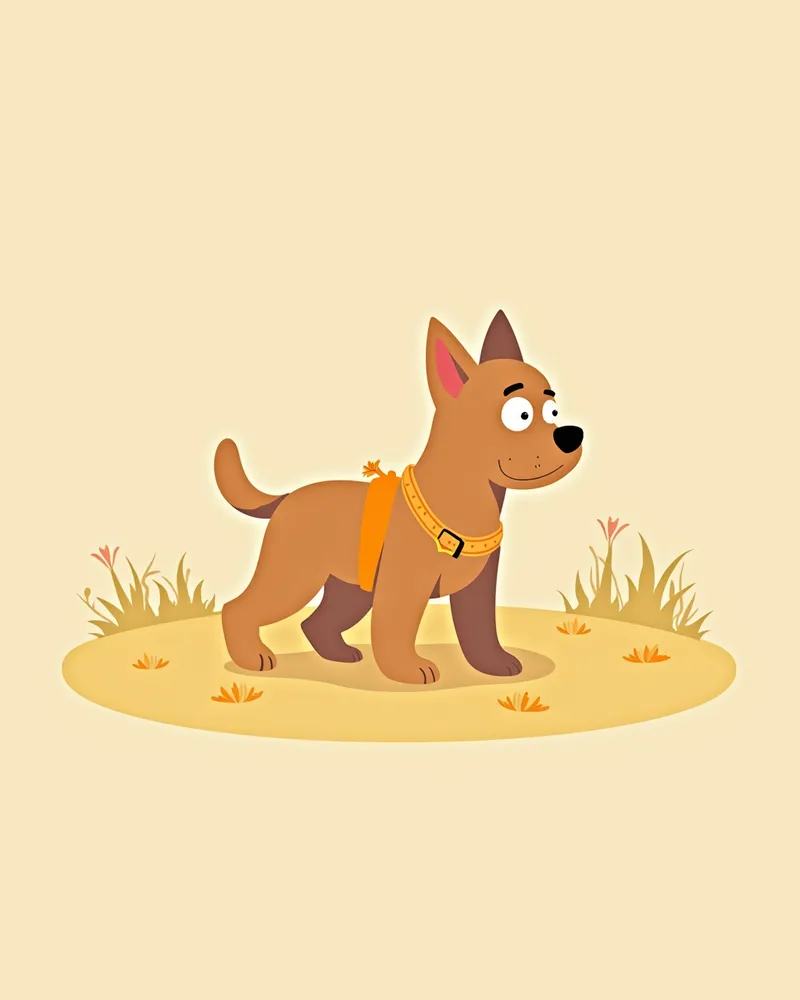
Treatment for a blind dog depends on the underlying cause. While some cases can be improved with medication or surgery, the primary goal in most cases is enhancing quality of life rather than restoring vision. It is essential to work with your veterinarian to create a customized care plan.
Cataract surgery: If cataracts are the cause, surgery may restore vision.
Medication: Drugs may be prescribed to manage inflammation or control intraocular pressure. Antioxidants are sometimes used in progressive retinal atrophy to slow disease progression, but they cannot prevent blindness.
Assistive devices: Protective eyewear designed to assist with vision may be used.
Environmental adjustments: The home layout should be redesigned to ensure safety.
A dog wearing protective glasses walks safely.

Safety and Stability Are Key to Home Management
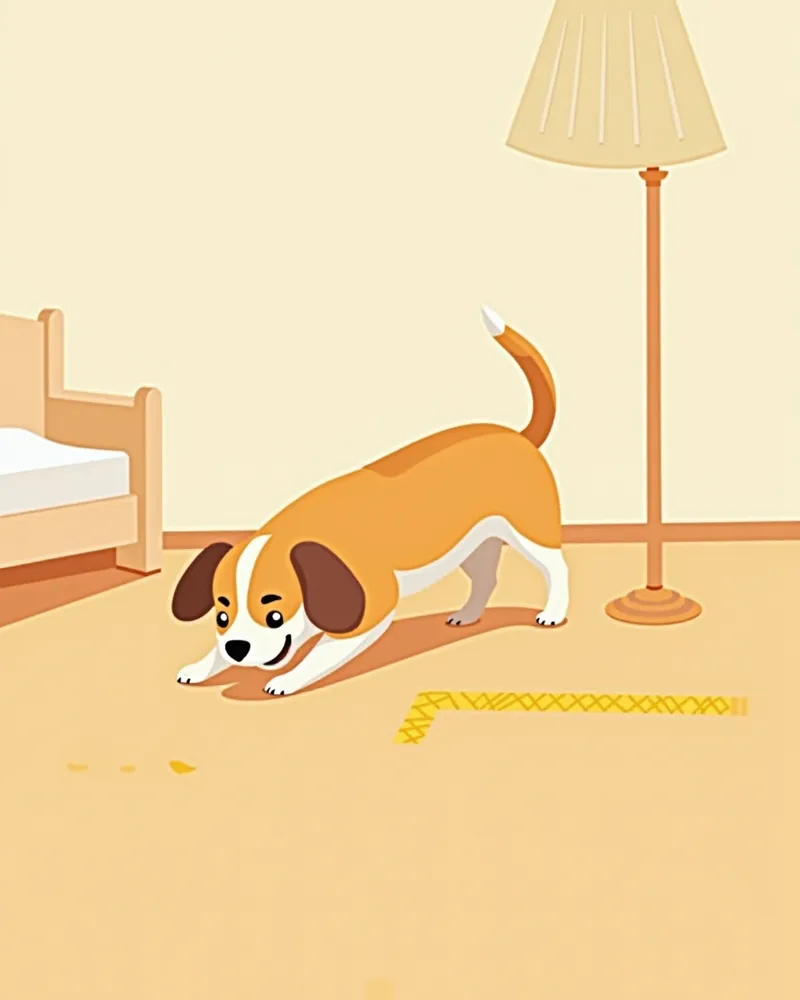
In homes with blind dogs, environmental setup and daily care are especially important. Creating a safe space and maintaining a consistent routine can be very helpful. It’s also important to support your dog’s adaptation while respecting their natural instincts.
Keep items in fixed locations: Always keep food, water, and litter areas in the same place.
Guide with sound: Use your voice or other sounds to help your dog understand their surroundings.
Ensure safe pathways: Adjust stairs, doors, and furniture to prevent falls or injuries.
Regular check-ups: Schedule routine veterinary exams to monitor your dog’s health.
A blind puppy navigating along a marked path on the floor

Certain Breeds Require Caution for Hereditary Diseases

Certain breeds, such as Miniature Schnauzers, Irish Setters, Dachshunds, Norwegian Elkhounds, Labrador Retrievers, Golden Retrievers, and Collies, are more susceptible to hereditary retinal atrophy (PRA) and other retinal diseases. It is important to have your dog undergo breed-specific genetic testing before adoption. Early detection is key to effective management.

Reviewed by a veterinarian

Dr. Tony — Punnawat Phongkittirak

Dr. Tony — Punnawat Phongkittirak

Veterinarian

A veterinarian who majored in veterinary medicine at Khon Kaen University, Thailand, and completed the IVSA program at North Carolina State University in the United States. Drawing on clinical experience at animal hospitals, he works in the pet healthcare field and is dedicated to building a digital care environment that connects pet parents with veterinarians.

Frequently Asked Questions

Are blind dogs completely unable to see?
Some pets may lose their vision entirely, while others can still detect light direction or movement. However, with progressive conditions like progressive retinal atrophy, gradual deterioration can ultimately lead to complete blindness.
Do blind dogs have a lower quality of life?
With proper environmental adjustments, your dog can maintain a good quality of life. It's important to respect your dog's instincts and senses.
Can vision be restored through surgery?
If cataracts are the cause, surgery can help restore vision. However, retinal damage is difficult to reverse. Please consult with your veterinarian.
Is it safe to leave a blind dog home alone?
Creating a safe environment and maintaining a consistent routine can make it possible to leave your pet alone. However, initially, it's important for the owner to be present with them.
Can blind dogs be trained?
Training using sound and scent is entirely possible. Commands like "sit," "stay," and "come" can be used effectively.

Share

Related Guides

References

[1] Esson DW, Calvaresi S. Clinical Atlas of Canine and Feline Ophthalmic Disease, 2nd Ed. Wiley-Blackwell, 2022.

[2] Gelatt KN, Samuelson DA. Congenital cataracts and microphthalmia in Miniature Schnauzers. J Am Vet Med Assoc, 1988.

[3] Collins BK, et al. Familial cataracts and ocular anomalies in Chow Chows. J Am Vet Med Assoc, 1992.

This information is based on veterinary literature and does not replace diagnosis or treatment. Please consult a veterinarian for specific health concerns.

Metapet Co., Ltd. | CEO: Park Sung-yong | Business Reg. No. 417-88-02562 | Seoul, South Korea | Customer Center

Blind Dogs & Cats: Symptoms, Causes, Diagnosis & Treatment | Meongsiljang