

If Your Cat’s Tears Won’t Stop — Causes of Nasolacrimal Duct Obstruction and When to Seek Treatment
Feline nasolacrimal duct obstruction is a condition in which tears cannot drain properly, causing them to pool or leak onto the surrounding fur. It can be caused by a variety of factors, including infection, trauma, or congenital structural abnormalities.
Feline Nasolacrimal Duct Obstruction Is a Condition Caused by a Blocked Tear Drainage Pathway

The Main Causes of Nasolacrimal Duct Obstruction Are Structural Abnormalities and Infection
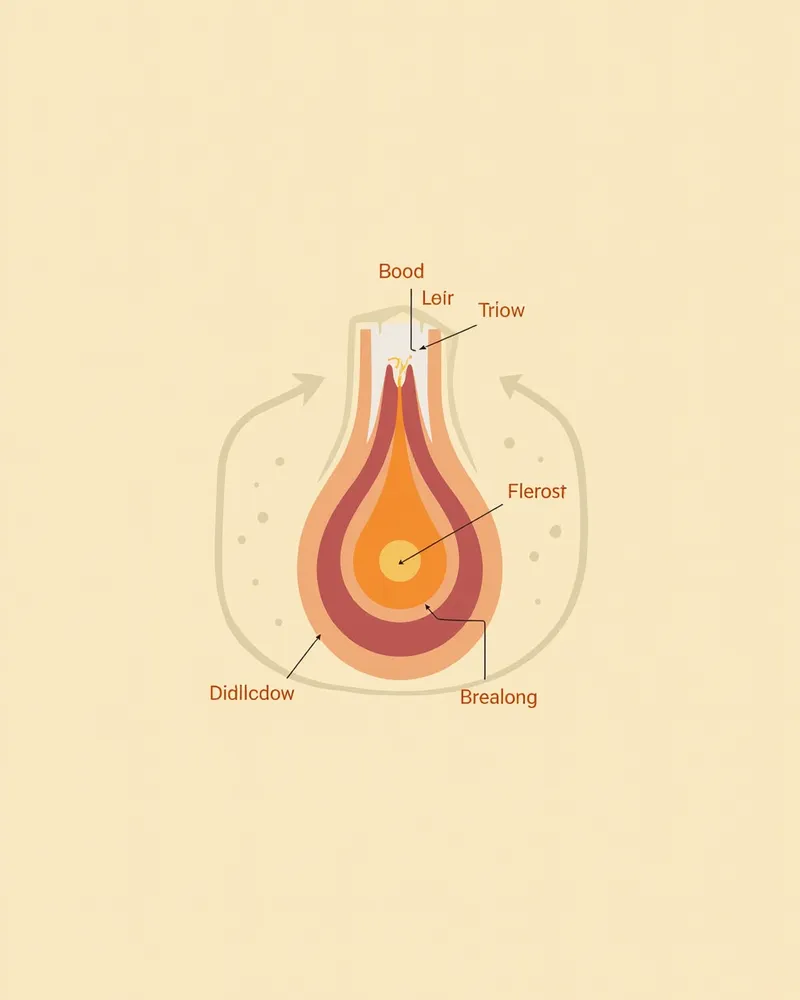
The Main Symptoms Are Frequent Tearing and Dampness Around the Eyes

If Tears Flow Continuously or the Eye Area Swells, Immediate Veterinary Visit Is Necessary
If your pet experiences persistent tearing, swelling around the eyes, or signs of pain, it may indicate a progressing infection or inflammation. Leaving this condition untreated can damage the mucous membranes of the nasolacrimal duct, and post-inflammatory scarring or fibrosis may worsen the blockage. If symptoms persist, it is crucial to seek veterinary care.
Diagnosis Is Performed Using a Tear Flow Test and Endoscopic Examination
Treatment Consists of Removing the Obstruction and Managing Infection

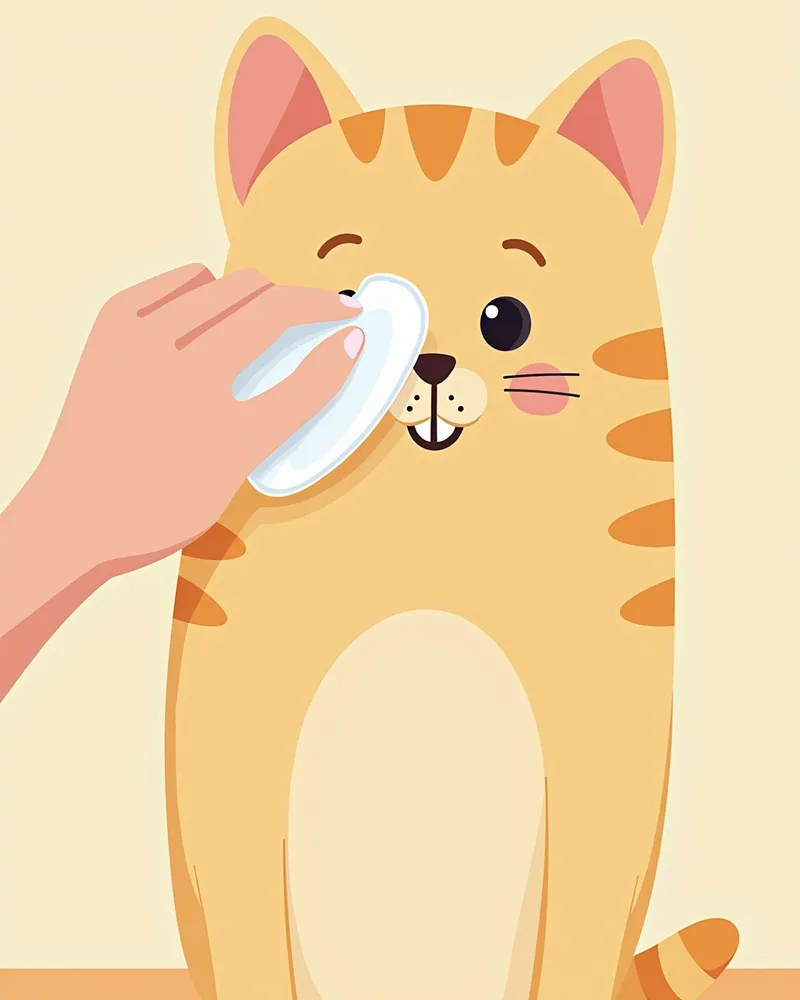
The Key to Home Care Is Maintaining Cleanliness and Preventing Infection
The Risk of Feline Nasolacrimal Duct Obstruction Varies by Breed
Brachycephalic cats with flat faces, such as Persians, are at higher risk for nasolacrimal duct obstruction and chronic excessive tearing (epiphora). Their nasolacrimal ducts are often tortuous or narrow, and anatomical features like ventromedial entropion can cause tears to overflow easily. Early diagnosis and consistent management are essential.
Reviewed by a veterinarian

Dr. Tony — Punnawat Phongkittirak
VeterinarianA veterinarian who majored in veterinary medicine at Khon Kaen University, Thailand, and completed the IVSA program at North Carolina State University in the United States. Drawing on clinical experience at animal hospitals, he works in the pet healthcare field and is dedicated to building a digital care environment that connects pet parents with veterinarians.
Reviewed 2026-06-03
Frequently Asked Questions
Is it normal for my cat to tear up frequently?
How can I remove tear stains?
Can a blocked tear duct be cured with surgery?
What kind of food is good for a cat with tear stains?
Can tear duct obstruction recur?
Share
Related Guides
Top 5 Dog Tear Supplements Recommended for 2026

What is Lutein? Effects on Dog Eye Health

The Best Canine Uveitis Management Products and Selection Criteria: A Comprehensive Guide

Complete Guide to Cat Dental Preventive Care: Symptoms, Causes, Diagnosis, Treatment, and Management Points

Comprehensive Guide to Cat Grooming and Brushing: Symptoms, Causes, Diagnosis, Treatment, and Management

Complete Guide to Canine Lice Infestation: Symptoms, Causes, Diagnosis, Treatment, and Management
Dog Fecal Parasite Test: Methods, Symptoms, Causes, Diagnosis, Treatment, and Management Tips
Comprehensive Guide to Symptoms, Causes, Diagnosis, Treatment, and Management of Indoor Flea Elimination in Dogs

Cat Tapeworm Symptoms, Causes, Diagnosis, Treatment, and Management: A Complete Guide
Cat Lice: Symptoms, Causes, Diagnosis, Treatment, and Management Essentials
References
[1] Gelatt KN et al. (2013). Veterinary Ophthalmology, 2nd ed. Wiley-Blackwell, Oxford, UK.
[2] Esson DW and Calvarese S (2022). Clinical Atlas of Canine and Feline Ophthalmic Disease, 2nd ed. John Wiley & Sons, Inc.
[3] Ny Y et al. (2006). Medial canthoplasty for epiphora in dogs: a retrospective study of 23 cases. J Am Anim Hosp Assoc, 42, 435–439.