Like
Share
멍실장
고양이 심실 빈맥 증상과 원인, 진단·치료와 관리 포인트 총정리

If Your Cat’s Heart Rate Suddenly Increases — Warning Signs of Ventricular Tachycardia and When to Visit the Vet

HeartDiseasesMeongsiljang Veterinary Advisory Board

Ventricular tachycardia in cats is a cardiac arrhythmia in which the ventricles beat abnormally fast. Because it can lead to sudden cardiac arrest, prompt diagnosis and treatment are essential.

Ventricular tachycardia in cats is a cardiac arrhythmia in which the ventricles beat abnormally fast.
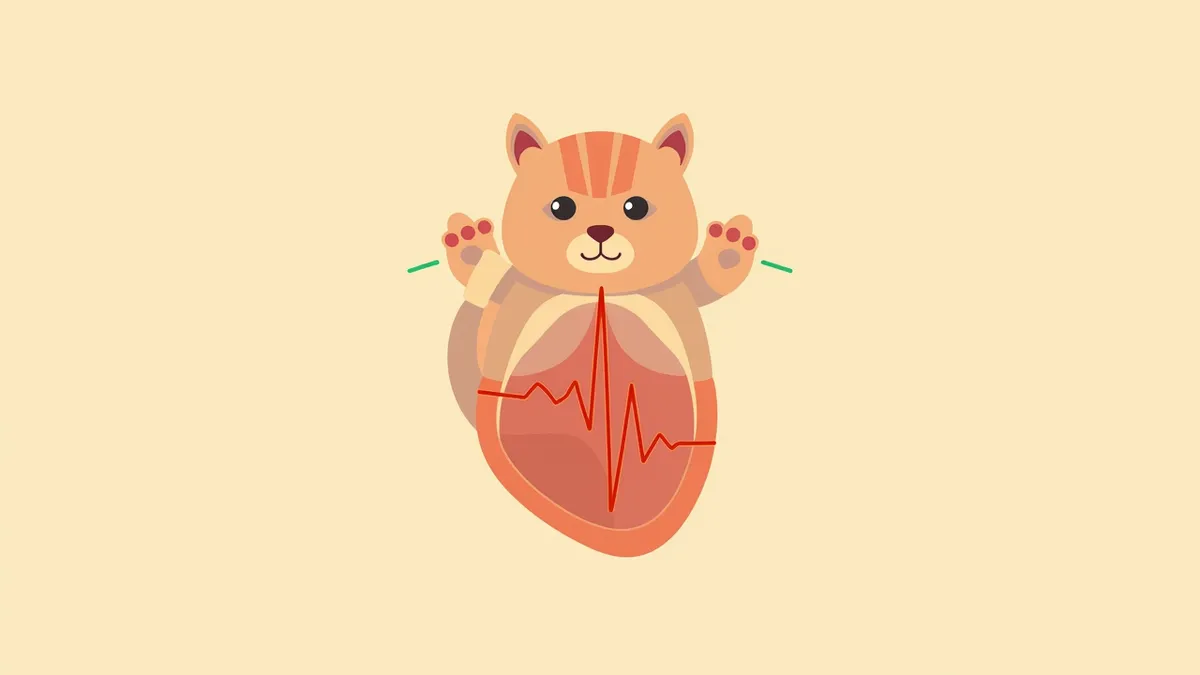
Electrical activity of a cat’s heart during ventricular tachycardia
Ventricular tachycardia is a condition in which the heart’s ventricles contract faster and more irregularly than normal, caused by abnormal generation of electrical signals. - Ventricular tachycardia: A cardiac arrhythmia in which abnormal electrical signals originate in the ventricles, causing them to contract rapidly. - Risk of acute cardiac arrest: The heart’s blood-pumping function is severely impaired, requiring immediate treatment. - Urgent diagnosis required: If symptoms appear, prompt veterinary care is essential. - Diverse causes: Potential causes include hypertrophic cardiomyopathy, conduction system abnormalities, and electrolyte imbalances. - Treatment urgency: Delayed treatment poses a significant threat to life, so rapid intervention is critical.

The main causes of ventricular tachycardia are structural heart abnormalities and electrical conduction system abnormalities.
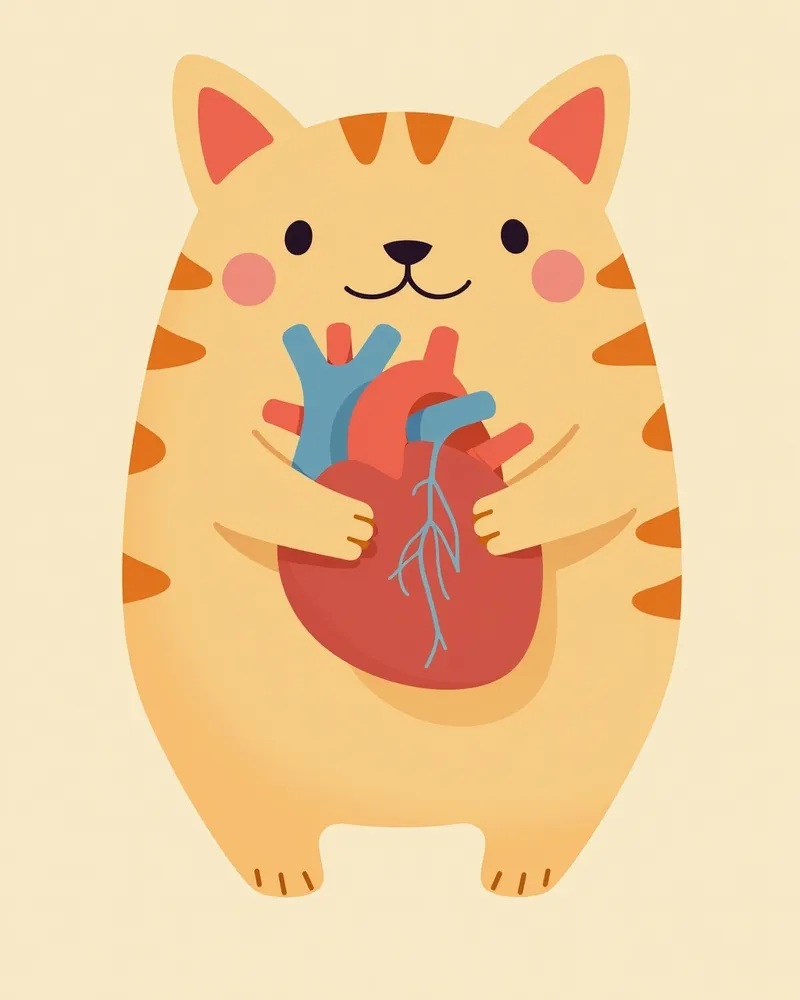
The most common cause of ventricular tachycardia in cats is structural heart abnormalities, particularly hypertrophic cardiomyopathy (HCM). In this condition, the thickening of the heart muscle often interferes with electrical conduction in the ventricles. Other potential causes include abnormalities in the heart’s electrical conduction system, electrolyte imbalances, drug side effects, and external cardiac stimuli. Genetic factors may also play a role. Since feline heart diseases are often difficult to detect early, careful monitoring is essential.
Structural changes in a cat's heart caused by hypertrophic cardiomyopathy

The main symptoms of ventricular tachycardia include shock, difficulty breathing, and loss of consciousness.
The hallmark signs of ventricular tachycardia in cats include sudden shock, difficulty breathing, loss of consciousness, and collapsing. When the heart fails to pump blood effectively, oxygen delivery to the brain and vital organs drops, creating an immediate danger. Cats may also become short of breath or collapse after even mild activity. Because some cats show no symptoms at all, regular cardiac check-ups are essential.
Ventricular tachycardia shock: A state of sudden collapse or loss of consciousness.
Difficulty breathing: Signs include panting or breathing with flared nostrils.
Irregular heartbeat: The pulse feels rapid and irregular.
Lethargy: The cat is less active than usual and refuses to eat.
A cat experiencing respiratory distress and shock due to ventricular tachycardia

Emergency situations requiring immediate veterinary care

If your cat suddenly collapses or loses consciousness, ventricular tachycardia should be suspected, and immediate veterinary care is essential. Rapid ventricular tachycardia can impair the heart’s pumping function (cardiac output), leading to fainting and potentially progressing to cardiac arrest; therefore, prompt emergency treatment is critical for survival. Do not delay—contact your nearest veterinary clinic immediately to request emergency assistance.

Diagnosis is made through electrocardiogram (ECG), echocardiography, and blood tests.
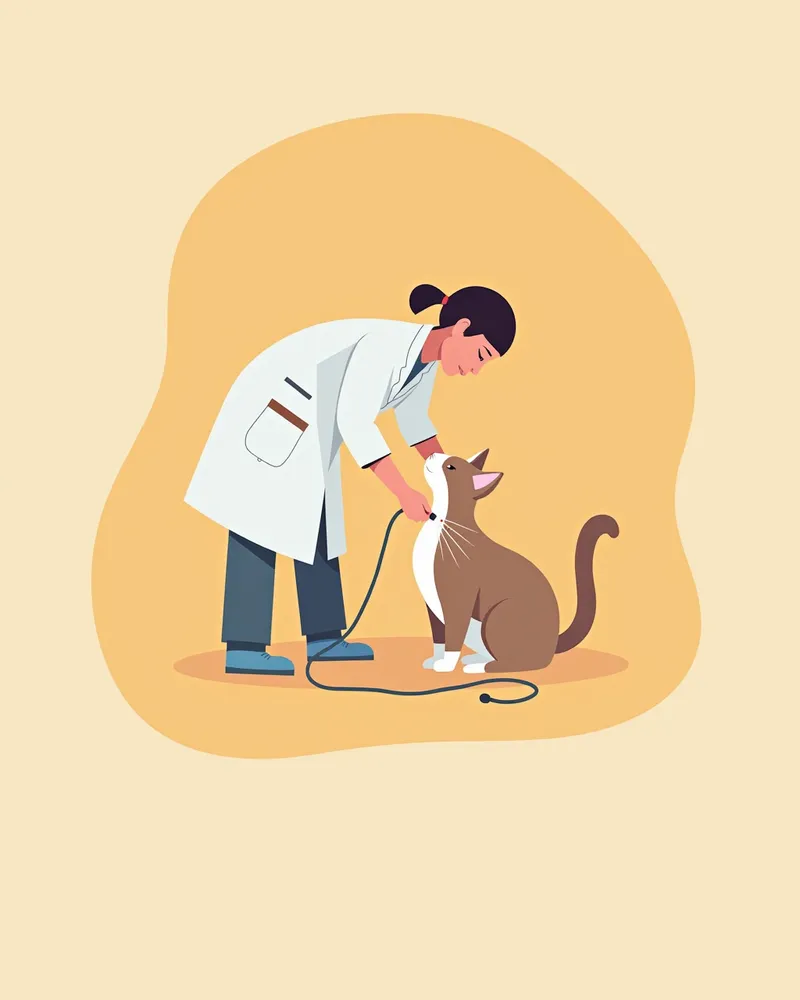
Diagnosing ventricular tachycardia begins with an electrocardiogram (ECG), which can reveal abnormal ventricular rhythm patterns. - Electrocardiogram (ECG): Records the heart’s electrical activity in real time to identify the type and severity of the tachycardia. - Echocardiography: Evaluates cardiac structure and function, helping to determine whether hypertrophic cardiomyopathy is present. - Blood tests: Assess electrolyte imbalances, liver function, thyroid function, and other factors to identify underlying causes. - 24-hour monitoring: Since transient episodes of tachycardia may be missed on a standard ECG, Holter monitoring may be necessary. - Comprehensive evaluation: Combines multiple diagnostic tests to establish an accurate diagnosis and guide treatment decisions.
A veterinarian performing an electrocardiogram (ECG) on a cat

Treatment is performed stepwise with antiarrhythmic medications, electrical cardioversion, and heart rhythm control devices.
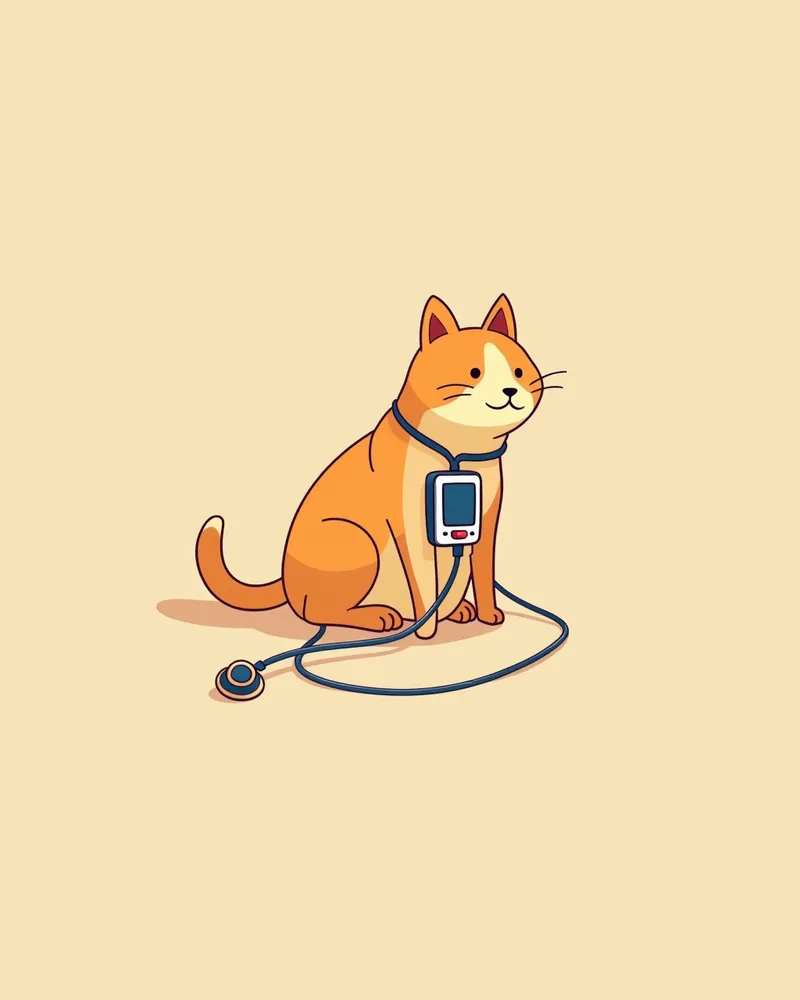
The cornerstone of treating ventricular tachycardia is stabilizing the heart rhythm with antiarrhythmic medications, while electrical cardioversion is used if the condition is unresponsive to drugs or in emergency situations. - Antiarrhythmic medications (first-line treatment): Drugs such as sotalol (2 mg/kg, administered orally every 12 hours) are used to stabilize the ventricular rhythm. - Emergency medications: In critical cases, intravenous beta-blockers like propranolol or esmolol, or amiodarone, may be administered. - Electrical therapy (cardioversion/defibrillation): This is performed when medications are ineffective or there is a high risk of cardiac arrest. For synchronized cardioversion, the shock must be timed with the R wave on the electrocardiogram. - Concurrent treatment of underlying causes: Therapy for underlying heart conditions, such as hypertrophic cardiomyopathy, is carried out simultaneously. - Long-term management: Ongoing monitoring through medication adherence and regular check-ups is essential.
A cat undergoing heart rhythm monitoring

Home management focuses on medication adherence, environmental stability, and stress reduction.
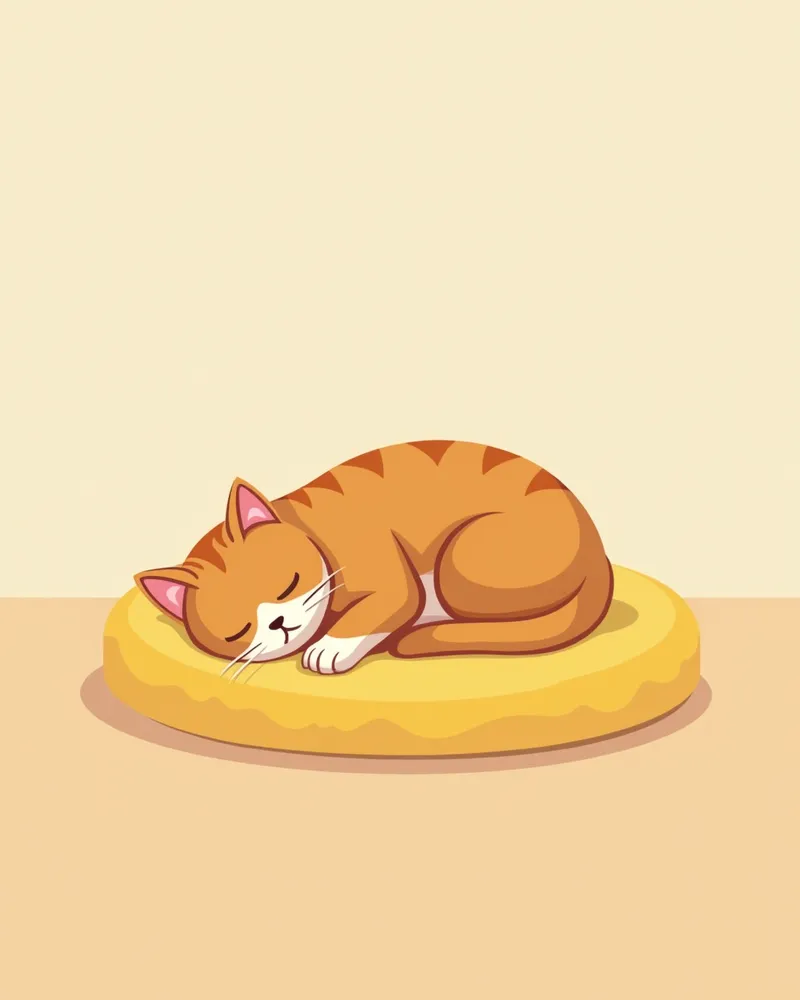
Managing ventricular tachycardia at home centers on strict medication adherence, creating a stress-free environment, and ensuring regular meals and hydration. Provide your cat with a quiet space and minimize sudden noises or unexpected visitors. Keep activity levels moderate and schedule regular veterinary check-ups to monitor heart health and adjust medications as needed. Consistent home care significantly improves treatment outcomes.
Medication Adherence: Administer medications exactly as prescribed by your veterinarian, following the correct timing and dosage.
Environmental Stability: Provide a quiet space and minimize external stimuli.
Stress Reduction: Reduce exposure to strong odors, loud noises, and frequent visitors.
Regular Check-ups: Schedule cardiac evaluations every 1 to 3 months.
A cat resting comfortably in a stress-reduced environment

Cats with hypertrophic cardiomyopathy (HCM) are at high risk for ventricular tachycardia.

Cats with hypertrophic cardiomyopathy (HCM) are at very high risk for ventricular tachycardia. This condition is one of the most common causes of heart disease in cats, and because it has a strong genetic component, regular cardiac screening is essential for cats with a family history. Early detection and management can help prevent complications.

Reviewed by a veterinarian

Dr. Tony — Punnawat Phongkittirak

Dr. Tony — Punnawat Phongkittirak

Veterinarian

A veterinarian who majored in veterinary medicine at Khon Kaen University, Thailand, and completed the IVSA program at North Carolina State University in the United States. Drawing on clinical experience at animal hospitals, he works in the pet healthcare field and is dedicated to building a digital care environment that connects pet parents with veterinarians.

Frequently Asked Questions

Is ventricular tachycardia common in cats?
Ventricular tachycardia requiring treatment is rarely diagnosed in cats. However, ventricular arrhythmias are common in cats with heart diseases such as hypertrophic cardiomyopathy (HCM).
Can ventricular tachycardia be treated?
Yes, the primary approach is to stabilize the heart rhythm using antiarrhythmic medications. In cases where the medication is ineffective or in emergency situations, electrical shock therapy (cardioversion or defibrillation) may be administered. Early diagnosis and treatment are crucial for survival.
What should I do if I suspect ventricular tachycardia?
If your cat suddenly collapses or loses consciousness, you need to take them to a vet immediately. This could lead to cardiac arrest, so getting emergency treatment as quickly as possible is crucial for survival.
Is ventricular tachycardia hereditary?
Ventricular tachycardia itself is not hereditary, but underlying conditions such as hypertrophic cardiomyopathy have a strong genetic predisposition, so cats with a family history of these conditions should be monitored closely.
Can a cat with ventricular tachycardia still go for walks?
Activity levels should be carefully managed. Excessive exercise can increase the burden on the heart, so it’s best to allow your pet to move freely in a calm, quiet environment.

Share

Related Guides

References

[1] Payne JR, Borgeat K, Brodbelt DC, et al. Risk factors associated with sudden death vs. congestive heart failure or arterial thromboembolism in cats with hypertrophic cardiomyopathy. J Vet Cardiol 17(Suppl 1):S318-S328, 2015.

[2] The Cat, Clinical Medicine and Management, 2nd Edition. Geri Lake-Bakaar, Elsevier, 2018.

[3] Small Animal Critical Care Medicine, 3rd Ed. Elsevier, 2020.

This information is based on veterinary literature and does not replace diagnosis or treatment. Please consult a veterinarian for specific health concerns.

Metapet Co., Ltd. | CEO: Park Sung-yong | Business Reg. No. 417-88-02562 | Seoul, South Korea | Customer Center

Cat Ventricular Tachycardia: Warning Signs & When to See a Vet | Meongsiljang