Like
Share
멍실장
고양이 강박적 핥기·씹기 증상과 원인, 진단·치료와 관리 포인트 총정리

Why Is My Cat Constantly Licking and Chewing? — Causes of Compulsive Behavior and When to See a Vet

Brain & CognitionDiseasesMeongsiljang Veterinary Advisory Board

If your cat repeatedly licks or chews the same area, it may be a sign of compulsive behavior. Here’s a step-by-step guide covering the causes, diagnosis, treatment, and home care.

What Is Feline Compulsive Licking and Chewing?
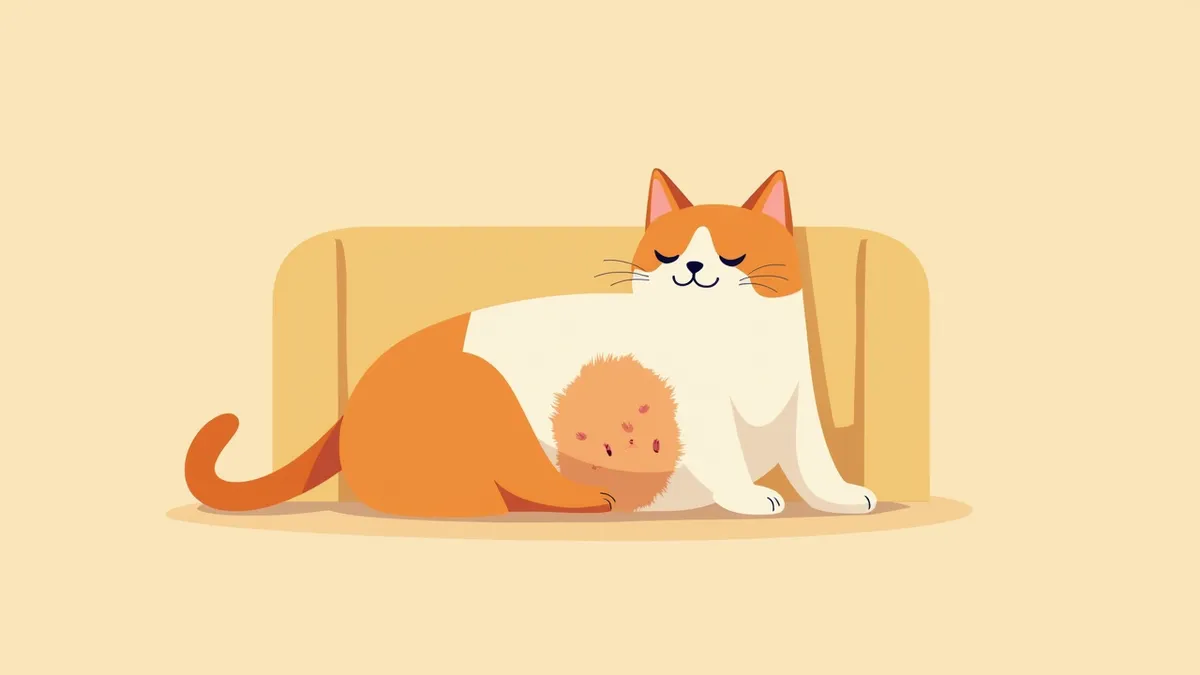
A cat with thinning fur on its belly that keeps licking the area
Feline compulsive licking and chewing is a behavioral disorder in which a cat repeatedly licks or chews a specific part of its body, often triggered by stress, anxiety, or skin conditions. The key distinction from normal grooming is the inability to stop, leading to repetitive actions that cause hair loss and skin damage. If left untreated, this can worsen due to secondary bacterial infections, making it essential to accurately identify the underlying cause.

Why Does This Behavior Occur? — Main Causes

The causes of compulsive licking and chewing generally fall into three categories.
Physical causes: Allergic dermatitis, parasites such as fleas and mites, orthopedic conditions causing pain like arthritis, and internal pain such as cystitis can all trigger licking. In studies investigating cats suspected of compulsive licking, a significant number were ultimately found to have underlying physical conditions such as food reactions, allergies, or parasites. Therefore, it is crucial to rule out physical causes first.
Psychological causes: Chronic stress from environmental changes, such as moving, adding a new family member, or introducing another cat, can also lead to excessive grooming, which may solidify into compulsive behavior.
Neurological causes: Although rare, neurological abnormalities can also produce similar repetitive patterns.
Since multiple causes often overlap, it is necessary to rule out physical diseases first before proceeding with a behavioral assessment.

Symptom Checklist You Must Not Miss

Focused licking of the same area: The cat repeatedly licks specific spots such as the belly, sides, groin, inner thighs, front legs, or under the tail.
Hair loss: Hair falls out in the licked areas. The lesions may appear symmetrically on both sides or asymmetrically.
Skin redness, scabs, and ulcers: Excessive licking causes the skin to become red, leading to scratches, scabs, and ulcers that are slow to heal.
Pulling and chewing fur: The cat bites and pulls at the fur on its front paws, tail, or back with its teeth. The affected areas feel rough, like stubble, due to the broken hair shafts.
Unable to stop when called: The cat cannot stop licking even when distracted or called away.
Licking in hiding: Some cats lick themselves when people are not around or in hidden spots, which can delay detection until hair loss has already occurred.
A cat with symmetrical hair loss on its abdomen due to compulsive licking

See a Vet Immediately If You Notice These Symptoms

If your pet develops fluid-filled blisters, pus, or ulcers on the skin, or if the area they’ve been licking becomes red and swollen, a secondary bacterial infection may be developing. Seek veterinary care within 24 hours if they’re barely eating, chewing at one spot to the point of bleeding, or experiencing sudden weight loss.

How Is It Diagnosed?

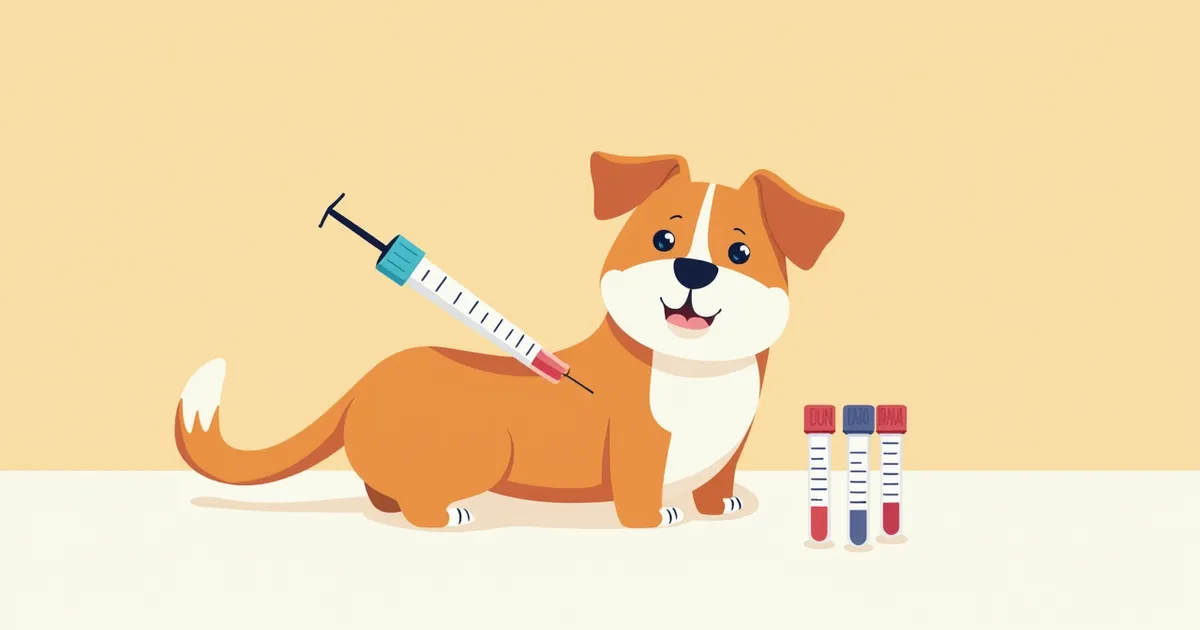
Diagnosing compulsive behavior always starts with ruling out physical health issues. We check for allergies, parasites, skin infections, and internal pain through blood tests, skin cytology, and skin biopsy. If no physical cause is found, a veterinary behavior specialist will assess the frequency, duration, and triggers of the licking to diagnose compulsive behavior. If necessary, X-rays and ultrasounds may also be used to further investigate potential sources of internal pain, such as arthritis or cystitis.

Treatment — Combining Medication and Behavioral Modification
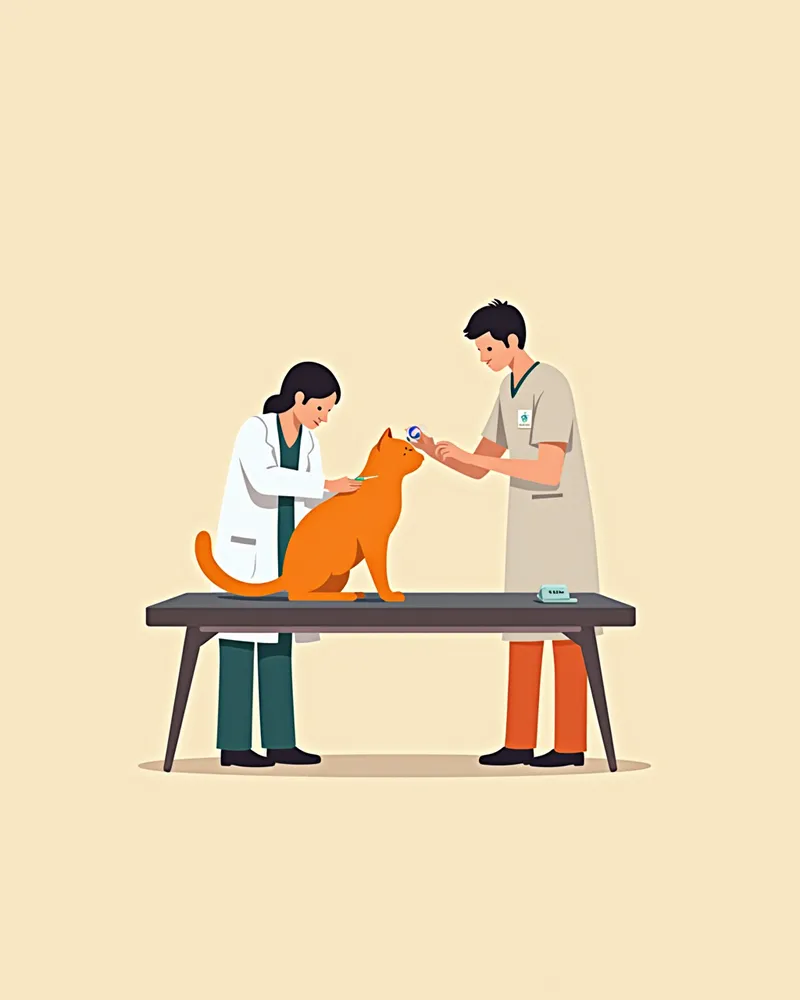
Treatment depends on the underlying cause.
Addressing physical causes: If an allergic skin condition is diagnosed, medication to manage clinical symptoms is initiated. If parasites such as fleas or mites are present, deworming and pest control treatments are administered first.
Pharmacological treatment: When anxiety is the root cause of the licking behavior, veterinarians may prescribe psychotropic medications to alleviate anxiety. However, these medications must be selected carefully, and the cat’s condition should be closely monitored during treatment. The type and dosage of medication must strictly follow the veterinarian’s instructions.
Behavioral modification: Environmental enrichment (such as cat trees, hunting-style play, and puzzle feeders) and the removal of stressors must always be implemented alongside other treatments.
A veterinarian examining a cat’s skin condition at the animal hospital

Home Care Tips

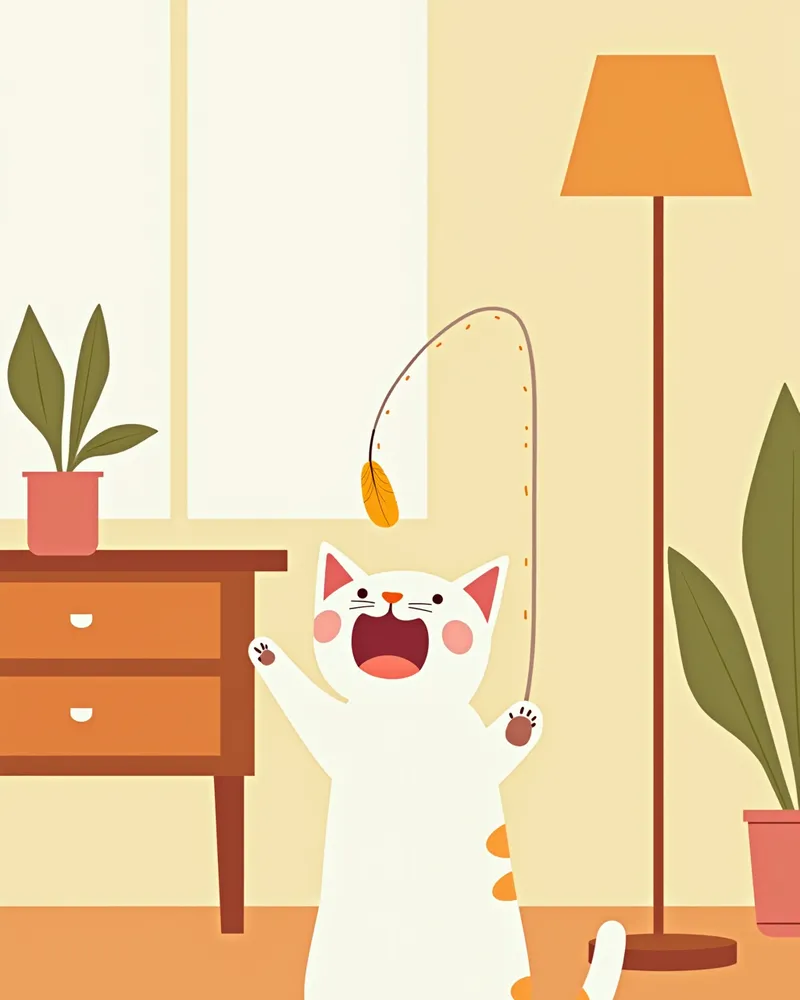
Increase playtime: Satisfy your cat’s hunting instincts with two 10–15-minute sessions of wand or laser toy play each day.
Enrich the environment: Add window perches, cat trees, and hiding spots to create spaces where your cat can self-soothe and relieve stress.
Use puzzle feeders: Help reduce boredom during times when your cat is alone.
Keep a behavior log: Record when and where excessive grooming occurs; this information will be very helpful during veterinary visits.
Caution with Elizabethan collars: Using a cone alone without addressing the underlying cause may increase your cat’s stress.
A cat playing with a wand toy alongside its owner

Breed-Specific Precautions & Preventing Relapse

Oriental breeds such as Siamese, Burmese, and Abyssinian cats have a higher genetic predisposition to compulsive behaviors. If you own one of these breeds, it’s best to minimize environmental changes and gradually expose them to various stimuli from a young age. Even after successful treatment, compulsive behaviors can recur during stressful situations like moving or the addition of new family members, so it’s important to consistently monitor their behavior for any changes.

Reviewed by a veterinarian

Dr. Tony — Punnawat Phongkittirak

Dr. Tony — Punnawat Phongkittirak

Veterinarian

A veterinarian who majored in veterinary medicine at Khon Kaen University, Thailand, and completed the IVSA program at North Carolina State University in the United States. Drawing on clinical experience at animal hospitals, he works in the pet healthcare field and is dedicated to building a digital care environment that connects pet parents with veterinarians.

Frequently Asked Questions

How can you tell the difference between normal grooming and compulsive licking?
Regular grooming follows a natural rhythm, such as after meals or before sleep, and can be easily interrupted by other stimuli. In contrast, compulsive licking often starts without any specific context, and you should suspect it if your pet cannot stop even when called, or if hair loss or skin damage is present.
Will it heal on its own if the cause of stress is removed?
In the early stages, simply improving the environment may be enough to alleviate the issue. However, as the behavior repeats, it can become habitual and persist even after the underlying cause has been resolved. If you notice hair loss or skin damage, it’s best to consult a veterinarian first.
How long should my pet take the medication?
While protocols vary by veterinarian, the medication is typically administered for several months alongside behavioral modification, then gradually tapered. Abrupt discontinuation carries a high risk of relapse, so it is essential to follow your veterinarian’s instructions precisely.
I have several cats, but only one of them exhibits this behavior. Why is that?
In multi-cat households, stress can stem from conflicts over social hierarchy and competition for territory. Make sure each cat has enough food bowls, litter boxes, and hiding spots. A good rule of thumb is to provide one more than the number of cats.
Is it okay to keep the Elizabethan collar on continuously?
Short-term use to protect skin wounds is fine. However, if the underlying cause (stress or an underlying medical condition) isn’t addressed, the problem will immediately recur once the cone is removed, and stress will only build up further. It’s essential to treat the root cause concurrently.

Share

Related Guides

References

[1] Mertens, P.A., Torres, S., and Jessen, C. (2006). The effects of clomipramine hydrochloride in cats with psychogenic alopecia: a prospective study. J. Am. Anim. Hosp. Assoc. 42(5): 336–343.

[2] Overall, K.L. and Dunham, A.E. (2002). Clinical features and outcome in dogs and cats with obsessive-compulsive disorder: 126 cases. J. Am. Vet. Med. Assoc. 221(10): 1445–1452.

[3] Bain, M.J. and Fan, C.M. (2020). Introduction to Animal Behavior and Veterinary Behavioral Medicine. Wiley-Blackwell. Chapter 17.

[4] Landsberg, G., Hunthausen, W., and Ackerman, L. (2013). Behavior Problems of the Dog and Cat, 3rd ed. Elsevier Saunders.

This information is based on veterinary literature and does not replace diagnosis or treatment. Please consult a veterinarian for specific health concerns.

Metapet Co., Ltd. | CEO: Park Sung-yong | Business Reg. No. 417-88-02562 | Seoul, South Korea | Customer Center

Why Is My Cat Licking & Chewing? Compulsive Behavior & Vet Care | Meongsiljang