Like
Share
멍실장
고양이 ALT·ALP 상승 원인 감별 증상과 원인, 진단·치료와 관리 포인트 총정리

Complete Guide to Cat Liver Enzymes (ALT & ALP) — Why They Rise and When to See a Vet

Liver HealthDiseasesMeongsiljang Veterinary Advisory Board

Elevated ALT and ALP levels in cats may indicate liver dysfunction. It is important to accurately identify the cause and respond early.

Elevated ALT and ALP in Cats Are Key Indicators of Liver Dysfunction
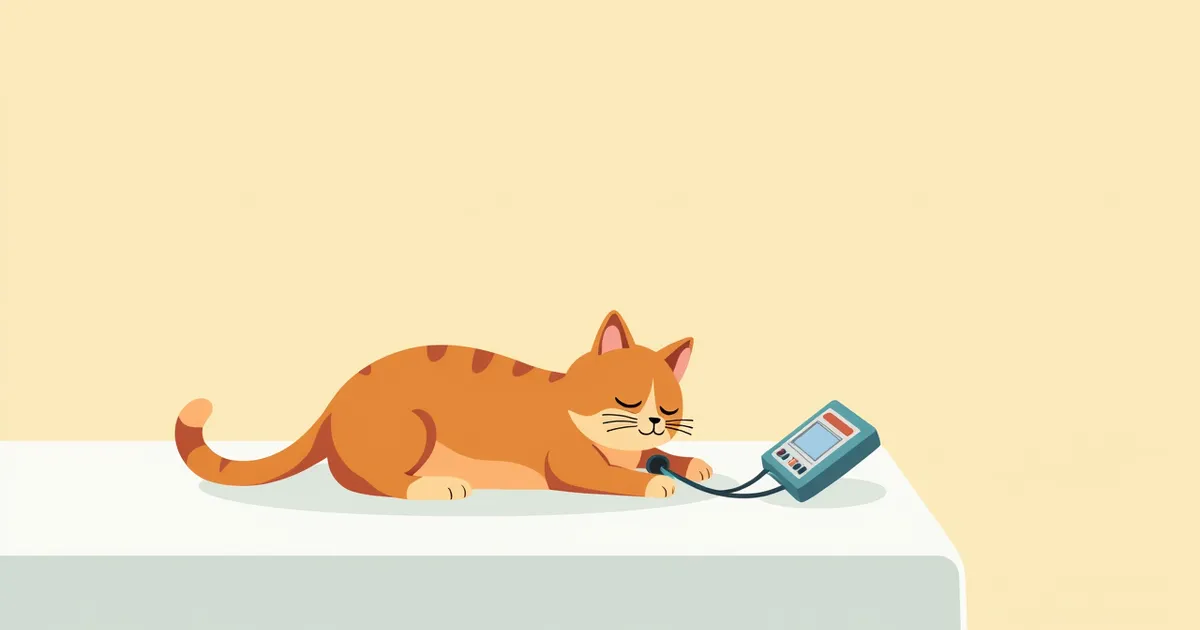
A cat undergoing a liver enzyme test
Elevated ALT and ALP levels in cats are key biochemical indicators of liver damage or dysfunction. These values are more than just numbers; they suggest the possibility of various underlying conditions. - Liver Damage: ALT rises rapidly when liver cells are injured, often associated with viral hepatitis, toxic injury, or inflammatory diseases. - Increased ALP: ALP levels increase due to biliary tract abnormalities or issues outside the liver cells. In cats, this can be caused by biliary obstruction or cholangitis alongside liver disease. - Hormonal Imbalances: Hyperthyroidism is a common cause of elevated ALP in cats. Since it can be mistaken for liver dysfunction, thorough diagnostic testing is essential. Early detection and accurate identification of the cause are key to effective treatment.

The Main Causes Are Liver Disease and Hormonal Imbalances
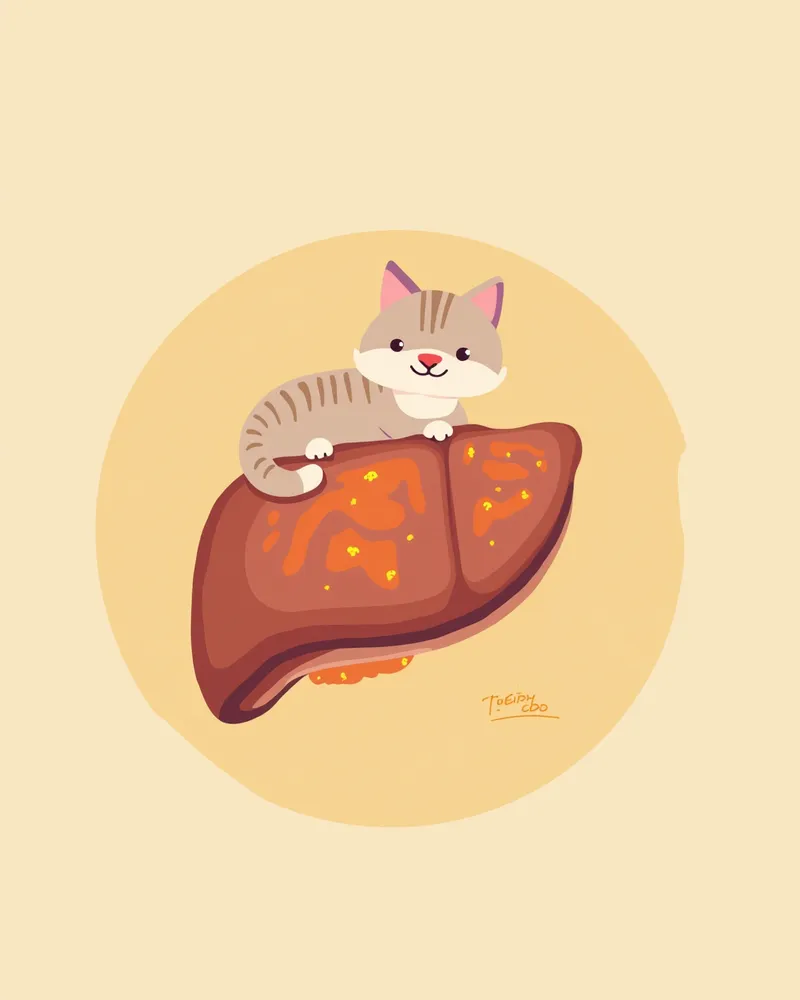
Elevated ALT and ALP levels in cats can stem from various causes, with liver disease and hormonal imbalances being the most common. Cats are particularly prone to secondary liver disease, where conditions such as gastrointestinal disorders, pancreatitis, or cholangitis affect the liver, causing these enzyme levels to fluctuate easily. Accurately identifying the underlying cause is the first step toward effective treatment.
Hepatic lipidosis: This is a hallmark liver condition in cats. Even a few days of loss of appetite can lead to fat accumulation in the liver, resulting in elevated enzyme levels.
Diabetes mellitus: Diabetes can impact liver cells, potentially causing a rise in liver enzymes such as ALT.
Hyperthyroidism: Conditions outside the liver, such as hyperthyroidism, can affect the liver and are a common cause of elevated liver enzymes, including ALP.
Liver tumors: The presence of tumors or other lesions in the liver can cause elevated enzyme levels, which are typically confirmed through ultrasound and biopsy.
An anatomical illustration showing feline hepatic lipidosis

The Main Symptoms Are Decreased Appetite and Lethargy

Elevated ALT and ALP levels may present with few or no symptoms in the early stages. In fact, the most common—and sometimes the only—early sign of liver disease in cats is a decreased appetite. As the condition progresses, additional warning signs may appear, making regular veterinary check-ups essential to catch these changes early.
Loss of appetite: This is the most common symptom of liver disease. Even a few days of reduced food intake can be a risk factor for hepatic lipidosis (fatty liver disease).
Lethargy and weakness: Cats often exhibit low energy and a noticeable decrease in daily activity.
Vomiting: Vomiting, especially when accompanied by jaundice, typically appears after the disease has progressed for several days to weeks.
Jaundice: A yellowish discoloration of the eyes, gums, and skin, which can indicate severe impairment of liver function.
A close-up shot of a cat's face showing signs of jaundice

Jaundice or Persistent Loss of Appetite Requires Immediate Veterinary Care

If jaundice appears or your pet loses its appetite for more than two days, it may indicate severe liver damage. In such cases, immediate veterinary care is essential. Delaying treatment can make recovery more difficult.

Diagnosis Is Accurately Confirmed Through Blood Tests and Ultrasound

To pinpoint the cause of elevated ALT and ALP levels, we perform a combination of tests. Rather than relying on numbers alone, we start by reviewing your pet’s medical history and conducting a physical exam to assess their overall condition holistically.
Blood tests: We check multiple enzyme levels, including ALT, ALP, AST, and GGT. These values don’t indicate a specific disease but rather serve as indicators of pathological processes such as hepatocyte damage or cholestasis.
Liver ultrasound: This is the most useful tool for evaluating the liver’s structure and size, helping us differentiate between primary liver issues and extrahepatic problems like biliary obstruction. It can also detect lesions such as tumors.
Biopsy or fine-needle aspiration: If a suspicious lesion is identified, we collect tissue or cellular samples for a definitive diagnosis.
Hormonal and pancreatic tests: We also run tests such as T4 to check for hyperthyroidism and fPLI to assess for pancreatitis.
An ultrasound image of a cat's liver showing signs of fatty liver disease

Treatment Is Progressively Tailored to the Underlying Cause

Treatment should be tailored to the underlying cause. It’s essential to accurately identify the cause before beginning a customized treatment plan.
Hepatic lipidosis: Nutritional support is the cornerstone of treatment. Correct dehydration and electrolyte imbalances, and actively provide sufficient calories until appetite returns to reverse the negative energy balance.
Diabetes mellitus: Stabilize blood glucose levels through insulin therapy and dietary management.
Hyperthyroidism: Manage elevated thyroid hormone levels to reduce their impact on the liver.
Hepatic tumors: Develop a comprehensive treatment plan tailored to the lesion, which may include surgery or chemotherapy.
A veterinarian administering medication to a cat.

Home Care Focuses on Dietary Management and Stress Reduction

In addition to veterinary treatment, home care is crucial. To support liver health, it’s important to adjust daily habits.
Adequate calories and protein: For cats with liver disease, it’s best not to overly restrict protein. A protein deficiency can cause the body to break down its own proteins, leading to ammonia buildup. Therefore, it’s important to provide sufficient protein along with carbohydrates and fats to meet caloric needs. Please consult your veterinarian to determine the specific diet plan.
Regular feeding: Establish a routine of offering food at regular intervals, even if your cat’s appetite is poor. If loss of appetite persists for several days, contact your veterinarian.
Minimize stress: Avoid introducing new environments or conflicts with other animals, and provide a calm, secure space.
Ensure water intake: Always provide fresh, clean water to prevent dehydration.
A cat eating food that is good for liver health

Feline Liver Disease Has a High Risk of Recurrence

Feline hepatic lipidosis often develops secondary to other conditions such as gastrointestinal disease, pancreatitis, or cholangitis. If the underlying condition isn’t managed alongside it, the problem is likely to recur. Regular check-ups and maintaining a stable, consistent lifestyle are key.

Reviewed by a veterinarian

Dr. Tony — Punnawat Phongkittirak

Dr. Tony — Punnawat Phongkittirak

Veterinarian

A veterinarian who majored in veterinary medicine at Khon Kaen University, Thailand, and completed the IVSA program at North Carolina State University in the United States. Drawing on clinical experience at animal hospitals, he works in the pet healthcare field and is dedicated to building a digital care environment that connects pet parents with veterinarians.

Frequently Asked Questions

My cat’s ALT and ALP levels are elevated, but there are no symptoms. Is this okay?
No. In the early stages, there may be no symptoms. The most common, and sometimes the only, early sign of liver disease in cats is a loss of appetite, while more obvious symptoms such as jaundice and vomiting tend to appear later. That’s why we recommend regular check-ups for early detection.
Can a cat with hepatic lipidosis be fully cured?
Most pets can recover their appetite and energy balance with proper hydration, electrolyte correction, and adequate nutrition. However, it’s essential to manage any underlying conditions and maintain close, ongoing monitoring.
What kind of food should I give to a cat with elevated liver enzymes?
A diet with adequate protein and calories is important for liver health. Rather than drastically reducing protein intake, it’s best to consult your veterinarian and choose a food tailored to your cat’s specific condition.
Can medications raise liver enzyme levels?
Some medications can affect liver enzyme levels. It’s a good idea to have regular check-ups as directed by your veterinarian while your pet is on medication.
Is it safe for a cat with liver disease to go for walks?
Rest and calmness take priority over walks. Excessive activity can be burdensome, so please allow your pet to rest in a stable environment.

Share

Related Guides

References

[1] Fundamentals of Veterinary Clinical Pathology, 3rd Edition, 2023

[2] Small Animal Critical Care Medicine, 3rd Ed, 2022

[3] Veterinary Hepatology: A Practical Guide, 2021

This information is based on veterinary literature and does not replace diagnosis or treatment. Please consult a veterinarian for specific health concerns.

Metapet Co., Ltd. | CEO: Park Sung-yong | Business Reg. No. 417-88-02562 | Seoul, South Korea | Customer Center

Cat Liver Enzymes (ALT & ALP): Why They Rise & When to See a Vet | Meongsiljang