
If Your Cat Keeps Vomiting and Refuses to Eat — Causes and Treatment Timing for Triaditis (Liver, Pancreas, Intestine)
Feline triaditis is a complex condition in which the liver, pancreas, and small intestine become inflamed simultaneously. The main symptoms include chronic diarrhea, vomiting, and weight loss. Early diagnosis and comprehensive management are essential.
Triaditis in Cats Is a Complex Condition Involving Simultaneous Inflammation of the Liver, Pancreas, and Intestine

The Main Causes of Triaditis Are Immune Abnormalities and Bacterial Translocation from the Gut
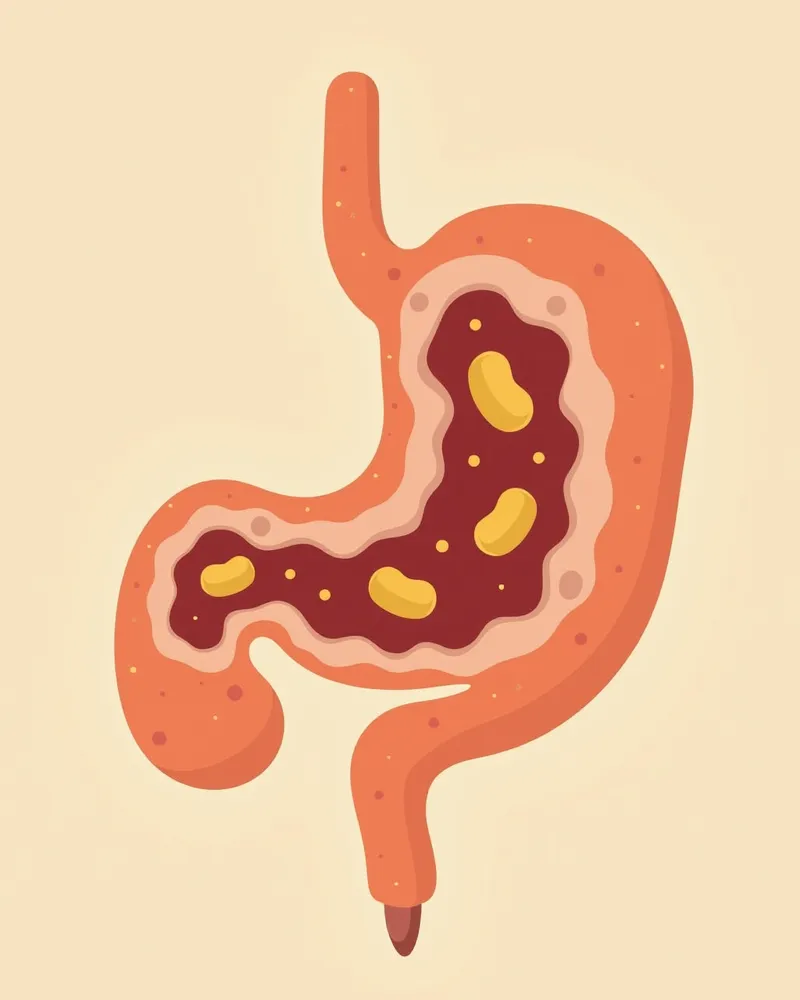
Main Symptoms Include Chronic Diarrhea, Vomiting, and Weight Loss
Persistent Diarrhea or Weight Loss Requires an Immediate Veterinary Visit
If your cat experiences diarrhea lasting more than two weeks, especially when accompanied by noticeable weight loss, it could indicate a chronic gastrointestinal condition, including triaditis. A decreased appetite alongside these symptoms may signal a more serious underlying issue, so it’s best not to delay—schedule a veterinary consultation for proper diagnostic testing.
Diagnosis Is Performed via Blood Tests, Ultrasound, and Biopsy
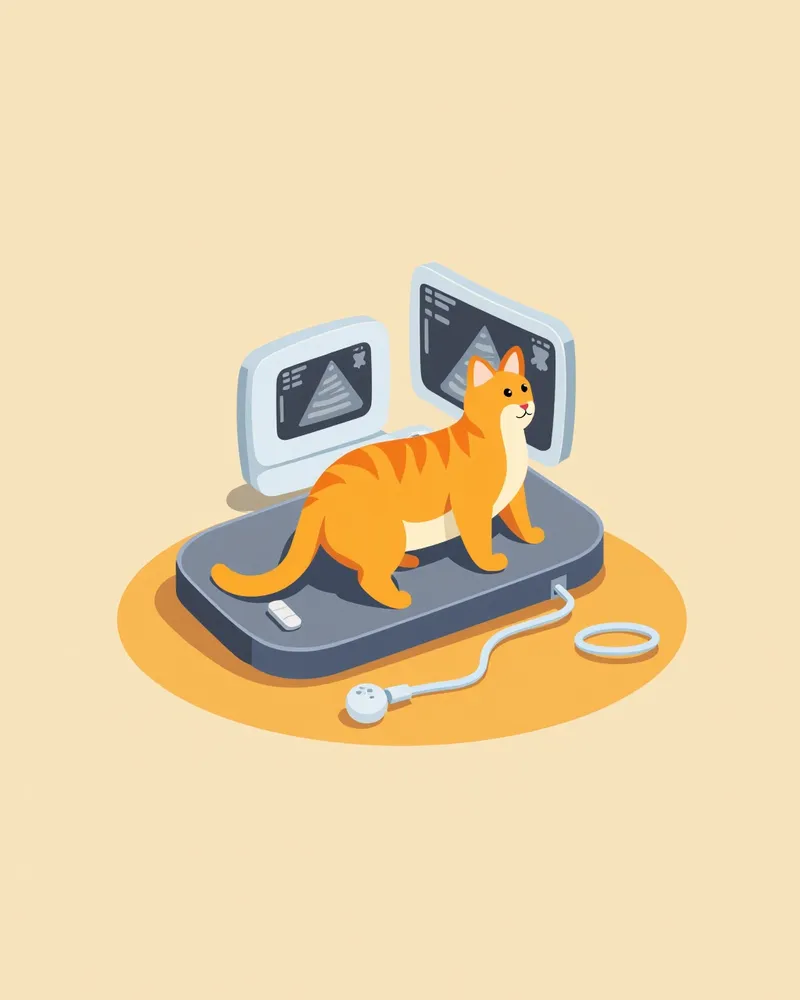
Treatment Proceeds in Stages with Medication, Dietary Management, and Immunosuppression
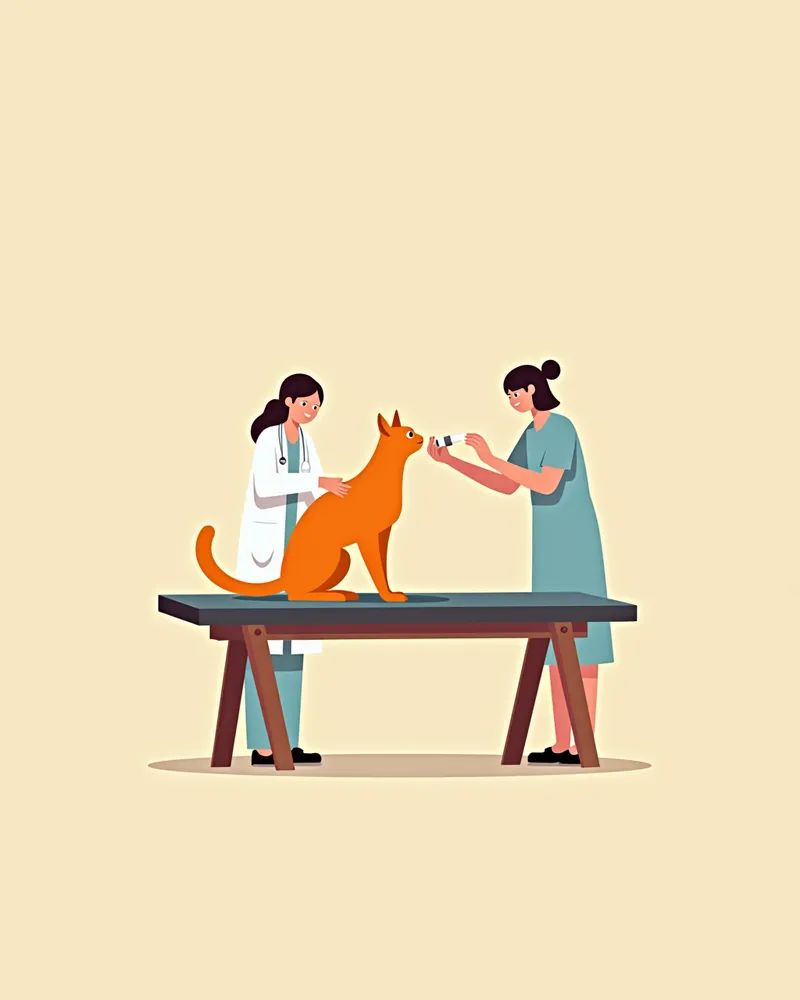
Home Care Centers on Dietary Management and Stress Reduction

Triaditis in Cats Has a High Risk of Recurrence, Making Consistent Management Essential
Tri-organ disease can recur even after treatment. Symptoms may worsen with dietary changes or stress, so daily care and regular check-ups are essential. Your consistent attention plays a key role in your pet’s quality of life.
Reviewed by a veterinarian

Dr. Tony — Punnawat Phongkittirak
VeterinarianA veterinarian who majored in veterinary medicine at Khon Kaen University, Thailand, and completed the IVSA program at North Carolina State University in the United States. Drawing on clinical experience at animal hospitals, he works in the pet healthcare field and is dedicated to building a digital care environment that connects pet parents with veterinarians.
Reviewed 2026-06-05
Frequently Asked Questions
Can three-organ disease be treated?
Are three-organ diseases common in cats?
Can symptoms improve with dietary management alone?
Are there genetic factors involved in tri-organ disease?
Can tri-organ disease be easily confused with other conditions?
Share
Related Guides
7 Key Symptoms and Management Essentials for Canine Cholecystitis Recommended by Veterinarians
Top 5 Milk Thistle (Silymarin) Liver Supplements for Dogs — A Comparison Guide Based on Silybin Content and Absorption Rates
Top Prescription Diets for Dogs with Liver Disease and Selection Criteria
Cat Lung Percussion and Thoracentesis: Symptoms, Causes, Diagnosis, Treatment, and Management Essentials
Comprehensive Guide to Feline Thoracic Radiography: Symptoms, Causes, Diagnosis, Treatment, and Management
Feline Pneumothorax: Symptoms, Causes, Diagnosis, Treatment, and Management Essentials
Feline Chylothorax: Symptoms, Causes, Diagnosis, Treatment, and Management Essentials
Feline Bronchodilators: Symptoms, Causes, Diagnosis, Treatment, and Management Essentials
Kennel Cough in Dogs: A Complete Guide to Vaccination, Symptoms, Causes, Diagnosis, Treatment, and Care
Feline Weight and Obesity Prevention and Management: Symptoms, Causes, Diagnosis, Treatment, and Key Management Points
References
[1] Greenhalgh SN, Reeve JA, Johnstone T, et al. Long-term survival and quality of life in dogs with clinical signs associated with a congenital portosystemic shunt after surgical or medical treatment. J Am Vet Med Assoc. 2014;245(5):527–533.
[2] Spillmann T, Willard MD, Ruhnke I, et al. Feasibility of endoscopic retrograde cholangiopancreatography in healthy cats. Vet J. 2013;198(1):105–110.
[3] Clinical Medicine of the Dog and Cat, 4th Edition. Elsevier, 2023. Chapter 11: Gastrointestinal and Hepatobiliary Diseases in Cats.