
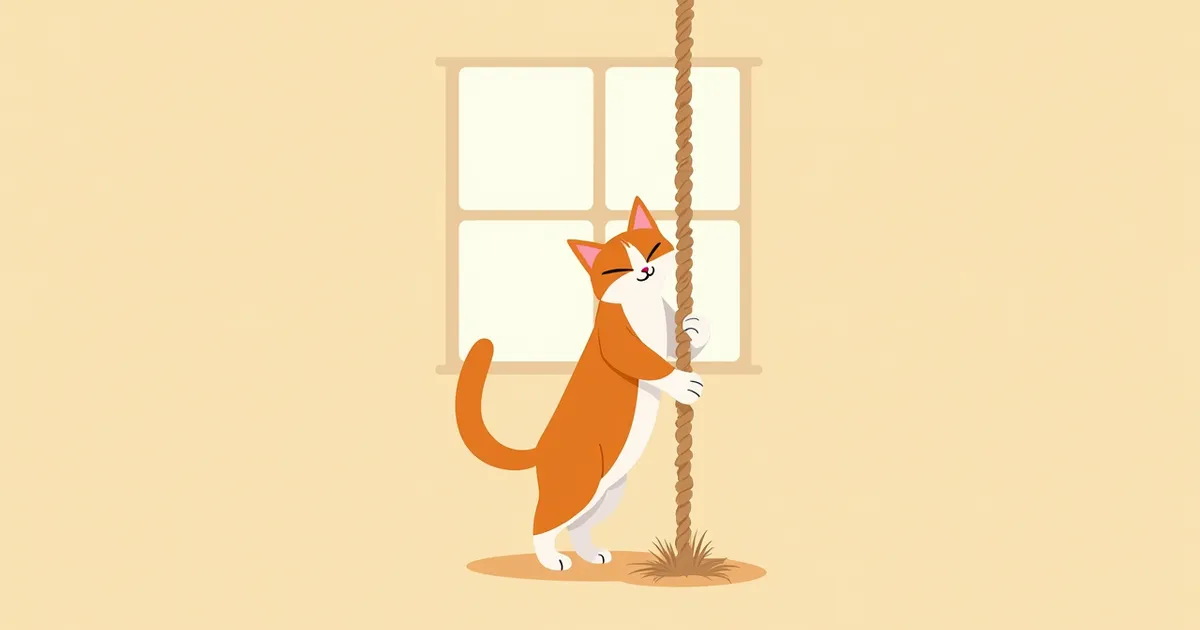
Why Is My Cat Scratching So Much? — Identifying the Causes and Warning Signs of Excessive Scratching
While scratching is a natural instinct for cats—helping them maintain their claws, mark territory, and relieve stress—excessive or unusual scratching patterns may indicate underlying pain, anxiety, or environmental issues. Here’s a guide to addressing the root causes and key tips for managing your cat’s scratching behavior at home.
What Is Cat Scratching Behavior?
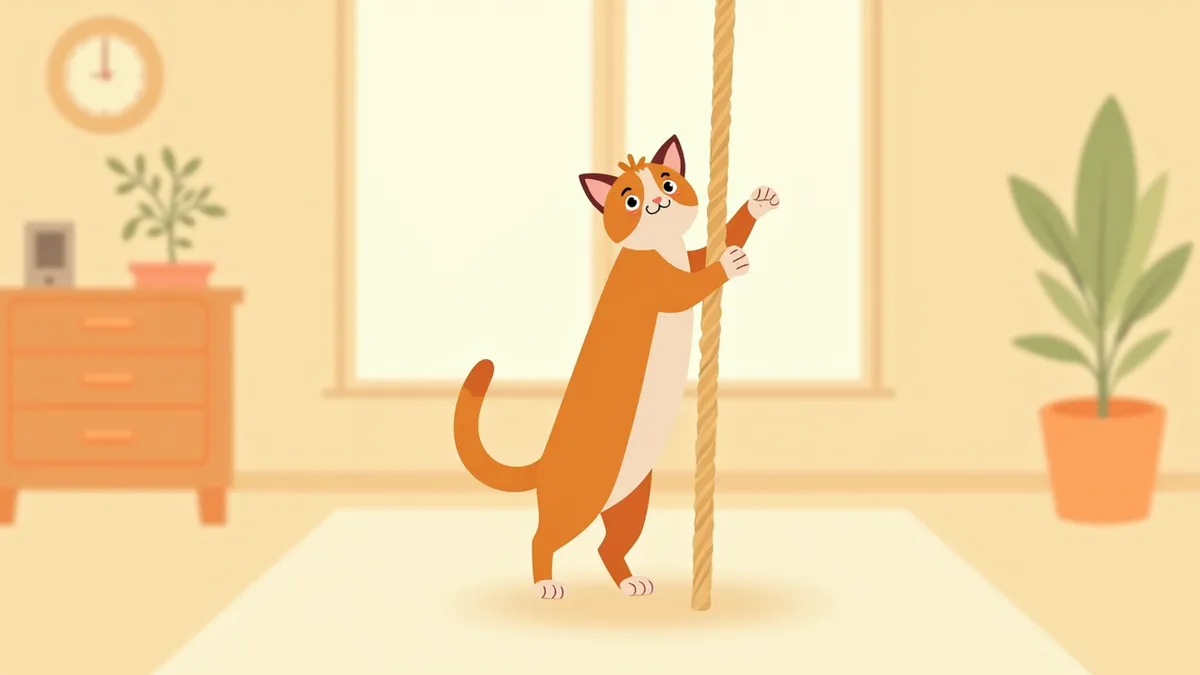
Why Cats Scratch — 3 Key Causes
Normal Scratching vs. Problematic Scratching Checklist

When to Seek Immediate Veterinary Care
If you notice swelling, discharge, or bleeding around the paws or claws, or if your pet cries out or shows signs of pain while scratching, seek veterinary care immediately. Immediate treatment is also required if a claw has grown into the surrounding tissue or if there are deformities. Additionally, if you observe hair loss, wounds, or scabs in the scratched areas, it could indicate skin conditions such as external parasites, allergies, or skin infections, necessitating a veterinary examination. If your pet suddenly starts scratching or licking noticeably more often, first rule out these skin conditions and also check for endocrine disorders such as hyperthyroidism.
Veterinary Diagnostic Methods
Treatment Approaches — Step-by-Step Management by Cause

Management Tips You Can Practice at Home
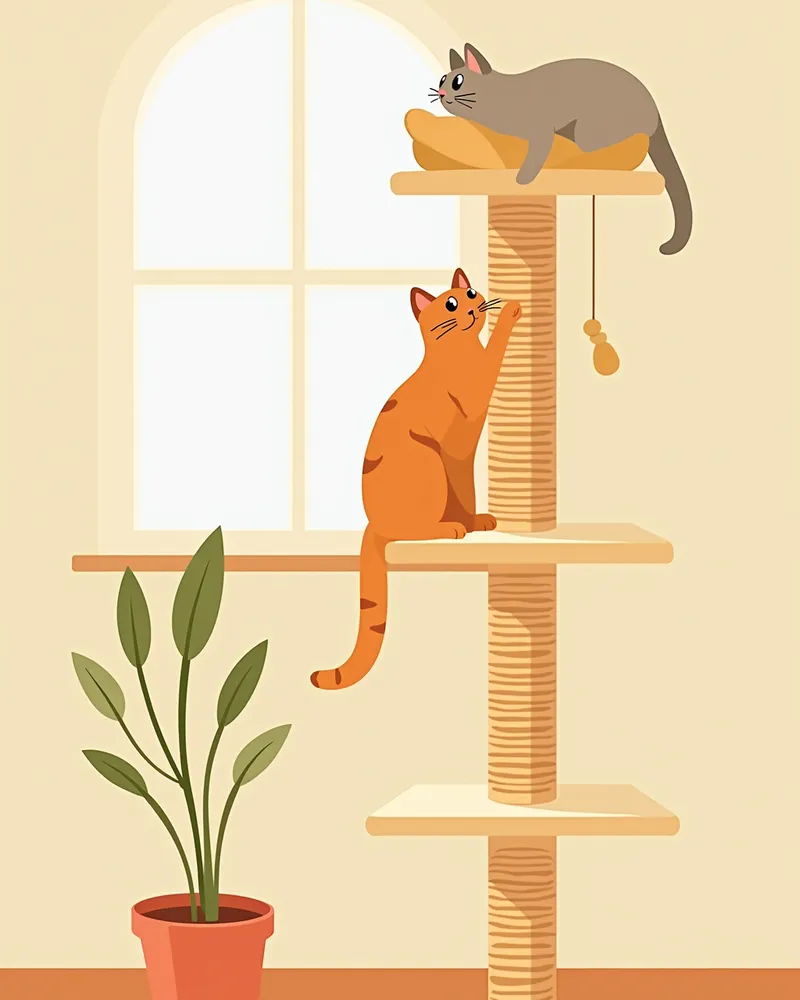
Breed-Specific Precautions
Bengal, Abyssinian, and Oriental breeds have higher energy levels, leading to a stronger-than-average urge to scratch. For Scottish Folds with joint issues, abnormal scratching postures may signal pain, so monitor them closely. Cats with fast-growing nails benefit from more frequent trimming.
Reviewed by a veterinarian

Dr. Tony — Punnawat Phongkittirak
VeterinarianA veterinarian who majored in veterinary medicine at Khon Kaen University, Thailand, and completed the IVSA program at North Carolina State University in the United States. Drawing on clinical experience at animal hospitals, he works in the pet healthcare field and is dedicated to building a digital care environment that connects pet parents with veterinarians.
Reviewed 2026-06-01
Frequently Asked Questions
My cat only scratches furniture. How can I encourage them to use a scratching post instead?
Is it okay to completely prevent scratching?
Is it safe to use nail caps (nail covers)?
What type of scratching post material is the best?
Your pet’s scratching has suddenly become noticeably more frequent. What could be the reason?
Share
Related Guides
7 Behavioral Enrichment Strategies for Mental Stimulation Recommended by Veterinarians

Top 5 Calming Supplements for Dogs and Cats in 2026

L-Theanine Effects and Calming Support

SAMe vs. Milk Thistle for Dog Liver Protectants — Which Is Right for Your Pet?
If Your Cat Keeps Getting Drowsy After Meals — Causes and Treatment Timing for Portosystemic Shunt (PSS)
If Your Cat’s Eyes and Gums Are Yellow — Causes of Feline Jaundice and When to Visit the Vet
If Your Cat Keeps Vomiting and Is Lethargic — Symptoms, Causes, and Treatment Timing for Cholecystitis

Can I Give Omega-3 to a Dog with Poor Kidney Function? — Supplement Effects and Precautions
Late-Stage Chronic Kidney Disease in Dogs: A Care Guide for Pain Relief and Quality of Life
Can I Administer Subcutaneous Fluids to My Cat at Home? — Safe Self-Administration and Warning Signs
References
[1] Atkinson T., A Professional's Guide to Feline Behaviour: Understanding, Improving and Resolving Problems, 1st edition, 2023
[2] DePorter T.L., Elzerman A.L., 'Common feline problem behaviors: Destructive scratching', Journal of Feline Medicine and Surgery, 2019
[3] Little S.E. (ed.), The Cat: Clinical Medicine and Management, 2nd edition, Elsevier, 2022