
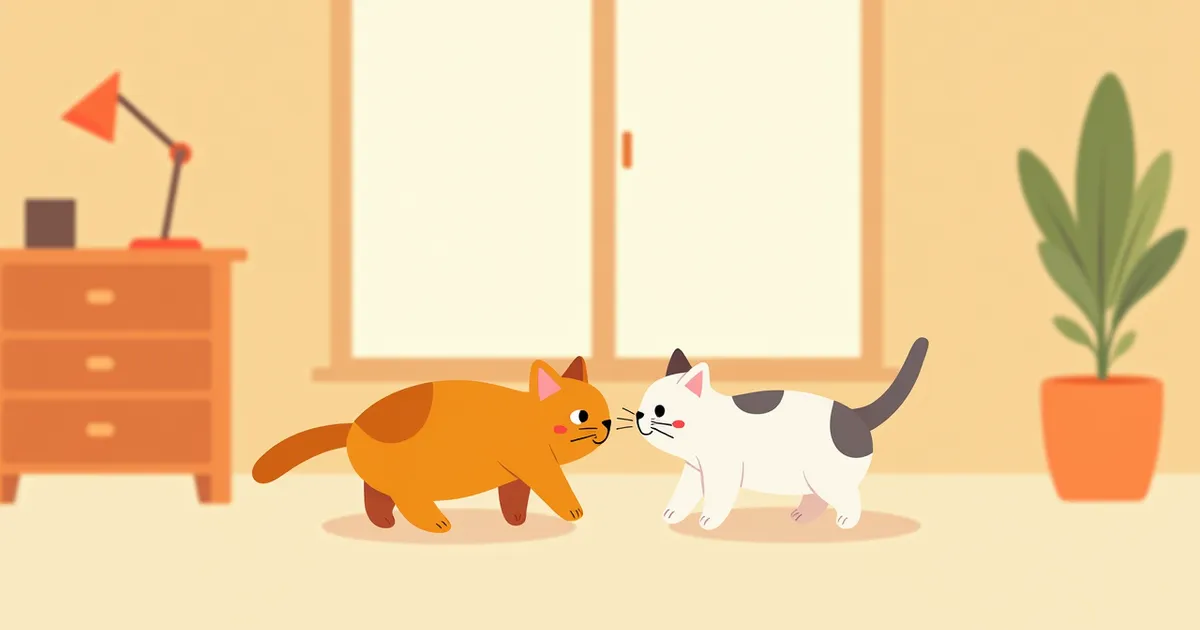
Why Are My Cats Fighting? Causes of Same-Species Aggression and When to Visit the Vet
We’ve compiled a veterinary-expert overview of the causes, symptoms, and behavior-modification strategies for same-species aggression—repeated fighting among cats living in the same household.
What Is Feline Same-Species Aggression?
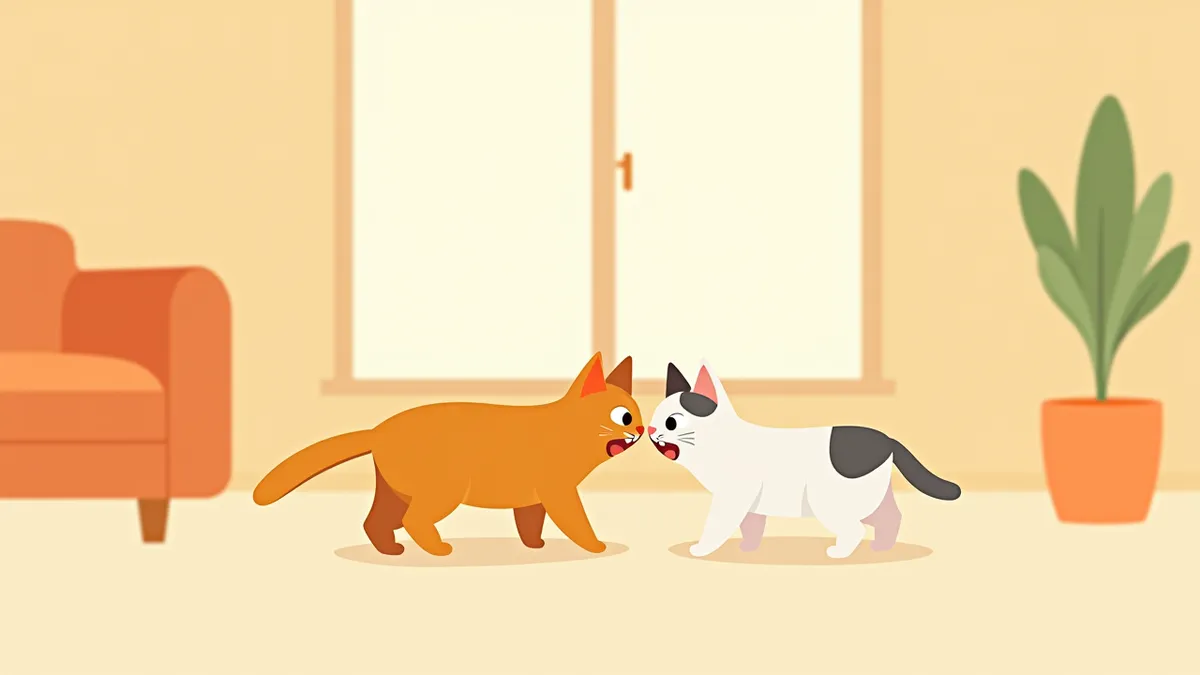
5 Main Causes of Same-Species Aggression
Symptom Checklist for Same-Species Aggression

When to Visit the Vet Immediately
If the injured cat has deep wounds or bleeding, there is a risk of infection, so it should be taken to the vet immediately. If the injured cat refuses food and water for several days or continues to hide and not come out, it may be under severe stress, so it's safer to have it examined by a vet. If the aggressive cat's behavior has suddenly changed, it could be due to pain or hormonal abnormalities. In particular, medical issues such as pain or hyperthyroidism can be related to aggression, so it's best to first identify the cause through a physical examination and, if necessary, blood tests.
How Does the Veterinarian Diagnose It?
Treating Same-Species Aggression — 3 Steps of Behavior Modification

Management Tips You Can Apply at Home Right Away
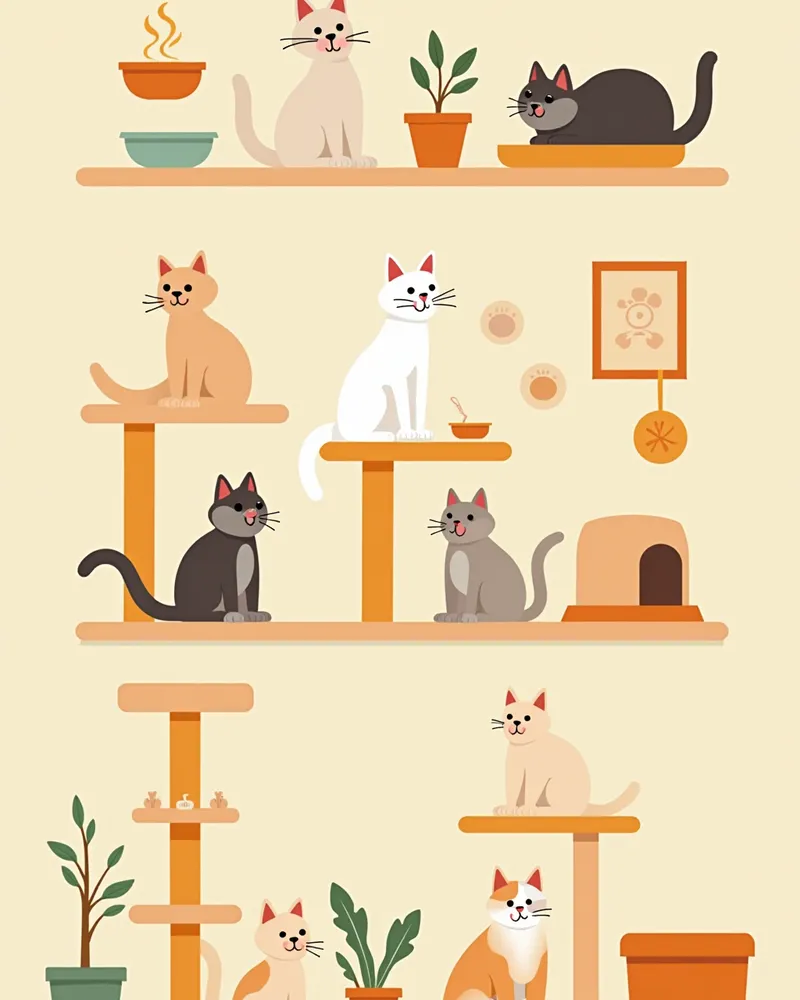
Important Checks After Behavior Modification
Even if behavior modification is successful, relapse can occur if the living space becomes more confined or a new family member is introduced. Cats that previously exhibited strong aggression require long-term maintenance of their modified behavior and regular check-ins on their relationships. It’s crucial to intervene quickly if early warning signs such as blocking or staring reappear.
Reviewed by a veterinarian

Dr. Tony — Punnawat Phongkittirak
VeterinarianA veterinarian who majored in veterinary medicine at Khon Kaen University, Thailand, and completed the IVSA program at North Carolina State University in the United States. Drawing on clinical experience at animal hospitals, he works in the pet healthcare field and is dedicated to building a digital care environment that connects pet parents with veterinarians.
Reviewed 2026-06-01
Frequently Asked Questions
Does neutering reduce aggression toward animals of the same species?
Can cats that have been fighting be helped to get along again?
I brought home a new cat, and now my original cat has become aggressive. Why is this happening?
Can I continue to keep cats with conspecific aggression together?
How long does behavior modification take?
Share
Related Guides

7 Behavioral Enrichment Strategies for Mental Stimulation Recommended by Veterinarians

Top 5 Calming Supplements for Dogs and Cats in 2026

L-Theanine Effects and Calming Support

If Your Cat’s Abdomen Is Distended — Differentiating Intra-Abdominal Tumors and Signs to Visit the Vet

If Your Dog’s Liver Is Hardening — Timing for Treating Fat-Storage Cell Activation and Liver Fibrosis

If Your Dog’s Belly Is Bloated — Portal Hypertension Symptoms and When to Visit the Vet

What Should I Feed My Dog with Liver Issues? — Principles and Precautions for Liver Support Diets

If Your Dog Keeps Getting Bruises — Warning Signs and Diagnosis of Liver Disease and Coagulation Abnormalities
If Your Dog Is Lethargic After Taking Medication — Symptoms of Drug- or Toxin-Induced Liver Injury and Emergency Timing

If Your Cat Is Growing Slowly and Lethargic — Timing for Portosystemic Shunt Surgery
References
[1] Horwitz DF, Mills DS et al., BSAVA Manual of Canine and Feline Behavioural Medicine, 2nd ed., British Small Animal Veterinary Association, 2009
[2] Yin S, Veterinary Guide to Preventing Behavior Problems in Dogs and Cats, CattleDog Publishing, 2009
[3] Moffat K et al., Introduction to Animal Behavior and Veterinary Behavioral Medicine, Wiley-Blackwell, 2020
[4] Ramsey I, Tennant B et al., 100 Top Consultations in Small Animal General Practice, Wiley-Blackwell, 2012