Like
Share
멍실장
고양이 황달 증상과 원인, 진단·치료와 관리 포인트 총정리

If Your Cat’s Eyes and Gums Are Yellow — Causes of Feline Jaundice and When to Visit the Vet

Liver HealthDiseasesMeongsiljang Veterinary Advisory Board

Feline jaundice is a condition in which bilirubin builds up in the body due to impaired liver function, causing the skin and eyes to turn yellow. Early detection and identifying the underlying cause are key to effective treatment.

Feline Jaundice Is a Symptom of Bilirubin Buildup Due to Liver Dysfunction
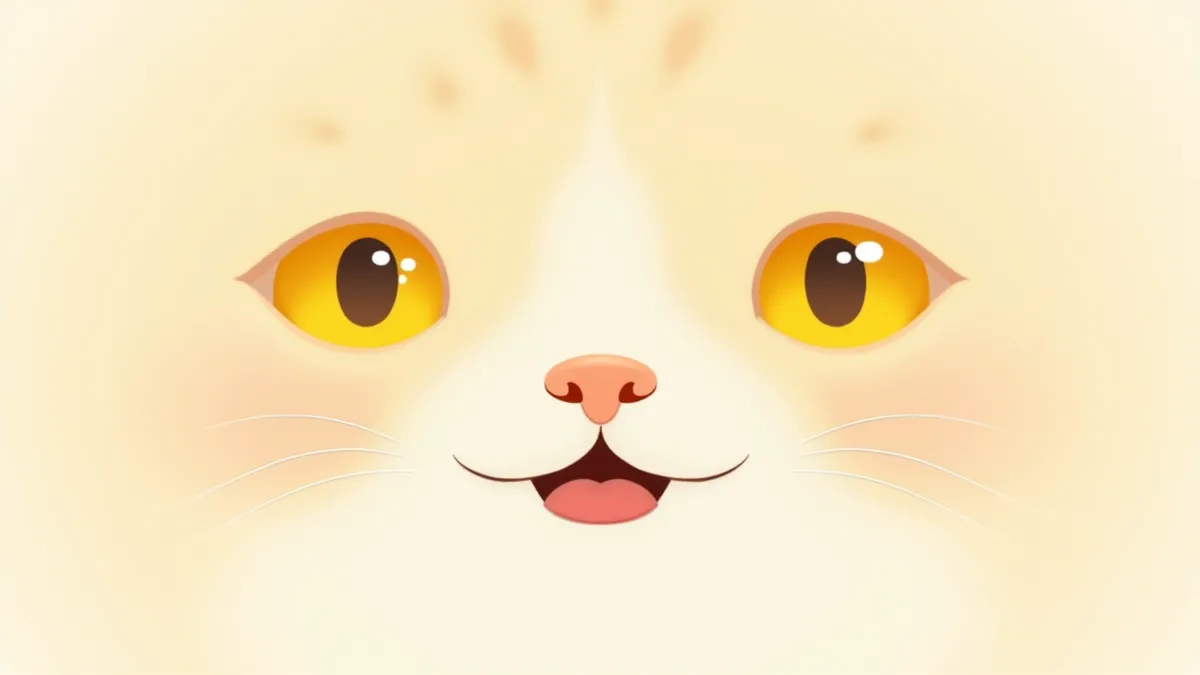
Yellowing of the eyes and lips, a key sign of feline jaundice
Feline jaundice is a condition in which an excessive buildup of bilirubin in the body causes the skin, mucous membranes, and the whites of the eyes (sclera) to turn yellow. Bilirubin is a natural byproduct produced when red blood cells break down; it is normally processed by the liver and excreted into bile. Bilirubin accumulates when red blood cell destruction exceeds the liver’s processing capacity, when liver function itself is impaired, or when bile flow is obstructed. These three mechanisms are classified as pre-hepatic, hepatic, and post-hepatic, respectively. - Liver damage (hepatic): When liver cells are damaged by viruses, medications, or toxic substances, the liver’s ability to process and excrete bilirubin declines. - Biliary obstruction (post-hepatic): If bile flow is blocked by gallstones or tumors, or if a bile duct ruptures and leaks, bilirubin builds up in the bloodstream. Leakage of bile into the abdominal cavity can lead to biliary peritonitis. - Red blood cell destruction (pre-hepatic): Massive destruction of red blood cells causes a sharp increase in bilirubin production that exceeds the liver’s processing capacity. Jaundice is not merely a cosmetic change but a sign of serious internal disease. It typically becomes visible only when bilirubin levels rise to more than two to three times the normal range. If you notice these symptoms, consult your veterinarian immediately; early detection and identifying the underlying cause are key to effective treatment.

The Main Causes of Jaundice Are Categorized into Three: Hepatocellular Damage, Biliary Obstruction, and Red Blood Cell Destruction
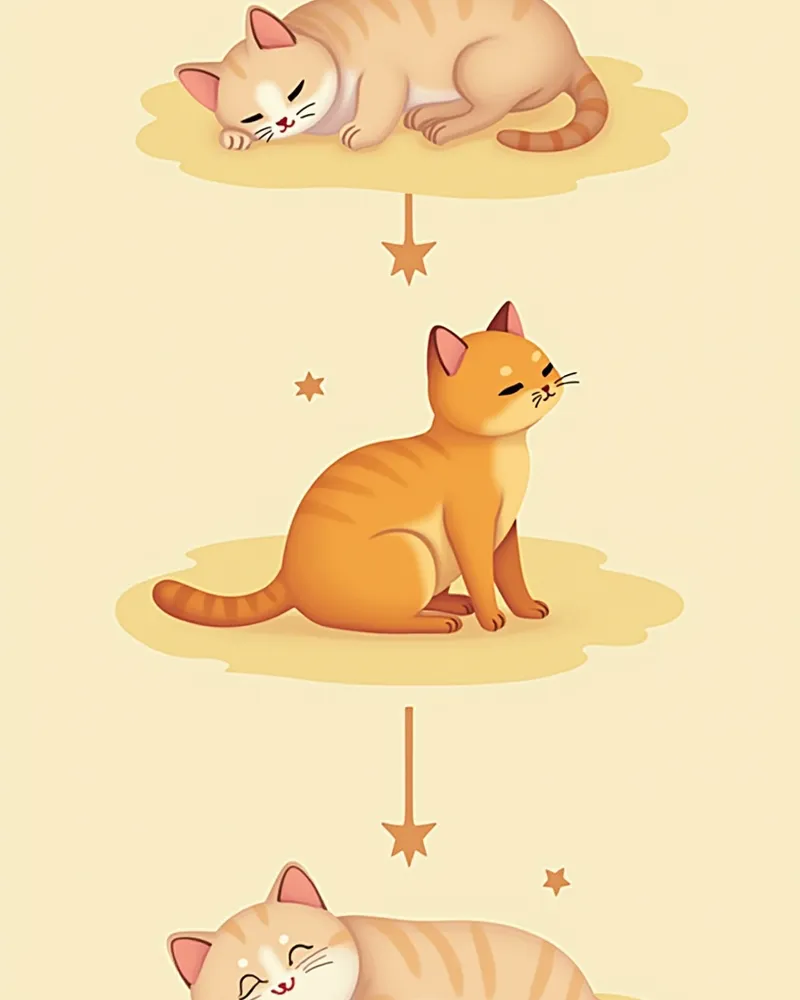
The causes of jaundice in cats can be broadly categorized into three types: hepatocellular damage, biliary obstruction, and red blood cell destruction. Hepatocellular damage occurs due to viruses, medications, or toxic substances, while biliary obstruction arises when bile cannot be properly excreted because of gallstones or tumors. Red blood cell destruction is caused by pathogenic parasites or immune-mediated diseases, leading to a rapid increase in bilirubin production and resulting in jaundice. Accurately identifying the underlying cause is the first step toward effective treatment.
An illustration visually explaining the three main causes of feline jaundice.

Check for the Main Signs and Symptoms of Jaundice
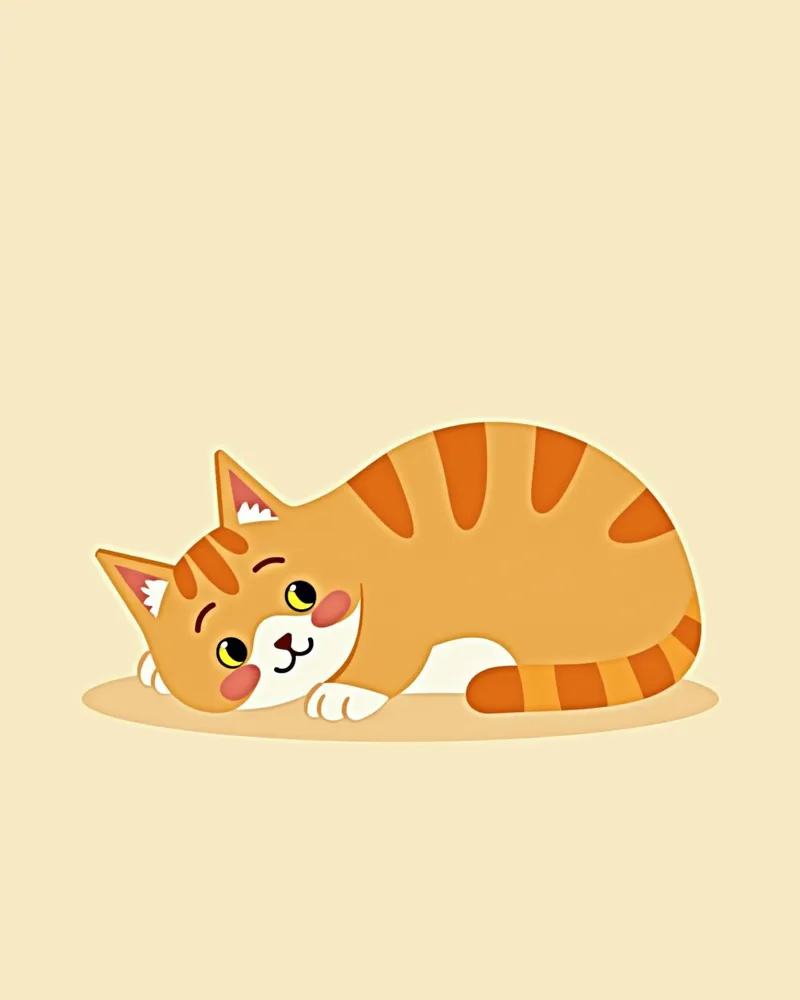
The most common signs of feline jaundice are yellowing of the eyes and lips. Other symptoms to watch for include loss of appetite, vomiting, diarrhea, lethargy, weight loss, and dark brown urine. In particular, yellowing of the conjunctiva in the eyes is the quickest indicator to check. As jaundice progresses, liver function declines severely, which can be life-threatening. If any of these symptoms appear, seek veterinary care immediately.
Yellowing of the eyes and lips: This is the most characteristic sign, with the conjunctiva and lips turning yellow.
Decreased appetite: Reduced liver function leads to a diminished interest in food.
Vomiting and diarrhea: Impaired digestive function causes irritation in the stomach and intestines.
Lethargy: Due to low energy levels, the cat may remain inactive and rest throughout the day.
Dark brown urine: The color darkens as bilirubin is excreted through the urine.
A cat with yellowing eyes and lips due to jaundice

Immediate Veterinary Visit Is Necessary When Jaundice Appears

Feline jaundice is a serious sign of liver dysfunction, so you should consult a veterinarian within 24 hours of noticing symptoms. It may be an emergency if accompanied by vomiting, lethargy, or changes in urine color. Delaying treatment can worsen liver damage and become life-threatening, making early diagnosis and treatment essential.

Blood Tests, Ultrasound, and Biopsy Are Required for Diagnosis
Diagnosing jaundice in cats involves blood tests, liver function tests, abdominal ultrasounds, and, when necessary, a liver biopsy. Blood tests check bilirubin levels and liver enzyme levels, while ultrasound helps identify bile duct obstruction or structural abnormalities in the liver. A biopsy aids in pinpointing the exact cause, allowing us to determine whether the issue is a malignant tumor or an inflammatory disease. Effective treatment is impossible without an accurate diagnosis, so it’s important to follow your veterinarian’s guidance and proceed with the recommended tests.
An ultrasound image of a cat's liver and bile ducts

Treatment Varies Depending on the Underlying Cause and Includes Medication, Dietary Management, and Surgery
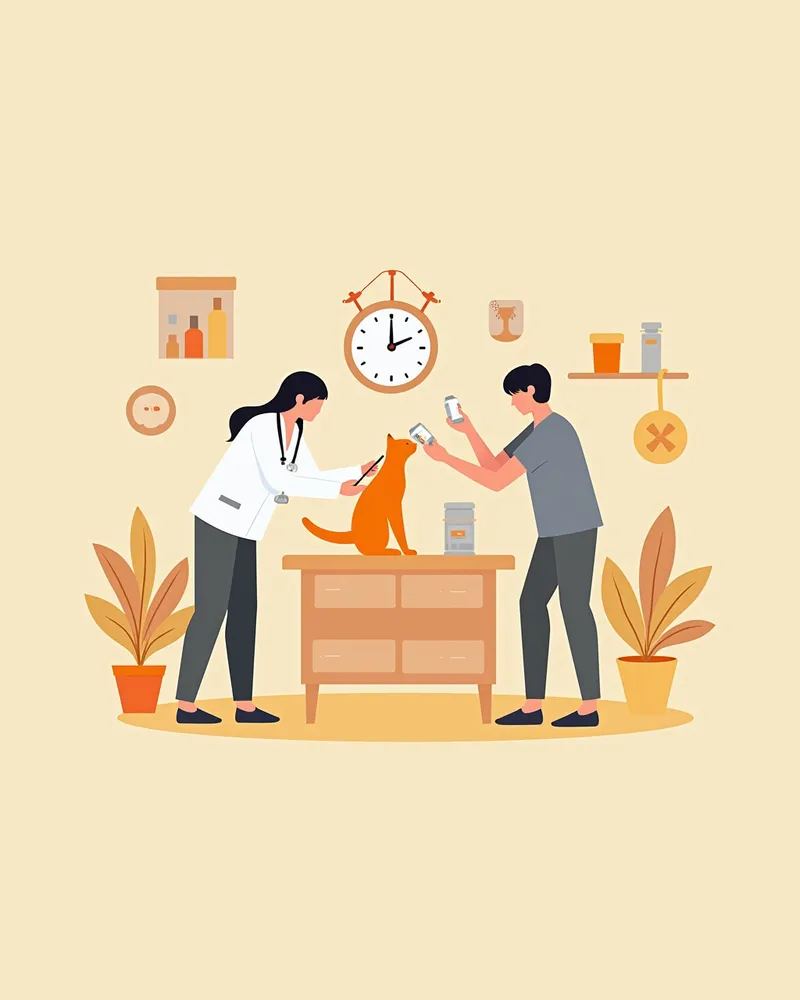
Treatment for feline jaundice varies depending on the underlying cause. In cases of hepatocyte damage, hepatoprotective agents and anti-inflammatory medications are used. Biliary obstruction is addressed through surgery or biliary drainage. When red blood cell destruction is the cause, immunosuppressants or antiparasitic treatments are necessary. Nutritional and fluid supplementation are also important, and dietary management helps reduce the burden on the liver. The duration of treatment depends on the cause and severity, and ongoing monitoring by a veterinarian is essential.
A veterinarian administering medication to a cat

Dietary Management and Stress Reduction Are Key to Home Care

Home care for feline jaundice centers on dietary management and stress reduction. To lessen the burden on the liver, select a prescription diet that is low in fat, high in protein, and contains hepatoprotective ingredients. It is also essential to maintain a stable daily environment for your cat and avoid sudden changes. Medication must be administered exactly as directed by your veterinarian, and regular follow-up examinations are mandatory. The success of management depends on your consistency in daily care.
Prescription Diet: Choose food formulated with ingredients that support liver function.
Hydration: Provide frequent access to water to prevent dehydration.
Environmental Stability: Avoid sudden moves or changes in routine.
Medication Adherence: Administer medications precisely as instructed by your veterinarian.
Regular Check-ups: Continue with scheduled veterinary examinations throughout the treatment period.
A cat enjoying a special diet formulated to support liver health.

Feline Jaundice Has a High Risk of Recurrence, So Continuous Management Is Essential

Feline jaundice can recur if the underlying cause isn’t addressed, especially in cases of chronic liver disease, where symptoms may return without consistent daily care. Work with your veterinarian to develop a long-term management plan that includes regular check-ups and medication adjustments to stabilize your cat’s condition. Seek immediate veterinary attention if you notice any sudden changes in symptoms.

Reviewed by a veterinarian

Dr. Tony — Punnawat Phongkittirak

Dr. Tony — Punnawat Phongkittirak

Veterinarian

A veterinarian who majored in veterinary medicine at Khon Kaen University, Thailand, and completed the IVSA program at North Carolina State University in the United States. Drawing on clinical experience at animal hospitals, he works in the pet healthcare field and is dedicated to building a digital care environment that connects pet parents with veterinarians.

Frequently Asked Questions

Is jaundice in cats treatable?
Treatment prospects vary depending on the underlying cause. Hepatocyte damage or biliary obstruction can often be improved with medication or surgery, whereas management is the cornerstone of care for chronic liver disease. Early detection significantly increases the likelihood of successful treatment.
Should I definitely take my pet to the vet if jaundice appears?
Yes, it's absolutely necessary to visit the vet. Jaundice is a serious sign of liver dysfunction, so it's important to consult with a veterinarian within 24 hours. Delaying treatment could worsen the condition.
What is the prognosis for feline jaundice?
The prognosis depends on the underlying cause and whether the condition is diagnosed early. If liver damage is in its early stages, there’s a good chance of recovery, while chronic cases require long-term management. It’s important to work with your veterinarian to develop a tailored care plan.
What kind of food is best for a cat with jaundice?
Choose a specialized diet that includes liver-supporting ingredients. A low-fat, high-protein food rich in antioxidants can help reduce the burden on the liver. For the safest choice, always follow your veterinarian’s recommendation.
Can jaundice recur?
Yes, the risk of recurrence is high. If the underlying cause isn’t addressed or if care is inadequate, symptoms can return. Regular check-ups and consistent management are essential.

Share

Related Guides

References

[1] The Cat, Clinical Medicine and Management, 2nd Edition, 2023

[2] Veterinary Internal Medicine, 8th Edition, 2021

[3] American College of Veterinary Internal Medicine (ACVIM) Consensus Statement on Hepatic Disease in Cats, 2020

This information is based on veterinary literature and does not replace diagnosis or treatment. Please consult a veterinarian for specific health concerns.

Metapet Co., Ltd. | CEO: Park Sung-yong | Business Reg. No. 417-88-02562 | Seoul, South Korea | Customer Center

Yellow Eyes & Gums: Feline Jaundice Causes & Vet Timing | Meongsiljang