
Spironolactone for Dogs — Effects, Side Effects, and Key Points for Administration
Spironolactone in dogs can cause heart problems as a side effect. Early detection and proper management are important.
What is Spironolactone-Induced Cardiac Dysfunction in Dogs?
What are the Main Causes of Spironolactone-Induced Cardiac Dysfunction?
What are the Main Symptoms of Spironolactone-Induced Cardiac Dysfunction?
Signs Requiring Immediate Veterinary Visit
If your dog suddenly starts panting heavily, or if its mouth or tongue turns blue and its breathing becomes noticeably labored, you should take it to a veterinary clinic immediately. These signs may indicate a serious problem with heart or respiratory function. Additionally, sudden collapse or loss of consciousness constitutes an emergency. If you observe any of these symptoms, seek prompt evaluation and treatment at a nearby veterinary clinic without delay.
How is Spironolactone-Induced Cardiac Dysfunction Diagnosed?
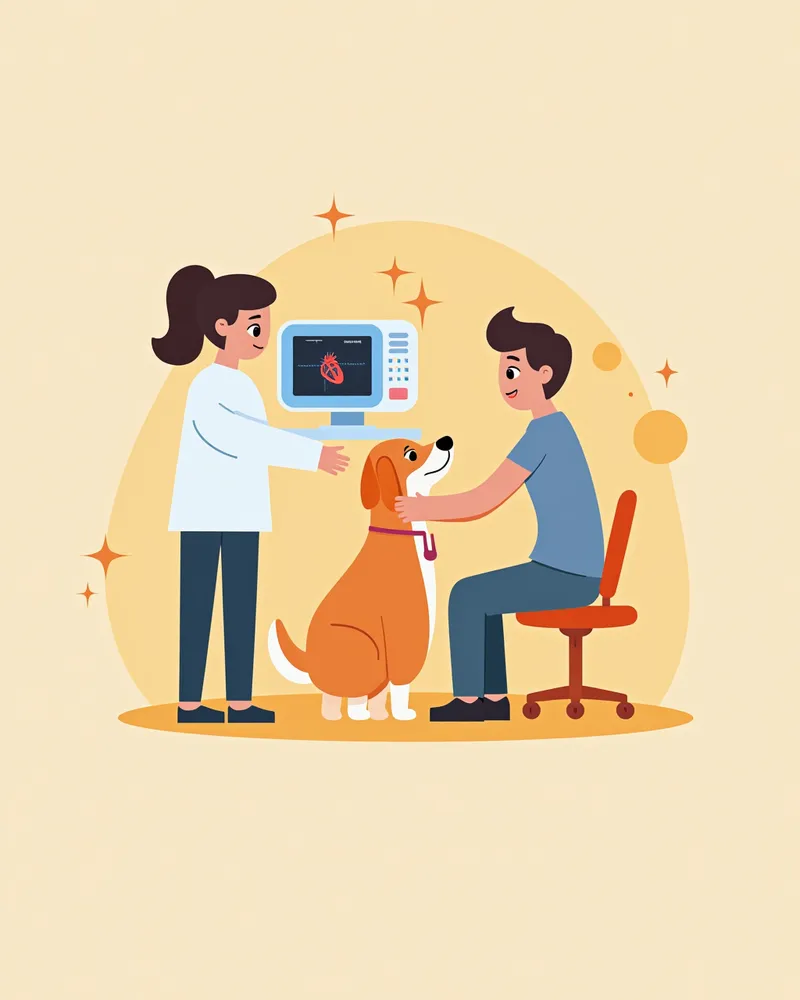
How is Spironolactone-Induced Cardiac Dysfunction Treated?
Home Care Points
Breed-Specific Precautions and Recurrence Prevention
Some myocardial diseases are more common in certain breeds, with familial dilated cardiomyopathy and sudden death reported in Doberman Pinschers. If your pet has a heart condition or is on long-term medication, regular cardiac examinations are necessary. It is advisable to undergo echocardiography and electrocardiogram tests at intervals recommended by your veterinarian. To prevent recurrence or worsening of the condition, you should regularly review the type and dosage of any medications with your veterinarian.
Reviewed by a veterinarian

Dr. Tony — Punnawat Phongkittirak
VeterinarianA veterinarian who majored in veterinary medicine at Khon Kaen University, Thailand, and completed the IVSA program at North Carolina State University in the United States. Drawing on clinical experience at animal hospitals, he works in the pet healthcare field and is dedicated to building a digital care environment that connects pet parents with veterinarians.
Reviewed 2026-06-05
Frequently Asked Questions
Can taking spironolactone cause heart problems?
Can dogs with reduced heart function take medication again?
When do symptoms of decreased heart function appear?
Can reduced heart function be treated?
Can you prevent a decline in heart function?
Share
Related Guides
Coenzyme Q10 Benefits and Administration Guide
Dog Pulmonary Edema Warning — 7 Best Diuretics (Furosemide) for Heart Management
7 Best Prescription Diets for Feline Heart Disease Recommended by Veterinarians — Criteria for Choosing Low-Sodium Food
Complete Guide to CT and MRI Scans for Canine Tumors — From Staging to Treatment Planning
Dog Tumor Surgery: Did We Get It All? Surgical Margin Assessment Determines Recurrence
If Your Dog’s Mammary Lumps Are Hormone-Related — Causes and Treatment of Progesterone Tumors
If Your Dog Suddenly Collapses — Emergency Signs, Diagnosis, and Treatment Timing for Hemangiosarcoma
Feline Tumor CT and MRI Staging: Symptoms, Causes, Diagnosis, Treatment, and Care Points
Cat Tumor Surgical Margin Assessment: Symptoms, Causes, Diagnosis, Treatment, and Management Points
If a Lump Appears at Your Cat’s Injection Site — Signs of Injection-Site Sarcoma and Timing for Diagnosis and Treatment
References
[1] Plumb's Veterinary Drug Handbook, 9th Edition. Wiley-Blackwell, 2021.
[2] Kass PH, et al. Spironolactone-associated cardiomyopathy in dogs: A retrospective study. J Vet Intern Med, 2020, 34(3):1023–1030.
[3] American College of Veterinary Internal Medicine (ACVIM). Consensus Statement on the Use of Spironolactone in Canine Heart Disease. J Vet Cardiol, 2022, 38:1–15.