
If Your Cat Has Changed After Neutering — Hormonal Change Signals, Causes, and Management
After neutering, hormonal changes in cats can lead to behavioral, weight, and skin changes along with the cessation of the estrous cycle. Proper understanding and management are essential.
What Are Hormonal Changes After Cat Neutering?
What Are the Main Causes of Hormonal Changes?
Check for Key Symptoms and Signals
When Immediate Veterinary Attention Is Required
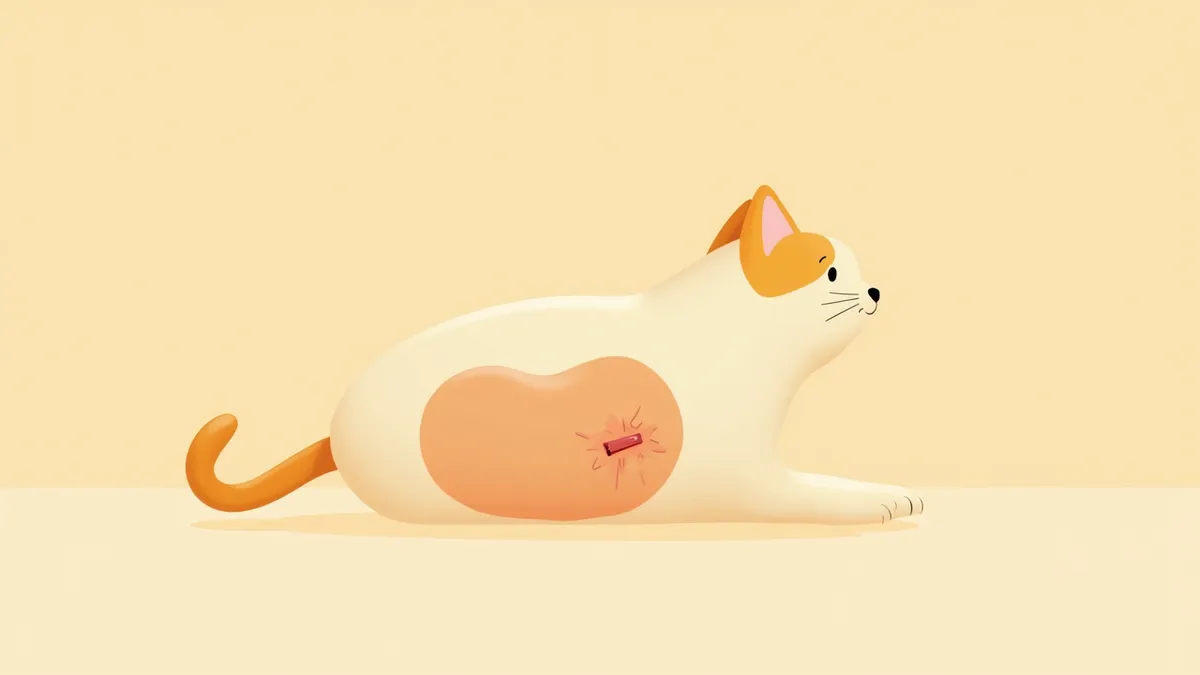
If your cat experiences persistent fever, bleeding at the surgical site, swelling, loss of appetite, vomiting, or diarrhea during the post-operative recovery period, immediate veterinary attention is required. Under normal circumstances, there should be no bleeding from the neutering incision; therefore, if the area becomes swollen, discharges fluid, emits an odor, or if your cat continues to cry out in pain, it may indicate an infection or other complications. Because these symptoms can pose a serious threat to your pet’s health, prompt action is essential.
Methods for Accurate Diagnosis
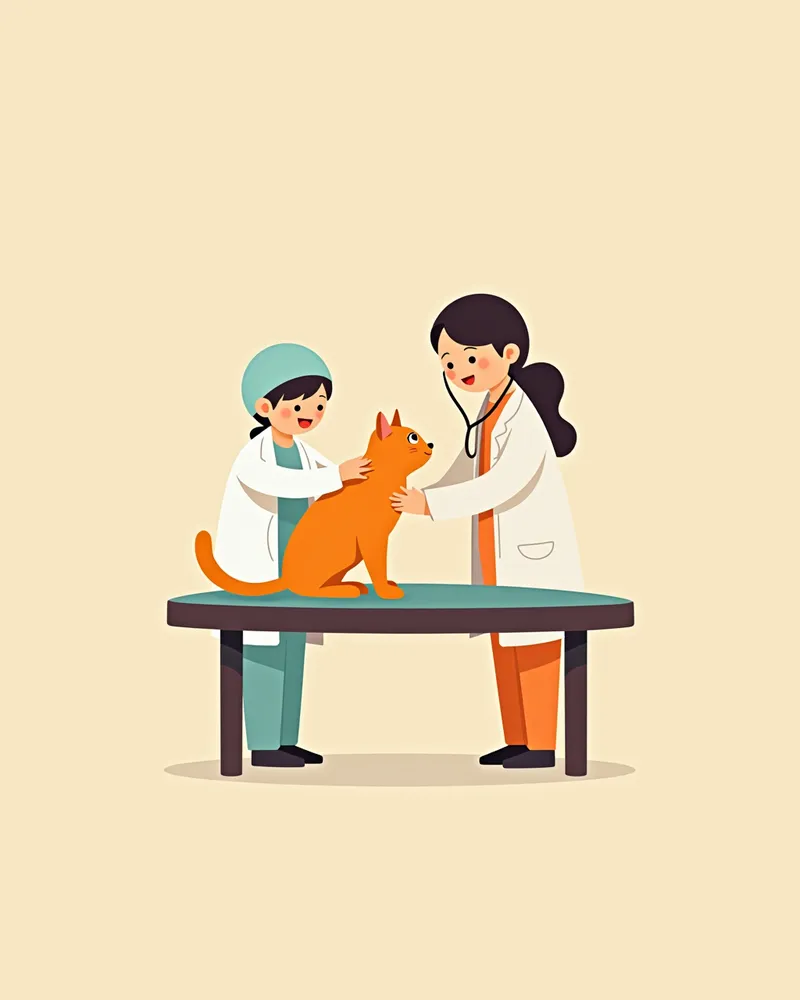
Step-by-Step Guide to Treatment and Management
Daily Care Points at Home

Breed-Specific Precautions and Tips to Prevent Recurrence
After neutering, inadequate dietary management can lead to weight gain. Hormone levels in cats vary significantly by breed due to physiological differences, so it’s important to consider both breed and clinical symptoms during examinations and care. Additionally, older cats may take longer to recover and adjust, so closely monitoring weight changes within the first three months post-surgery and collaborating with your veterinarian to develop a care plan is essential. Consistent management habits are key to preventing recurrence.
Reviewed by a veterinarian

Dr. Tony — Punnawat Phongkittirak
VeterinarianA veterinarian who majored in veterinary medicine at Khon Kaen University, Thailand, and completed the IVSA program at North Carolina State University in the United States. Drawing on clinical experience at animal hospitals, he works in the pet healthcare field and is dedicated to building a digital care environment that connects pet parents with veterinarians.
Reviewed 2026-06-01
Frequently Asked Questions
Why does weight gain happen so quickly after spaying or neutering?
Is it normal for a pet’s behavior to change after being spayed or neutered?
What should I do if my pet’s skin becomes itchy after neutering?
Can my pet have another heat cycle after being spayed?
Do I need to give my pet hormone supplements after spaying or neutering?
Share
Related Guides

Top 5 Prescription Dog Foods for Diabetes Recommended by Veterinarians — Blood Sugar-Stabilizing Food Comparison
7 Key Products for Managing Feline Hypercalcemia Recommended by Veterinarians and Selection Criteria
7 Key Points for Canine Thyroid T4 Testing by Veterinarians — From Timing to Result Interpretation

Complete Guide to Feline Chronic Recurrent Urinary Tract Infections: Symptoms, Causes, Diagnosis, Treatment, and Management
Feline Neurogenic Bladder: Symptoms, Causes, Diagnosis, Treatment, and Management Essentials
Feline Hydronephrosis: Symptoms, Causes, Diagnosis, Treatment, and Management Essentials
Complete Guide to Feline Hematuria: Symptoms, Causes, Diagnosis, Treatment, and Management
Feline Bladder Ultrasound: Symptoms, Causes, Diagnosis, Treatment, and Care Essentials

Feline Bacterial Cystitis: Symptoms, Causes, Diagnosis, Treatment, and Management Essentials
Dog Lung Percussion and Thoracentesis: Symptoms, Causes, Diagnosis, Treatment, and Management Essentials
References
[1] The Cat, Clinical Medicine and Management, 2nd Edition, 2020
[2] Handbook on Field Veterinary Surgery, Chapter 19: Ovariohysterectomy in Canines and Felines, 2018
[3] The Dog Care Handbook, Things I Wish My Vet Had Told Me, 2023