Like
Share
멍실장
강아지 아연중독 증상과 응급 대처법, 위험 섭취량과 예방까지 총정리

If Your Dog Swallowed a Coin — Zinc Poisoning Symptoms, Dangerous Ingestion Levels, and Prevention

Emergency/ToxicityDiseasesMeongsiljang Veterinary Advisory Board

We’ve compiled the symptoms that occur when dogs ingest zinc-containing items such as coins, diaper cream, or metal parts, along with guidelines on when to seek immediate veterinary care, as well as treatment and prevention methods.

What Is Zinc Poisoning in Dogs?
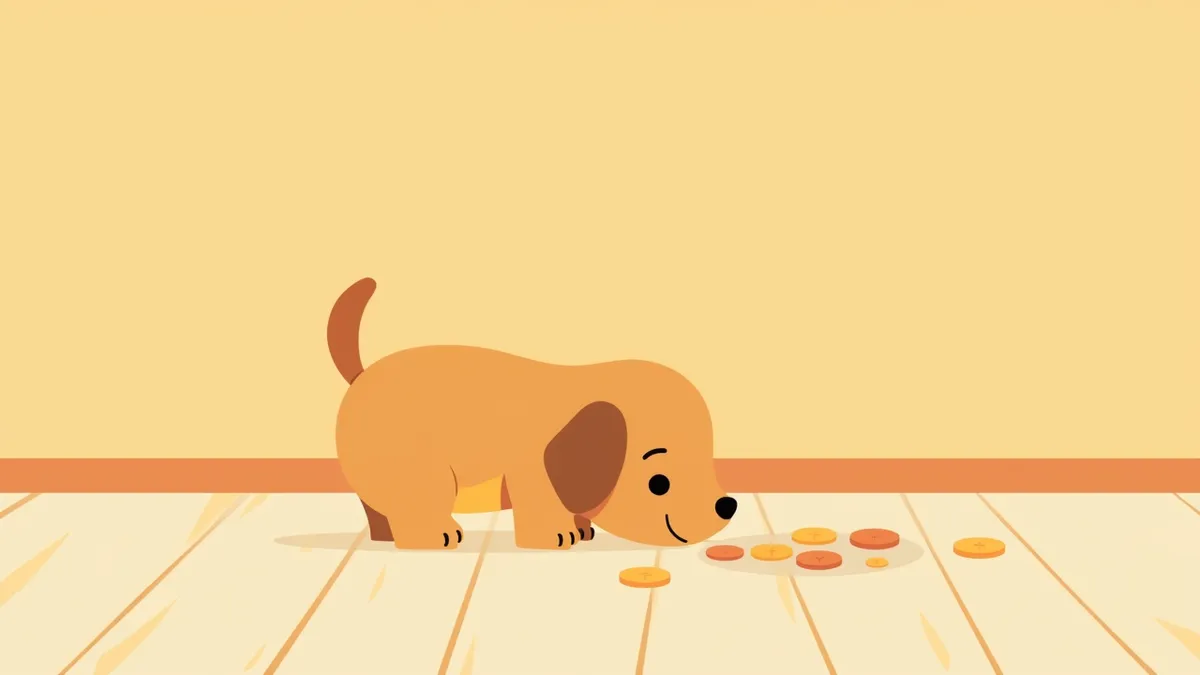
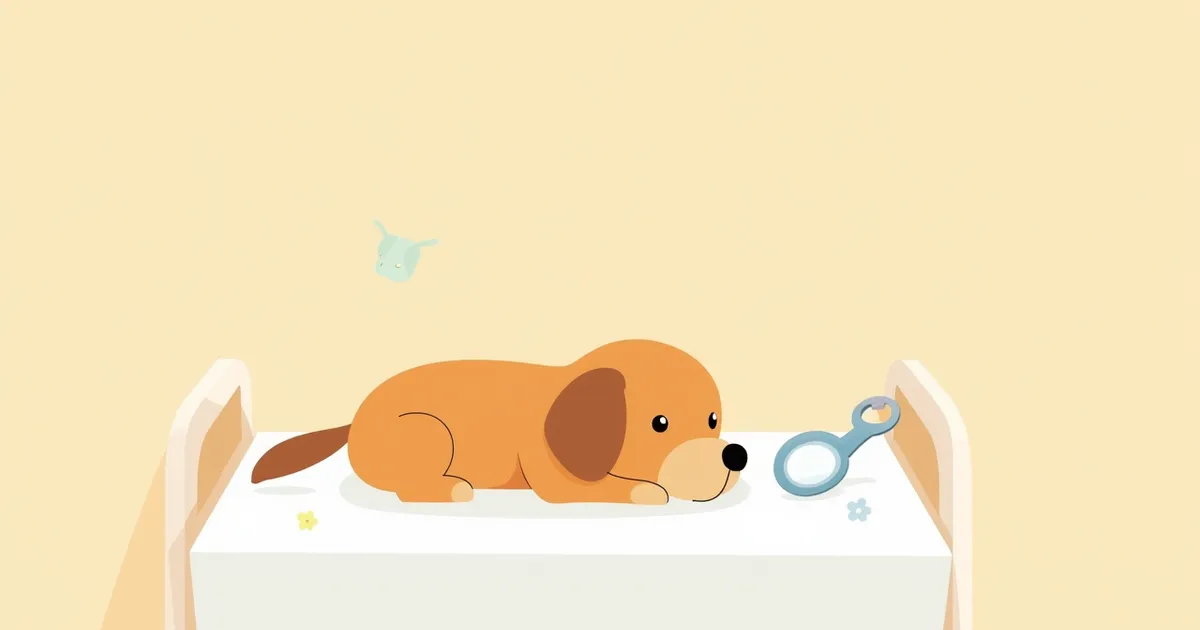
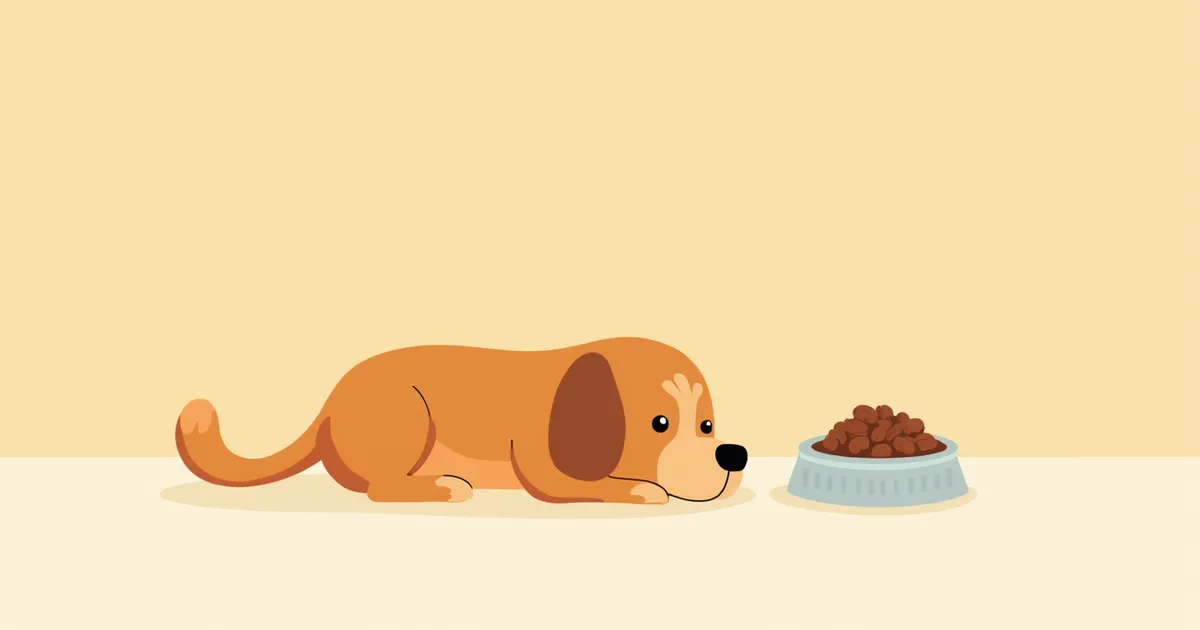
A puppy sniffing a coin that has fallen on the floor.
Zinc poisoning in dogs is a medical emergency that occurs when a dog ingests items such as coins, zinc ointments, or metallic foreign bodies, leading to massive destruction of red blood cells and resulting in anemia, jaundice, and organ damage. The most critical point to remember is that you must seek veterinary care immediately, even if your dog appears symptom-free. When zinc comes into contact with stomach acid, it dissolves and is absorbed into the body. The resulting hemolysis (destruction of red blood cells) can develop rapidly within a few hours or gradually over several days, depending on how quickly the metal breaks down in the stomach. Even if your dog seems fine initially, absorption continues as long as zinc remains in the stomach. Therefore, consider the clock to have started ticking the moment you confirm ingestion.

Dangerous Substances High in Zinc

Zinc exposure risks are more common than you might think, both inside and outside the home.
Coins: Coins from various countries contain zinc. In particular, U.S. pennies minted after 1982 are 97.5% zinc, making them one of the most common causes of zinc poisoning.
Diaper cream and sunscreen: Licking or ingesting products with zinc oxide (ZnO) as a main ingredient typically causes gastrointestinal irritation, such as vomiting and diarrhea. While acute ingestion rarely leads to systemic toxicity, repeated or chronic exposure has been reported to cause systemic zinc poisoning, so it’s important not to be complacent.
Galvanized metal: Chewing on zinc-coated fragments from surfaces like wire mesh, nuts, bolts, and nails can lead to zinc absorption.
Zinc supplements: If dogs ingest human zinc supplements, they can develop toxicity due to excessive intake.
Certain paints: Older paints containing zinc sulfide (ZnS) may also include zinc.

Key Symptoms Checklist

Vomiting and diarrhea: These are often the first signs to appear within a few hours of ingestion, and the vomit or stool may contain blood.
Lethargy and loss of appetite: As red blood cells are destroyed, oxygen delivery decreases, leaving your pet weak and uninterested in food.
Pale or yellow gums: Gums may turn pale due to anemia or yellow if jaundice develops.
Red or orange urine: Hemoglobin from destroyed red blood cells passes into the urine, changing its color.
Rapid breathing and heart rate: When anemia causes oxygen deficiency, the body compensates by increasing breathing and heart rate.
Abdominal pain and hunched posture: Gastrointestinal irritation can cause discomfort, making your pet sensitive to touch around the belly.
A veterinarian checking a puppy's gum color

When to Go to an Emergency Animal Hospital Immediately

If any of the following apply, go to a 24-hour emergency animal hospital immediately: - Ingestion of a zinc-containing substance has been confirmed (this is an emergency even if no symptoms are present) - The gums have turned pale or yellow - The urine has turned red, brown, or orange - Sudden collapse or loss of consciousness - Seizures are occurring

Diagnostic Tests at the Veterinary Clinic

At the veterinary clinic, we use the following tests to determine whether your pet has zinc poisoning and how severe it is.
Blood tests: We check red blood cell counts, liver enzymes (ALT and AST), and kidney values to assess the degree of anemia and any organ damage.
Abdominal X-rays: These help identify metallic foreign bodies in the stomach or intestines. Coins and nuts appear clearly on the images.
Urinalysis: We check for red urine (hemoglobinuria) and signs of kidney damage.
Serum zinc levels: This test is performed when a definitive diagnosis of zinc poisoning is needed.

Treatment Methods — Step-by-Step Procedures
Step 1: Decontamination: If the pet shows no symptoms immediately after ingestion, a veterinarian will induce vomiting to remove the zinc from the stomach. Do not attempt this on your own, as it can be dangerous.
Step 2: Foreign Body Removal: If metal is detected on an X-ray, it will be removed via endoscopy or surgery. This is necessary because zinc continues to be absorbed as long as it remains in the stomach.
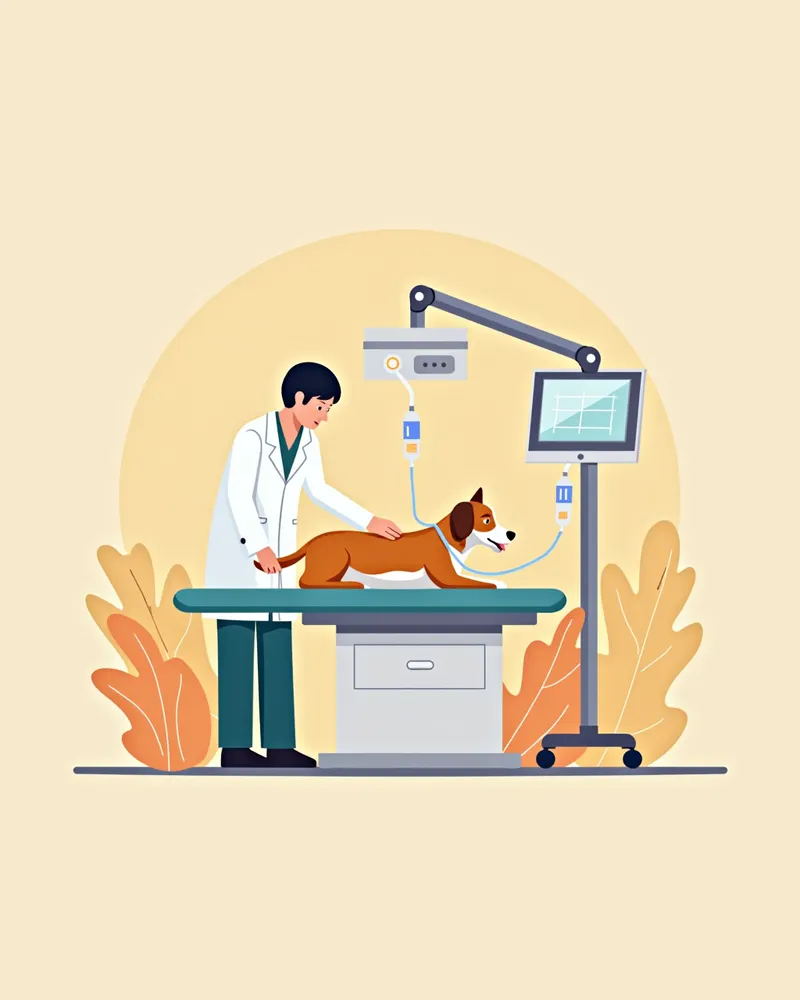
Step 3: Fluid Therapy: Intravenous fluids are administered to protect the kidneys and help eliminate toxins.
Step 4: Blood Transfusion: If severe anemia is confirmed, a transfusion of packed red blood cells will be given.
Step 5: Organ Monitoring: The pet will be hospitalized and monitored until liver and kidney values stabilize.
A dog receiving intravenous fluids for zinc poisoning treatment

Post-Discharge Home Care Points

Maintain calm and stability: For the first 1–2 weeks after discharge, avoid strenuous exercise and provide a quiet environment. It is important to minimize oxygen demand while recovering from anemia.
Regular blood tests: Be sure to have blood tests performed according to your veterinarian’s schedule. Ongoing monitoring is necessary until liver and kidney values return to normal.
Completely eliminate zinc exposure: Keep coins, zinc ointments, and metal parts out of your dog’s reach at home.

Higher Risk for Small Breeds and Puppies

The lighter the dog, the more severe the zinc toxicity from the same amount. Small dogs (under 5 kg) and puppies can develop life-threatening anemia from ingesting just one coin. Extra caution is needed for small breeds such as Chihuahuas, Pomeranians, and Maltese.

Zinc Poisoning Prevention — Home Inspection Checklist
Coin management: Put away any coins that might be rolling around in your wallet or tucked into sofa crevices. Dogs are naturally drawn to shiny objects.
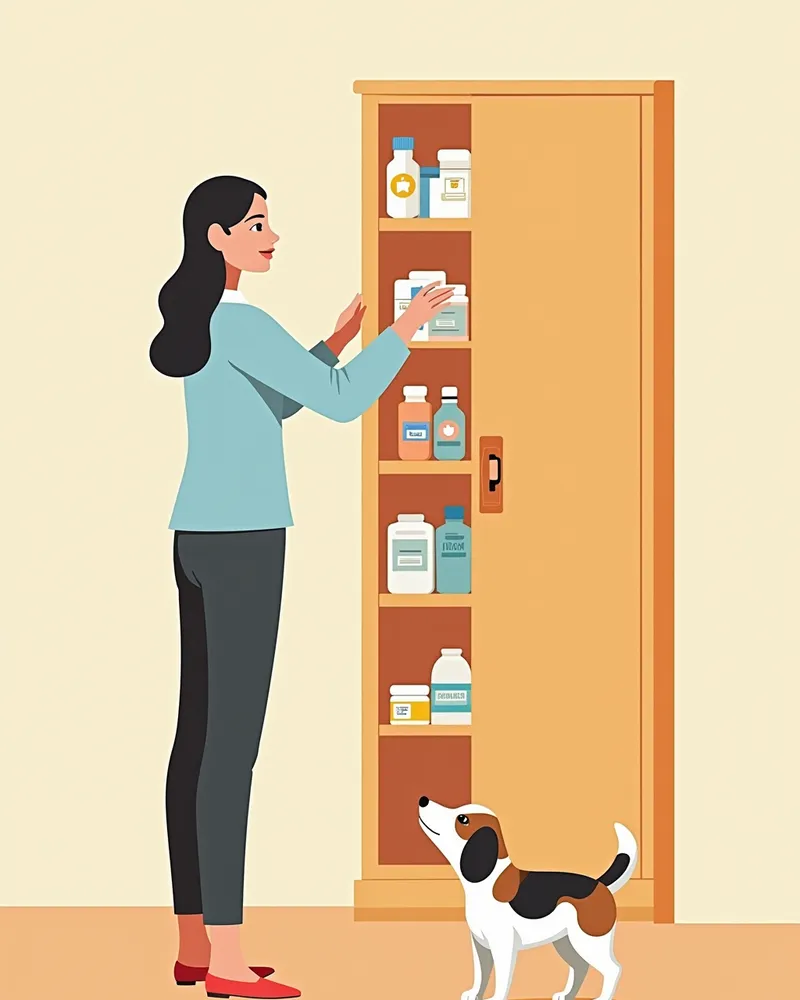
Storing ointments and creams: Always keep diaper rash creams and sunscreens containing zinc oxide in locked drawers.
Caution with metal parts: After any DIY or repair work, thoroughly clean up to ensure no nuts or bolts are left behind on the floor.
Checking supplements: Never give human zinc supplements to dogs. Even with dog-specific supplements, always check the label and avoid over-supplementation.
Pet owners who store hazardous substances in locked containers to prevent zinc poisoning in dogs

Reviewed by a veterinarian

Dr. Tony — Punnawat Phongkittirak

Dr. Tony — Punnawat Phongkittirak

Veterinarian

A veterinarian who majored in veterinary medicine at Khon Kaen University, Thailand, and completed the IVSA program at North Carolina State University in the United States. Drawing on clinical experience at animal hospitals, he works in the pet healthcare field and is dedicated to building a digital care environment that connects pet parents with veterinarians.

Frequently Asked Questions

My dog swallowed a coin. Is it safe to induce vomiting at home?
Inducing vomiting at home on your own can be dangerous. Metal objects can scratch the esophagus again, and using improper methods can lead to even bigger problems. It’s important to contact an animal hospital first, follow their instructions, and get there quickly.
Can a pet fully recover after treatment for zinc poisoning?
Most pets make a full recovery if the condition is detected and treated early. However, in cases of severe anemia or organ damage, the recovery period may be prolonged, and some functions may not fully return. Early detection and prompt treatment are crucial in determining the prognosis.
Do I really need to visit the vet if there are no symptoms?
Yes, it’s absolutely necessary to go. Even if there are no symptoms immediately after swallowing zinc, it continues to dissolve in the stomach and gets absorbed, which can lead to sudden worsening of symptoms hours or even days later. It’s most important to confirm the location of the foreign object with an X-ray and remove it as quickly as possible.
Is it dangerous if my dog licked sunscreen or diaper cream?
If your pet licks a small amount of a zinc oxide (ZnO) product, symptoms are usually limited to mild gastrointestinal upset, such as vomiting or diarrhea. Even in cases of acute exposure from ingesting a large quantity at once, the primary effects are typically gastrointestinal irritation. However, repeated exposure or ingestion of products with high zinc content can pose a risk of systemic zinc toxicity. For safety, check the product’s ingredient list and consult your veterinarian.
How much is too much to be dangerous? Is there a specific guideline?
The risk varies significantly depending on your dog’s weight and the form of zinc ingested. Even a single penny (approximately 2.5 grams) can cause zinc poisoning in most dogs, and small breeds weighing less than 5 kg are at risk from even smaller amounts. Regardless of the amount consumed, if you suspect your dog has ingested a zinc-containing object, the safest course of action is to have them evaluated by a veterinarian.

Share

Related Guides

References

[1] Peterson M.E., Talcott P.A. (Eds.), Small Animal Toxicology, 3rd Edition, in Blackwell's Five-Minute Veterinary Consult Clinical Companion, Wiley-Blackwell, 2013

[2] Schaer M. (Ed.), Clinical Medicine of the Dog and Cat, 4th Ed, CRC Press, 2022

[3] Plumb D.C., Plumb's Veterinary Drug Handbook, 10th Ed, Wiley-Blackwell, 2023

This information is based on veterinary literature and does not replace diagnosis or treatment. Please consult a veterinarian for specific health concerns.

Metapet Co., Ltd. | CEO: Park Sung-yong | Business Reg. No. 417-88-02562 | Seoul, South Korea | Customer Center

Dog Swallowed a Coin? Zinc Poisoning Signs & Prevention | Meongsiljang