

Roundworm Infection in Dogs: Symptoms, Transmission Routes, and Treatment & Prevention Methods
Roundworm infection in dogs is caused by Toxocara canis, an internal parasite that lives in the small intestine and poses a particular risk to puppies. We’ve compiled information on transmission routes, symptoms, and deworming methods based on veterinary advice.
What is Roundworm Infection in Dogs?

Three Transmission Routes for Roundworm Infection in Dogs
Checklist of Major Symptoms of Roundworm Infection
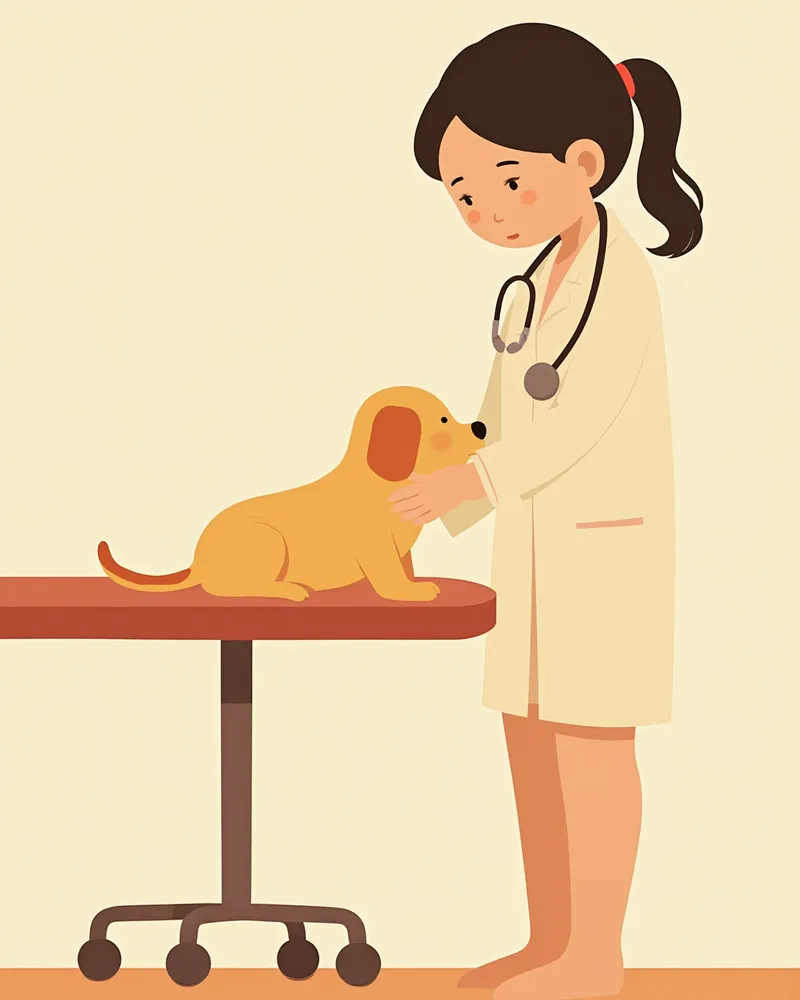
See a Vet Immediately If You Notice These Symptoms
If vomiting or diarrhea persists for more than a day, or if you see white worms in the vomit or stool, take your pet to a veterinary clinic immediately. In puppies under 8 weeks of age, the simultaneous appearance of abdominal distension, coughing, and lethargy may indicate a heavy parasitic infection. Because larvae migrate through the lungs in young puppies, potentially causing lung lesions and respiratory symptoms, it is safest to seek veterinary care without delay.
Diagnostic Methods at the Veterinary Clinic
Treatment Methods — Types of Dewormers and Usage Principles

Home Care — Preventing Reinfection is Key

Essential Checks for Puppies and New Adopters
Even if your newly adopted puppy has been dewormed at the breeder or shelter, dormant larvae may still remain. For safety, have a fecal exam performed at a veterinary clinic shortly after adoption. Deworming a pregnant mother dog does not fully eliminate larvae that have migrated into her muscles, so both the mother and her puppies require separate deworming treatments.
Reviewed by a veterinarian

Dr. Tony — Punnawat Phongkittirak
VeterinarianA veterinarian who majored in veterinary medicine at Khon Kaen University, Thailand, and completed the IVSA program at North Carolina State University in the United States. Drawing on clinical experience at animal hospitals, he works in the pet healthcare field and is dedicated to building a digital care environment that connects pet parents with veterinarians.
Reviewed 2026-05-29
Frequently Asked Questions
Can roundworms in dogs be transmitted to humans?
I found roundworms in my pet’s stool after deworming. Is this normal?
When should I start deworming my puppy?
Will Pyrantel dewormer also eliminate pinworms?
Does the absence of symptoms mean there are no roundworms?
Share
Related Guides

5 Flea and Tick Preventives for Cats Recommended by Veterinarians — Ingredient Safety Comparison

The Ultimate Guide to Differentiating Symptoms, Managing Internal Parasites in Dogs, and Choosing the Best Products

Best Practices and Selection Criteria for Dog Heartworm Antigen Testing

Canine Diabetes: Symptoms, Diagnosis, Treatment, and a Lifetime Guide to Diet and Management
If Your Dog Has Persistent Diarrhea and Weight Loss — Signs of Lymphangiectasia and Protein-Losing Enteropathy

Dog Eats Well But Is Thin — Causes of Exocrine Pancreatic Insufficiency (EPI) and Timing of Enzyme Therapy
Canine Gallbladder Mucocele: Symptoms, Causes, Diagnosis, Treatment, and Care Essentials
Bloated Abdomen and Unproductive Retching — Emergency Warning Signs and Prevention of Gastric Dilatation-Volvulus (GDV)

Dog Inflammatory Bowel Disease: Symptoms, Causes, Diagnosis, Treatment, and Management Essentials
Canine Myasthenia Gravis: Symptoms, Causes, Diagnosis, Treatment, and Management Essentials
References
[1] Schaer M. et al., Clinical Medicine of the Dog and Cat, 4th Edition, CRC Press, 2022
[2] Little S.E. (ed.), The Cat: Clinical Medicine and Management, 2nd Edition, Elsevier, 2022
[3] Bowman D.D. et al., Principles and Practices of Canine and Feline Clinical Parasitic Diseases, Wiley-Blackwell, 2021
[4] Aspinall V. & Cappello M., The Veterinary Workbook of Small Animal Clinical Cases, CRC Press, 2018