Like
Share
멍실장
고양이 쥐약살서제중독 증상과 응급 대처법, 위험 섭취량과 예방까지 총정리

If Your Cat Ingested Rat Poison — From Bleeding Symptoms to Detox, Emergency Care, and Prevention

Emergency/ToxicityDiseasesMeongsiljang Veterinary Advisory Board

When you suspect your cat has ingested rat poison (rodenticide) directly or consumed a poisoned rodent, we’ve outlined the symptoms by type of rodenticide, criteria for immediate veterinary care, and post-discharge home care.

What Is Feline Rodenticide Poisoning?

Cautionary Notice on Rat Poison Ingestion in Cats
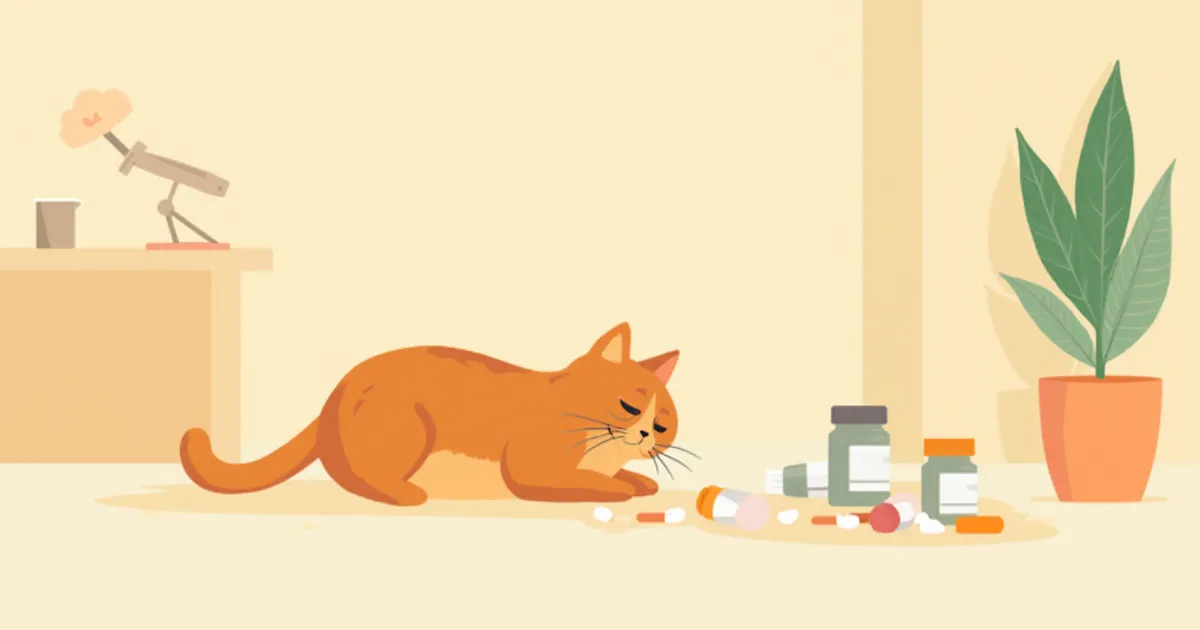
Feline rodenticide poisoning is an emergency condition that occurs when cats ingest toxic chemicals used to eliminate rodents, either directly or by consuming poisoned mice. The most critical point to remember is that with anticoagulant rodenticides, cats may appear perfectly healthy immediately after ingestion, with bleeding symptoms typically emerging 2 to 3 days later, and sometimes even longer. Furthermore, cats are known to be more sensitive to rodenticides than dogs, so you should seek immediate veterinary care if exposure is suspected, even if no symptoms are visible.

Toxic Mechanisms by Rodenticide Type — Why Does the Type Matter?

Symptoms and the timing of their onset vary significantly depending on the type of rodenticide. Anticoagulants (warfarin and brodifacoum families): These interfere with blood clotting, leading to systemic bleeding into body cavities and organs. Symptoms typically appear two to three days after ingestion, making them easy to overlook. First-generation anticoagulants like warfarin usually require repeated ingestion to produce symptoms, whereas second-generation types like brodifacoum can cause symptoms after a single exposure. Bromethalin (neurotoxin): This neurotoxic rodenticide directly attacks the nervous system, causing neurological symptoms such as ataxia and seizures. Cholecalciferol (vitamin D family): This type is known to elevate blood calcium levels, which can damage the kidneys and other organs. Zinc phosphide: This can rapidly trigger gastrointestinal and respiratory symptoms, such as vomiting and difficulty breathing, shortly after ingestion.

Checklist of Symptoms of Feline Rodenticide Poisoning

If you notice any of the following signs, seek veterinary care immediately.
Bleeding from the gums, nose, or ears: This is often the first sign of anticoagulant poisoning.
Blood in the stool or urine: This indicates active bleeding in the gastrointestinal or urinary tract.
Sudden weakness or inability to stand: This may suggest internal bleeding or nerve damage.
Difficulty breathing or pale/blue gums: This could indicate bleeding in the chest cavity, putting pressure on the lungs.
Seizures, tremors, or dilated pupils: These are signs of bromethalin neurotoxin poisoning.
Severe vomiting and abdominal pain: These symptoms appear rapidly in zinc phosphide poisoning.
A veterinarian checking the color of a cat's gums.

Situations Requiring Immediate Visit to a 24-Hour Emergency Veterinary Clinic

If any of the following apply, do not attempt any home treatment and take your pet to an emergency veterinary clinic immediately. Inducing vomiting or offering water or milk can worsen toxicity with certain rodenticides. • You directly observed your pet ingesting rat poison or a dead rat. • Bleeding is visible from any part of the body, including the gums, nose, or anus. • Your pet suddenly becomes unable to walk or collapses. • Seizures, tremors, or decreased consciousness occur.

How Is It Diagnosed at the Clinic?

After reviewing how your pet was exposed, the veterinarian will first perform a blood coagulation test (PT and aPTT) and a complete blood count. Anticoagulant poisoning can be identified relatively quickly because it significantly prolongs blood clotting time. Bromethalin and cholecalciferol poisonings are distinguished through neurological examinations and serum calcium level measurements. If you’re unsure of the type of rodenticide involved, bringing the product packaging or a photo can greatly assist in determining the appropriate treatment plan.

Treatment Methods — Responses by Rodenticide Type
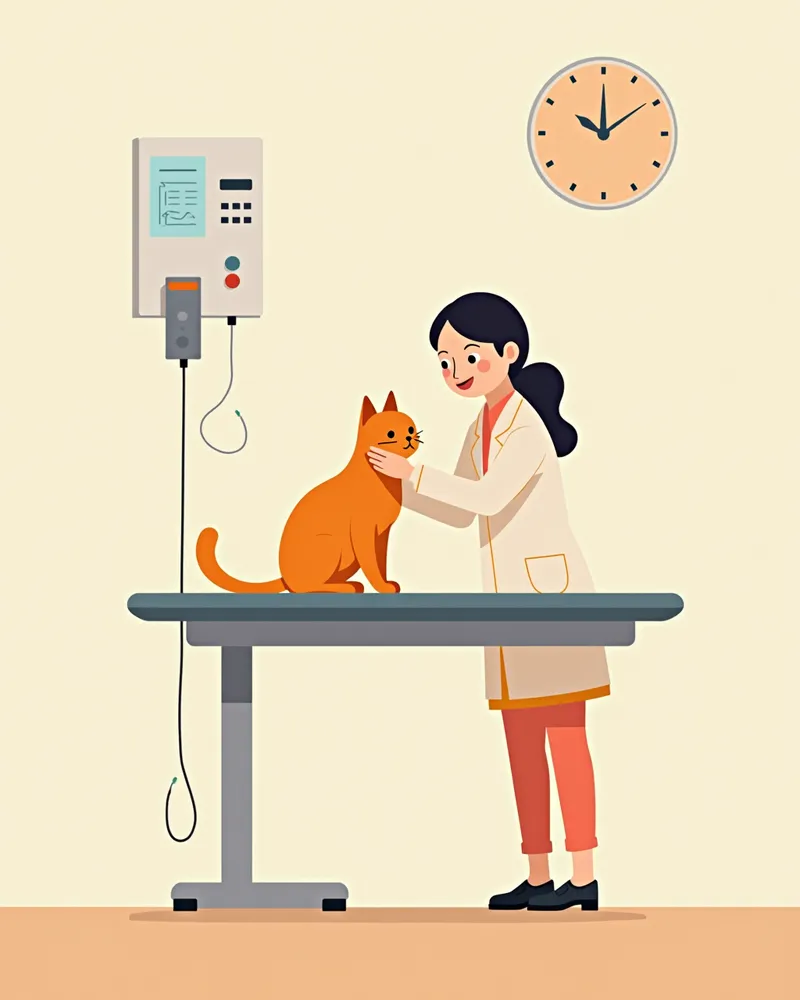
According to veterinary internal medicine textbooks, gastric lavage is only attempted when the pet is asymptomatic immediately after ingestion, and it is not performed once symptoms have appeared.
Anticoagulant poisoning: Vitamin K1 is administered for several weeks. If severe bleeding occurs, blood transfusions may be necessary.
Bromethalin poisoning: Activated charcoal is given to reduce further absorption, and supportive care to control intracranial pressure is continued.
Cholecalciferol poisoning: Intensive treatment with intravenous saline fluids is required to lower blood calcium levels.
Zinc phosphide poisoning: Inducing vomiting is contraindicated; gastric lavage and antacids are used to inhibit the production of toxic gas.
A cat receiving intravenous fluid therapy at a veterinary clinic

Post-Discharge Home Care Points

Treatment for anticoagulant poisoning typically involves administering vitamin K1 for 2 to 4 weeks, though this duration may be extended based on prothrombin time (PT) test results. Inadequate dosage or treatment duration is the most common cause of complications and recurrent bleeding, so stopping medication prematurely can lead to a relapse of hemorrhage.
Adhere to the medication schedule: Complete the full course of treatment as prescribed by your veterinarian.
Ensure rest: Avoid jumping and vigorous play for 1 to 2 weeks after discharge, as the risk of internal bleeding persists.
Monitor for recurrent bleeding: Return to the clinic immediately if you notice pale gums or nosebleeds.
Dietary management: Feed easily digestible food for 2 to 3 days. Contact your veterinarian if a loss of appetite lasts more than two days.

Indoor Cats Must Also Beware of Secondary Poisoning

If a cat eats a mouse that has died or become weakened from ingesting rat poison, the remaining rodenticide in the mouse's body is transferred directly to the cat. This is known as secondary poisoning. Even indoor cats that never go outside can be exposed to secondary poisoning if they catch and bring in a mouse. If rodenticides are being used in your area, it’s important to manage your cat’s hunting behavior.

Prevention Methods — What Owners Can Do

Rat poison poisoning can be fully prevented through environmental management.
Block access: Keep rat poison in sealed areas that cats can never reach.
Choose eco-friendly trapping methods: Snap traps and electronic traps are non-toxic to cats.
Dispose of dead mice immediately: If your cat brings a mouse home, take it away right away and check around its mouth.
Share information with neighbors: In multi-unit housing, notify neighbors in advance when using rat poison so cat owners can stay alert.
A guardian carefully observing their cat

Reviewed by a veterinarian

Dr. Tony — Punnawat Phongkittirak

Dr. Tony — Punnawat Phongkittirak

Veterinarian

A veterinarian who majored in veterinary medicine at Khon Kaen University, Thailand, and completed the IVSA program at North Carolina State University in the United States. Drawing on clinical experience at animal hospitals, he works in the pet healthcare field and is dedicated to building a digital care environment that connects pet parents with veterinarians.

Frequently Asked Questions

Is it dangerous if a cat ingests even a small amount of rat poison?
Even tiny amounts can be dangerous. Second-generation anticoagulants like brodifacoum are especially lethal to cats, as even minuscule doses relative to their body weight can be fatal. Assuming “a little bit won’t hurt” is the most dangerous mindset. If exposure is suspected, seek immediate veterinary care regardless of whether symptoms are present.
Should I induce vomiting at home or give my pet water or milk?
No, you shouldn’t. Some insecticides, such as zinc phosphide, can become more toxic when they react with moisture. Inducing vomiting by poking the throat with a finger, or forcing the pet to drink water, milk, or eat food, can worsen the condition. The safest course of action is to keep the pet fasting and head to the clinic immediately.
It's been a few days since they ate it. Should I take them to the vet now?
Yes, you should go to the vet now. Anticoagulant rodenticides often don't cause bleeding symptoms until 2–3 days after ingestion, and sometimes even longer. Even if there are no symptoms yet, a blood clotting test (PT) should be performed within a few days of exposure. If bleeding is already visible, seek emergency veterinary care immediately.
Can a cat become poisoned if it eats a mouse that has ingested poison?
Yes, it's called secondary poisoning. If a cat eats a mouse that has died or become weakened from consuming rat poison, the remaining toxic substances in the mouse's body are transferred to the cat. The symptoms are the same as those from direct ingestion, and emergency treatment is equally necessary.
What should I do if I don’t know which insecticide my pet ingested?
Bringing the product packaging, photos, or the product name to the clinic can help us quickly determine the appropriate treatment plan. If you don’t have this information, the veterinarian will estimate the type of flea and tick product based on symptoms and blood test results to guide treatment. Even if you can’t find the product, seeking veterinary care immediately is the most important step.

Share

Related Guides

References

[1] Means C. et al., Blackwell's Five-Minute Veterinary Consult Clinical Companion: Small Animal Toxicology, 3rd Edition, Wiley-Blackwell, 2024

[2] Schaer M. (ed.), Clinical Medicine of the Dog and Cat, 4th Ed, CRC Press, 2022

[3] Plumb D.C., Plumb's Veterinary Drug Handbook, 10th Ed, Wiley-Blackwell, 2023

[4] Drobatz K.J. et al., Feline Emergency and Critical Care Medicine, 2nd Ed, Wiley-Blackwell, 2020

This information is based on veterinary literature and does not replace diagnosis or treatment. Please consult a veterinarian for specific health concerns.

Metapet Co., Ltd. | CEO: Park Sung-yong | Business Reg. No. 417-88-02562 | Seoul, South Korea | Customer Center

Cat Ate Rat Poison? Bleeding Signs, Detox & Emergency Care | Meongsiljang