
Like
Share
멍실장
고양이 이소성 박동 증상과 원인, 진단·치료와 관리 포인트 총정리

If Your Cat’s Heart Is Beating Irregularly — Warning Signs of Ectopic Beats and When to Visit the Vet

HeartDiseasesMeongsiljang Veterinary Advisory Board

Feline ectopic beats are abnormal heart rhythms caused by irregular electrical signals in the heart. Early diagnosis and management are essential.

What Are Feline Ectopic Beats?
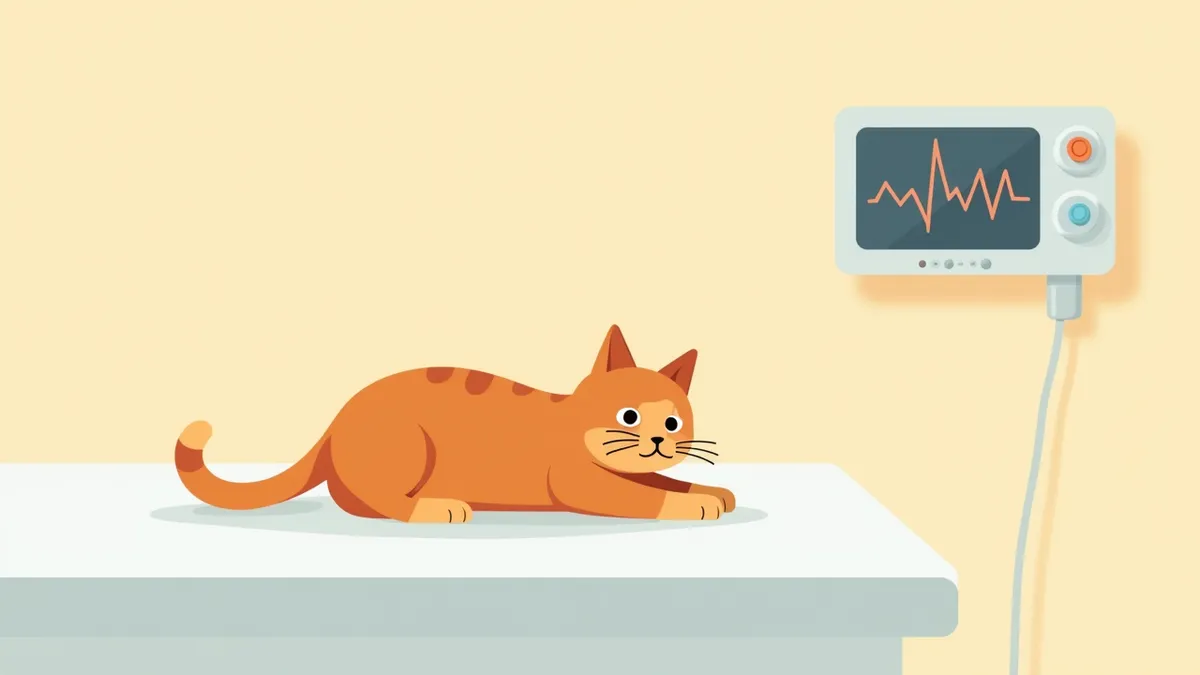
A cat showing irregular heartbeats on the cardiac monitor
Feline ectopic beats are abnormal heart rhythms caused by irregular electrical signals in the heart. - Ectopic beats: This condition occurs when premature electrical impulses originate from a specific area of the heart, disrupting the normal rhythm. These episodes can be transient or recurrent and may pose a risk of progressing to serious heart disease. - Arrhythmia: The heartbeat may feel too fast, too slow, or as if it suddenly skips a beat. - Importance of early diagnosis: Because symptoms can be subtle or entirely absent, regular veterinary check-ups are essential. - Need for long-term management: Early detection and consistent care are key to maintaining your cat’s long-term health and quality of life.

What Are the Main Causes of Ectopic Beats?
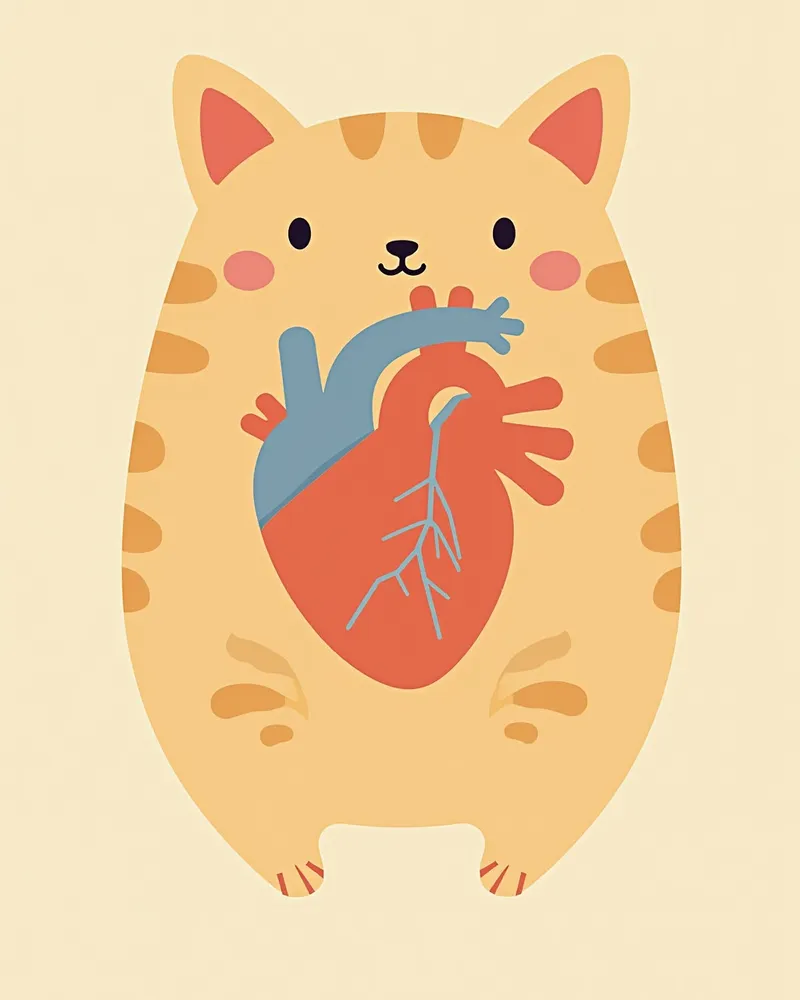
There are many possible causes of ectopic beats in cats. - Heart disease, such as cardiomyopathy: Conditions that alter the heart muscle, such as hypertrophic, restrictive, or arrhythmogenic cardiomyopathy, are common causes. Cardiomyopathy is also the most prevalent heart disease in cats. - Electrolyte imbalances: Disruptions in electrolyte levels, such as potassium, can interfere with the heart’s electrical signaling and lead to arrhythmias. - Hormonal disorders: Hyperthyroidism (excess thyroxine) can trigger arrhythmias like supraventricular tachycardia in cats. - Myocarditis and infiltrative diseases: Inflammation of the heart muscle or infiltrative conditions can also underlie abnormal heartbeats. - Hypoxia and ischemia: Conditions that strain the heart muscle, such as oxygen deprivation or ischemia, can also be contributing factors. Identifying the underlying cause is the first step toward effective treatment.
An anatomical diagram showing the areas in a cat’s heart where abnormal electrical signals originate

Check for Key Symptoms and Signs

Feline ectopic beats may present with mild or even no symptoms. However, you should carefully watch for the following signs:
Irregular heartbeat: The heart rate may feel fast, slow, or as if it suddenly skips a beat.
Lethargy: Your cat may seem sleepier than usual, less interested in play, or less active.
Difficulty breathing: You may notice panting or rapid breathing.
Fainting or dizziness: Your cat may suddenly collapse or appear unsteady and wobbly.
Decreased appetite: Your cat may refuse treats or eat only small amounts.
If these symptoms recur, consult your veterinarian immediately.
A cat showing weakness and difficulty breathing

When Immediate Veterinary Visit Is Necessary

If your cat faints, experiences severe difficulty breathing, or has a very irregular and persistent heartbeat, it is an emergency. In such cases, you should go to the vet immediately. Abnormal heartbeats can lead to cardiac arrest or heart failure, so quick action can save your cat's life.

Diagnostic Tests for Accurate Diagnosis
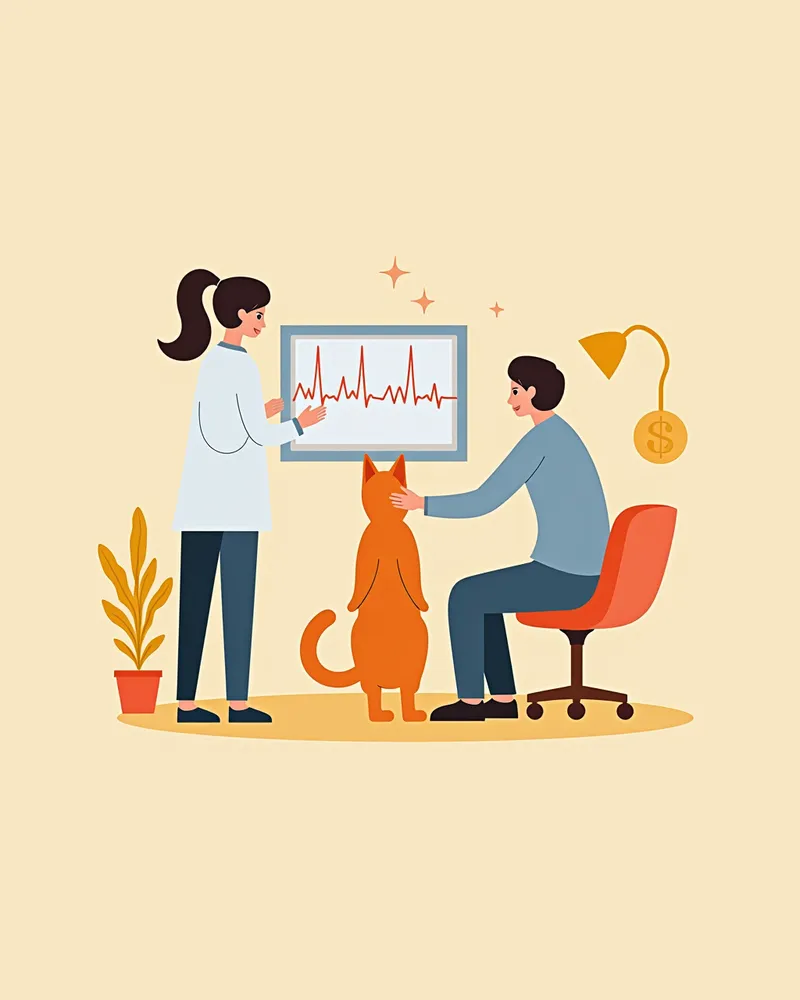
Accurately diagnosing ectopic beats in cats requires a combination of tests. - Electrocardiogram (ECG): This is the key test for identifying the location and frequency of abnormal electrical signals. - Echocardiography: This evaluates the heart’s structure and function in real time. - Blood tests: These check for electrolyte imbalances or endocrine disorders. - 24-hour cardiac monitoring (Holter): This continuously records changes in heart rhythm during daily activities. Electrophysiological studies are considered only in severe cases. A comprehensive approach is necessary for an accurate diagnosis.
A veterinarian performing an electrocardiogram on a cat

Treatment Methods and Step-by-Step Management
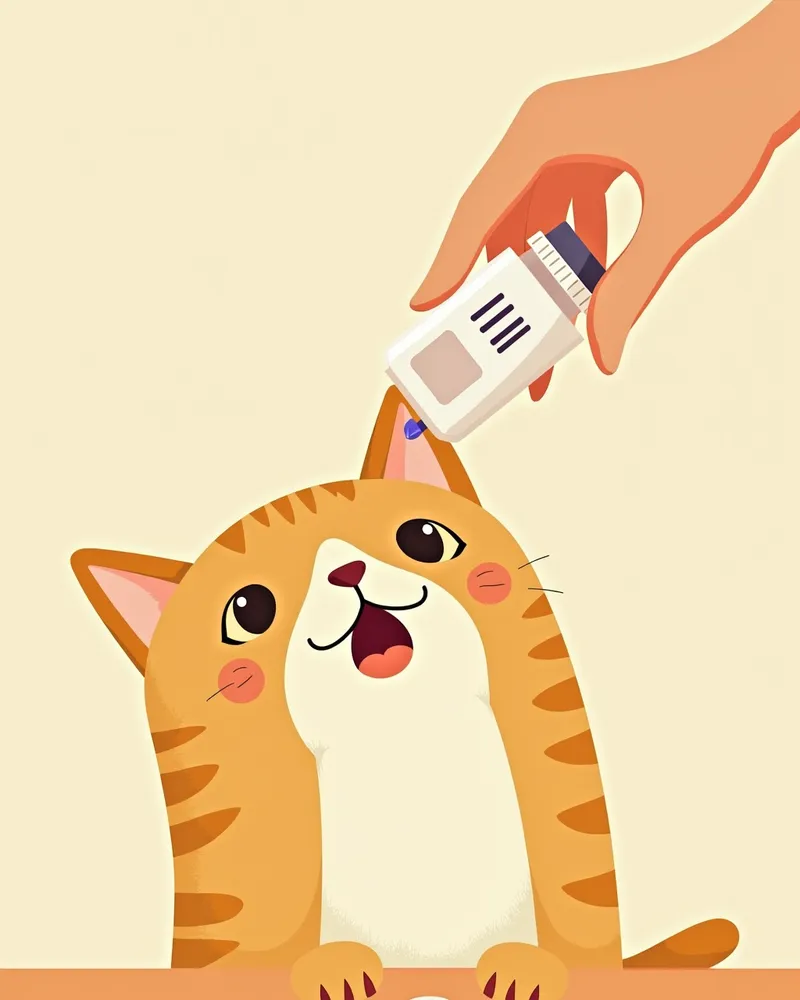
Treatment varies depending on the underlying cause and severity. - Antiarrhythmic medication: In severe cases, medication is prescribed to stabilize the heart rhythm. - Treating underlying conditions: If an electrolyte imbalance is present, supplementation is provided; if hormonal abnormalities are detected, concurrent management therapy is administered. - Medication adjustment: Dosages are gradually adjusted under veterinary guidance. - Regular check-ups are essential: Periodic cardiac examinations are necessary throughout the course of treatment. - Lifestyle management: Minimize stress and maintain a routine of regular meals and exercise. Successful treatment begins with consistent care.
A cat taking medication prescribed by a veterinarian

Home Care Points

Managing ectopic beats in cats at home is crucial. - Minimize stress: Keep the environment quiet and reduce external stimuli. - Adhere to medication schedules: Administer medication at the prescribed times and set alarms to avoid missing doses. - Maintain daily logs: Record changes in heart rhythm, activity levels, and appetite in a journal-like format. - Strengthen communication with your veterinarian: Consult your vet immediately if you notice any changes in symptoms. - Maintain environmental stability: Keep a consistent routine to prevent disruptions in your cat’s daily life. Consistent care helps safeguard their health.
A notebook for recording your cat’s heart condition and medication schedule

Breed-Specific Precautions and Prevention of Recurrence

Ectopic beats in cats are often associated with cardiomyopathies, including hypertrophic cardiomyopathy. Therefore, it is advisable for cats at risk of heart disease to undergo regular cardiac examinations. Additionally, never abruptly discontinue antiarrhythmic medications; dosage adjustments should always be made gradually under veterinary guidance. To prevent recurrence, stress management, consistent follow-up examinations, and healthy lifestyle habits are essential. Since transient but frequent arrhythmias can lead to impaired cardiac function or sudden death, please consult your veterinarian immediately if you notice any changes.

Reviewed by a veterinarian

Dr. Tony — Punnawat Phongkittirak

Dr. Tony — Punnawat Phongkittirak

Veterinarian

A veterinarian who majored in veterinary medicine at Khon Kaen University, Thailand, and completed the IVSA program at North Carolina State University in the United States. Drawing on clinical experience at animal hospitals, he works in the pet healthcare field and is dedicated to building a digital care environment that connects pet parents with veterinarians.

Frequently Asked Questions

Can ectopic beats in cats be treated?
Depending on the underlying cause and severity, symptoms can be stably managed with antiarrhythmic medications, treatment of the underlying condition, and lifestyle adjustments. However, since there is often no definitive cure, early detection and consistent management are key.
Can frequent ectopic beats lead to heart failure?
While a temporary irregular heartbeat doesn't immediately lead to cardiac arrest, repeated episodes can result in decreased heart function or, in rare cases, sudden death. It's important to have your pet examined right away.
Will giving the medication cause any side effects?
While side effects are uncommon, your pet may experience nausea, loss of appetite, or drowsiness. Please contact your veterinarian immediately if you notice any unusual symptoms.
Is your cat experiencing an abnormal heartbeat?
Cats generally don’t show obvious symptoms. You may notice changes in behavior such as lethargy, difficulty breathing, or fainting.
How often should I schedule regular check-ups for my pet?
If a heart condition is suspected, it’s best to have your cat examined regularly at intervals set by your veterinarian. Senior cats or those at higher risk for heart disease may need more frequent check-ups. Since a standard ECG captures only a brief snapshot of heart activity, a 24-hour Holter monitor may be used when needed to more accurately assess arrhythmias.

Share

Related Guides

References

[1] Schriefl S, Steinberg TA, Matiasek K, et al. Etiologic classification of seizures, signalment, clinical signs, and outcome in cats with seizure disorders: 91 cases. Vet Med A 2008;233(10):1591-7.

[2] Coates JR, Bergman RL. Seizures in young dogs and cats: pathophysiology and diagnosis. Compendium 2005:447-59.

[3] The Cat, Clinical Medicine and Management, 2nd Edition. Blackwell Publishing, 2015.

This information is based on veterinary literature and does not replace diagnosis or treatment. Please consult a veterinarian for specific health concerns.

Metapet Co., Ltd. | CEO: Park Sung-yong | Business Reg. No. 417-88-02562 | Seoul, South Korea | Customer Center

Cat's Heart Beating Irregularly? Ectopic Beat Warning Signs | Meongsiljang