

How Much Can a Cat with Heart Disease Move? — Exercise Restriction and Safe Daily Management Tips
Exercise restriction for cats with heart disease means reducing their activity level due to impaired cardiac function. Early detection and proper management are key to improving survival rates.
Exercise Restriction for Cats with Heart Disease Is Activity Regulation Due to Impaired Cardiac Function

The Main Cause of Exercise Restriction Is Structural Abnormalities and Functional Decline of the Heart
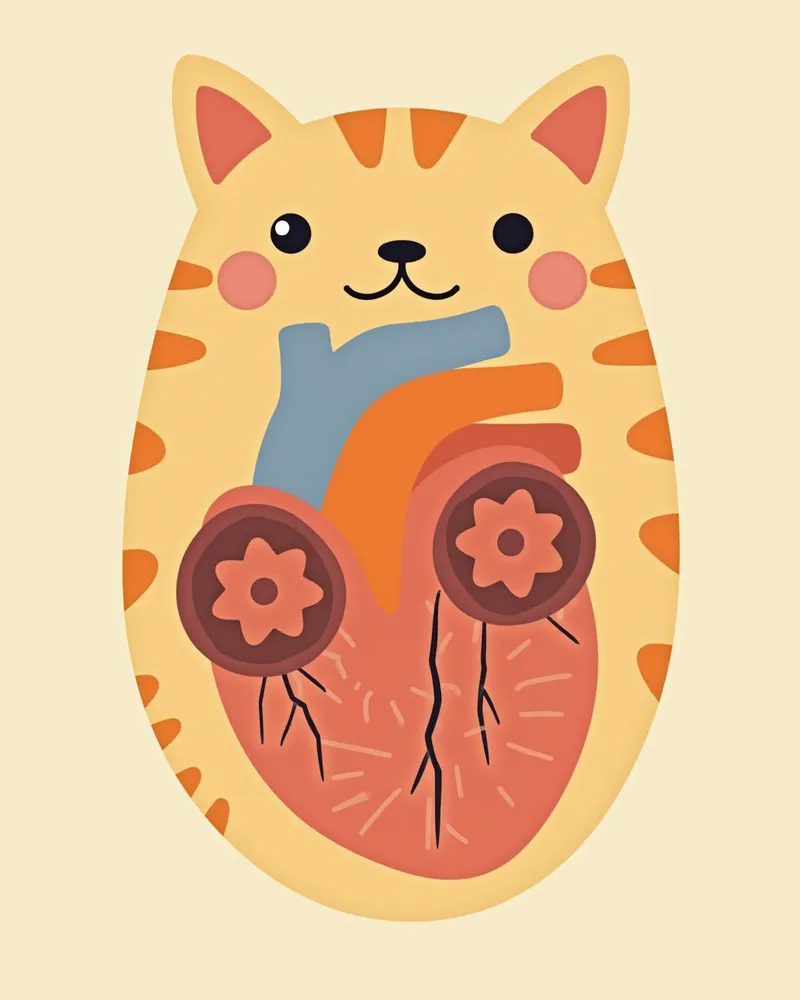
Checklist of Major Symptoms Causing Exercise Restriction

Echocardiography and ECG Testing Are Essential for Accurate Diagnosis
Diagnosing exercise restrictions due to feline heart disease involves echocardiography (cardiac ultrasound) and electrocardiogram (ECG) testing. - Echocardiography: This test precisely evaluates the heart’s structure, size, and pumping function to determine if cardiac function is impaired. - Electrocardiogram (ECG): This helps detect abnormal heart rhythms or arrhythmias. - Blood tests: These measure cardiac enzyme levels to assist in assessing potential heart damage. - X-rays: These are used to check for pulmonary edema or changes in heart size. - Veterinarian’s assessment: The veterinarian synthesizes results from multiple tests to make an accurate diagnosis, which serves as the essential foundation for developing a treatment plan.
Treatment Is Carried Out in Stages with Medication and Lifestyle Adjustments
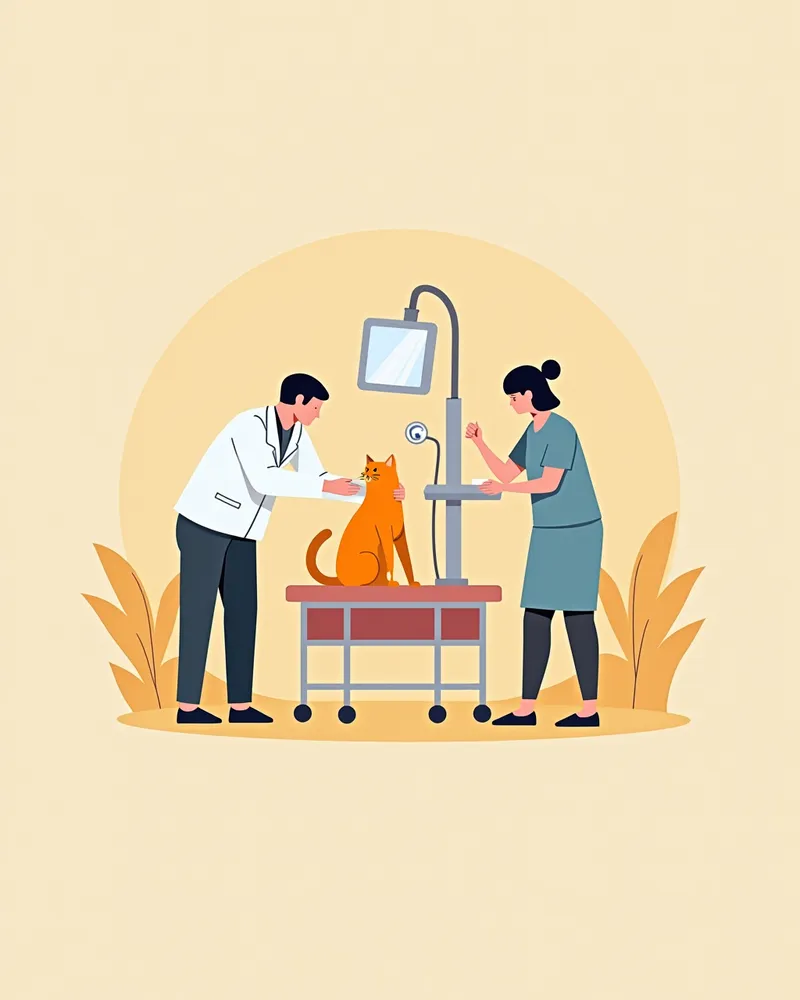
Home Management Focuses on Stress Reduction and Regular Monitoring

Home Management Focuses on Stress Reduction and Regular Monitoring

Breed-Specific Precautions: Breeds at High Risk for Ischemic Heart Disease
Maine Coons and Ragdolls are among the breeds most genetically predisposed to hypertrophic cardiomyopathy (HCM). Because these breeds are associated with MYBPC3 gene mutations, they have an elevated risk of developing HCM, making regular cardiac ultrasound screenings essential. For breeding purposes, genetic testing and annual cardiac ultrasound evaluations are recommended, as early detection is key to improving management outcomes.
Reviewed by a veterinarian

Dr. Tony — Punnawat Phongkittirak
VeterinarianA veterinarian who majored in veterinary medicine at Khon Kaen University, Thailand, and completed the IVSA program at North Carolina State University in the United States. Drawing on clinical experience at animal hospitals, he works in the pet healthcare field and is dedicated to building a digital care environment that connects pet parents with veterinarians.
Reviewed 2026-06-03
Frequently Asked Questions
Why is it necessary to restrict exercise?
Will restricting exercise make my cat lonely?
Is the exercise restriction permanent?
How should I adjust my pet’s meals?
Will giving the medication cause any side effects?
Exercise Restriction Guidelines by Stage of Heart Disease
| Item | Exercise Restriction Level | Main Symptoms | Management Points |
|---|---|---|---|
| Mild | No restriction | Asymptomatic or mild difficulty breathing | Regular checkups, stress reduction |
| Moderate | Limited activity | Fatigue after activity, rapid breathing | Medication, short play sessions |
| Severe | Complete restriction | Difficulty breathing/open-mouth breathing, fainting, bluish mouth | Hospital treatment, veterinary monitoring |
Stage-based exercise restriction is determined by the veterinarian's diagnosis.
Share
Related Guides

Coenzyme Q10 Benefits and Administration Guide

Dog Pulmonary Edema Warning — 7 Best Diuretics (Furosemide) for Heart Management

7 Best Prescription Diets for Feline Heart Disease Recommended by Veterinarians — Criteria for Choosing Low-Sodium Food

Did My Dog Ingest Cannabis? — From Poisoning Warning Signs to Emergency Treatment and Prevention

Cat Nicotine Poisoning: Symptoms, Emergency Response, Dangerous Dosage, and Prevention

The Danger of a Single Supplement — Cat Vitamin D Toxicity Symptoms and Emergency Response

Vitamin D Overdose in Dogs — From Kidney Toxicity Warning Signs to Emergency Response and Prevention

If Your Cat Is Exposed to Organophosphates — From Poisoning Symptoms to Emergency Treatment and Detoxification

If Your Cat Ingested Slug Bait — Metaldehyde Poisoning Symptoms and Emergency Response

If Your Dog Ingested Slug Bait — Poisoning Symptoms and Emergency Response
References
[1] The Cat, Clinical Medicine and Management, 2nd Edition. Elsevier, 2020.
[2] Freid KJ, Freeman LM, Rush JE, et al. Retrospective study of dilated cardiomyopathy in dogs. J Vet Intern Med. 2020;35(1):58–67.
[3] Payne JR, Borgeat K, Brodbelt DC, et al. Risk factors associated with sudden death vs. congestive heart failure in cats with hypertrophic cardiomyopathy. J Vet Cardiol. 2015;17(Suppl 1):S318-S328.