
A Complete Guide to Feline Cardiac Ultrasound (Echocardiogram) — From Costs to Result Interpretation
A feline cardiac ultrasound (echocardiogram) is a key diagnostic tool that precisely evaluates the structure and function of the heart. It’s a test recommended by veterinarians, and it plays a vital role in the early detection of heart disease.
Feline cardiac ultrasound (echocardiogram) is a key diagnostic method that precisely evaluates cardiac structure and function.
Main Reasons for Feline Cardiac Ultrasound Testing
Key Symptoms and Signs Assessed in Feline Cardiac Ultrasound
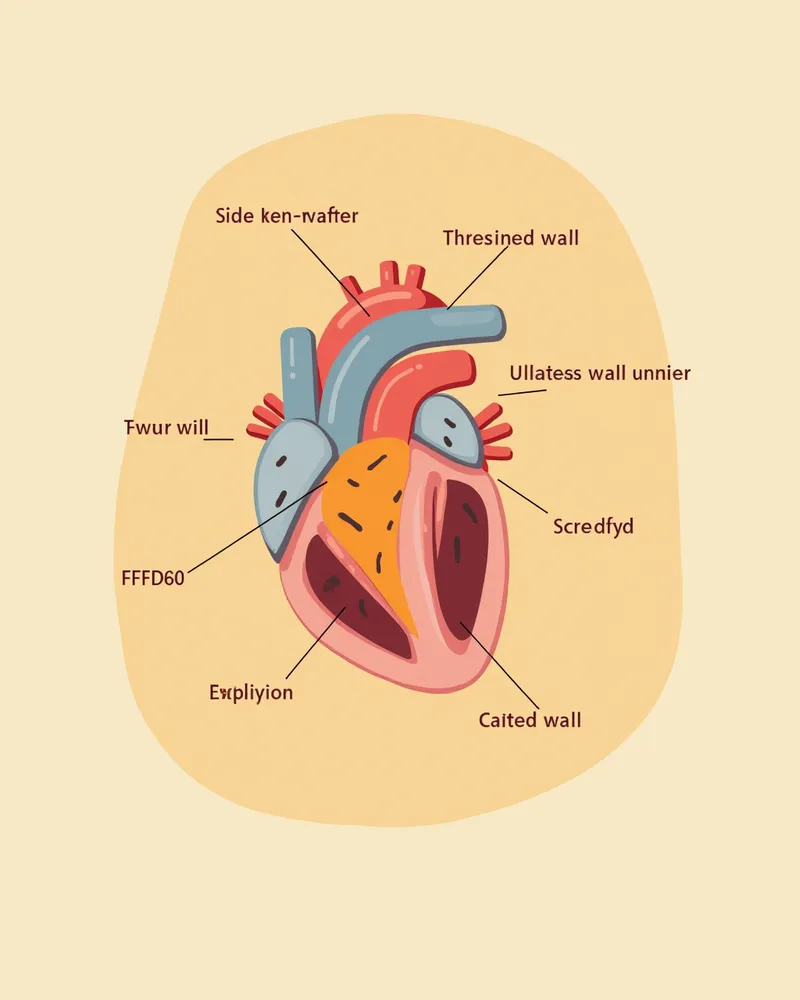
Emergency Signs Requiring Immediate Veterinary Visit
If your cat is panting, has blue-tinged gums, or suddenly collapses, seek veterinary care immediately. These symptoms may indicate a sudden decline in heart function or congestive heart failure (CHF). Early screening is especially important for breeds with known genetic risk factors, such as Maine Coons and Ragdolls, where MYBPC3 gene mutations have been reported.
Diagnostic Procedure and Expected Benefits of Feline Cardiac Ultrasound

Treatment Methods and Step-by-Step Management After Feline Cardiac Ultrasound
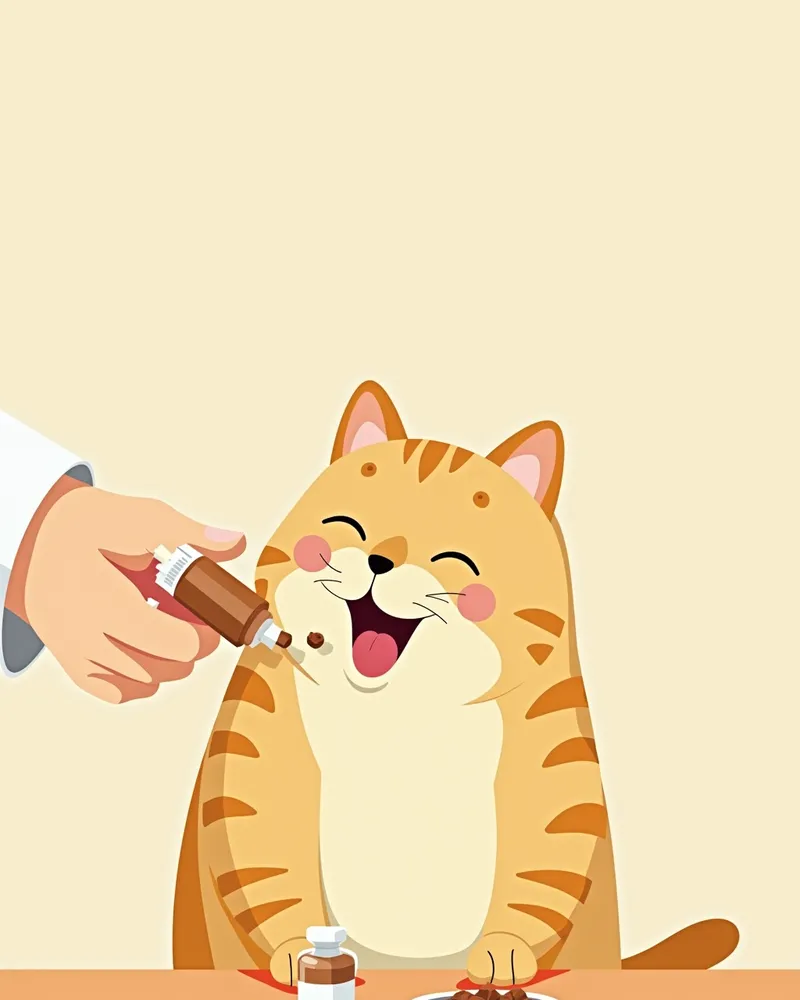
Key Points for Cardiac Health Management at Home

Breed-Specific Cardiac Disease Precautions and Recurrence Prevention
Maine Coons and Ragdolls have been reported to carry MYBPC3 gene mutations, placing them at higher risk for hereditary heart diseases such as hypertrophic cardiomyopathy. Long-haired breeds like Persians are predisposed to congenital heart conditions, such as pericardial diaphragmatic hernia, and require careful monitoring. Early detection is possible through regular cardiac examinations and genetic testing, while medication and lifestyle management are essential to slow disease progression.
Reviewed by a veterinarian

Dr. Tony — Punnawat Phongkittirak
VeterinarianA veterinarian who majored in veterinary medicine at Khon Kaen University, Thailand, and completed the IVSA program at North Carolina State University in the United States. Drawing on clinical experience at animal hospitals, he works in the pet healthcare field and is dedicated to building a digital care environment that connects pet parents with veterinarians.
Reviewed 2026-06-03
Frequently Asked Questions
Does an echocardiogram hurt cats?
Is fasting required before the test?
When will the test results be ready?
How often should an echocardiogram be performed?
My cat has heart disease. Is testing really necessary?
Share
Related Guides

Coenzyme Q10 Benefits and Administration Guide

Dog Pulmonary Edema Warning — 7 Best Diuretics (Furosemide) for Heart Management
7 Best Prescription Diets for Feline Heart Disease Recommended by Veterinarians — Criteria for Choosing Low-Sodium Food

My Dog’s Eye Discharge Is Sticky — Symptoms and Treatment Points for Keratoconjunctivitis Sicca (KCS)

Cyclosporine Treatment for Canine Keratoconjunctivitis Sicca — Efficacy and Lifelong Management Points

If Your Dog’s Eyes Are Red and Bloodshot — Conjunctivitis Symptoms, Causes, and When to Treat

Cataract Surgery (Phacoemulsification) in Dogs: Symptoms, Causes, Diagnosis, Treatment, and Management Essentials
Feline Ocular Ultrasound — Key Points for Diagnosing Cataracts, Tumors, and Retinal Detachment

If Your Cat Keeps Having Sticky Eye Discharge — Causes and Lifelong Management of Keratoconjunctivitis Sicca (KCS)
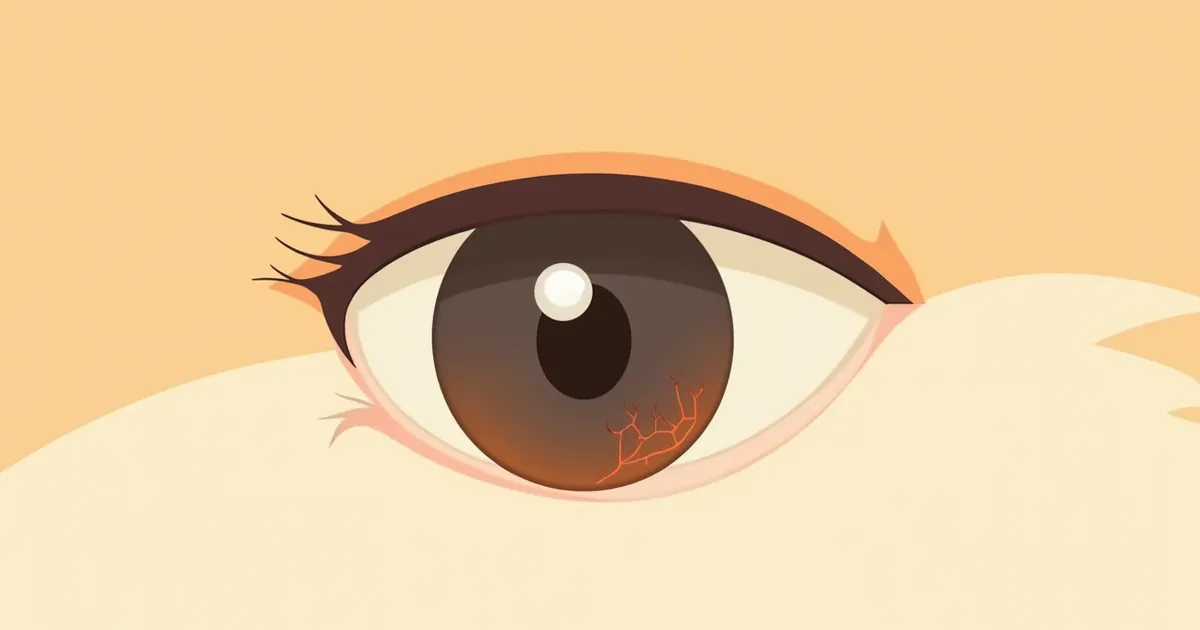
Feline Hypertensive Retinopathy: Symptoms, Causes, Diagnosis, Treatment, and Management Essentials
References
[1] Textbook of Cardiovascular Medicine in Dogs and Cats, 2022
[2] Small Animal Critical Care Medicine, 3rd Ed, 2021
[3] Feline Emergency and Critical Care Medicine, 2nd Ed, 2020