Like
Share
멍실장
고양이 뇌하수체 종양 증상과 원인, 진단·치료와 관리 포인트 총정리

If Your Cat’s Behavior Seems Off — Symptoms, Diagnosis, and Treatment Timing for Pituitary Tumors

EndocrineDiseasesMeongsiljang Veterinary Advisory Board

Feline pituitary tumors are growths that develop in the pituitary gland and can cause a variety of symptoms due to excessive hormone secretion. Early detection and proper management are key.

What Are Feline Pituitary Tumors?

An anatomical image showing the location of the pituitary gland in cats
Feline pituitary tumors are growths that originate in the pituitary gland. Most are benign adenomas and typically occur in mature cats, especially those in middle age or older. Some of these tumors can cause hyperadrenocorticism (Cushing’s disease) by overproducing ACTH, which leads to excessive cortisol production in the adrenal glands. - Excessive hormone secretion: The pituitary gland releases too much ACTH, resulting in hyperadrenocorticism. - Systemic symptoms: Signs include increased thirst, frequent urination, weight changes, and muscle weakness. Diabetes mellitus is also commonly seen in affected cats. - Importance of early diagnosis: Because symptoms develop gradually, early detection plays a key role in effective management. - Chronic nature of the condition: Ongoing treatment and care are necessary, along with regular veterinary check-ups. - Treatment goals: The main focus is on relieving symptoms and improving the cat’s quality of life.

What Are the Main Causes of Pituitary Tumors?

The exact cause of pituitary tumors in cats remains unclear. However, most arise from adenomas of the anterior pituitary lobe, and the clinical signs of related conditions tend to develop gradually in middle-aged cats and older. Therefore, age and hormonal imbalances are considered the primary contributing factors. - Association with age: Pituitary-related conditions such as acromegaly and hyperadrenocorticism are primarily observed in middle-aged to senior cats. - Nature of the tumor: Adenomas of the anterior pituitary lobe are the most common form, with some tumors causing symptoms by excessively secreting ACTH or growth hormone. - Hormonal imbalance: Pituitary dysfunction can lead to the overproduction of hormones associated with the tumor. - Unconfirmed factors: Direct causal links to specific breed predispositions, genetics, or environmental triggers have not yet been sufficiently established.
Microscopic image of feline pituitary tumor tissue

Check for Key Symptoms and Signs

Feline pituitary tumors can manifest through a variety of symptoms. Early detection significantly improves the potential for effective management. Be sure to watch for the following signs:
Excessive thirst and urination: Your cat may drink water frequently and show a sudden increase in urination frequency. These symptoms are particularly pronounced if diabetes mellitus is also present.
Changes in appetite and weight: Appetite may increase or decrease, often accompanied by weight loss.
Hair loss and skin changes: You may notice thinning fur, skin that becomes thin, fragile, and loses elasticity, and prominent abdominal blood vessels.
Muscle weakness: Your cat may have difficulty walking or exhibit weakness in the hind legs.
Behavioral changes: Your cat may appear lethargic or depressed, or display unusual behaviors such as aimless wandering.
If these symptoms persist, please consult your veterinarian immediately.
An image showing excessive thirst and urination as symptoms of pituitary tumors in cats

Symptoms Requiring Immediate Veterinary Visit

If your cat suddenly experiences seizures, loses consciousness, or has persistent severe muscle weakness that makes it difficult to walk, you should go to the hospital immediately. This could be a sign of increased intracranial pressure or brain dysfunction. Since this is an emergency, prompt veterinary care is essential.

Diagnostic Tests
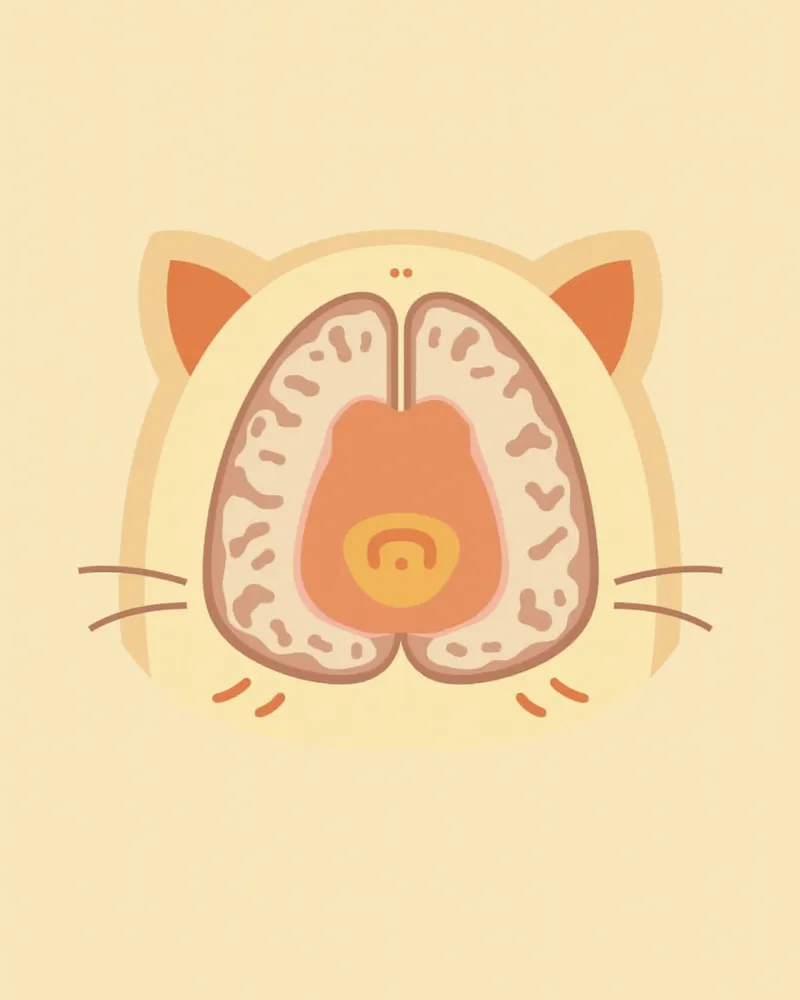
To accurately diagnose a pituitary tumor in cats, multiple tests are performed together. - Blood and urine tests: Hormone levels, especially ACTH and cortisol, are checked to determine if there is an excess of hormones. - Brain imaging tests: MRI or CT scans are used to precisely evaluate the tumor's location, size, and whether it has invaded brain tissue. - High-dose dexamethasone suppression test: This helps assess the tumor's functionality by checking the hormone secretion suppression response. - Neurological evaluation: Behavioral changes, muscle weakness, seizures, and other neurological symptoms are closely observed. - Tumor type classification: A combination of biopsy results and imaging findings is used to determine whether the tumor is benign or malignant.
MRI images of a cat's pituitary tumor

Treatment Options and Step-by-Step Approach
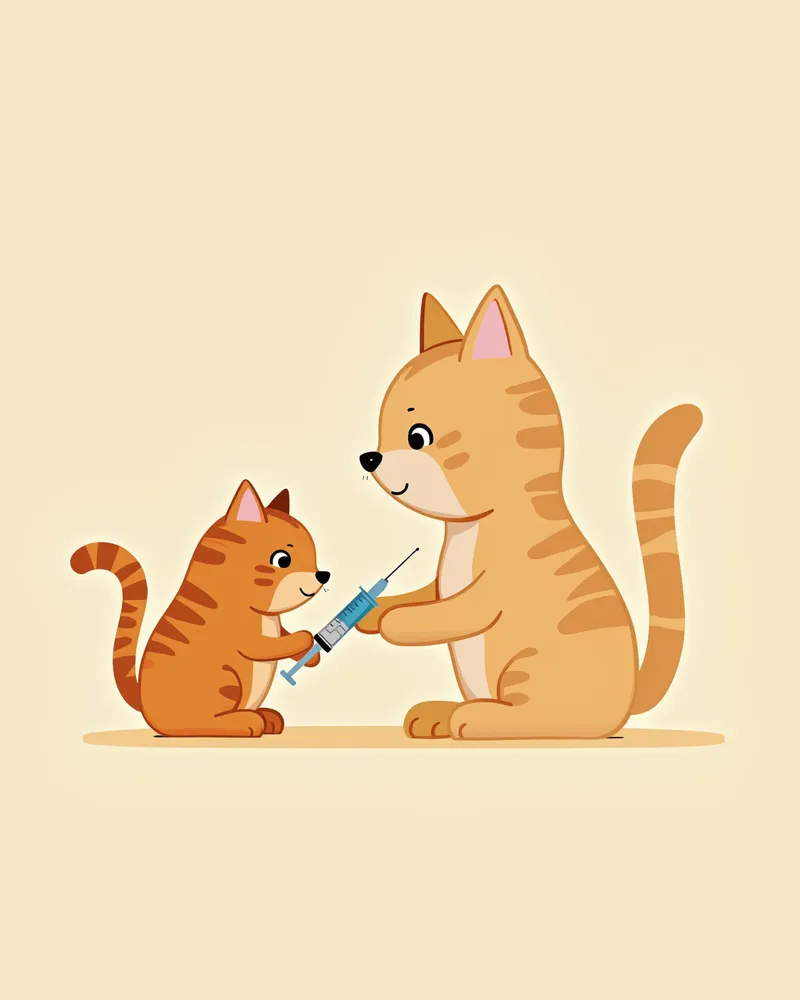
Treatment depends on the tumor’s size and location, as well as the cat’s overall health. Medications such as trilostane or mitotane can be used to suppress or reduce cortisol production in the adrenal glands. Surgery (hypophysectomy) is an option if the tumor is not too large or invasive, but it is a complex procedure that requires an experienced veterinary team and advanced imaging facilities. If neurological symptoms are present, megavoltage radiation therapy is typically the first choice. Treatment is ongoing, and regular check-ups are essential to monitor your cat’s condition.
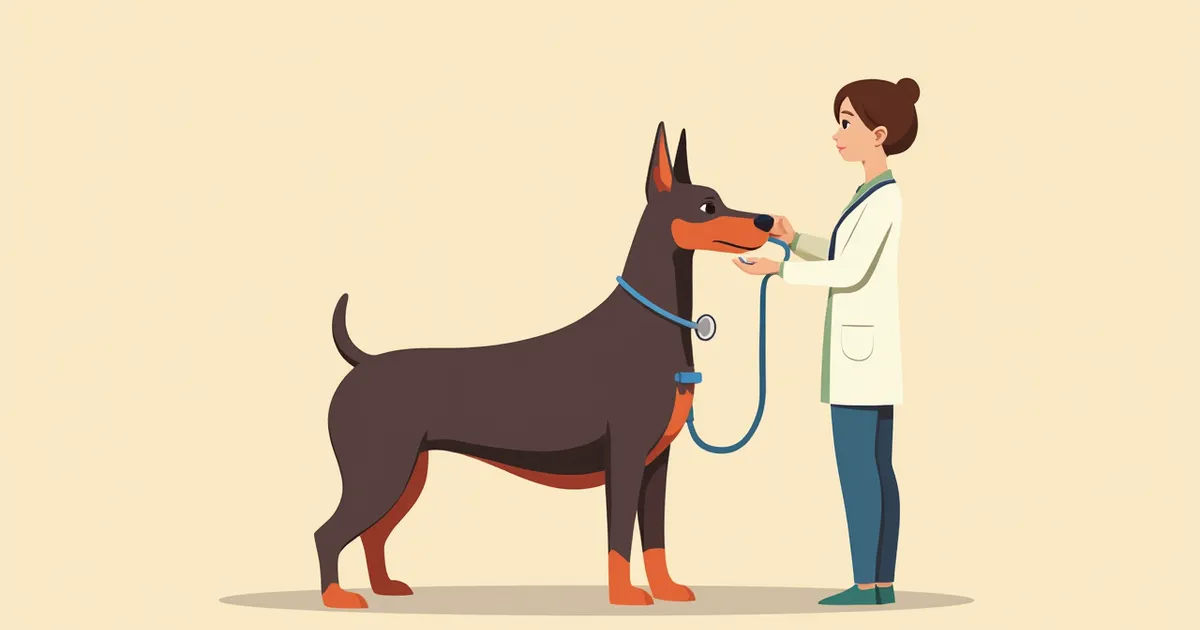
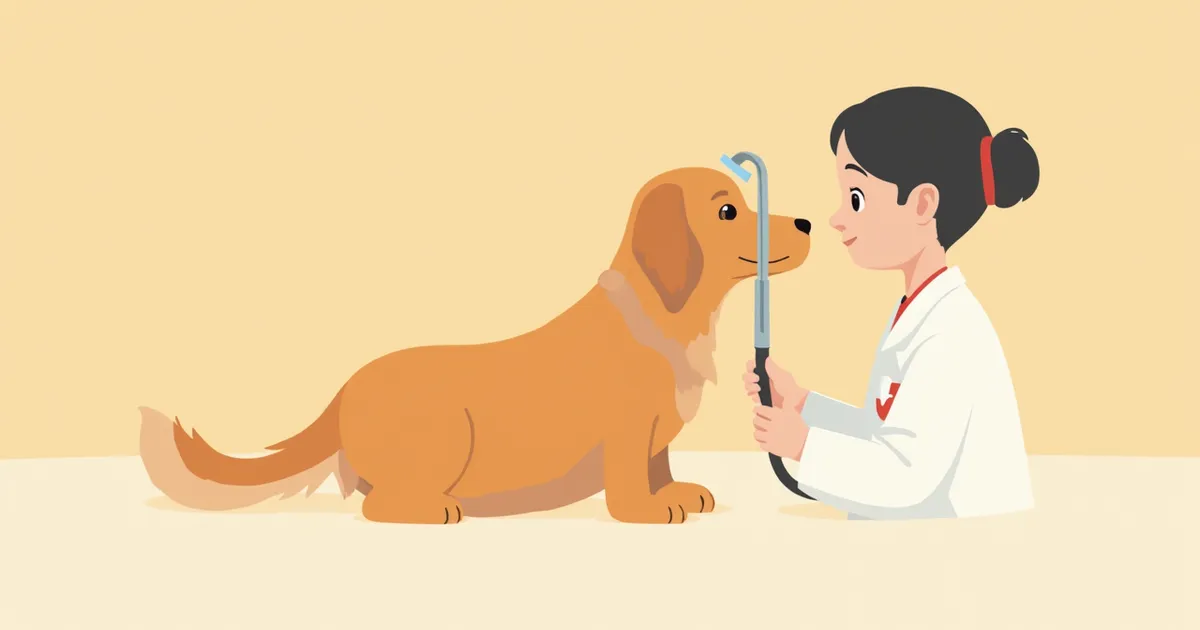
A veterinarian administering medication to a cat

Home Care Points

Feline pituitary tumors are chronic conditions that require ongoing management, and proper care at home plays a significant role in treatment success. - Medication adherence: Administer medication exactly as prescribed, at the correct times and dosages. Missing doses can lead to a recurrence of hormonal imbalances. - Dietary management: Provide a balanced diet and control salt intake to help prevent edema and high blood pressure. - Ensure water availability: Always provide fresh, clean water to alleviate thirst and prevent dehydration. - Maintain a stable environment: Keep your cat in a quiet, stable setting to minimize stress. - Regular check-ups: Schedule regular appointments with your veterinarian to monitor treatment effectiveness through blood tests and imaging.
An image of a hygienic environment for managing pituitary tumors in cats

Breed-Specific Considerations and Recurrence Prevention

Endocrine disorders such as pituitary tumors require particular attention in middle-aged and especially senior cats. There is currently insufficient evidence to suggest that certain breeds are more susceptible, so regular health check-ups are important for early detection in older cats, regardless of breed. Post-treatment check-ups are recommended every three to six months. Because recurrence is possible, ongoing management is essential.

Reviewed by a veterinarian

Dr. Tony — Punnawat Phongkittirak

Dr. Tony — Punnawat Phongkittirak

Veterinarian

A veterinarian who majored in veterinary medicine at Khon Kaen University, Thailand, and completed the IVSA program at North Carolina State University in the United States. Drawing on clinical experience at animal hospitals, he works in the pet healthcare field and is dedicated to building a digital care environment that connects pet parents with veterinarians.

Frequently Asked Questions

Can pituitary tumors in cats be treated?
Yes, symptoms can be managed and quality of life maintained through medication or radiation therapy. Early diagnosis and consistent care are key.
Does this condition only affect cats?
Not at all. Pituitary tumors and the resulting hyperadrenocorticism (Cushing’s disease) are actually more commonly reported in dogs. While they can occur in cats, they are relatively rare, and feline cases are often accompanied by diabetes mellitus.
What side effects can occur during medication treatment?
Symptoms such as nausea, decreased appetite, and lethargy may occur. Since this medication regulates adrenal hormones, it is essential to consult with your veterinarian to carefully adjust the dosage.
Does a tumor still need treatment even if it’s small?
Yes, the tumor’s size is less important than its hormone secretion status. Persistent hormone excess can have negative effects throughout the body.
How often should regular check-ups be performed?
For cats aged middle age and older, we recommend health check-ups every six months. It is especially important to have them examined promptly if any symptoms appear.

Share

Related Guides

References

[1] Sheena Warman. (2023) 100 Top Consultations in Small Animal General Practice. Wiley-Blackwell.

[2] Fundamentals of Veterinary Clinical Pathology, 3rd Edition. (2022) Elsevier.

[3] BSAVA Manual of Canine and Feline Dermatology, 4th Ed. (2021) British Small Animal Veterinary Association.

This information is based on veterinary literature and does not replace diagnosis or treatment. Please consult a veterinarian for specific health concerns.

Metapet Co., Ltd. | CEO: Park Sung-yong | Business Reg. No. 417-88-02562 | Seoul, South Korea | Customer Center

Cat Acting Off? Pituitary Tumor Signs, Diagnosis, Treatment | Meongsiljang