
When Medication Alone Isn't Enough for Feline Hyperthyroidism: Efficacy and Side Effects of Radioactive Iodine Therapy
Radioactive iodine therapy is an effective treatment for hyperthyroidism in cats. Understanding the potential post-treatment symptoms and key care points will help ensure a safe recovery.
What Is Radioactive Iodine Therapy for Cats?
Main Causes and Pathogenesis of the Disease
Main Symptoms That May Occur After Treatment
Symptoms Requiring Immediate Veterinary Visit
If your cat experiences severe vomiting, persistent diarrhea, difficulty breathing, or decreased consciousness after treatment, contact your veterinarian immediately. These could be signs of life-threatening complications.
Comparison of Treatment Methods: Medication, Radioactive Iodine, and Surgery
| Item | Medication | Radioactive iodine therapy | Surgical treatment |
|---|---|---|---|
| Durability of treatment effect | Short-term | Long-term | Long-term |
| Risk of side effects | Moderate | Low | High |
| Cost | Low | High | Moderate |
| Treatment duration | Ongoing | Short-term | Short-term |
| Hospitalization required | No | Required | Required |
Radioactive iodine therapy is the most preferred method due to its long-term efficacy and low side effects.
Comparing Treatment Options: Medication, Radioactive Iodine, and Surgery

Step-by-Step Treatment Approach
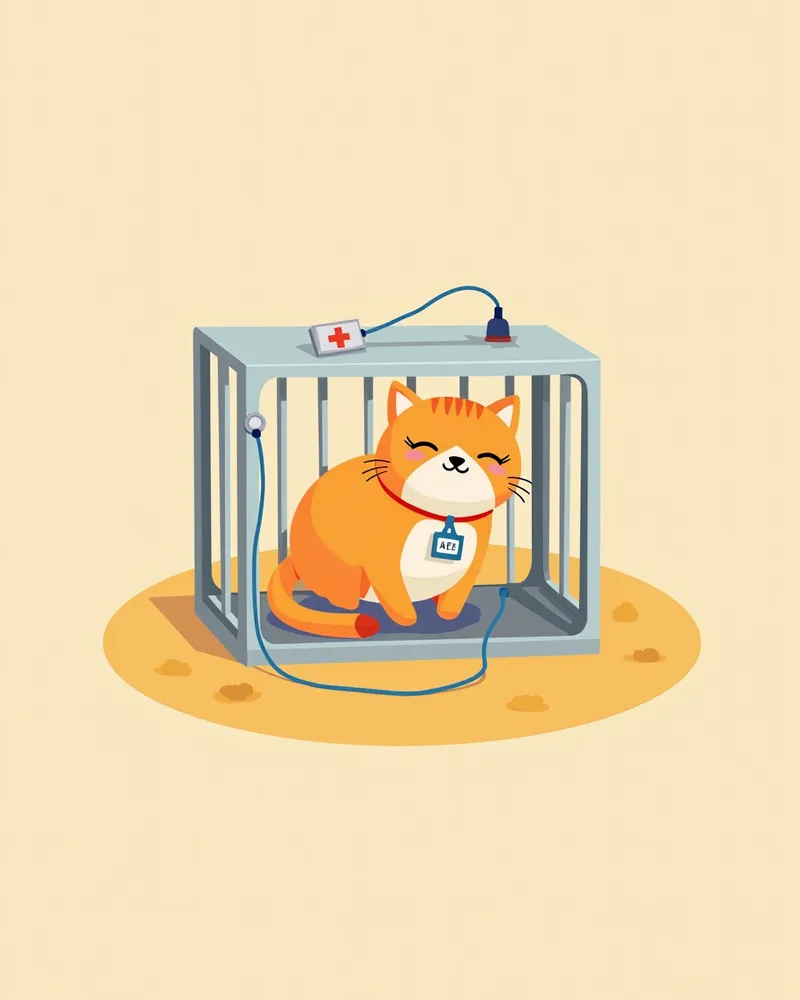
Home Care and Management Points

Preventing Recurrence After Treatment and Breed Considerations
Radioactive iodine therapy for cats achieves a cure rate of approximately 95%, with a low recurrence rate of about 5%. However, in some cases, hyperthyroidism may reoccur. Additionally, indoor living and consumption of fish-flavored canned food are known to be associated with an increased risk of developing hyperthyroidism, so please pay close attention to your cat’s diet and environment. Regular health check-ups are essential.
Reviewed by a veterinarian

Dr. Tony — Punnawat Phongkittirak
VeterinarianA veterinarian who majored in veterinary medicine at Khon Kaen University, Thailand, and completed the IVSA program at North Carolina State University in the United States. Drawing on clinical experience at animal hospitals, he works in the pet healthcare field and is dedicated to building a digital care environment that connects pet parents with veterinarians.
Reviewed 2026-06-01
Frequently Asked Questions
What should I do if my cat becomes sleepy after radioactive iodine therapy?
How long will it take to bring my pet home after treatment?
What should I do if my cat loses its appetite after treatment?
Will my pet be exposed to radiation after treatment?
Can hyperthyroidism return after treatment?
Share
Related Guides

Top 5 Prescription Dog Foods for Diabetes Recommended by Veterinarians — Blood Sugar-Stabilizing Food Comparison
7 Key Products for Managing Feline Hypercalcemia Recommended by Veterinarians and Selection Criteria
7 Key Points for Canine Thyroid T4 Testing by Veterinarians — From Timing to Result Interpretation
My Dog Won’t Drink Water — Dehydration and Acute Kidney Injury, When to Go to the Vet
How Fast Is My Dog’s Kidney Disease Progressing? — Monitoring CKD Progression and Management Points

My Puppy Has a Fever and Back Pain — From Pyelonephritis Symptoms to Treatment

Sudden Urine and Appetite Changes in Your Dog — Causes of Acute Kidney Injury and When to Seek Emergency Care
Complete Guide to Feline Renal Ultrasound — From Timing to Result Interpretation

When to Use Feline Kidney Supplements — Omega-3 Effects and Feeding Tips
If Your Cat’s Kidneys Are Silently Hardening — Mechanisms of Renal Fibrosis Progression and Management Points
References
[1] Hill, K.E. et al. (2011). The efficacy and safety of a novel lipophilic formulation of methimazole for the once daily transdermal treatment of cats with hyperthyroidism. Journal of Veterinary Internal Medicine, 25(6), 1357–1365.
[2] Plumb's Veterinary Drug Handbook, 10th Edition. (2015). Iodide (Potassium-, Sodium-). Veterinary Pharmacology and Therapeutics.
[3] The Cat, Clinical Medicine and Management, 2nd Edition. (2018). Radioactive iodine therapy for hyperthyroidism: long-term outcomes and complications. Elsevier Health Sciences.