

Complete Guide to Feline Dental Radiography — Why It’s Necessary and What Conditions It Detects
Dental radiography is essential for accurately diagnosing tooth roots, jawbone, and gum diseases in cats. It helps detect hidden dental issues early, improving treatment outcomes.
Feline Dental Radiography Is the Key Examination for Accurately Assessing Tooth Roots and Jawbone Condition
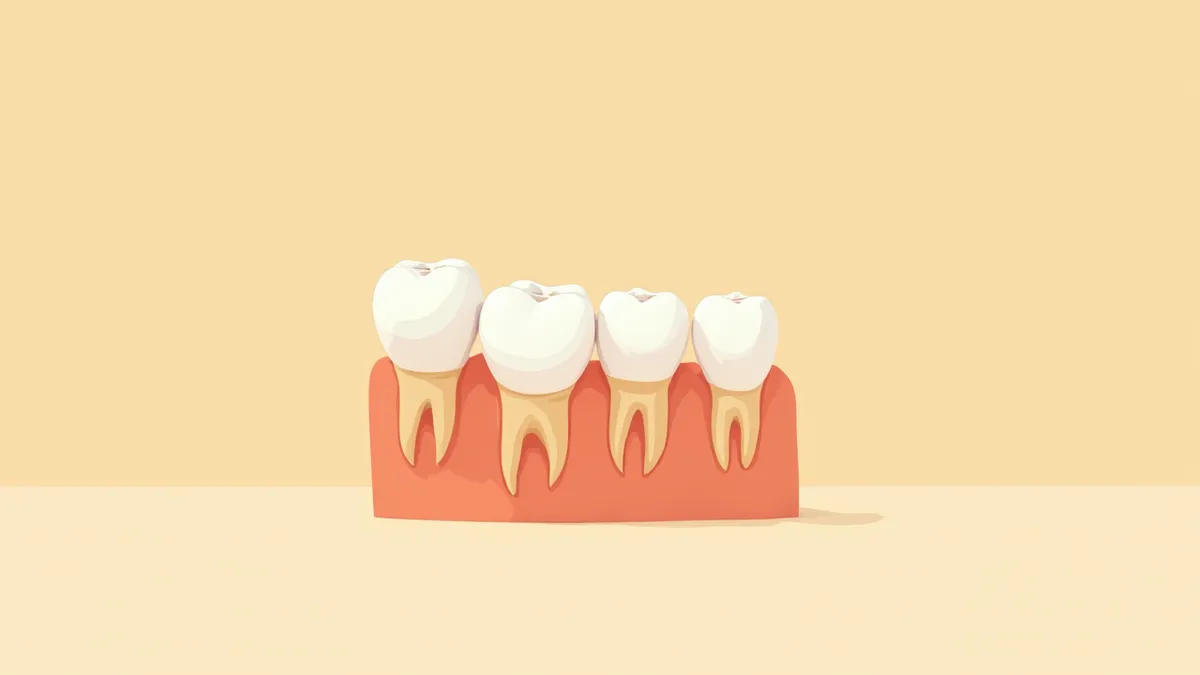
Inflammation of the Tooth Roots, Alveolar Bone Loss, and Tooth Loss Are the Main Causes

Check for Key Symptoms and Signs

Emergency Signs Requiring Immediate Veterinary Visit
If your cat’s jaw is swollen, they are showing signs of severe pain, or they are refusing to eat, you should take them to the vet immediately. This could indicate a serious tooth root infection or a pathological jaw fracture caused by loss of the alveolar bone. Periodontal disease is most accurately diagnosed through an oral examination under anesthesia and dental radiographs; starting treatment without these X-rays can lead to worsening of the condition.
Radiographic Imaging and Analysis Are Necessary for Accurate Diagnosis

Treatment Methods Vary Depending on the Type of Problem

Home Care and Prevention Are Important

Breed-Specific Precautions: Breeds with Narrow Jaws Are at Higher Risk
Breeds with narrow jaws, such as Turkish Persians, Black Persians, and Korean Shorthairs, are prone to dental issues like malocclusion, retained deciduous teeth, and tooth resorption due to crowded teeth. Dental radiographs are essential for early detection and management of hidden problems involving tooth roots and the alveolar bone. Annual veterinary check-ups are recommended for these breeds.
Reviewed by a veterinarian

Dr. Tony — Punnawat Phongkittirak
VeterinarianA veterinarian who majored in veterinary medicine at Khon Kaen University, Thailand, and completed the IVSA program at North Carolina State University in the United States. Drawing on clinical experience at animal hospitals, he works in the pet healthcare field and is dedicated to building a digital care environment that connects pet parents with veterinarians.
Reviewed 2026-06-07
Frequently Asked Questions
Does an X-ray hurt cats?
How is the frequency of X-ray examinations determined?
Is there anything special I need to do after the X-ray?
How much does an X-ray examination cost?
Can dental issues be detected without X-rays?
Share
Related Guides

7 Best Cat Dental Chews for Tartar Prevention Recommended by Veterinarians and Selection Criteria

Top 5 Recommended Dental Treats for Dogs in 2026 — VOHC Certification Criteria

7 Criteria for Choosing Dog Tartar Prevention Dental Chews Recommended by Veterinarians

Feline Malocclusion: Symptoms, Causes, Diagnosis, Treatment, and Management Essentials

If Your Cat’s Bad Breath Has Worsened — Diseases Hidden Behind Halitosis and When to Visit the Vet

Cat Teeth Are Rough and Yellow — Causes of Enamel Hypoplasia and Treatment & Management Points

Feline Oral and Periapical Abscesses: Symptoms, Causes, Diagnosis, Treatment, and Care Essentials

If Your Cat Keeps Grinding Its Teeth — Causes of Bruxism and When to Visit the Vet

Dog Tumor Prognosis and Survival Time: Symptoms, Causes, Diagnosis, Treatment, and Care Points Summary
Is Immunotherapy the Answer for Our Dog’s Cancer Treatment? A Complete Guide to Its Effects and Limitations
References
[1] Plumb's Veterinary Drug Handbook, 9th Edition. Wiley-Blackwell, 2022.
[2] L. A. K. S. et al. (2021) 'Dental Radiography in Cats: A Retrospective Study of 200 Cases'. Journal of Feline Medicine and Surgery, 23(5), 456–463.