

Feline Odontoclastic Resorptive Lesions (FORLs): Symptoms, Causes, Diagnosis, Treatment, and Management Essentials
Feline odontoclastic resorptive lesions (FORLs) are a dental condition in which the enamel and dentin of the teeth gradually break down. Because they can cause pain, early detection is essential.
What are Feline Odontoclastic Resorptive Lesions (FORLs)?

What are the main causes of FORLs?
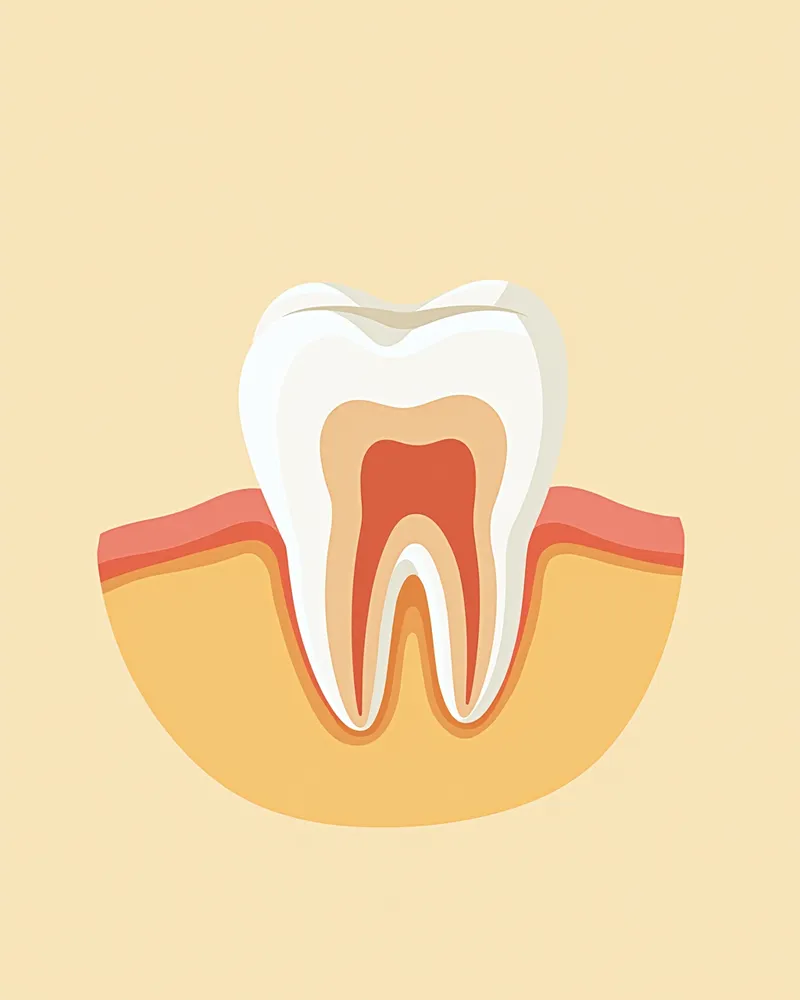
What are the main symptoms of FORLs?

When to Visit the Vet Immediately
If your cat stops eating, starts licking its lips much more frequently, or develops a strong bad breath, consult your veterinarian right away. As pain worsens, treatment becomes more difficult.
How are FORLs diagnosed?
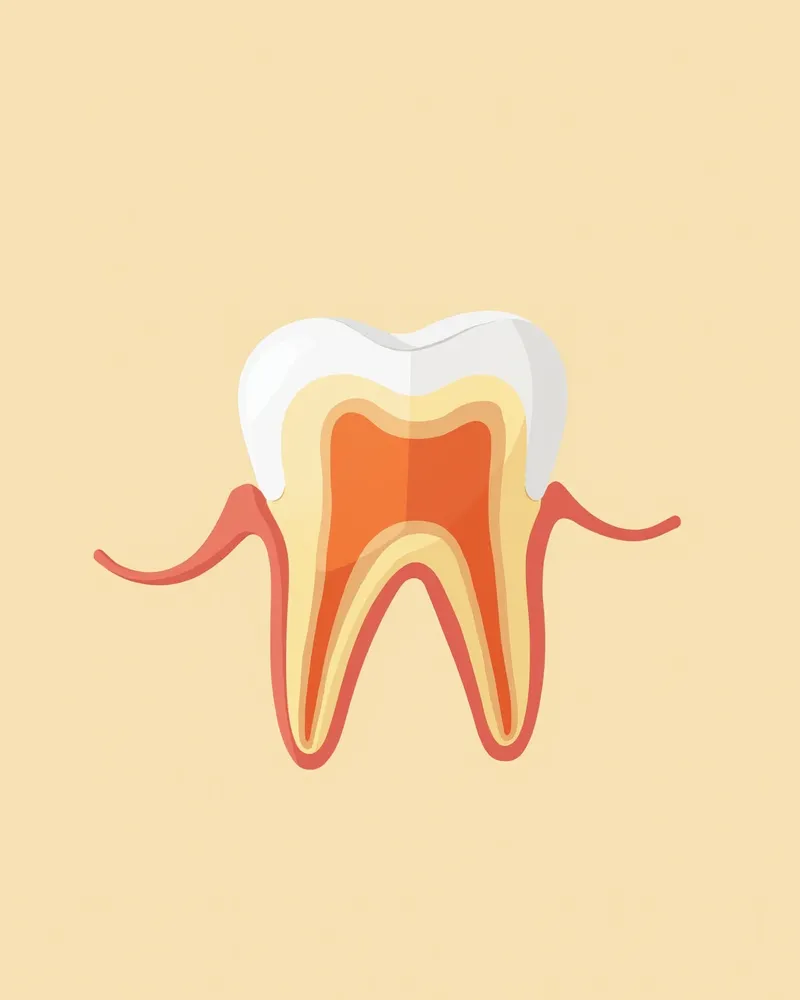
What are the treatment options for FORLs?
Home Care Guidelines

Preventing Recurrence and Breed Considerations
FORLs often affect multiple permanent teeth, as lesions in one tooth are frequently accompanied by similar issues in other teeth within the same mouth. While there is no definitive evidence that certain breeds are more prone to this condition, the risk is known to increase with age. Therefore, regular, comprehensive oral examinations for early detection and management are essential to ensure no new lesions are missed, even after treating a single tooth.
Reviewed by a veterinarian

Dr. Tony — Punnawat Phongkittirak
VeterinarianA veterinarian who majored in veterinary medicine at Khon Kaen University, Thailand, and completed the IVSA program at North Carolina State University in the United States. Drawing on clinical experience at animal hospitals, he works in the pet healthcare field and is dedicated to building a digital care environment that connects pet parents with veterinarians.
Reviewed 2026-06-07
Frequently Asked Questions
Are FORLs a common condition in cats?
Do FORLs cause pain?
Is it safe to have my pet’s teeth extracted?
Can it be prevented?
Can FORLs spread to other teeth?
Share
Related Guides

7 Best Cat Dental Chews for Tartar Prevention Recommended by Veterinarians and Selection Criteria
Top 5 Recommended Dental Treats for Dogs in 2026 — VOHC Certification Criteria

7 Criteria for Choosing Dog Tartar Prevention Dental Chews Recommended by Veterinarians

Sudden Weight Gain and Hair Loss in Cats — Causes and Treatment Timing for Ectopic ACTH Syndrome
If Your Dog Trembles at the Sight of the Vet — Causes of Fear and Desensitization Training Tips

Our Dog’s Sudden Chasing and Biting Instinct — Causes, Management, and Correction Points for Hunting Instinct

Dog Trembling at Thunder — Causes and Behavioral Treatment Points for Noise Phobia
Our Dog Who Lost a Companion — Signs of Pet Loss Grief and Recovery Care Points

Anxious Puppies After Moving — Causes of Environmental Change Stress and Adaptation Management
If Your Dog Growls at Other Dogs — Causes of Same-Sex Aggression and Behavior Modification
References
[1] Bellows J. Feline Dentistry – Oral Assessment, Treatment, and Preventative Care. 1st ed. Ames: Wiley-Blackwell; 2010.
[2] Thatcher CD, Hand MS, Remillard RL. Small animal clinical nutrition: an iterative process. In: Hand MS, Thatcher CD, Remillard RL, eds. Small Animal Clinical Nutrition. 5th ed. Topeka: Mark; 2010.
[3] Anderson JG, Harvey CE, Flax B. Clinical and radiographic evaluation of external odontoclastic resorptive lesions in cats (abstract). J Vet Intern Med. 1993;7:134.